
Recent energy agreements between Algeria and Niger have become part of a broader Algerian strategy of rebuilding its influence in the Sahel and across Africa, to fill a geopolitical vacuum and establish a new model of development across an increasingly complex regional landscape.
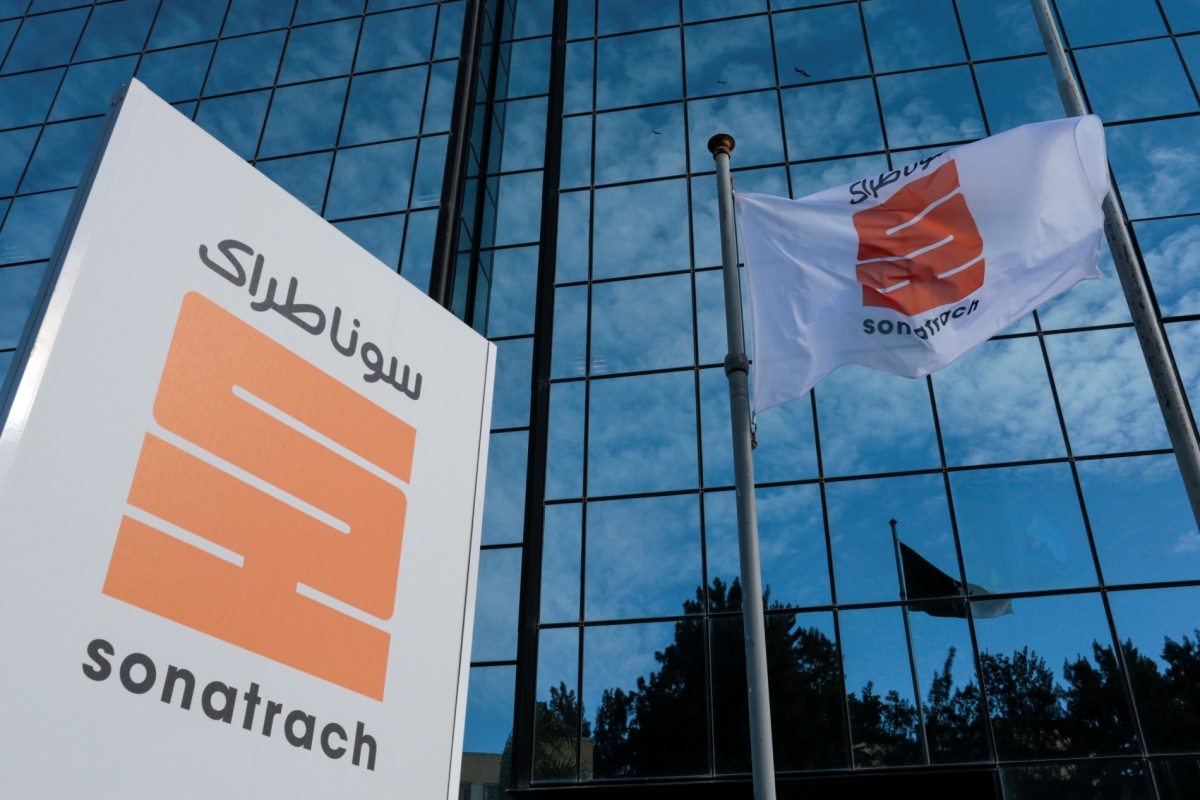
Beyond political and security cooperation, Algeria’s proposition is a multi-layered economic partnership focused on energy. Most recently came the start of Algerian aviation fuel exports to Niger from the Adrar refinery, under a sale-and-purchase agreement between Algeria’s energy giant Sonatrach and Niger’s national petroleum company SONIDEP.
The partnership also extends to exploration and production, as shown by the start of drilling at the Kafra South-East 1 well in the Agadez region of northern Niger. The Kafra sedimentary basin covers 23,737 sq. km. and lies just 85km from Algeria. Drilling is expected to reach a depth of almost 4km. Official Nigerien estimates put Kafra reserves at 260 million barrels. The production-sharing agreement for the project dates back to 2015 and was renewed in 2022.
ENAFOR is Algeria’s national drilling company and a subsidiary of the state-owned Sonatrach. It demonstrated its engineering and operational capability by transporting heavy drilling equipment and support facilities more than 2,000km across difficult desert terrain, from the Hassi Messaoud fields in south-eastern Algeria to the heart of Agadez.
Sonatrach’s role in developing Niger’s oil sector is strategically significant. Boubakr Mustapha, an economist at the University of Bouira, told Al Majalla that the partnership “offers a practical model of balanced South-South cooperation, presenting a genuinely African-to-African option based on technology transfer, knowledge localisation, and the export of Algerian expertise accumulated over decades”.
He added that Algeria “does not approach its neighbours through the logic of Western tutelage or the onerous conditions imposed by multinational companies,” but rather to “safeguard their energy sovereignty through a clear institutional commitment to training and the technical development of local personnel... This gives the economic partnership a sustainable dimension and lays the foundations for genuine regional integration based on equality, mutual respect, and the safeguarding of national capabilities”.
Mustapha estimates that the project could generate $2.3bn in annual revenues, assuming a price of $70 per barrel (or $2.63bn at $80), based on a projected production of 90,000 barrels per day (bpd).
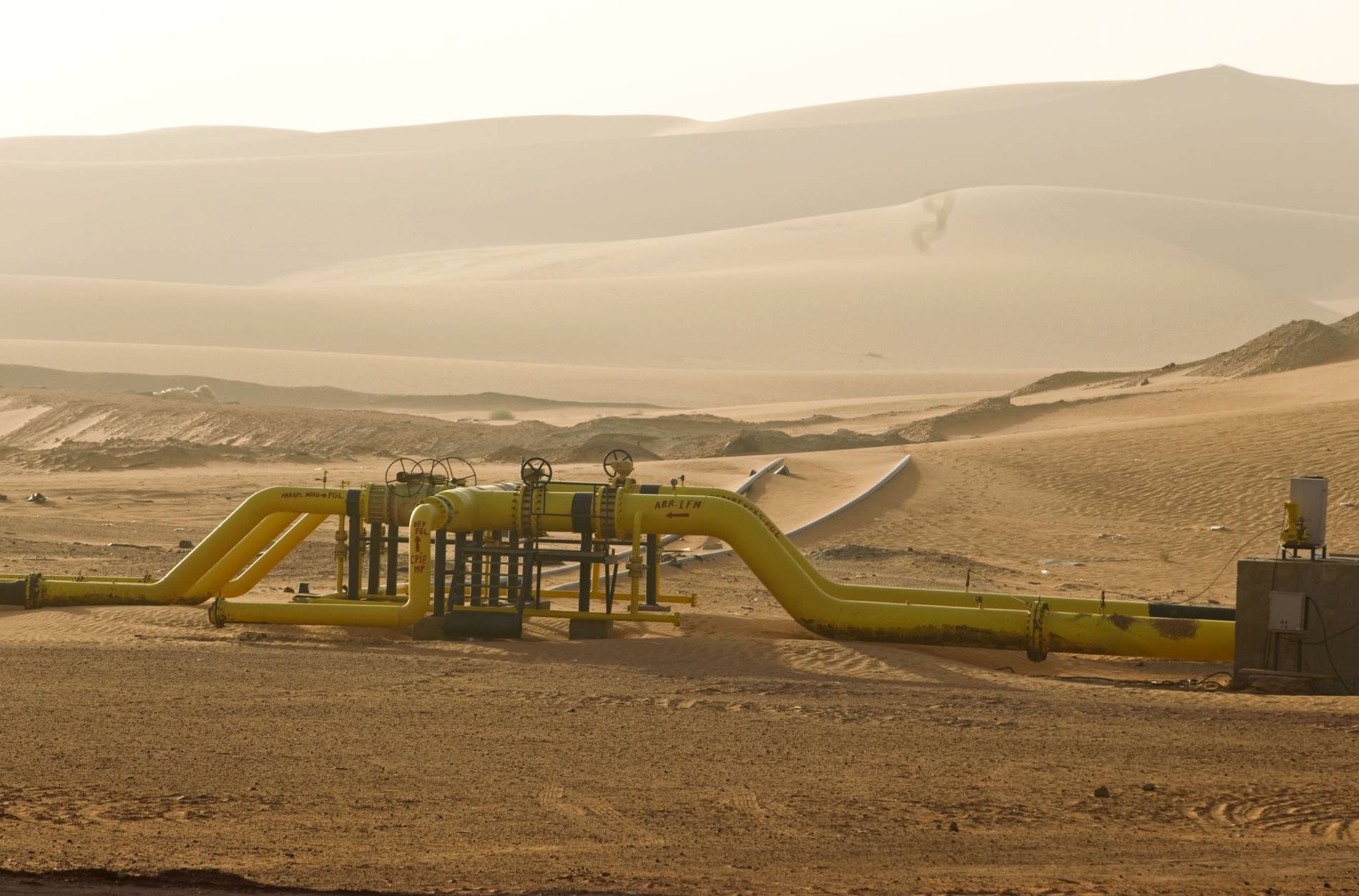
Energy routes
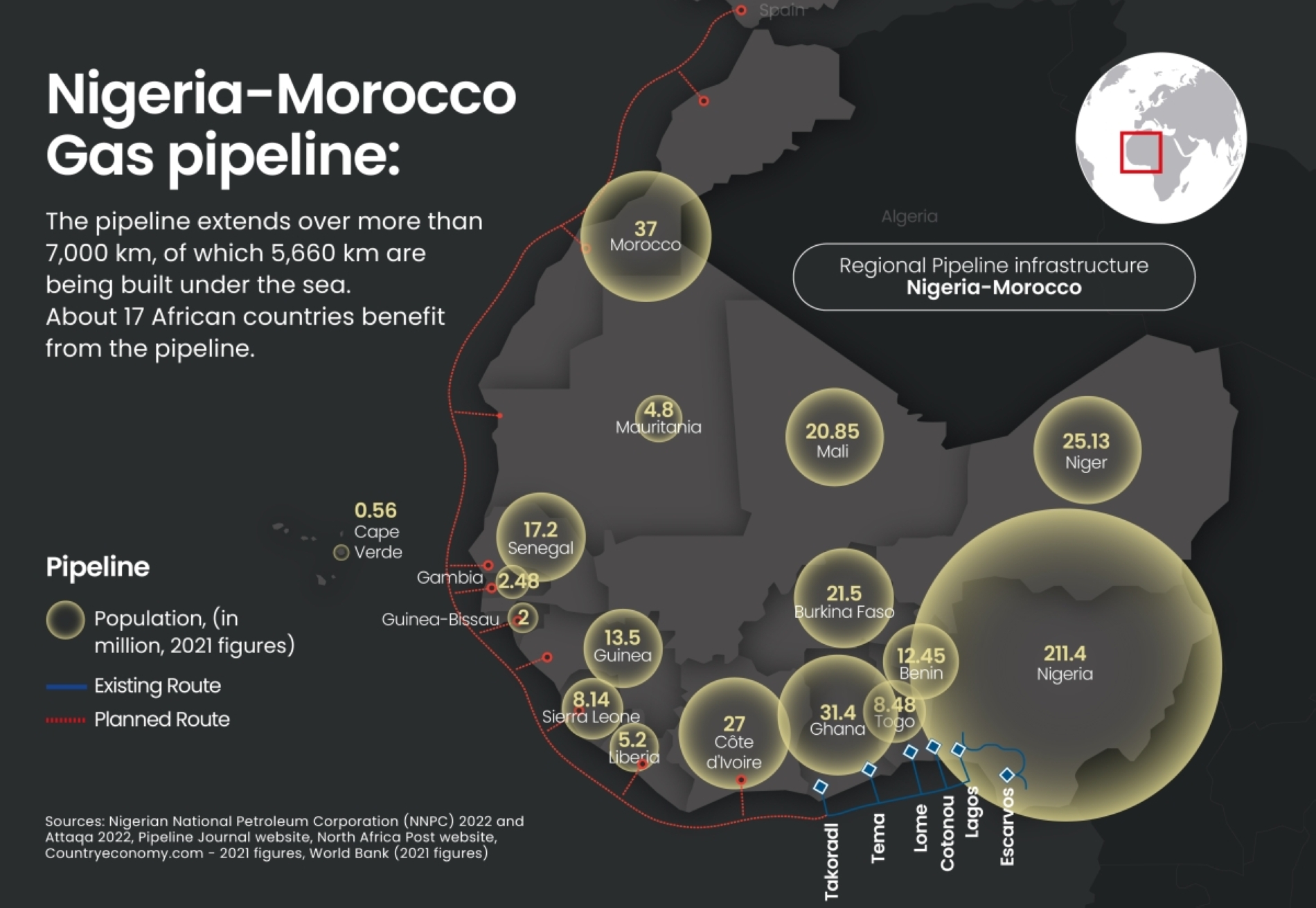
Another major project through which Algeria wants to expand its reach is the Trans-Saharan Gas Pipeline (TSGP), which would begin in Nigeria before passing through Niger to reach Algeria’s energy hub at Hassi R’Mel, a huge gas field that accounts for 57% of Algeria’s gas reserves and ranks fourth globally in production. From there, the pipeline would connect into Algeria’s existing network serving Europe, including the Medgaz pipeline (to Spain) and the TransMed pipeline (to Italy via Tunisia). It could also reactivate a pipeline sending gas to cities in Algeria’s west.
In operational terms, the TSGP would be a continental energy artery with a capacity of around 30 billion cubic metres per year. It would deepen energy cooperation among African countries and give Nigeria secure commercial access to the European Union, which needs to replace its previous gas supplies from Russia. Nigeria was the world’s sixth-biggest gas exporter in 2024, providing 18.4 billion cubic metres.