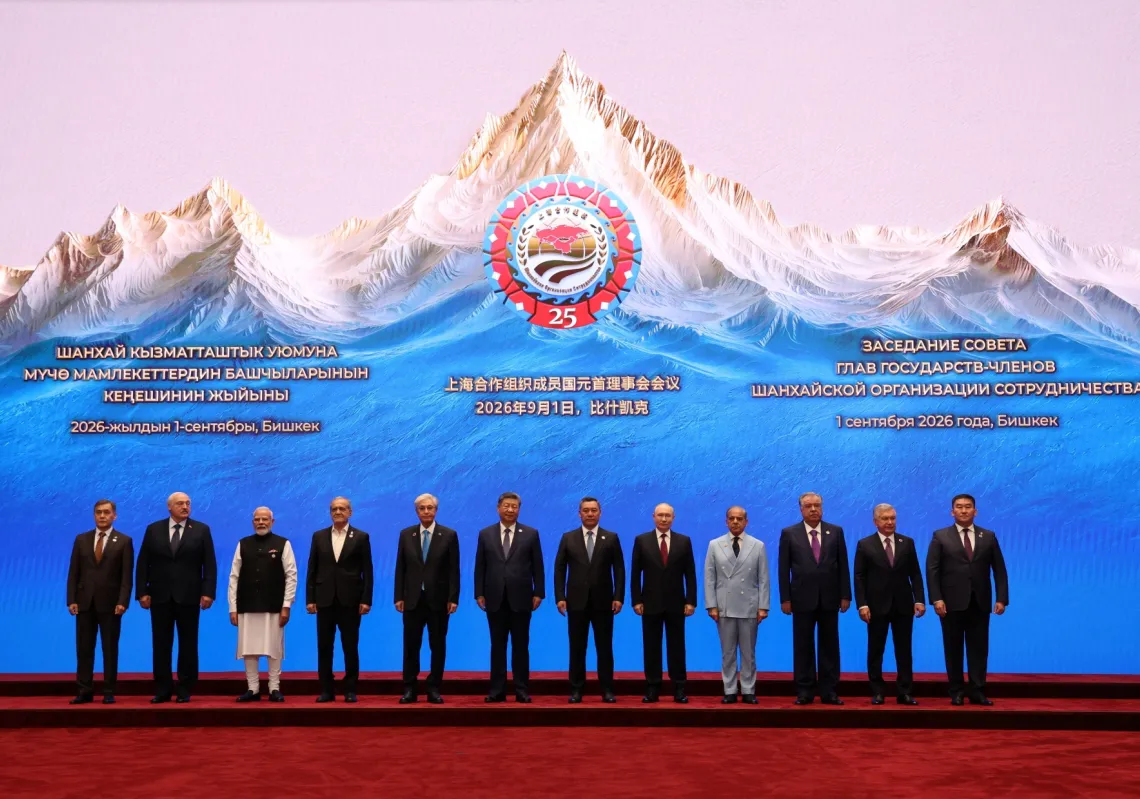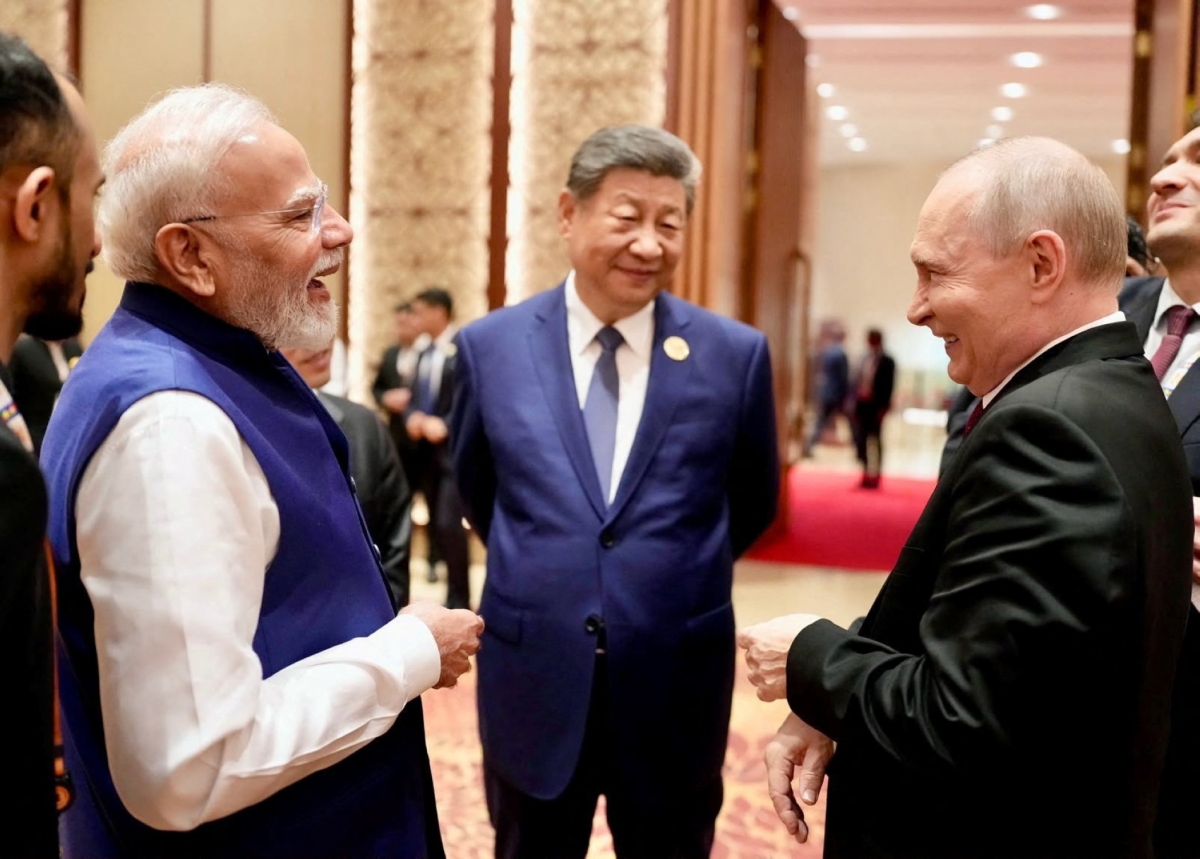

This weekend, as Indian Prime Minister Narendra Modi welcomed Russian President Vladimir Putin and Chinese President Xi Jinping to Bharat Mandapam for the 18th BRICS summit, the assembled leaders spent most of their public remarks on trade corridors and the usual grievances about a Western-led order that no longer reflects the distribution of global power. Iran barely made the formal agenda. But in the private meetings that matter more than the joint communiqué, the US war in Iran was almost certainly a subject of conversation.
With good reason. The country that convened this summit, and the two great powers that anchored it, may hold the key to ending a war that Washington started and can no longer finish.
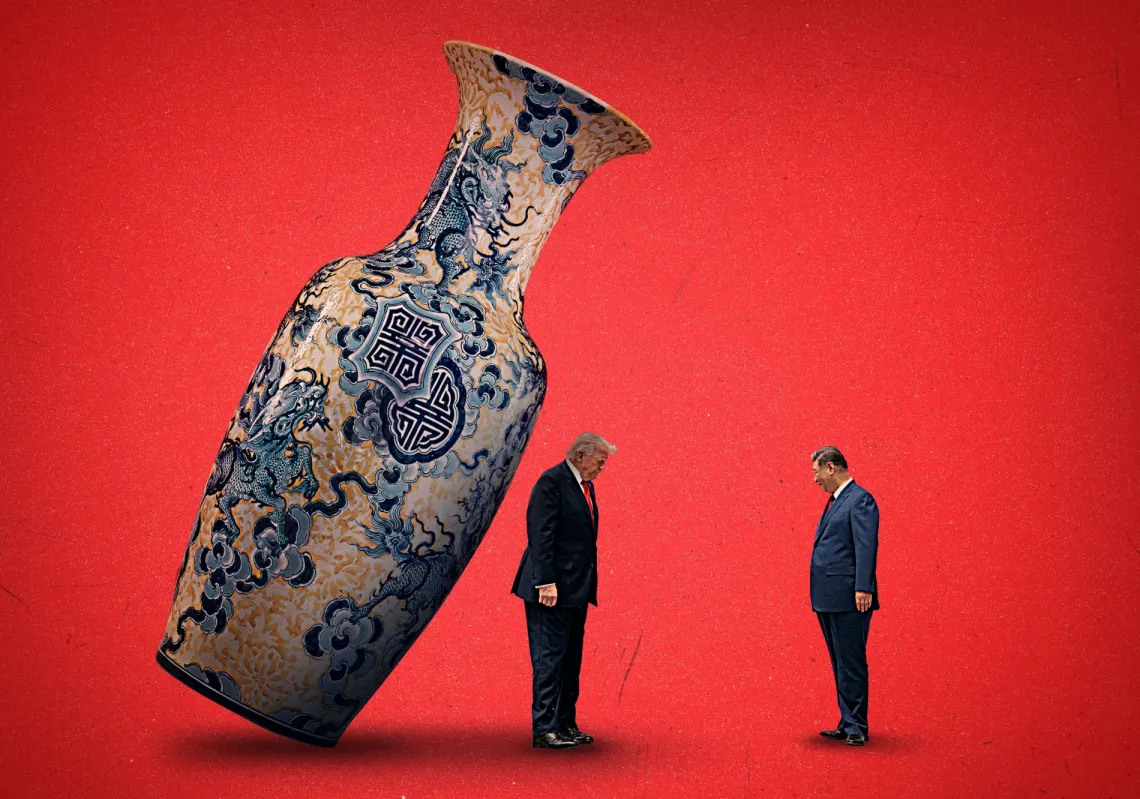
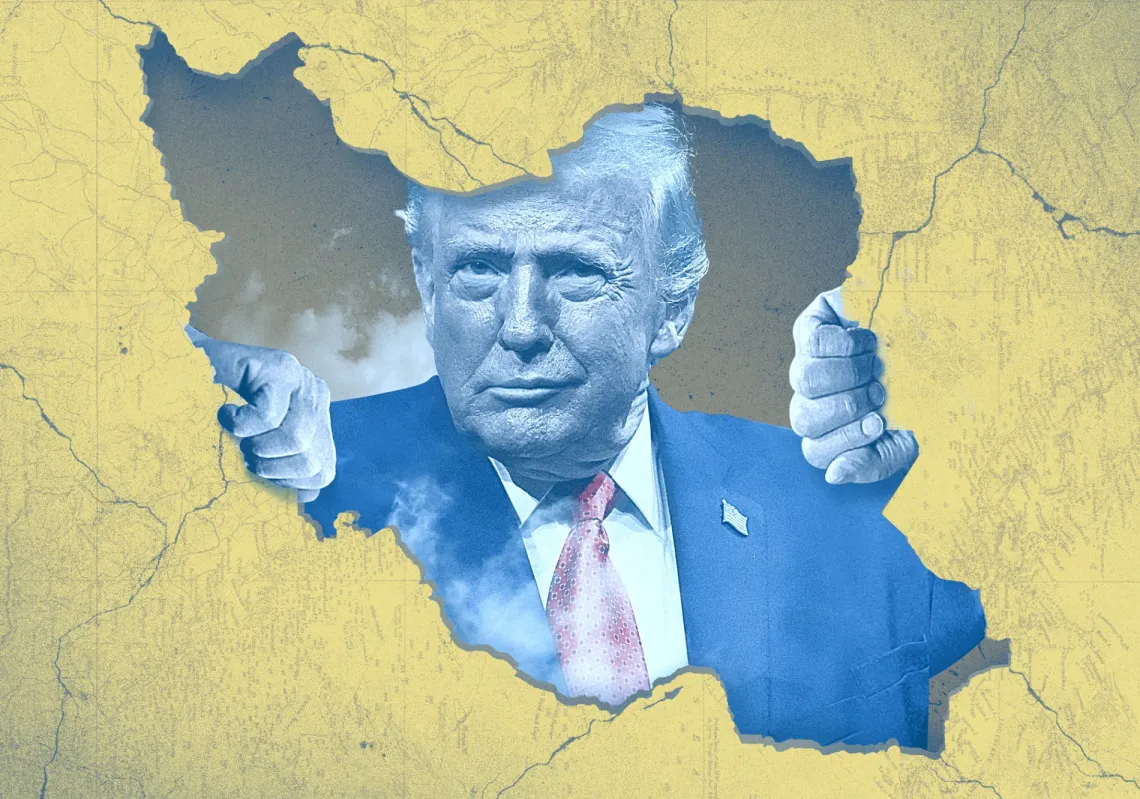
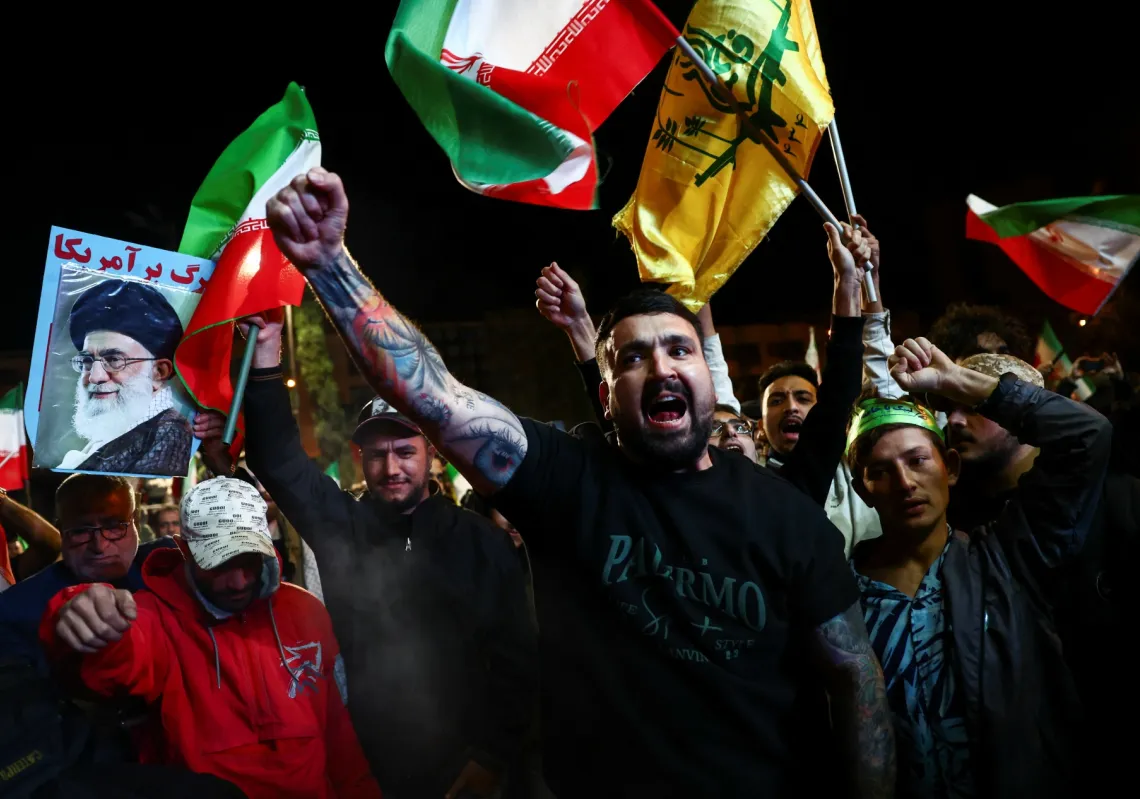
The war has not gone the way anyone in the Trump administration expected. US and Israeli strikes in June 2025 set back Iran’s nuclear programme but did not end it and did not topple the regime, either. A negotiating window opened and closed this summer without a deal. US President Donald Trump has now taken to telling reporters that the war will conclude after the November midterms, something that reads less like a strategic timeline than a political one. He needs the conflict resolved in a way that lets him claim he denied Iran a bomb and forced Tehran to its knees. What he does not have is a credible path to that outcome that does not involve either an extended and unpopular military campaign or a negotiation that looks, to his own base and to Israel, like capitulation.
Iran, for its part, needs something the United States is structurally incapable of offering: a security guarantee it can believe. Whatever assurances a US administration extends today can be reversed by the next one, or by the same one three months later, as Iranian officials have been saying publicly since the beginning of the war. Tehran also needs sanctions relief that is not dependent on the American financial system, since any relief contingent on Washington’s goodwill is relief that can be switched off. These two requirements—reliable security backing and dollar-independent economic lifelines—are exactly what Russia, China, and increasingly India can supply, and what the United States cannot.
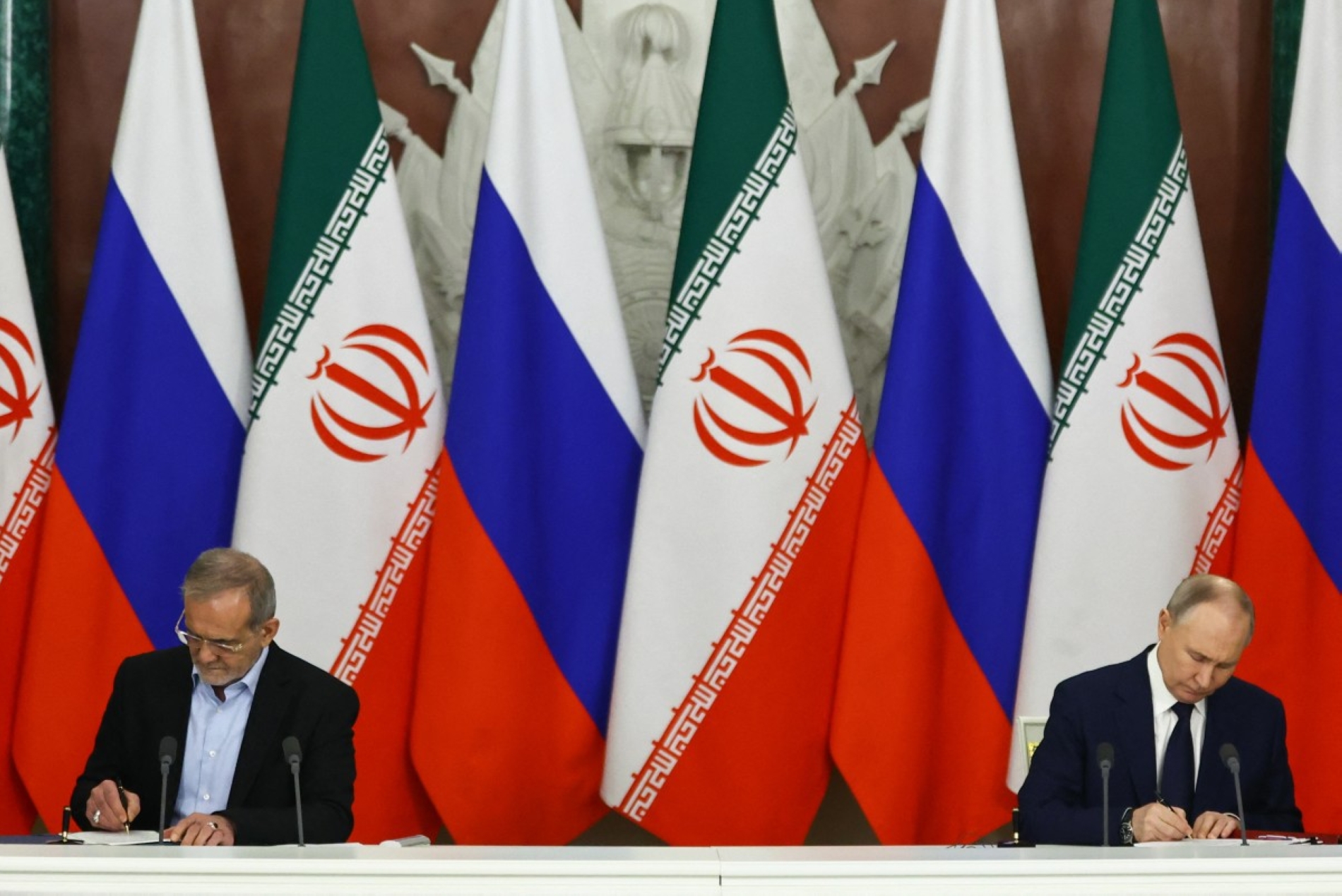
Russia’s utility here is mostly about security architecture. Moscow has spent two decades building a defence relationship with Tehran that includes air defence systems, training, and a formal comprehensive strategic partnership treaty signed last year. While Russia cannot physically defend Iran against another US or Israeli strike, and Ukraine has consumed the bulk of its military resources, it can still offer something narrower and still valuable: a diplomatic guarantor role, a seat at any verification regime, and a channel through which Iran can claim its sovereignty was respected. For a regime that has built its legitimacy partly on resisting American power, having Russia in the room changes the optics of any deal from surrender to negotiated settlement.
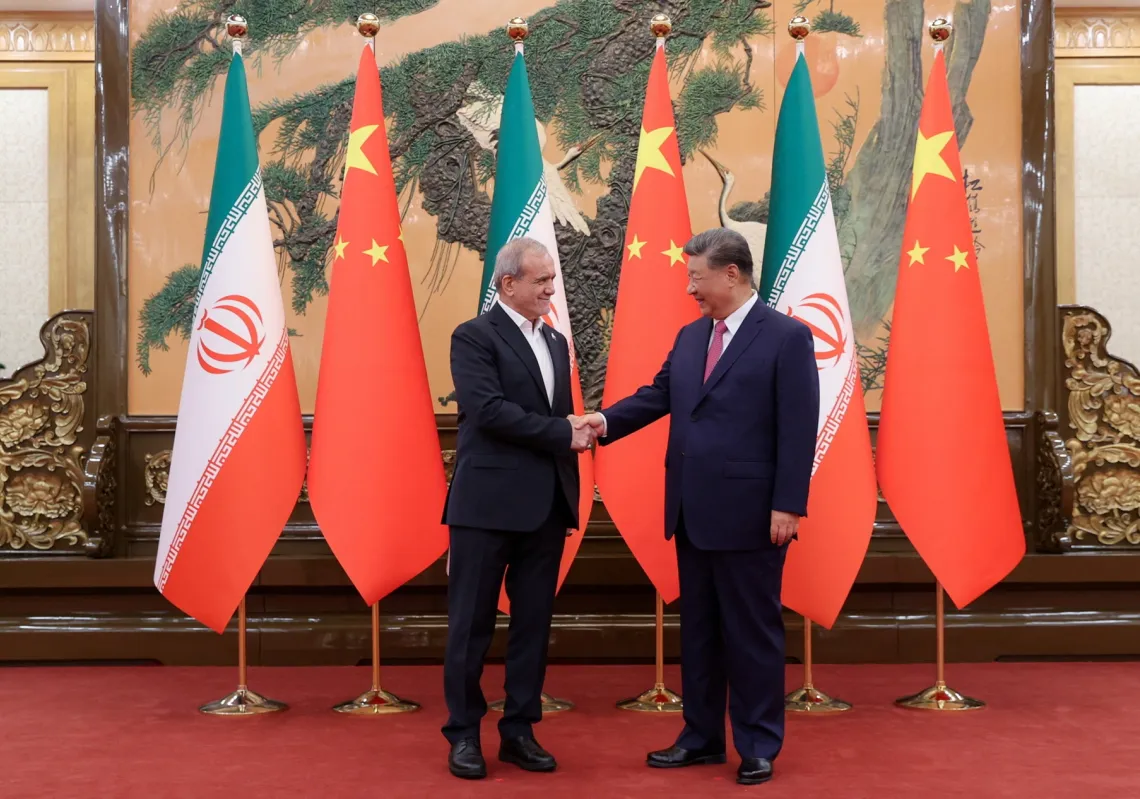
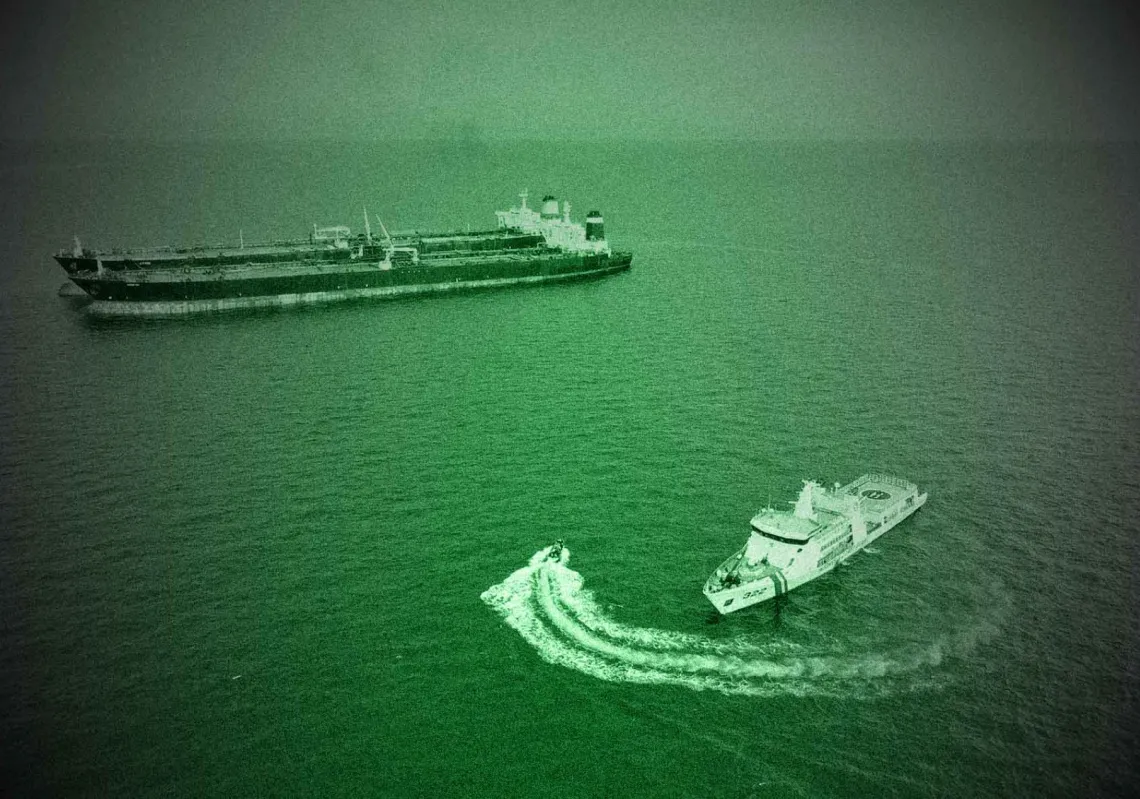
China’s contribution is almost entirely economic. Beijing buys the majority of Iran’s exported oil, much of it through intermediaries outside formal dollar clearing systems, and has done so through years of sanctions with only modest disruption. A settlement that allows expanded, formalised Chinese investment, perhaps folded into the 25-year cooperation agreement the two countries signed in 2021, gives Iran an economic future independent of American sanctions relief. Prolonged conflict also disrupts the oil flows and shipping lanes Beijing depends on, which gives China its own reason to push Tehran toward a deal.
New Delhi occupies a stranger position than either, holding two relationships that most capitals would consider incompatible. It remains a close security partner of the United States through the Quad, and it maintains a functioning relationship with Iran built around the Chabahar port and Central Asian trade access. This makes India one of the only actors capable of talking to both Washington and Tehran without either side assuming bad faith. India wants no part of an Iranian bomb, and it wants even less of a Gulf destabilised indefinitely, given how much of its oil and remittance-linked labour passes through it. New Delhi is therefore a natural venue, and possibly a natural broker, for quiet diplomacy aimed at off-ramps that Trump can stomach.
This does not require Trump to announce that Russia, China, and India solved his Iran problem. He would not do so, and he would not need to. The mechanics of great-power diplomacy do not require public credit to match private reality. A plausible sequence looks something like this: Iran accepts a verification framework it can present domestically as negotiated rather than imposed, with Russia serving as guarantor of the inspection regime alongside the International Atomic Energy Agency. China expands investment under existing bilateral agreements, absorbing the economic slack that US sanctions relief would otherwise need to fill. Having just hosted the summit that made the arrangement feasible for Tehran, India can facilitate the diplomatic channel and possibly host follow-up talks. Trump gets to say Iran will never have a nuclear weapon, a claim he has repeated often, and the war ends without US troops staying in the region indefinitely or Israel needing to strike again.
The Gulf Cooperation Council states have been watching this dynamic develop with more clarity than most Western commentary has credited them for. Saudi Arabia, the United Arab Emirates, and Qatar have spent the past several years hedging visibly, joining BRICS-adjacent institutions and deepening security ties with China and Russia even as their core relationship with Washington persists. The pattern looks like an ordinary hedge against a policy that has swung sharply between administrations. A Gulf state that watched Washington go from proposing talks to threatening to bomb power plants and bridges within a month has every reason to want alternative security and economic arrangements that are less levered to the whims of any occupant of the White House.
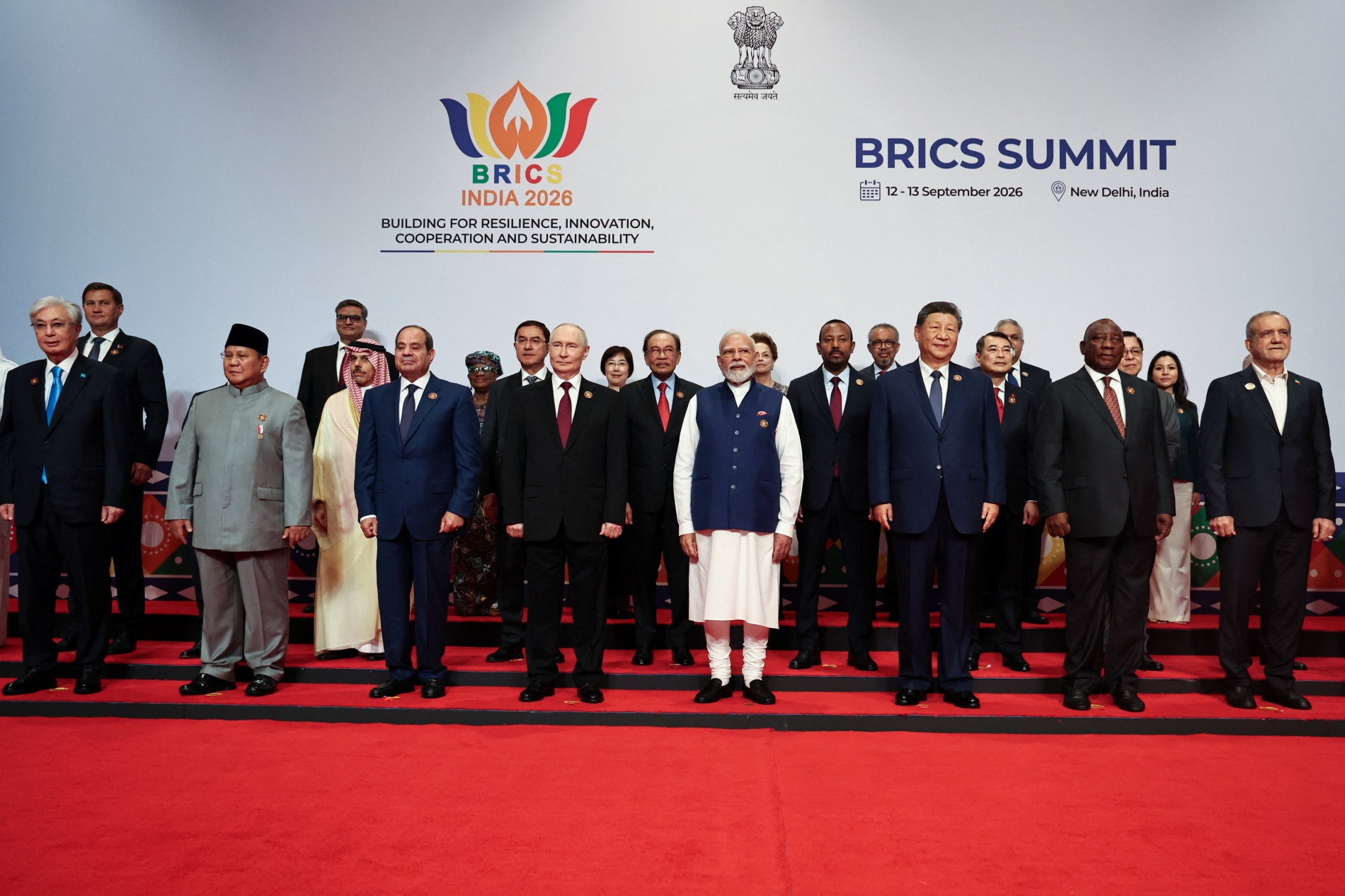
A negotiated end to the Iran war brokered partly through Russian, Chinese, and Indian channels would only reinforce that hedging strategy. It would demonstrate that American security guarantees are not the only currency in the region, and that engagement with the BRICS bloc yields diplomatic returns that go beyond symbolism. Gulf states could reasonably conclude that the multipolar arrangements they have already been building—port investments with China, defence talks with Russia, trade with India—function less as insurance and more as active tools for shaping outcomes that affect their own security.
For this type of great-power diplomacy to work, it would require each country to concede something. Russia’s bandwidth is limited by Ukraine, and its contribution would be largely symbolic, with little operational weight. China prefers to stay out of Middle Eastern security commitments and may calculate that a contained conflict serves its interests better than a settlement requiring it to take sides publicly. India must manage the awkwardness of playing broker for a country that its closest strategic partner is bombing, and any misstep could damage the Quad relationship. Israel has shown no enthusiasm for a settlement it does not control, and Iran’s own politics, with protests continuing and hard-liners resisting anything resembling retreat, may make any deal hard for Tehran to accept.