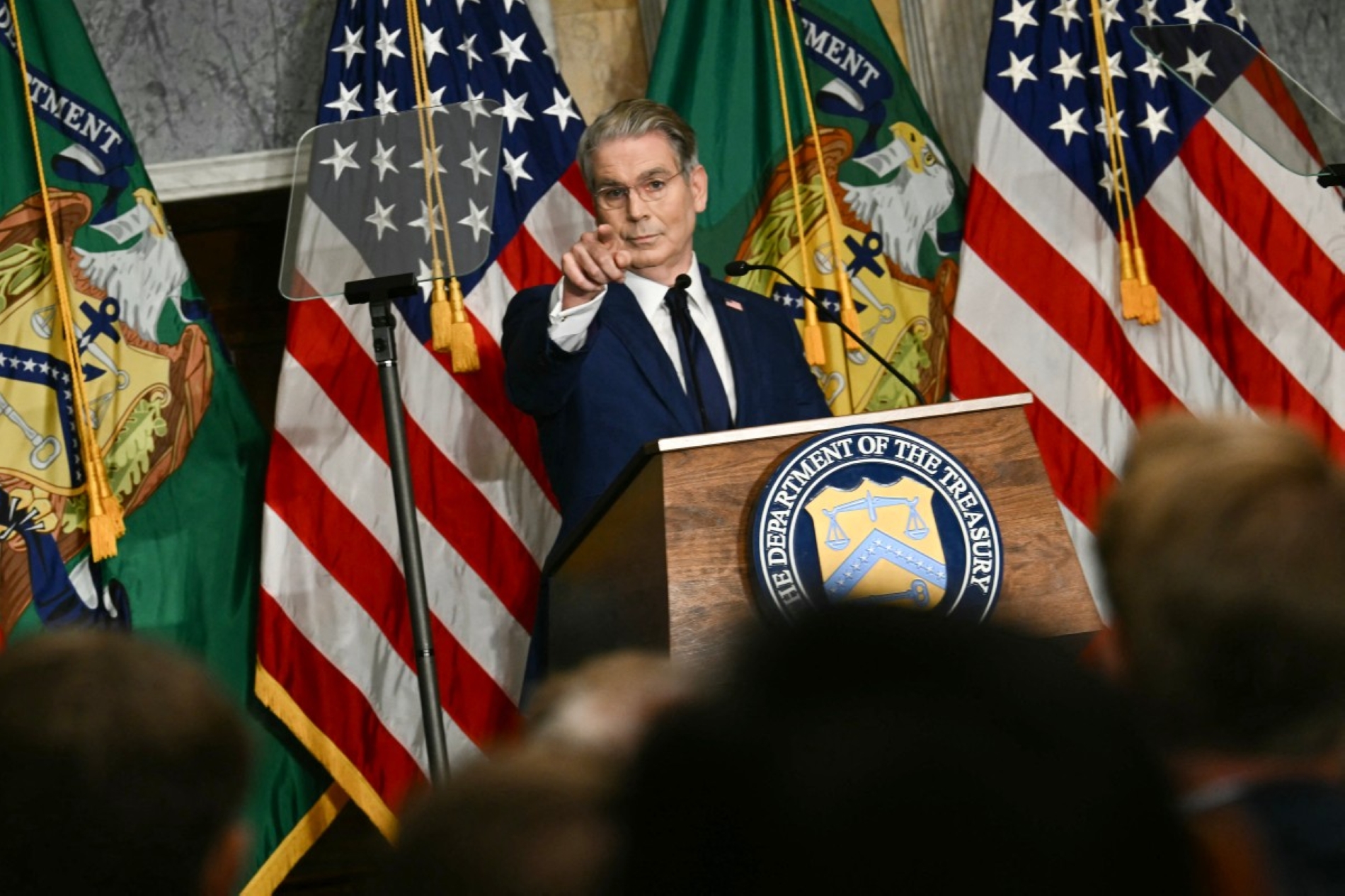

On 24 August, Washington launched Operation Economic Outcast, an additional set of measures aiming to further suffocate Iran’s economy. At the time, US President Donald Trump and Treasury Secretary Scott Bessent used the term "economic D-Day" to describe their severe financial offensive and sanctions campaign. Iran’s economic vulnerability is likely to increase not only because of those new sanctions but also because of the expansion of Iran’s own sanctions-evasion system. Each additional layer of concealment raises transaction costs and can paradoxically expose Iran’s networks to international tracking.
Iran’s multifaceted sanctions-evasion system can give the impression that it has become so proficient that new sanctions merely generate new workarounds. But that underestimates both the cumulative cost of evasion and the vulnerabilities embedded in the system. While Iran’s shadow economy can adapt to new sanctions, its capacity to adapt is not infinite.
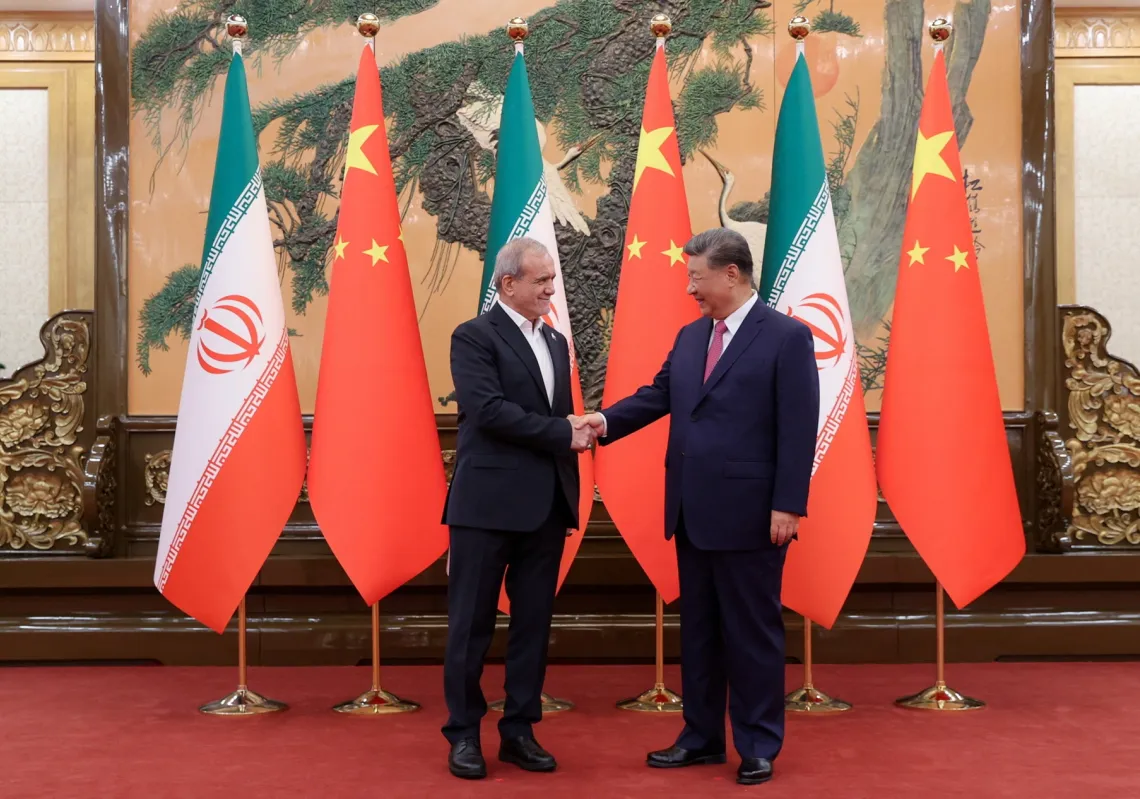
Iran has spent decades building one of the world’s most sophisticated sanctions-evasion systems, in which it cooperates with allies like Russia and China. Iran’s oil travels aboard a shadow fleet of tankers that change names, flags and owners. Cargoes are transferred between vessels at sea to obscure their origins. Front companies in commercial centres in Europe, Asia, Latin America, and Africa provide layers of separation between Iranian entities and international markets. Exchange houses, offshore accounts and shell companies allow oil revenues to be moved or spent without money necessarily passing through Iran itself. And the Iranian Revolutionary Guard Corps (IRGC) uses all this to generate revenue in hard currency, making it richer when the Iranian riyal depreciates.
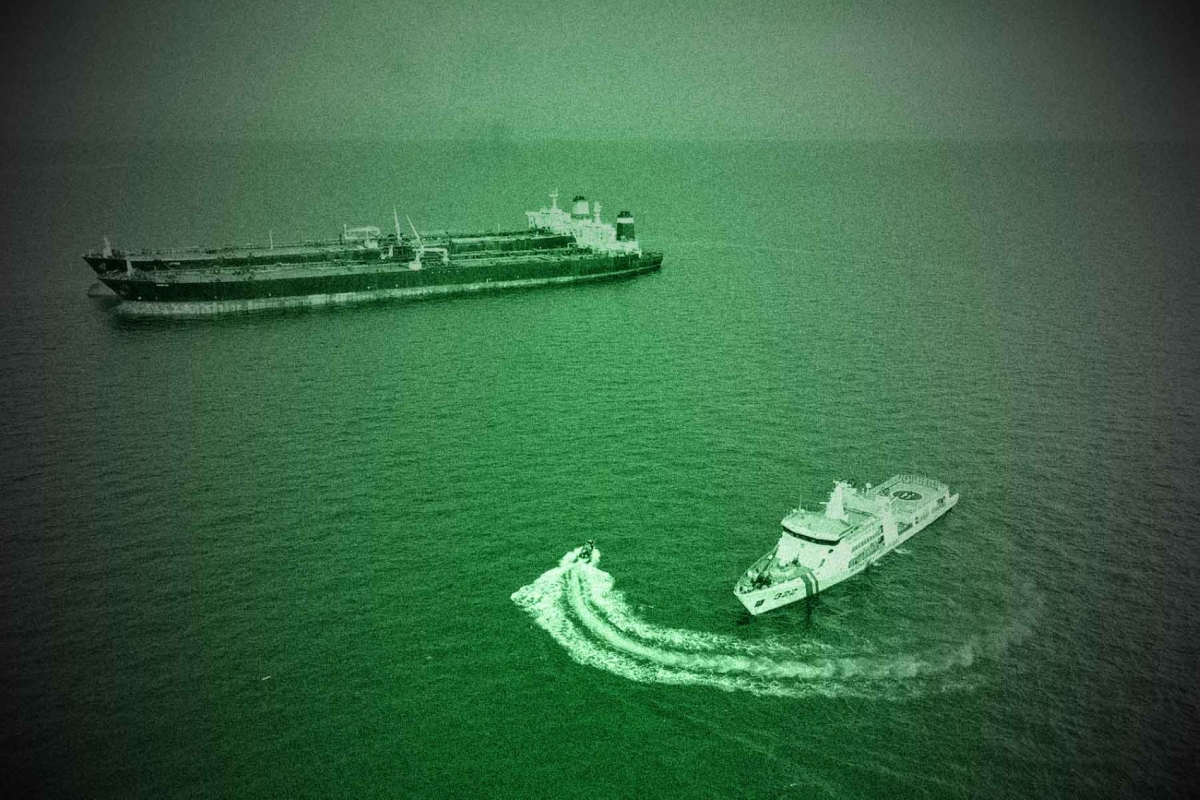
The most visible component of Iran’s transnational shadow commercial architecture is its shadow tanker fleet. Iranian oil is transported by vessels whose ownership can be concealed behind multiple shell companies, whose flags and managers change frequently and whose Automatic Identification System signals may disappear or be manipulated. Ship-to-ship transfers add another layer. The US Office of Foreign Assets Control has documented Iranian cargoes undergoing successive transfers before reaching their ultimate destinations, making the provenance of the oil progressively harder to establish. Iran also conceals the origin of its oil and petroleum products, marketing them as originating in other countries.
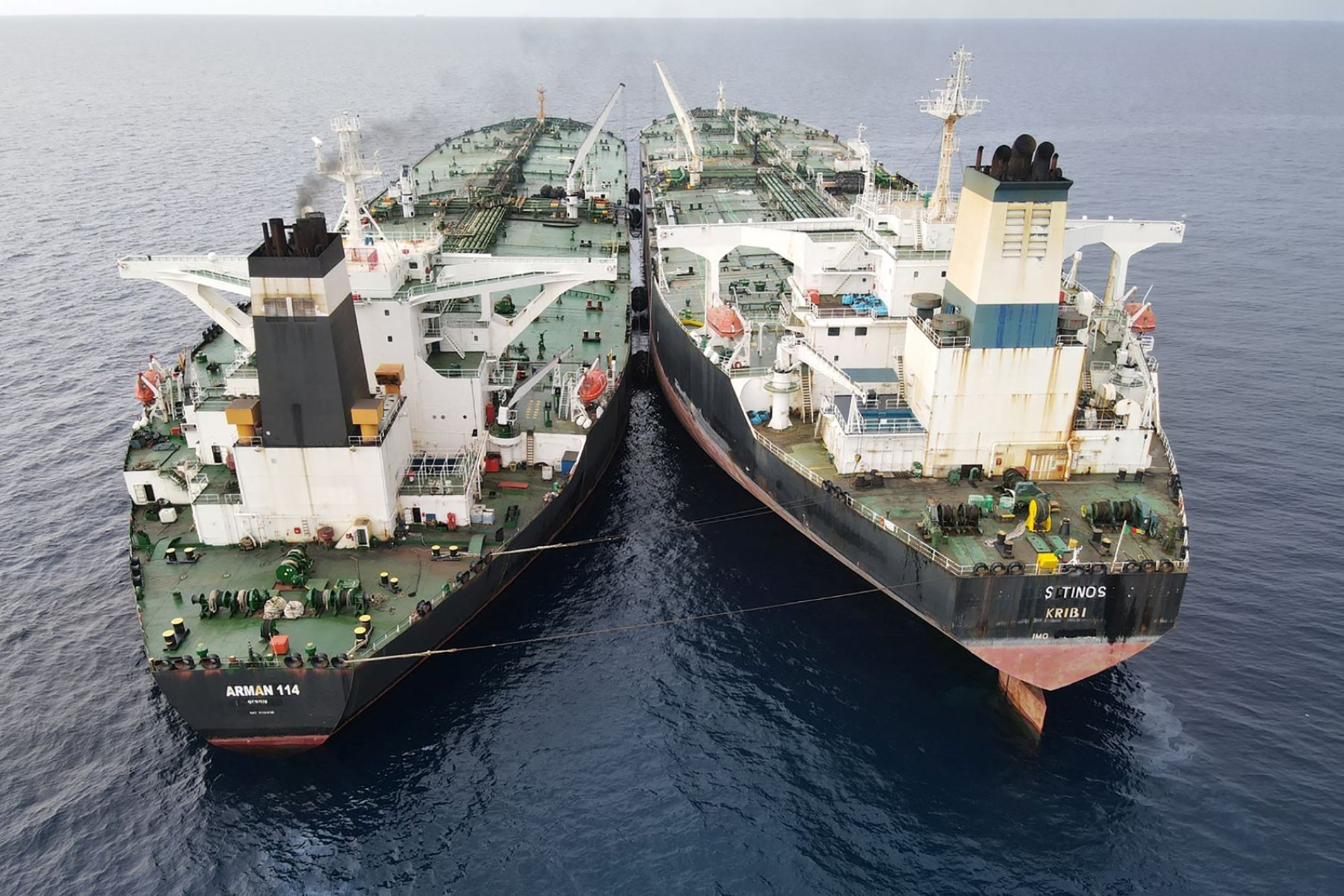
Corporate structures perform a similar function. Iranian-linked networks use apparently ordinary shipping, consulting, logistics, commodity and financial services companies to conceal who ultimately owns an asset or benefits from a transaction. The sprawling network associated with Iranian shipping magnate Mohammad Hossein Shamkhani illustrates the model. The US Treasury says the network has relied on companies operating across multiple jurisdictions, including Hong Kong and the Marshall Islands, repeatedly changing vessel operators and managers while maintaining the appearance of legitimate commercial activity.
Iran also uses exchange houses and intermediaries to maintain pools of foreign currency abroad and networks of shell companies to make payments on behalf of sanctioned Iranian banks and other entities. Iran’s oil sales generate large quantities of Chinese yuan; exchange houses and foreign companies can then use those revenues to pay for Iranian imports or settle unrelated obligations without necessarily repatriating funds to Iran first. These examples show that Iran’s shadow economy survives by embedding itself in the legitimate international economy.