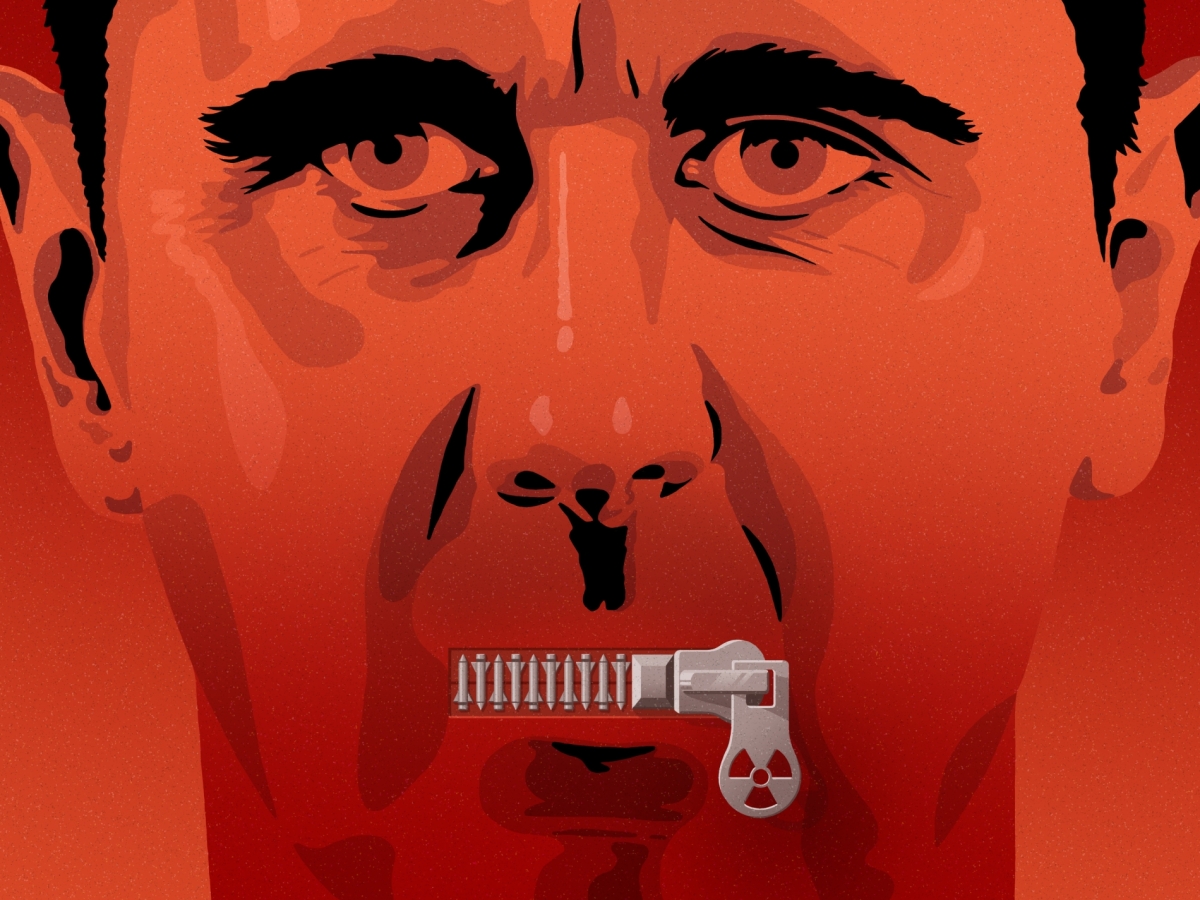

Al Majalla chose Bashar al‑Assad’s nuclear programme as this week's cover story following reports issued by the International Atomic Energy Agency in early September, which revealed that the project was much more extensive than previously believed.
This investigation traces the hidden history of the former Syrian president's nuclear ambitions, while shedding light on the roles played by North Korea and Iran, the depth of Israel’s penetration into the most guarded leadership circles, the destruction of the al‑Kibar reactor in 2007, and the 2008 assassination of Brigadier General Mohammed Suleiman—one of the senior officials entrusted with Syria’s most sensitive strategic weapons programmes.
This is the story.
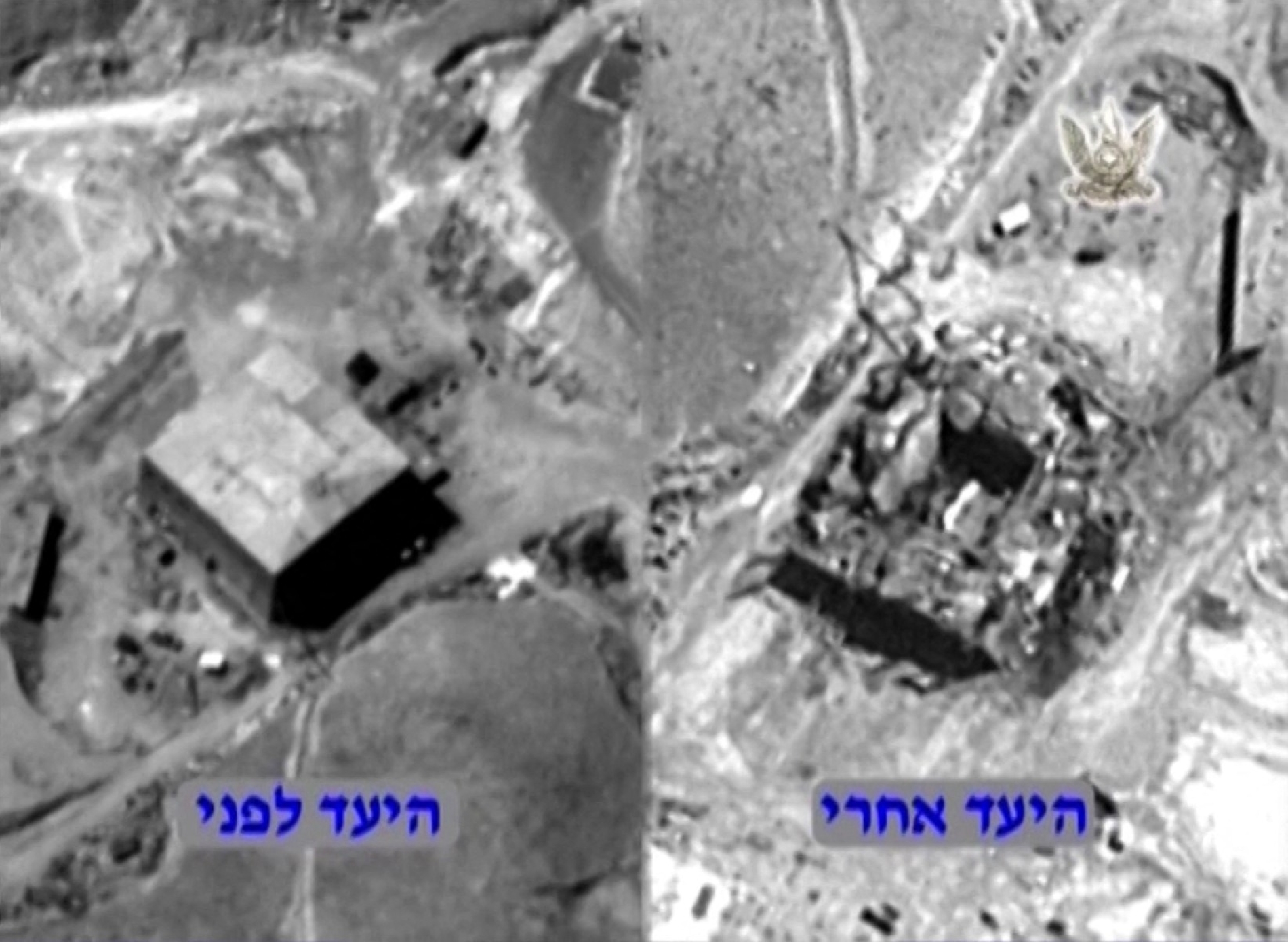
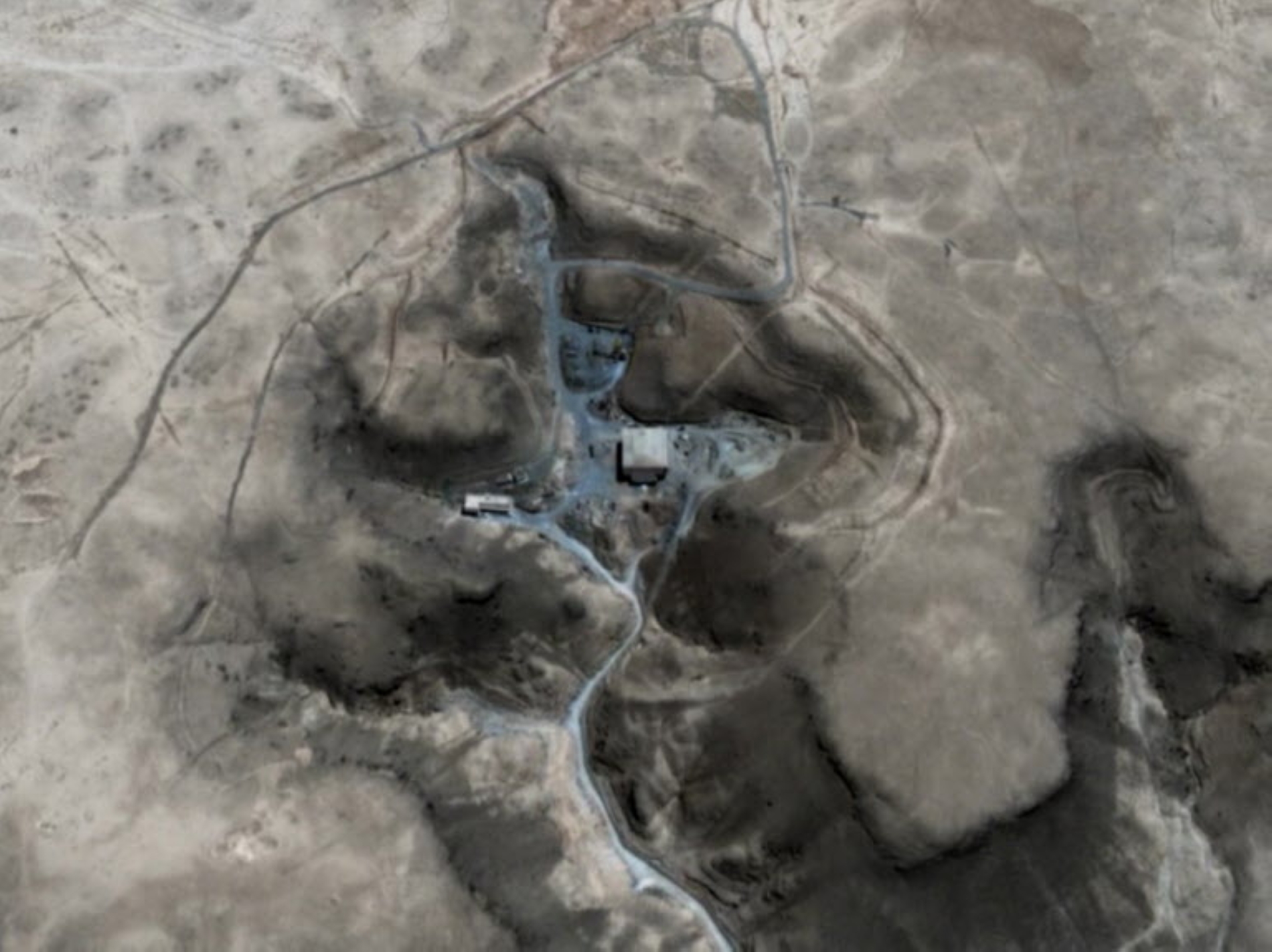
On 6 September 2007, Israel bombed the Al-Kibar site in north-eastern Syria, where a nuclear reactor was later confirmed to have been under construction. Five months later, on 12 February 2008, Hezbollah commander Imad Mughniyeh was killed when a car bomb exploded in Damascus as he walked by. Six months after that, on 1 August 2008, an Israeli special forces sniper shot and killed Mohammed Suleiman as he sat with his family at the Golden Sands resort on the Syrian coast. Suleiman was a Syrian Brigadier General and Special Presidential Advisor for Arms Procurement and Strategic Weapons to President Bashar al-Assad.
Four years earlier, Syrian technicians were killed in an explosion in North Korea, whose own reactor design was later revealed to be the model template for the one at Al-Kibar. Fast forward a generation, and in August and September 2026, international atomic experts published reports referring to tonnes of “nuclear material” being found in Syria. These are all key milestones in the story of what may be called the “nuclear programme” of Syria’s former Assad regime.
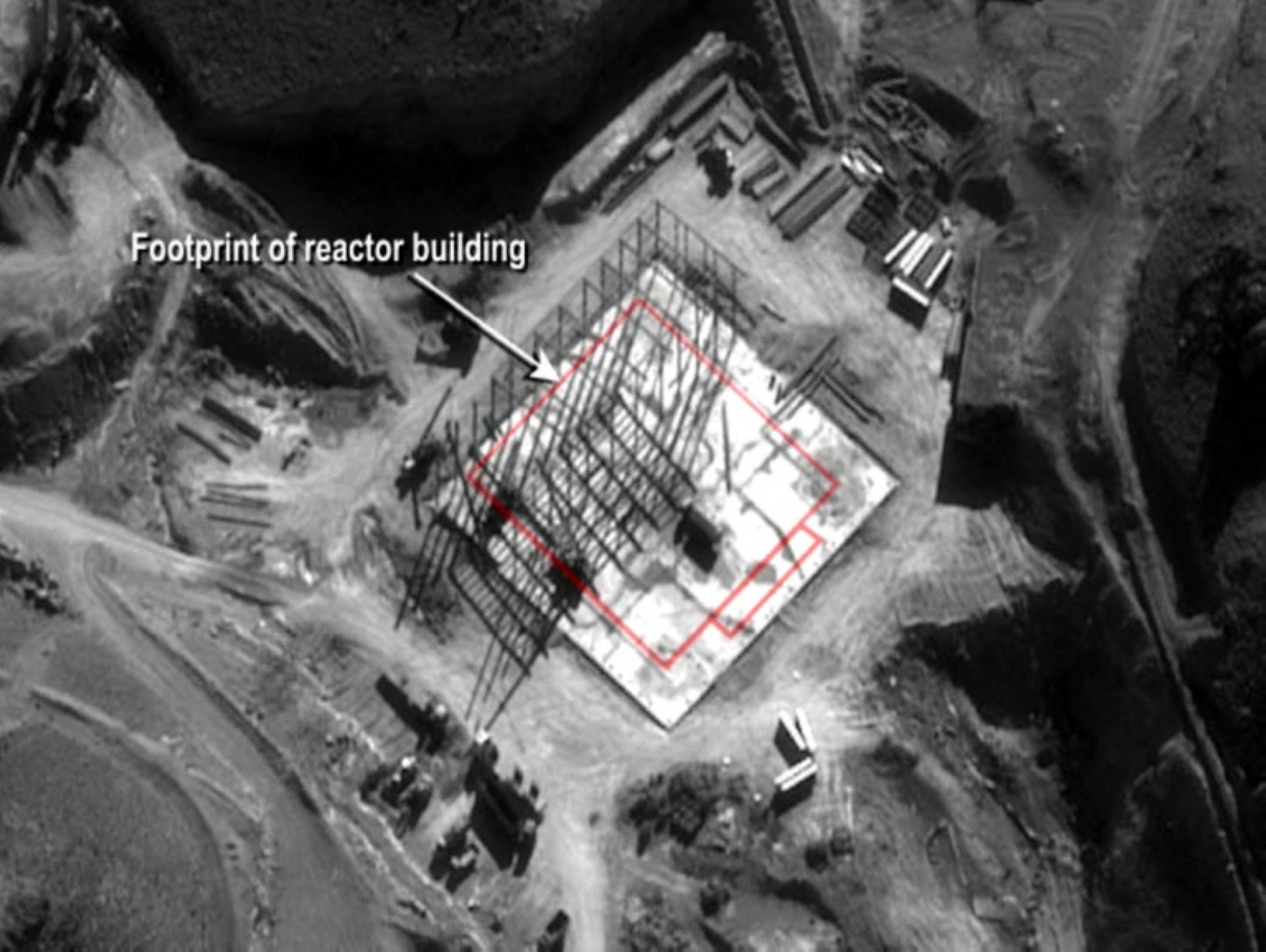
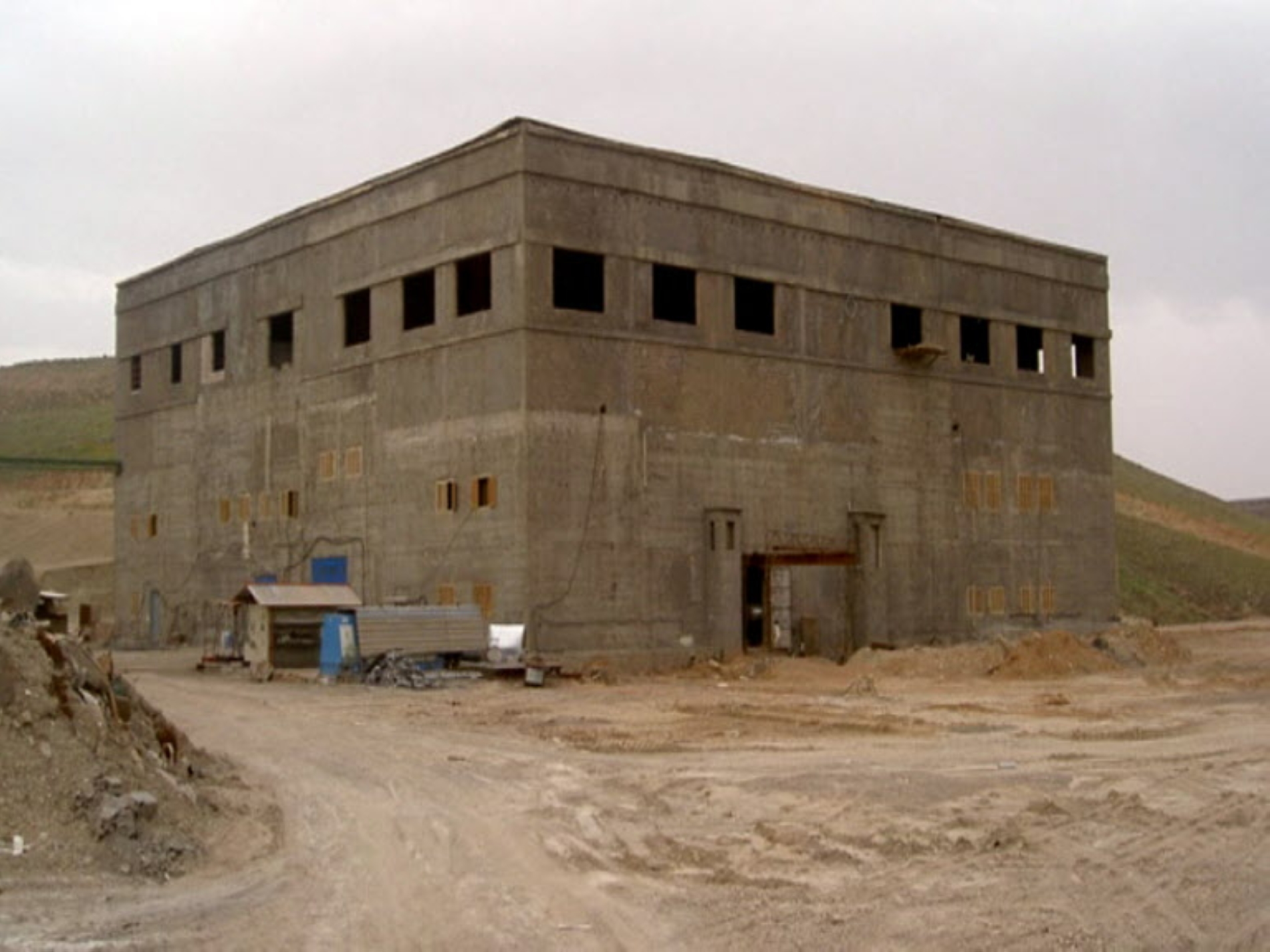
Its details have been reconstructed from private information, US documents, reports by the International Atomic Energy Agency (IAEA), news agencies, research centres, and publications by researchers, experts, and academics, as well as from Syrian and Israeli testimonies that have emerged in recent years. Today, 19 years after Israel destroyed the Al-Kibar facility near Deir ez-Zor, the familiar picture of Syria’s nuclear project has changed fundamentally. Investigations by the IAEA show that what had been concealed was not limited to the reactor building bombed by Israel in September 2007; it also included a fuel fabrication facility, a fuel store, other locations linked to the fuel cycle, and dozens of tonnes of natural uranium metal.
Scale revealed
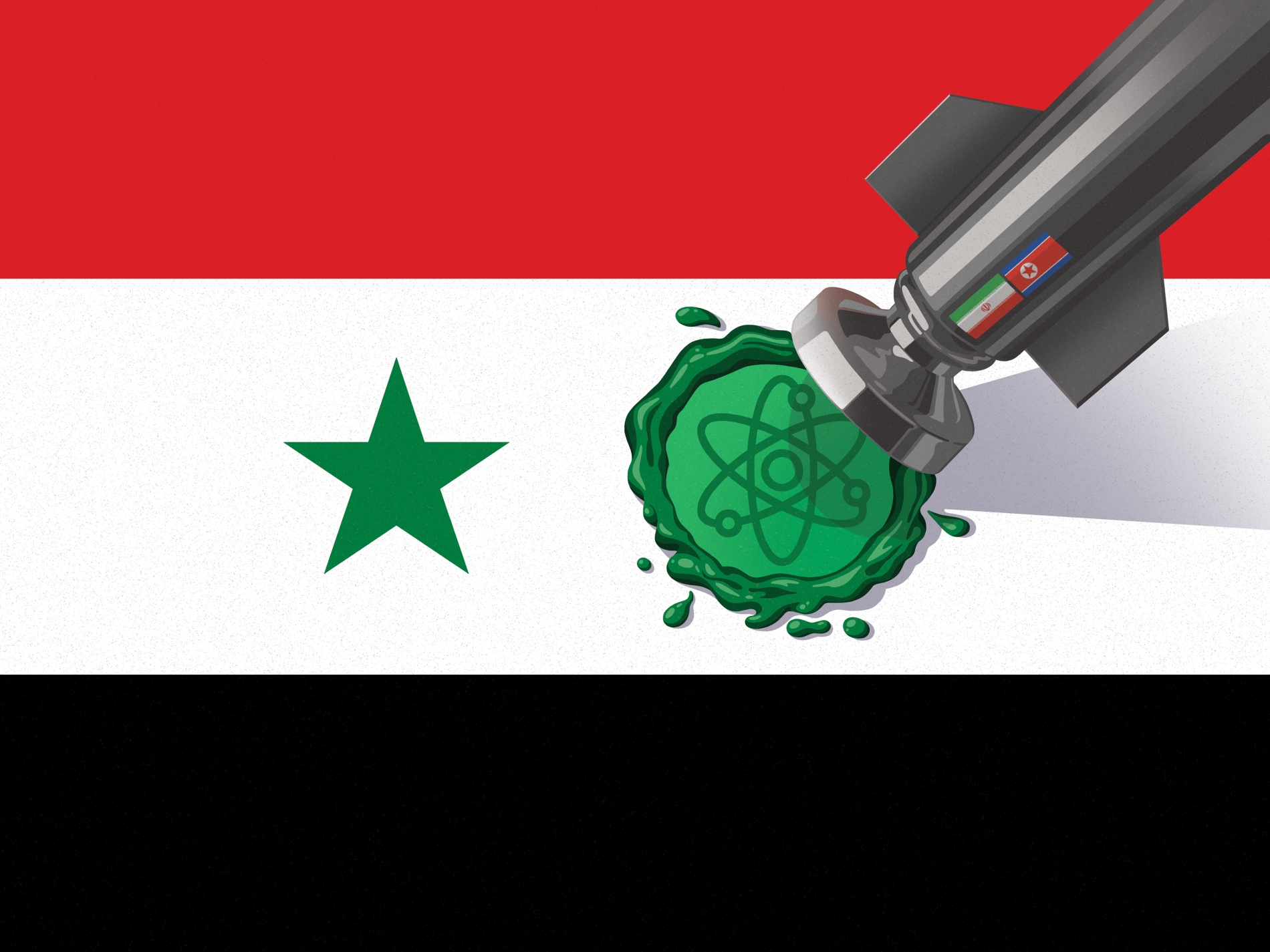
In a confidential report circulated to member states in Vienna on 1 September 2026 and reported by Reuters, the IAEA said the Assad regime had failed to declare nuclear material, facilities, and activities that should have been reported under its Safeguards Agreement. These included a nuclear reactor under construction in Deir ez-Zor, a fuel fabrication facility, the fuel store, and related nuclear material. The agency verified the presence of around 73 tonnes of natural uranium metal at a site linked to the programme, including around 55 tonnes in the form of fuel rods (the rest was uranium scrap and waste).
The IAEA has since placed all the material under containment and surveillance. The 73 tonnes in question were not enriched uranium, nor does its presence mean that Syria had material for use in a nuclear weapon. Rather, it indicates that the project went beyond just a reactor. The IAEA does not state that the Assad regime operated a fuel reprocessing facility or that it had separated plutonium, nor is there any public evidence that the Al-Kibar reactor had begun operating before it was bombed, but it did reveal that planned reprocessing activities formed part of the programme.
The question, therefore, extends beyond the one that has dominated discussion of the file since 2007. At the centre of the story is Brig. Gen. Mohammed Suleiman, one of Bashar al-Assad’s most elusive aides. US documents and published Israeli accounts place him at the nexus of strategic weapons programmes, military ties with North Korea, Iran, and Hezbollah.
Born in 1959 in the Duraykish area of Tartus, he studied mechanical engineering at Damascus University, then joined the military academy, and graduated as a captain in the engineering corps. He later served in the Republican Guard and became close to Basil al-Assad, who was the Syrian president’s heir. Following Basil’s death in 1994, Suleiman joined Bashar’s inner circle. He married a woman from Deir ez-Zor, and his wife’s sister married Adnan Mahmoud, the former information minister, head of the official news agency SANA, and Syrian ambassador to Iran. His mother-in-law was highly influential in Deir ez-Zor.
The mysterious aide
Mohammed Suleiman was neither a minister nor the head of a known security agency, nor did he appear at official events or speak to the media. On 4 January 2006, the US embassy in Damascus sent a confidential cable titled Applying Targeted Sanctions to Syria, identifying Suleiman as the “presidential advisor responsible for procurement”. It was later published by WikiLeaks. On 15 March 2007, the embassy sent another cable titled Treasury Team’s Damascus Consultations on Financial Sanctions, describing Suleiman as the “Syrian Special Presidential Advisor for Arms Procurement and Strategic Weapons”. It said his activities were “not widely known”, which made it difficult to sanction him.
The secrecy surrounding Suleiman’s role therefore posed an obstacle for the US, but after his assassination in August 2008, the Americans’ understanding became clearer. On 3 August 2008, two days after he was killed, the US embassy in Damascus sent a cable titled Assassination of Senior Assad Security Aide, in which it said that Suleiman enjoyed “special status and was close to Bashar”, and that he managed “special projects” for the president that may not have been known even to Syria’s senior military leaders.
Award-winning Israeli journalist Ronen Bergman offered one of the most detailed portraits of Mohammed Suleiman in his book Rise and Kill First: The Secret History of Israel’s Targeted Assassinations, whose American edition was published by Random House in New York on 30 January 2018. He wrote that Bashar al-Assad entrusted Suleiman with creating a body outside Syria’s formal defence establishment to oversee highly sensitive and secret files. Israel’s military intelligence uncovered it, later dubbing it “General Suleiman’s shadow army”.
Suleiman believed Syrian electronic communications were vulnerable to Israeli interception, so he ordered all sensitive messages and plans to be transmitted on paper in wax-sealed envelopes and carried by a network of trusted motorcycle couriers. Even senior Syrian military officials were kept in the dark. According to Bergman, Suleiman’s most closely guarded secret was the reactor under construction in Deir ez-Zor since the early 2000s. Syria had bought it from North Korea in a project financed by Iran. However, Bergman notes that Israeli and US intelligence disagreed over whether Iran knew that the funds it gave to Syria were being used to build the nuclear reactor.
North Korea and Iran
The strategic relationship between Damascus and Pyongyang did not begin with the reactor; it grew out of years of military cooperation in ballistic missiles, technology transfers, and technical expertise. In reports submitted to Congress, America’s Central Intelligence Agency said Syria’s liquid-fuel missile programme relied on critical foreign equipment and assistance, particularly from North Korea, and that with this support Damascus had developed domestic capabilities to manufacture several types of Scud missiles. This long history of cooperation is crucial to understanding how the relationship expanded into the nuclear field.
On 22 April 2004, a massive explosion rocked Ryongchon railway station in North Korea, near the Chinese border. Authorities said it was caused by an accident involving railway wagons carrying hazardous materials, but media reports noted that around 12 Syrian technicians had been killed in the explosion and linked their presence to a military or missile shipment being prepared for transport to Syria.
In Washington on 24 April 2008, President George W. Bush’s team gave a briefing in which they said they suspected nuclear cooperation between Syria and North Korea for years but had not been sure about the nature of the Deir ez-Zor facility until a clearer intelligence picture developed over the course of 2007. According to the briefing, the Syrian facility was a gas-cooled, graphite-moderated reactor similar to North Korea’s Yongbyon reactor. It was nearing operational capability when Israel destroyed it. On 25 April 2008, an American diplomatic cable said the US had “strong evidence” that North Korea had helped Syria build the reactor.