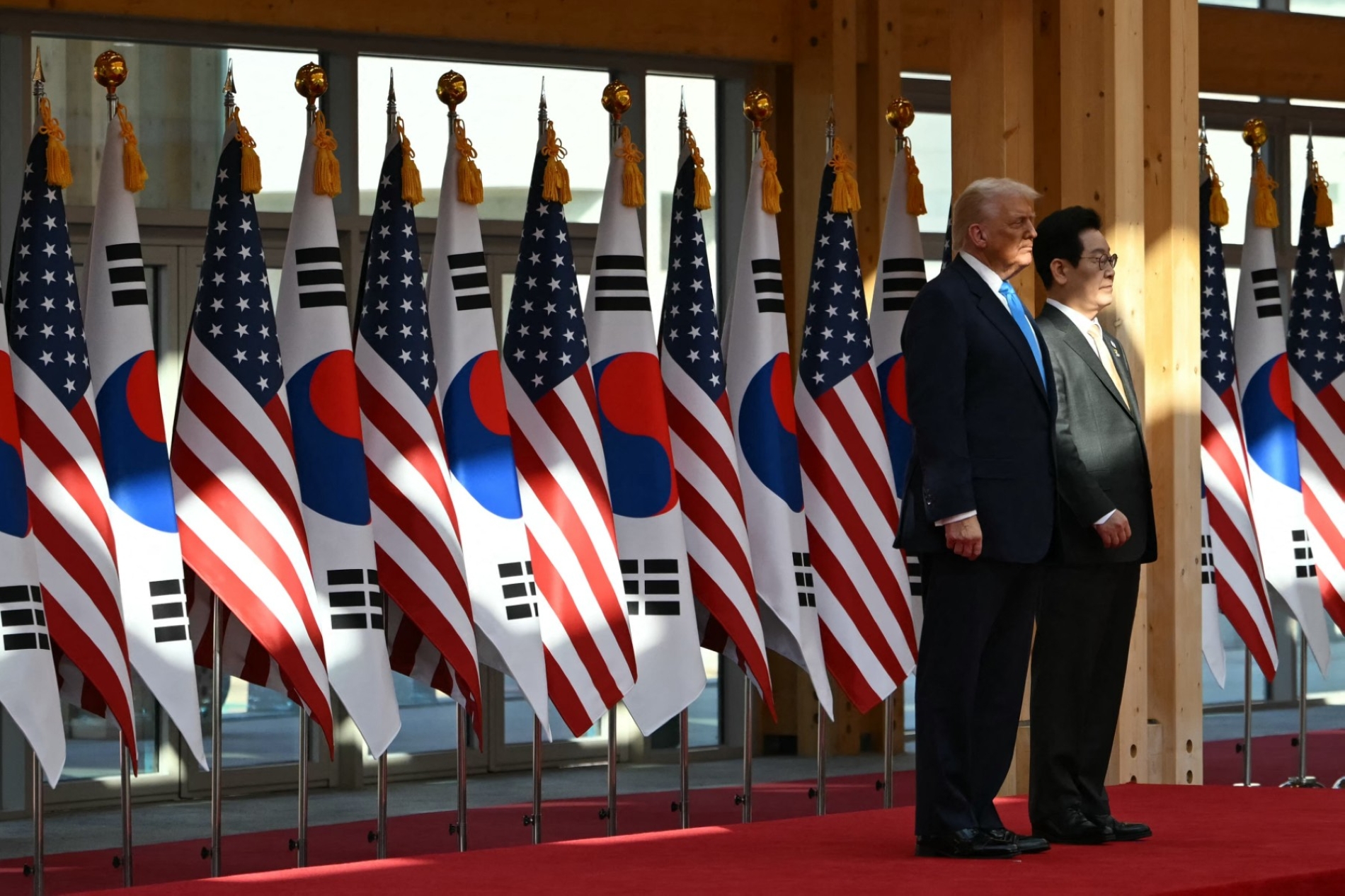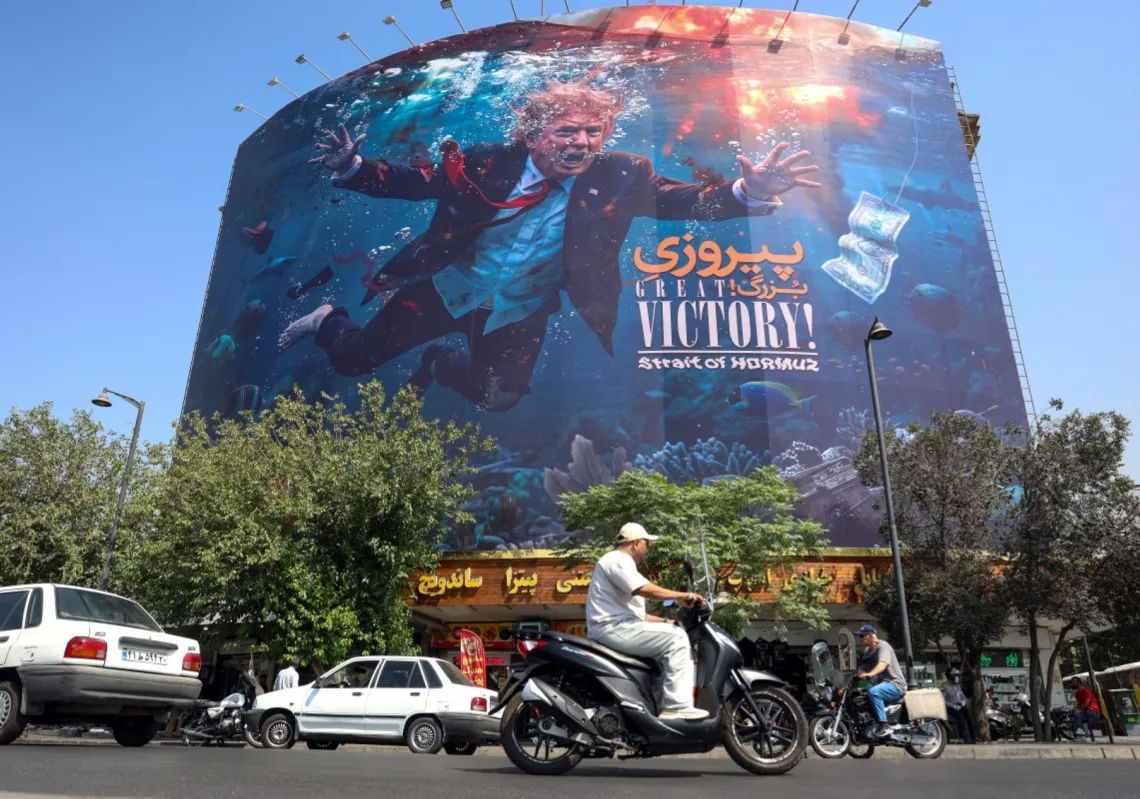

Ulchi Freedom Shield—an annual combined military exercise held by the US and South Korea against the threat from North Korea—was abruptly scaled back by Washington just before it began in August. President Donald Trump ordered the drills to be cut from 11 days to 5, citing costs, his desire to improve ties with North Korean dictator Kim Jong-Un, and South Korea’s unwillingness to support his war against Iran.
The decision alarmed many of America's East Asian allies, who worry not only about the ease with which Trump appears willing to discard obligations to democratic partners, but also that their stances on the Iran war are further fraying ties with Washington. But the Korean case is no anomaly. Other US allies, in NATO and Asia, have faced repeated criticism from Trump for not supporting his protracted conflict against Iran, and it appears to have exacerbated tensions that were already showing signs of strain.
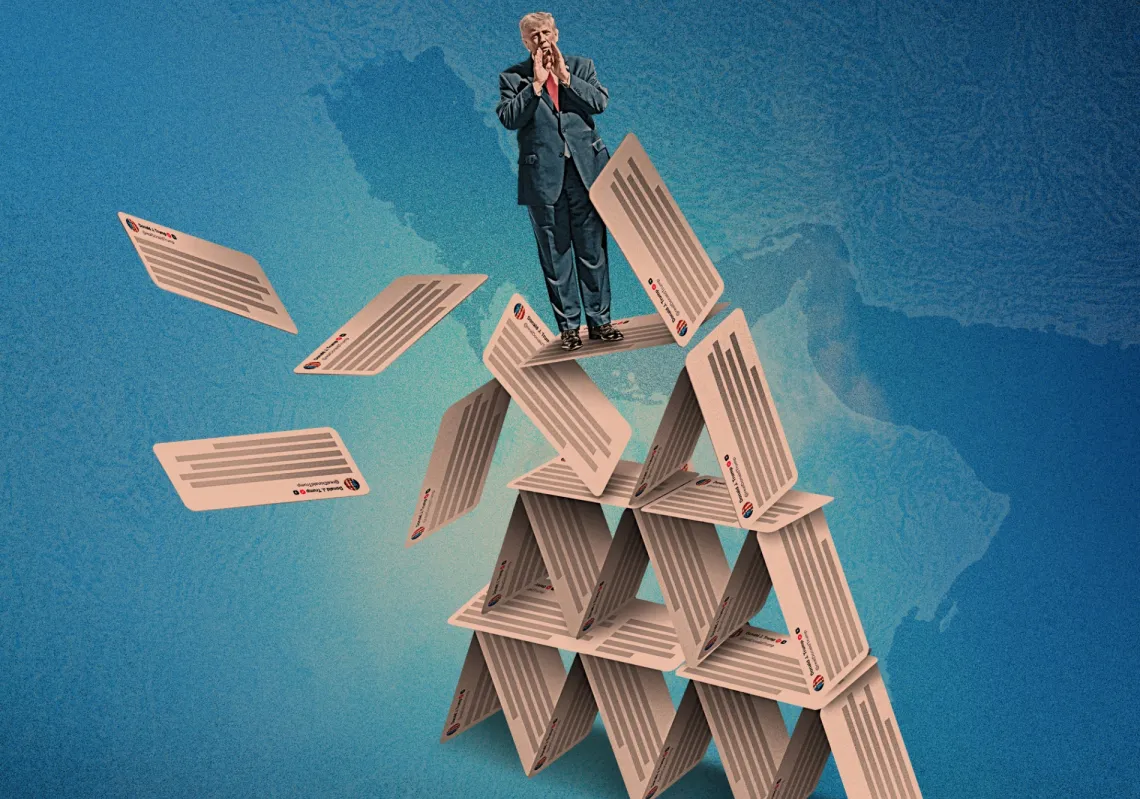
Though Trump has complained that America’s allies have given too little support for his war in Iran, he launched the conflict during a time of significant fissures in the relationships. In Trump’s first year back in office, Washington’s Western allies were shocked at the extent of hostility coming from the White House. Canada was immediately confronted with a trade war and implied threats of annexation; most EU goods faced a 15% tariff, while the UK faced a 10% baseline tariff.
Even so, in the early months of the administration, most NATO leaders tried to court Trump as much as possible, accepting a degree of economic hardship in recognition of how much they still depended on US security, especially on the key front of Ukraine.
But Washington’s continued belligerence made that strategy hard to sustain. In December, the new National Security Strategy (NSS) claimed Europe was facing “civilisational erasure” and urged support for right-wing populists like Hungary’s Viktor Orban, whom most EU leaders saw as a threat to the Union. This was followed by Trump stepping up his campaign to acquire Greenland from Denmark, threatening European states that supported Copenhagen with tariffs.
PRESIDENT TRUMP on his DISAPPOINTMENT with NATO: We help them, but they’ll never help us. pic.twitter.com/oitDOCzRD6
— Department of State (@StateDept) March 27, 2026
Soon afterwards at Davos he insisted the US had “never gotten anything” from NATO, even later suggesting Washington’s allies had not fought well in Afghanistan. This prompted outrage from NATO allies, with the UK, France, Germany, the Netherlands, Sweden, Norway and Finland all publicly backing Denmark in the Greenland dispute, and even right-wing populists like France’s Jordan Bardella describing Trump’s actions as “coercion.”
The situation among Asian allies was similarly tense on the eve of the US and Israel’s attacks on Iran. Despite key administration figures like Pete Hegseth insisting US commitment to the region was a top US priority in 2025, and seeing the threat from China as “real” and “imminent”, key Asian players like Japan, South Korea and Taiwan worried that Washington was less committed to the region than in the past.
Joshua Kurlantzick of the Council on Foreign Relations, for example, noted how Trump’s NSS focused heavily on the Western hemisphere, and did not mention China until page 19 of a 29-page document. Both South Korea and Japan, meanwhile, have been slapped with 15% tariffs. Seoul especially has been concerned.
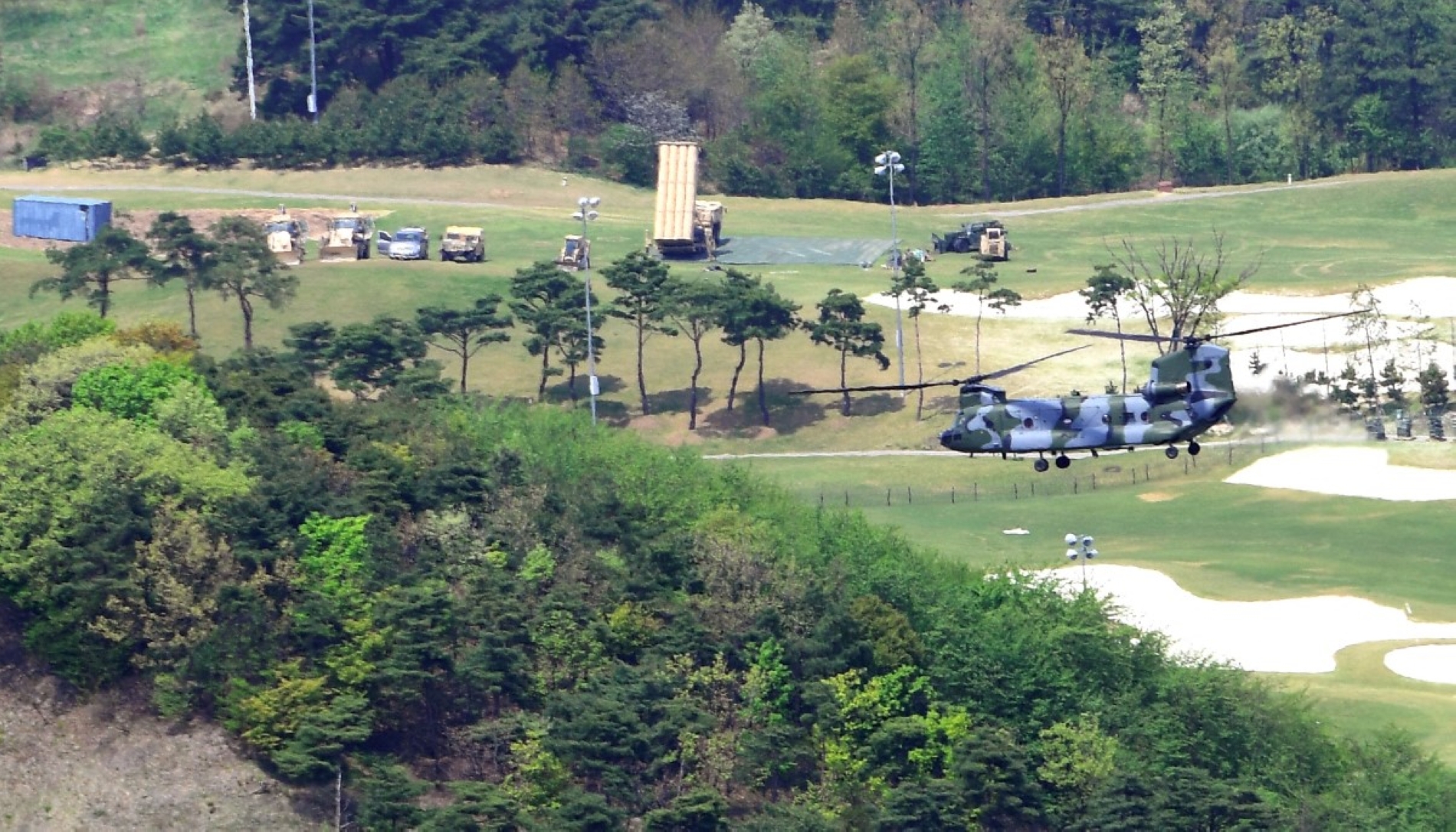
During Trump’s first term in office, he pursued personal diplomacy with Kim Jong-Un, excluding South Korea from negotiations. Even in 2026, when he reduced the Ulchi Freedom Shield, he commented on his “very good relationship with Kim Jong Un,” much to Seoul’s chagrin. Trump has similarly questioned the value of the 28,500 US troops stationed in South Korea. He redeployed forces from the peninsula to the Middle East on the eve of his attack on Iran. After the conflict began in March, Patriot assets and THAAD interceptors were then transferred from South Korea to the Middle East, much to Seoul’s alarm.
Wartime worries
The war has only worsened ties. Japan declined to send naval forces, while South Korea resisted Trump's requests for greater involvement, frustrating the White House. On 16 March, Trump said he thought the two, alongside China, “should be thanking” the US for the strikes in Iran, and was “surprised” they were not keen to send warships to the Strait of Hormuz. More recently, in the Truth Social post explaining his decision to reduce Ulchi Freedom Shield, Trump noted that it was “somewhat unrelated” and that he, "recently asked the President of South Korea if they would like to join us in the Denuclearisation of the Islamic Republic of Iran, and they said, ‘No thanks’!”
Such language echoes his criticism of Western allies, whom Trump insulted over their differences with him on Iran. Despite being previously close, Trump labelled then UK Prime Minister Keir Starmer “not Winston Churchill” for not backing the war. Spain was called “a wasted cause” for its stance, and the idea of cutting all trade with the country was mooted. Even former ally Giorgia Meloni, Italy’s Prime Minister, came under fire, while Trump described NATO allies’ refusal to assist over Iran as a ‘very foolish mistake’.”