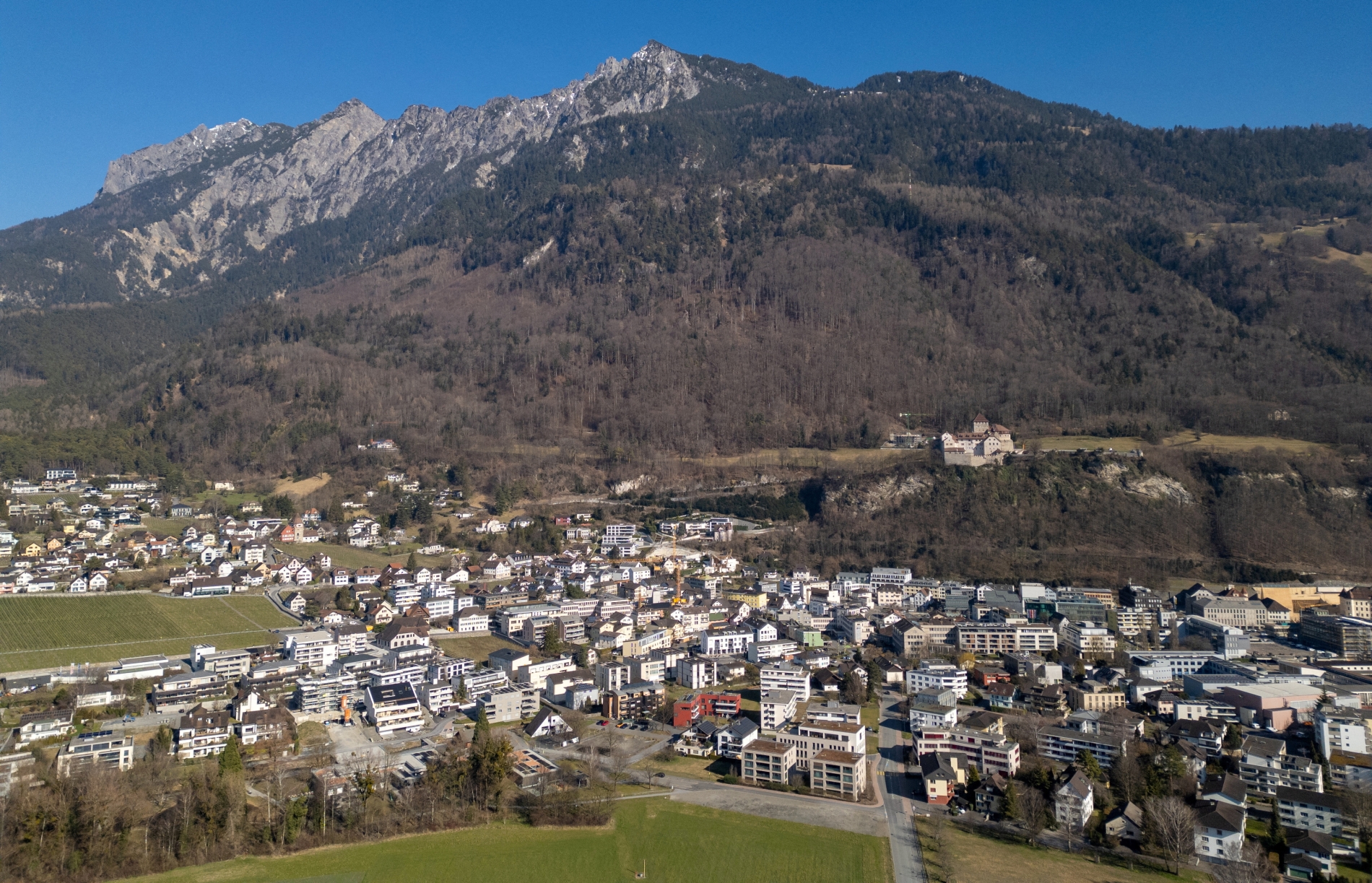

From a small European principality nestled between Switzerland and Austria, with a population of just over 40,000, Liechtenstein has become a vast narrative space in the works of writer Mathias Ospelt—one of the most prominent literary voices to emerge from Vaduz, the principality's capital. Born in 1963, Ospelt studied German and English literature at the prestigious University of Freiburg before embarking on a career encompassing novels, plays, political satire, and translation.
Since the 1990s, Ospelt has contributed significantly to shaping his country's cultural landscape through both his literary works and his institutional activism. He heads PEN International and has been involved in organising the Liechtenstein Literature Days since 1996.
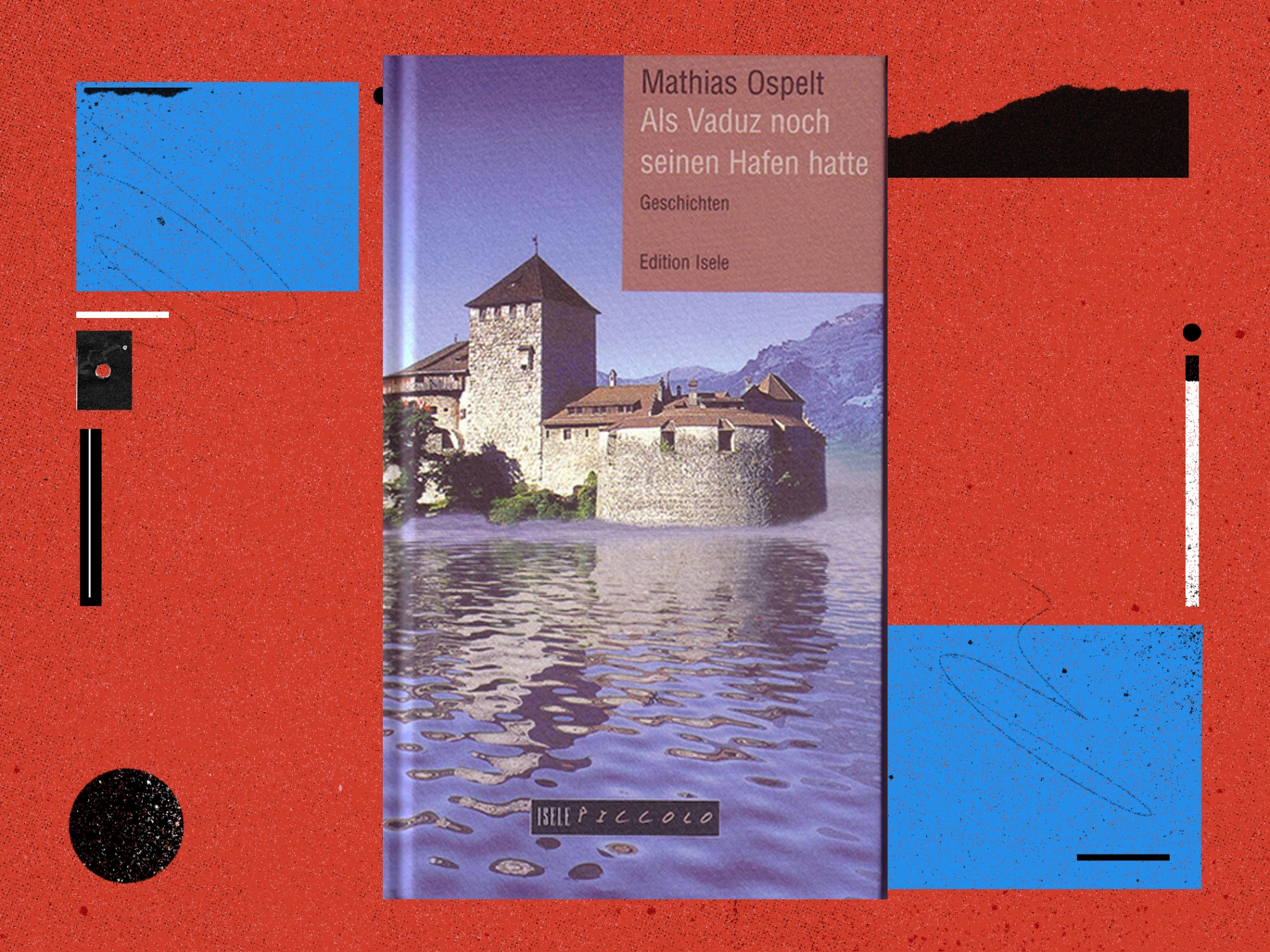
In his short story collection Paths. Twists, Ospelt transforms the geography of his tiny country into a rich fictional world, blending myth, everyday reality, history, and crime, striving to present characters and stories that reflect the details of life and local identity in a country that has often remained absent from the global literary map.
His novel Ebaholz was shortlisted for the 2026 European Union Prize for Literature. In it, he revisits the true story of the 1956 kidnapping of a child from a wealthy family in Vaduz, an incident that shook the small Liechtenstein community and exposed the contradictions beneath its outward appearance of social cohesion.
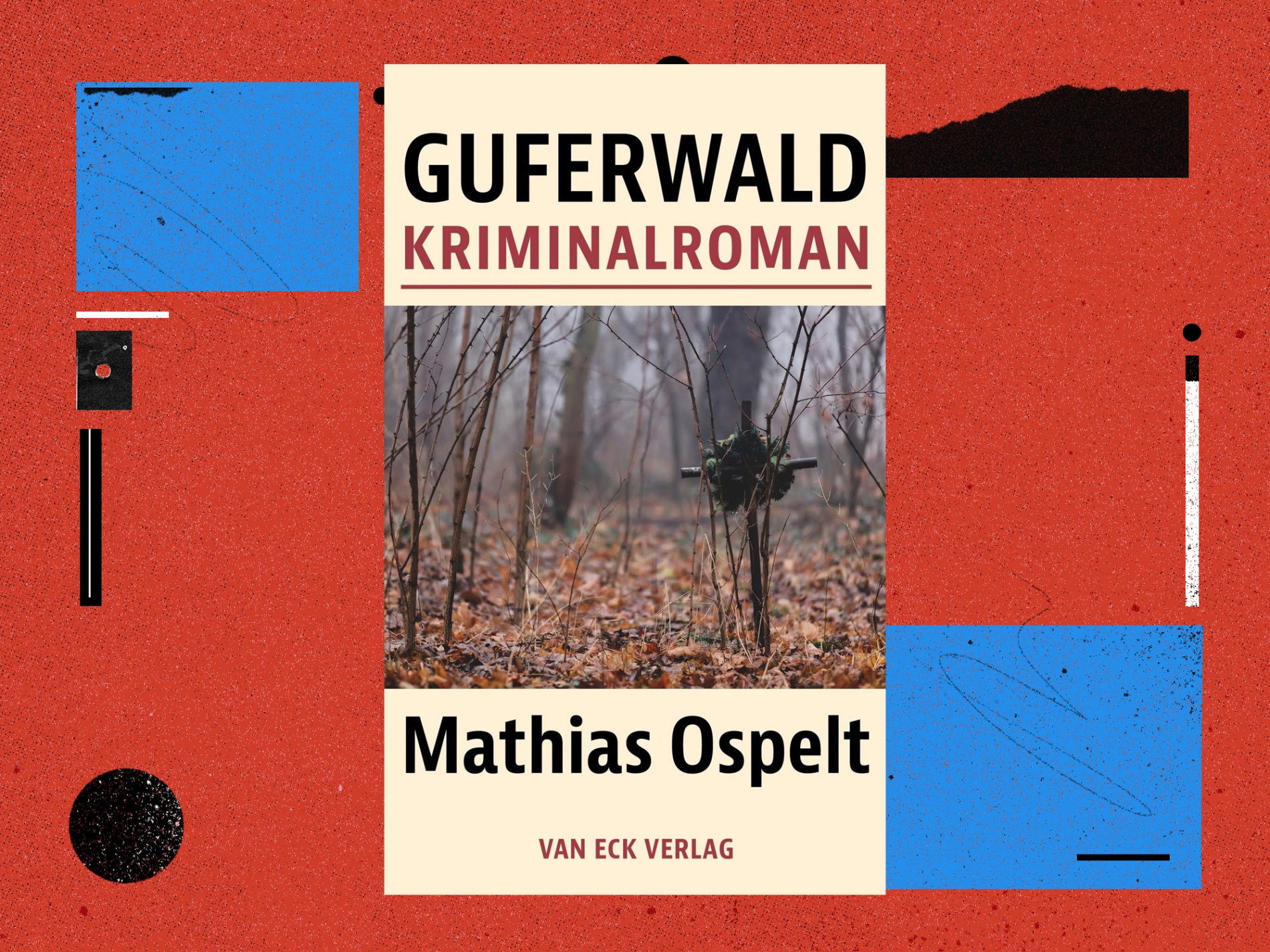
His latest novel, Guferwald: Kriminalroman, continues his exploration of mysterious cases inspired by real events. It begins with the 1974 death of an unidentified woman, a case whose mystery remains unsolved to this day. Here is his conversation with Al Majalla.
You previously mentioned that growing up in an open family environment in Vaduz influenced your creative development. To what extent do you consider spatial memory and ancient oral stories to be one of the most important driving forces behind your creative work?
European mythology and ancient oral stories from Liechtenstein (so-called Sagen) were very important in my early writing. For a while, I even tried to write new fake ancient oral stories based on real stories that happened nowadays to see whether those new Sagen could also make their way into contemporary folklore. Results are not in yet. The idea behind this was to play with people's imagination and their understanding of history. Now I only use examples of those old stories when I see a link between what happened, let’s say, 300 years ago and what is happening now. Sometimes there are interesting parallels.
I don’t use spatial memory knowingly. But in my new work, the crime novels around Peter Kaiser, I rely a lot on my own memory in general. It’s almost biographical writing, except I spread my biography across several protagonists. Apart from researching facts in newspapers, books, and on the internet, my memory is a key source and tool for what I am writing now.
How can a writer create a modern legend from the everyday, private, and criminal details of a small community, without falling into the trap of directness and documentation?
I don’t really mind falling into a trap. Traps are everywhere anyway. And sometimes they help to a better understanding. It is my understanding that the world moves in repeating circles. Despite all the technical progress we have gained, in many ways people stay still “un-progressed”. Otherwise, there wouldn’t be any wars or injustices anymore. Therefore, creating a modern legend follows the same creative path as all the ancient legends before. All it takes is a good story. And they repeat themselves.
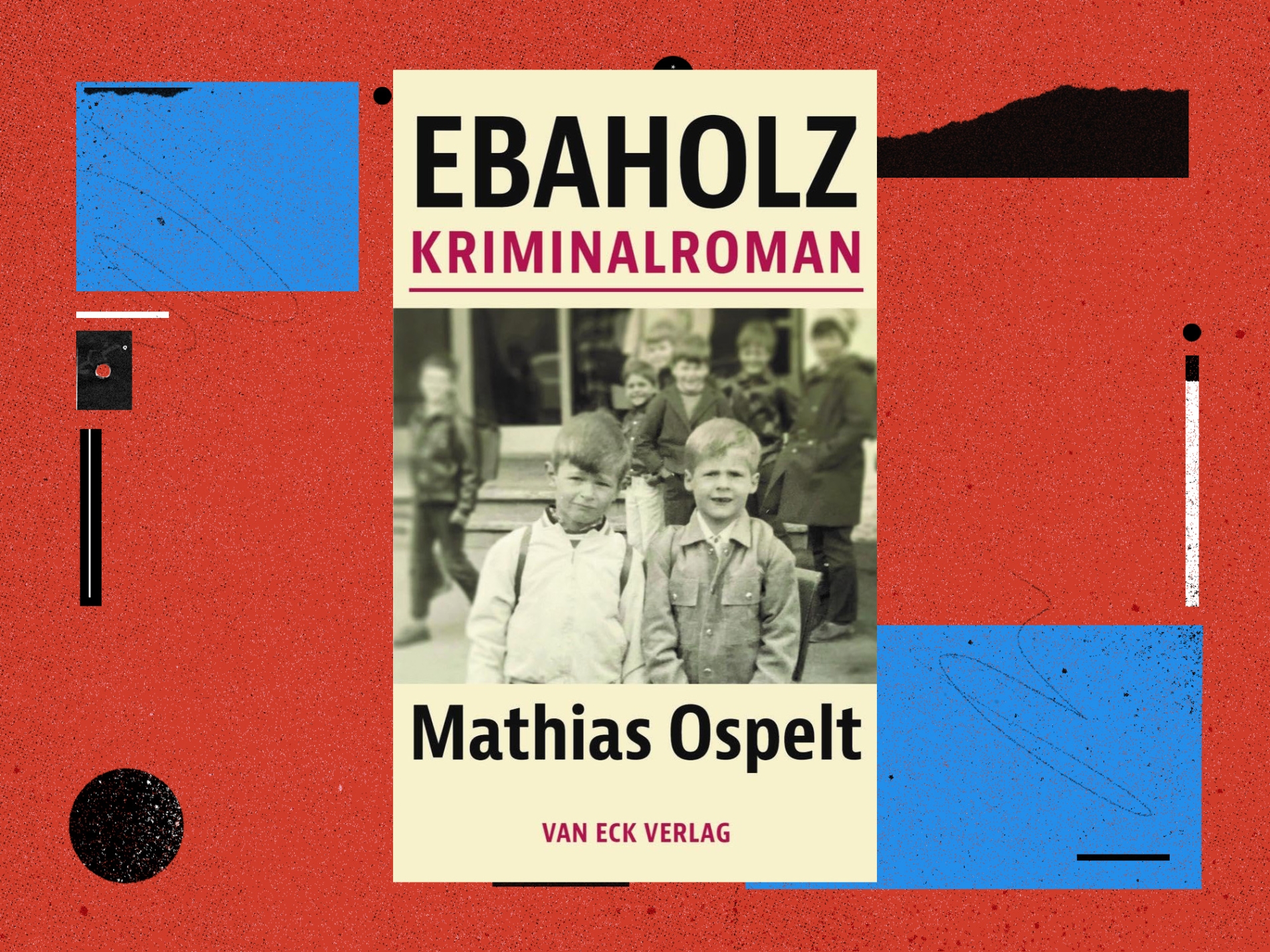
You alternate between Standard German and the local Vaduz dialect in your writing. You even translated the magazine Tin Tin into the vernacular, while choosing Standard German for your novel Ebaholz. What determines your choice of language for each text? Are there feelings and ideas that can only be expressed in the vernacular?
The magic word for me is “authenticity”. It annoys me when I hear a dialogue or read a text where people don’t speak in the way they’d speak in normal life. This annoyance is limited to contemporary writing, of course. I don’t mind the artificial language of Shakespeare and co. That was the way plays were written at the time. But now we have writers who intend to portray “real life”, but the language of the protagonists is far from reality. So, whenever I think a word or a sentence in dialect tells something authentic about the person speaking, I’ll use it. But very often the vernacular has its limits as well. In our dialect, for example, the expression “I love you” doesn’t exist. It’s “I like you very much”.
You were a neighbour of the child who was kidnapped in Vaduz in 1965. When and why did you feel the time was right to write about an incident that the entire country had remained silent about for decades?
A few years ago, while I was researching newspapers for a local genealogical project, I found an article about the kidnapped boy who happened to be my neighbour (I was a year and a half old when the kidnapping happened). I was intrigued by the story because I had never heard about that case, and so I asked my mum about it, and she gave me the first details about what had happened 55 years ago. Then Corona came, and I made this story my Corona project: a short story. I gave myself a year to write it. While working on the text, I realised that there was much more to the story, so I decided to turn the short story into a novel. This was challenging, but it worked.
The motivation to write the story/novel in the first place is a literature project I’ve had in mind for years, but I’d never found the time to put it to paper. I must thank Corona for the free time it gave me to start the project, and now it’s rolling.
Your new novel project is based on writing a detective novel about each decade you have lived through yourself, starting from the 1960s. From your point of view, which decade do you feel will be the most difficult to write about?
I think the closer I get to the time I’m living in now, the harder it will be to write about it. Writing about decades that happened 50 or 60 years ago seems easier because people don’t remember those years so well. Now we live in a time of experts. Everybody knows everything. There is less space for literary speculation and personal experience.
Do you think that crime fiction today offers writers a refuge to redefine the concept of justice, away from the chaos and apathy of the real world?
I really don’t know. I don’t know what crime novels offer writers, because there are so many different styles, but novels definitely offer readers an escape. An escape into a world where revenge and punishment still matter. Something you don’t experience a lot these days. You don’t experience it in my first book either because I wanted the reader to build his or her own conclusion about what happened.