
Katrina Poladjan is a German writer of Russian and Armenian descent. Born in Moscow in 1971, she moved to Germany as a child and has since become one of the most prominent literary voices in the contemporary German cultural landscape. She studied cultural studies and the performing arts, launching her literary career with a novel that garnered widespread critical acclaim; in her work, she skillfully blends individual and collective memory, evoking history and identity through a rich, poetic language.
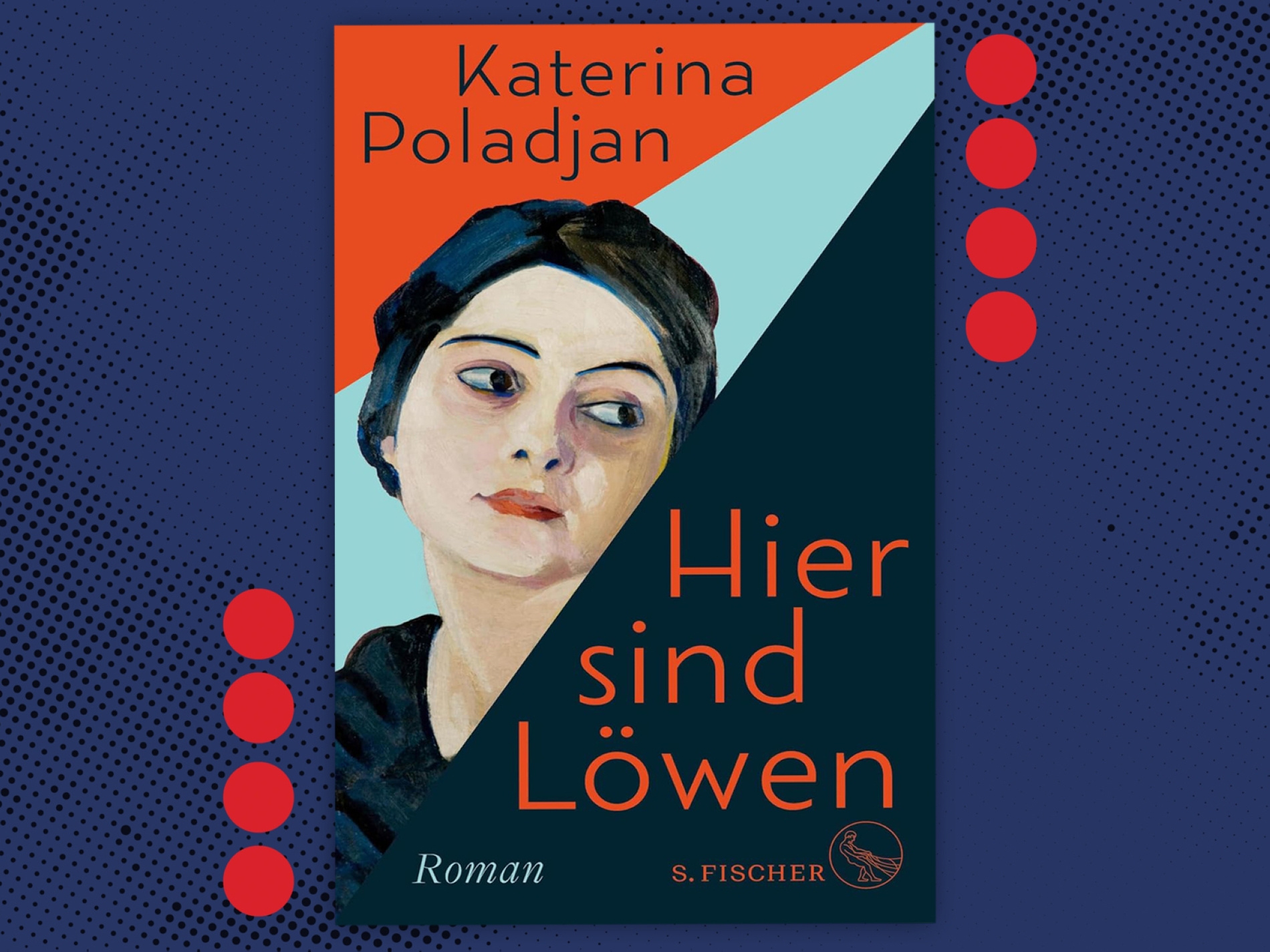
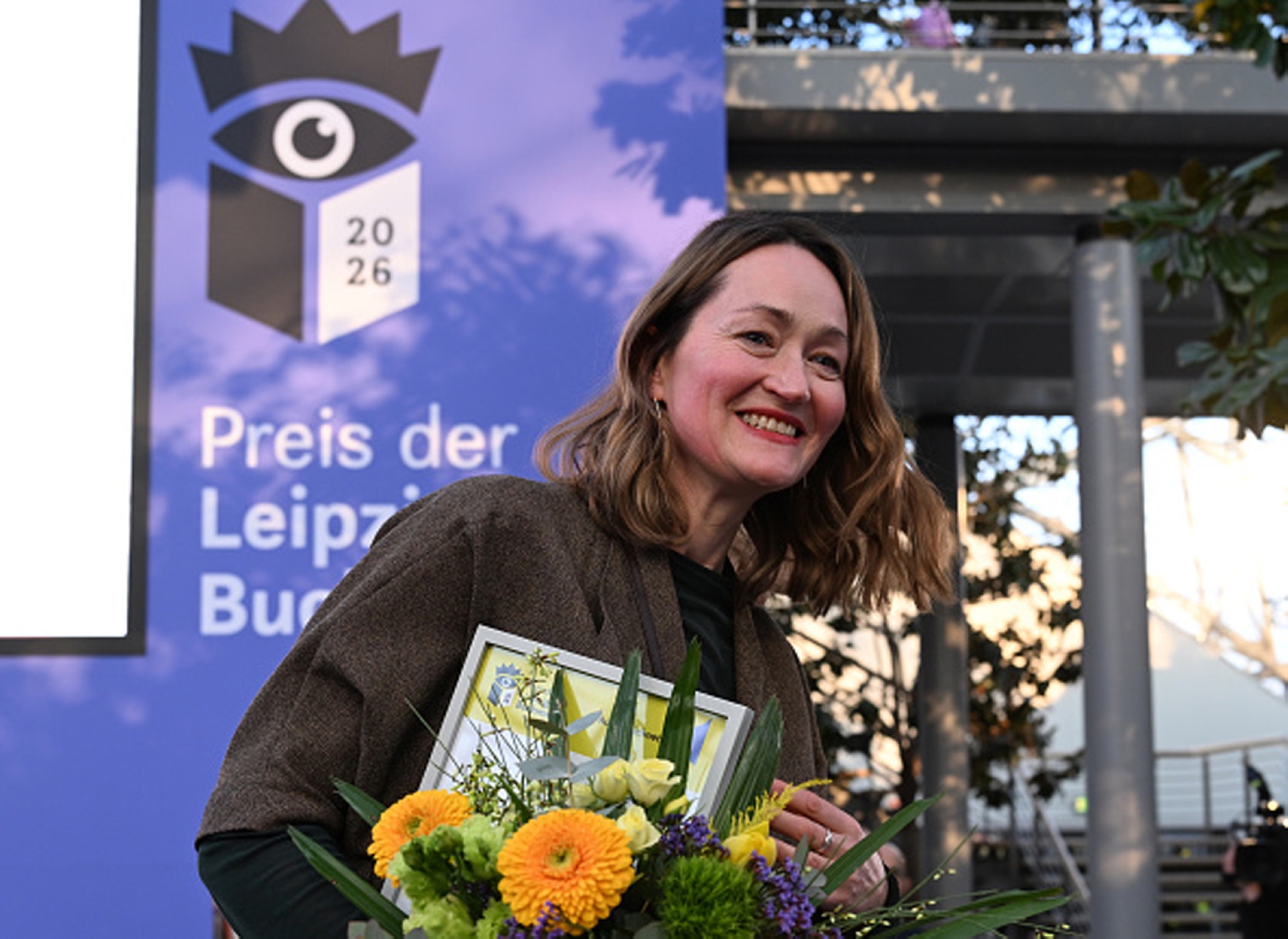
Among her most notable works is Here are the Lions, which explored themes of memory and identity within a painful historical context, followed by her 2022 novel Music of the Future, which was shortlisted for the Leipzig Book Fair Prize. She also received critical acclaim for her 2025 novel The Golden Beach (*Der goldene Strand*), which won the Leipzig Book Fair Prize in the fiction category.
In this conversation, Katarina shares insights into her creative world. She explains how she has transformed storytelling into a space for reflecting on history and memory, crafting texts that transcend the boundaries of time and place to reach readers wherever they may be.
Your grandfather was a survivor of the Armenian Genocide, and your novel Hier sind Löwen carries the profound weight of this heritage. How do you carry this memory yourself? Do you consider writing about genocide more as a literary responsibility or as an act of personal mourning?
I certainly feel a sense of literary responsibility. My personal journey into my grandfather’s story was an odyssey; I felt a little like Odysseus, who, at the end of his wanderings, returns to Ithaca and no longer recognises the land of his origin. In Homer’s words, he cries out in a plaintive voice: “Alas! To what people have I now returned?”
We all come from somewhere and are going somewhere, and along the way, we ask ourselves who we actually are and what it means to come from somewhere.