More than half a century ago, a decision to reduce oil production and suspend exports was enough to throw industrialised economies into disarray and redistribute power and wealth between producers and consumers. Today, however, the tap alone no longer determines the oil barrel's fate. The field may be operating, the storage tank full and the buyer ready to pay, but the oil also needs a safe strait, an alternative pipeline, a port capable of loading it, an insured tanker and a refinery that can operate without interruption.
This is the fundamental difference between the crises of 1973 and 2026. In 1973, Arab producers took a political decision to reduce supplies. In 2026, Gulf states are working to keep them flowing in the face of an ongoing US-Iran war, which has led to shipping disruptions and attacks on critical infrastructure and transport routes.
The International Energy Agency has noted the current maritime disruption as the largest in oil market history in terms of daily losses. At the height of the crisis, supply losses exceeded 14 million barrels a day, equivalent to around 13.6% of projected global demand in 2026.
By comparison, losses from the Arab oil embargo of 1973-74 amounted to around 4.5 million barrels a day in the targeted countries. At its peak, the 2026 shock was therefore more than three times the size of the 1973 embargo in barrels lost each day.
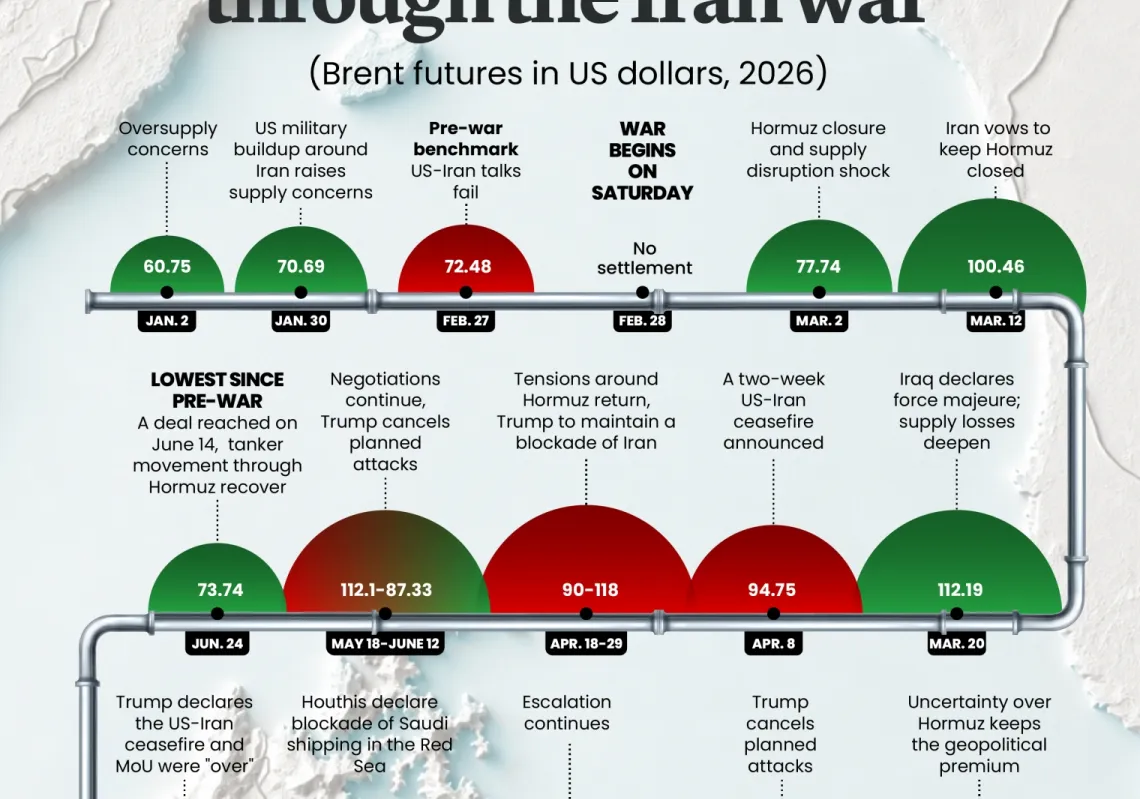
Prices, however, did not rise by the same proportion. In 1973, oil climbed from around $2.90 a barrel before the embargo to $11.65 in January 1974, almost quadrupling. Meanwhile, during the current crisis, Brent rose from $72.48 on the eve of the war to a peak above $126 in April, up nearly 74%. It fell whenever political tensions eased, then rose again with each military escalation. On 22 September, it traded near $100 a barrel, around 38% above its pre-war level, after a recovery in Saudi exports helped ease prices.
This does not mean today’s shock is less dangerous; rather, the world can absorb it better because of strategic oil reserves, production capacity outside the Middle East, and economies that consume less oil relative to their output. Gulf producers have also demonstrated an ability to rapidly reroute oil flows.
In reality, today's price hikes are because insurance, ship-to-ship transfers, diesel, jet fuel, gas, and fertiliser costs are rising, not oil prices themselves. So even if crude prices fall, energy and transport costs remain high.
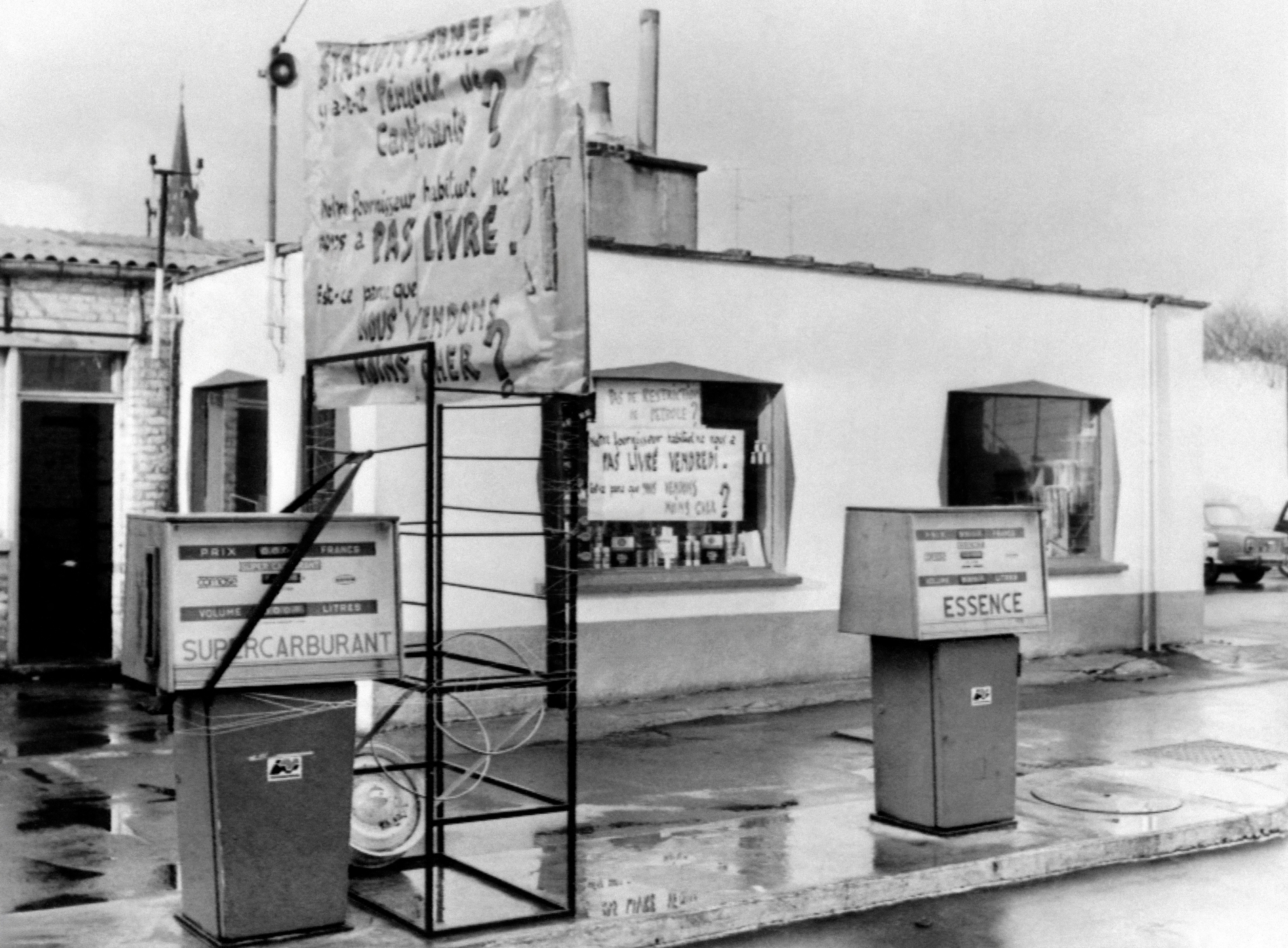
Gas pumps at a supermarket in Lomme, near Lille, were closed on 30 November 1973, due to a supply shortage during the 1973 oil crisis.
Using their leverage
On 17 October 1973, Arab oil-exporting states decided to cut production by 5%, followed by further monthly reductions in what became known as the 1973 oil crisis. It was intended as retaliation for US support for Israel during the 1967 war, which resulted in the latter's occupation of the West Bank, East Jerusalem and the Gaza Strip. The embargo remained in place against Washington until March 1974.
The embargo was not, however, the sole cause of the price explosion. The market was already extremely tight before the war, with spare production capacity of only around 1%. The United States imported more than a third of its requirements after its domestic fields had lost their ability to raise output rapidly. At the same time, the influence of the major Western oil companies was waning, while the weakening dollar and the collapse of the Bretton Woods system deepened disputes over prices and revenues.
The embargo therefore struck a market that was already primed to ignite. Its impact went far beyond the volumes actually withheld, as poor information, competition for cargoes and fear of further cuts amplified both anxiety and prices.
Today's price hikes are because insurance, ship-to-ship transfers, diesel, jet fuel, gas, and fertiliser costs are rising, not oil prices themselves
The 1973 crisis transformed Arab producers' position in the global economy. They were no longer just collecting fees and taxes from foreign companies that extracted their resources. They gained growing influence over production, pricing and ownership of the oil industry. Higher prices generated large revenue inflows for the Gulf states, Iraq, Libya and Algeria. These funds helped finance roads, ports, airports, power stations, schools and hospitals, as well as urban expansion, housing schemes and public services. The transfer of full or partial ownership of the oil industry to national governments also accelerated.
The effects extended to non-oil-producing Arab countries. Gulf development projects generated strong demand for labour, prompting millions of workers from Egypt, Jordan, Lebanon, Syria, Yemen, Sudan and the Maghreb to move to the Gulf. Their remittances, alongside Gulf aid and investment, became an important source of foreign currency and economic activity in their home countries.
However, the gains were not distributed evenly. Arab oil importers faced higher energy, transport and food bills, while producing countries had to absorb rapidly expanding revenues and import more goods, labour and services. The broader outcome was nevertheless clear: oil gave Arab states greater power to determine the terms on which their resources were exploited and enabled them to launch a far-reaching process of economic and social modernisation.
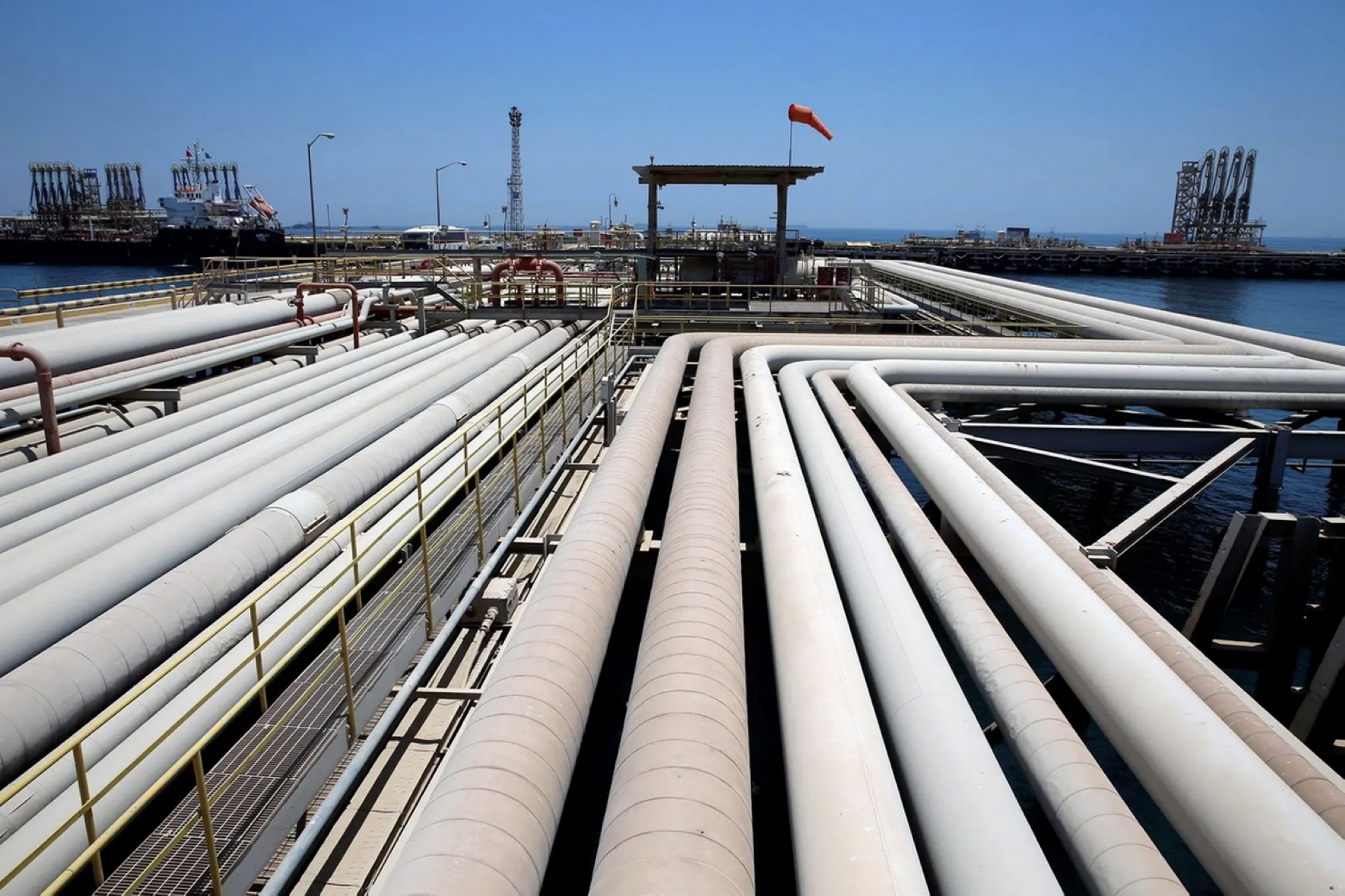
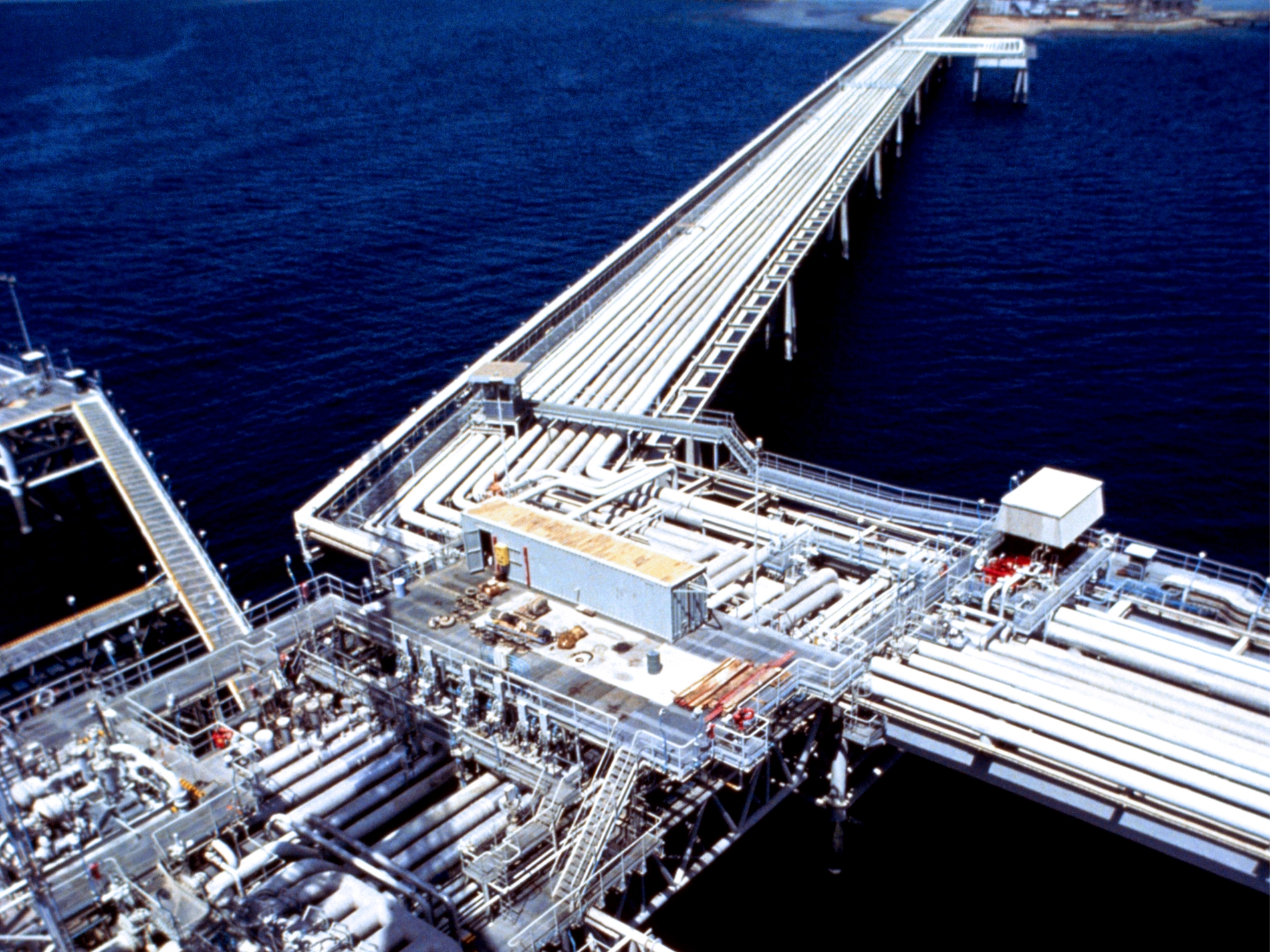
Saudi Aramco's Ras Tanura oil refinery and terminal.
Demonstrated resilience
In the current crisis, a producer's standing is no longer measured solely by the size of its reserves or its production capacity, but also by the resilience of its entire system. The producers best equipped to respond are those that combine oilfields, storage facilities, refineries, pipelines and multiple ports, and can redirect cargoes when one route is disrupted.
Saudi Arabia offers a clear example. The pipeline running from the oilfields of the Eastern Province to the Red Sea port of Yanbu has been used to circumvent disruption in the Strait of Hormuz, carrying between four million and five million barrels a day during some periods. The pipeline has demonstrated the strategic value of long-term investment in diversifying export routes.
When attacks targeted several pumping stations in September, Saudi Aramco moved to redistribute shipments and increase loadings from Gulf ports, drawing on regional stocks and logistical arrangements. On 20 September, around 14 million barrels were loaded aboard seven supertankers at Ras Tanura.
Crude flows through the Strait of Hormuz subsequently rose to around 2.9 million barrels a day over the course of a week, compared with roughly 700,000 barrels a day in August. The increase restored some market confidence and helped push Brent below $100 a barrel.
Ship-to-ship oil transfers off the Omani port of Sohar also expanded. Under this arrangement, tankers load crude at Gulf ports, including Ras Tanura, carry it through the Strait of Hormuz and transfer it at sea to other vessels, which then deliver it to Asian markets.
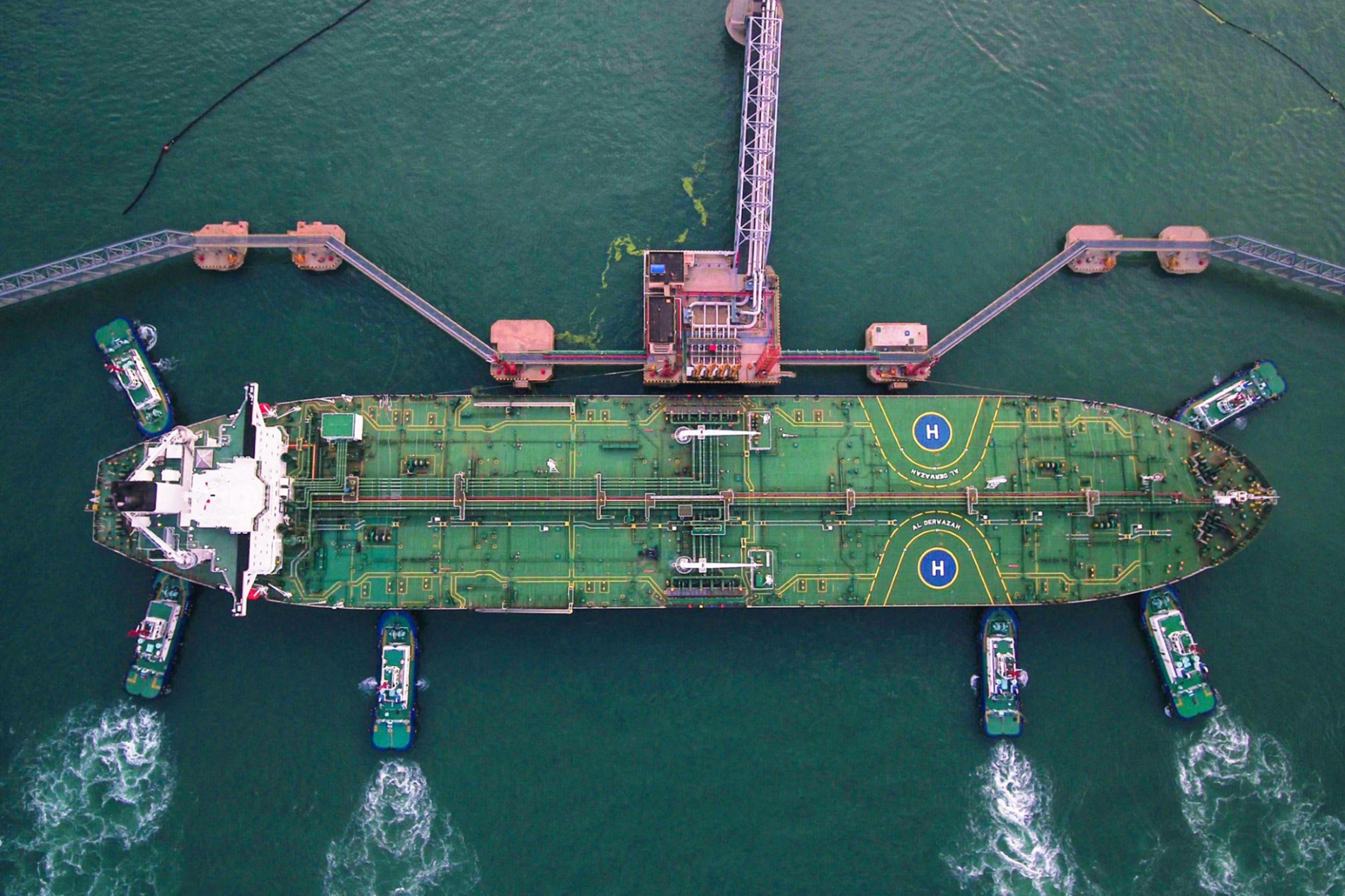
Tugboats help an oil tanker dock at Qingdao port in Shandong province, eastern China, on 4 August 2019.
This arrangement does not make passage through the strait safe: tankers carrying Saudi crude have already been attacked. It does, however, reduce both the number of foreign vessels entering the Gulf and the amount of time they spend in the highest-risk area. Volumes moved in this way rose from 1.4 million barrels a day in August to about 2.5 million in September. What began as a limited emergency measure has since become a logistics network that helps sustain exports under tighter navigational and security arrangements.
These alternatives are costly. Freight charges on some benchmark Gulf-to-Asia voyages have exceeded $30 a barrel, compared with roughly $2-$6 before the war, depending on the route and point of comparison. Even so, they show Gulf producers' ability to respond under exceptional pressure. The test was not whether oil was available, but whether its transport map could be redrawn within weeks while maintaining customer commitments as far as possible.
The crisis has shown that the quoted price of a barrel alone does not determine oil revenues. Producers with alternative routes, storage facilities close to markets and ports on more than one coast are better able to maintain exports and benefit from higher prices.
Saudi Arabia, the United Arab Emirates, Oman and other Gulf states enjoy advantages built up over decades, including pipelines, major ports, advanced refineries, storage networks and international trading operations. This, of course, does not erase the economic effects of war. Infrastructure disruption, lower volumes, and higher insurance and freight costs still persist. However, their strong financial capacity helps them absorb emergency costs, fund repairs and arrange new transport solutions.
An aerial view of Yanbu oil terminal in western Saudi Arabia.
Europe better prepared
Europe entered the 1973 crisis heavily dependent on imported oil and with industrial economies that consumed large amounts of energy. Restrictions were soon imposed on driving, speed and heating, while almost-car-free days and fuel-rationing measures were introduced.
The stronger effect was economic. Expensive energy helped end the period of rapid growth that followed the Second World War and pushed Europe towards a combination of inflation, unemployment and stagnation. Yet it also encouraged an expansion of North Sea exploration, accelerated nuclear programmes, improved the efficiency of cars and factories, and led to the creation of the International Energy Agency and emergency stockpiles.
Europe is therefore better prepared today. Oil accounts for a smaller share of the energy mix, while nuclear and renewable energy limit its use in electricity generation. Yet the continent entered this crisis after the shock of losing Russian gas, with weak growth and high debt.
European wholesale gas prices have risen by more than 140% year on year, while eurozone inflation has exceeded 3%. Europe is consequently less vulnerable to a wholesale physical interruption of supplies, but it remains exposed to higher industrial and transport costs and tighter monetary policy.
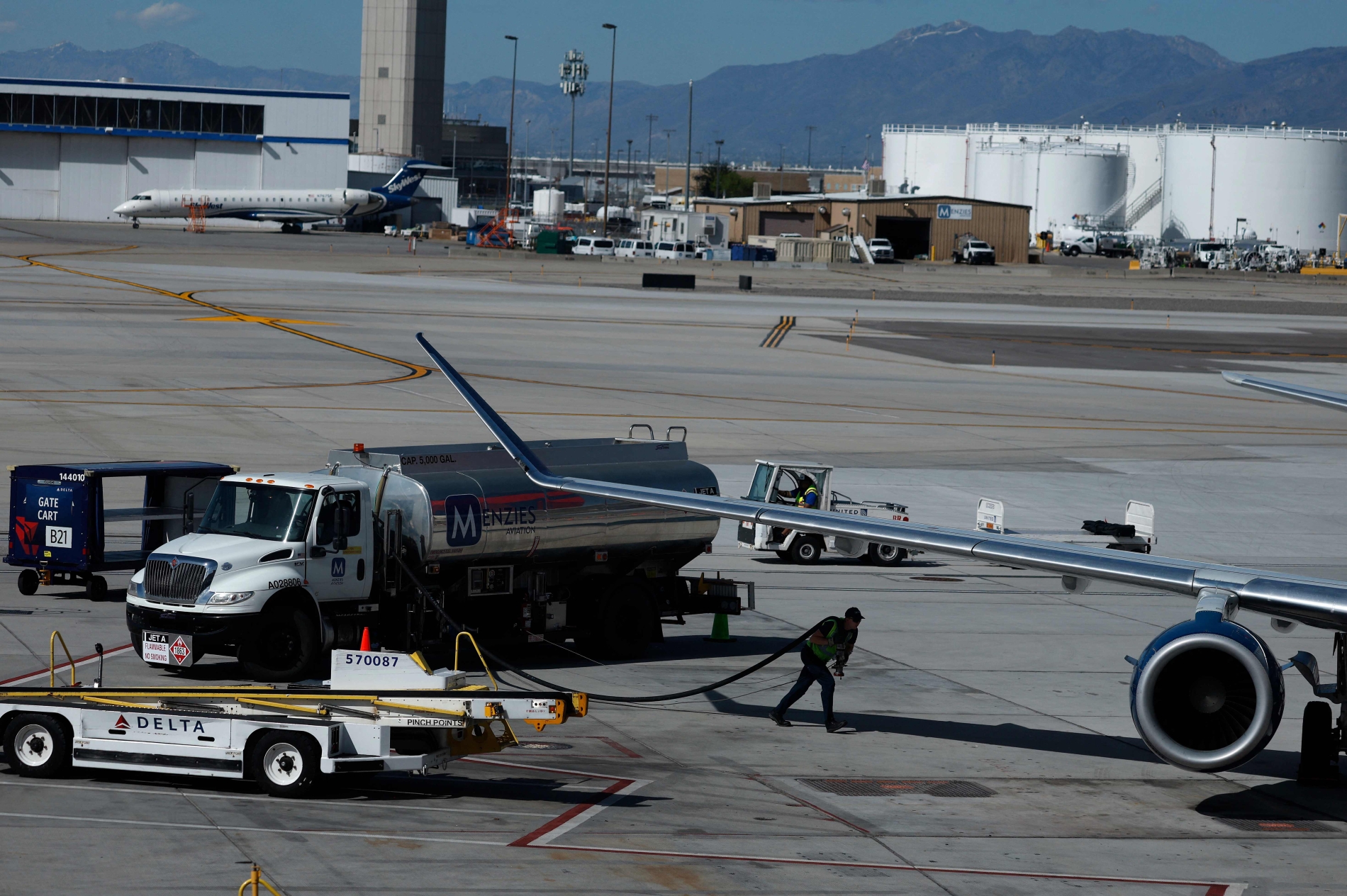
A worker fuels a Delta Airlines plane at Salt Lake City International Airport on 9 April 2026, in Salt Lake City, Utah.
Crisis not confined to oil
The 2026 shock is not confined to crude oil. Refinery outages and lower Gulf product exports, combined with disruption to Russia's refining sector, have shifted the crisis's centre toward diesel, jet fuel, liquefied natural gas and petrochemical feedstocks.
Wholesale diesel prices exceeded $200 a barrel in some markets in early September, around 94% above their pre-war level. Gulf diesel exports have also fallen to little more than a quarter of their previous level, amid expectations that the global supply shortage will persist into 2027.
This brings the crisis closer to everyday life than the crude price alone might suggest. Diesel powers lorries, ships, tractors and factories. When its price rises, the additional cost feeds through to food, transport, trade and construction materials.
The World Bank expects global growth to slow from 2.9% in 2025 to 2.5% this year, while inflation is projected to rise from 3.3% to 4%. If energy disruption persists alongside financial stress, growth could fall to 1.3%, and inflation rise to 4.4%.
Today, being an oil exporter is not enough; to remain resilient in times of turmoil, one must have refinery capacity, strategic reserves, and alternative pipelines
The world is nevertheless more resilient than it was in 1973. Member states of the International Energy Agency have agreed to release 400 million barrels from their reserves, the United States has become a major producer, and energy efficiency has improved. Yet these safeguards are not unlimited. The US Strategic Petroleum Reserve has fallen to 284.6 million barrels, its lowest level since 1982.
The 1973 crisis proved that Arab producers could shift the balance of power in the oil market. The 2026 crisis shows that owning reserves or controlling production is no longer the sole measure of power. Today, having oilfields is no longer the only measure of power. You must also have refinery capabilities, strategic reserves, alternative pipelines, and enough ports and tankers to maintain resilience during a period of turmoil.