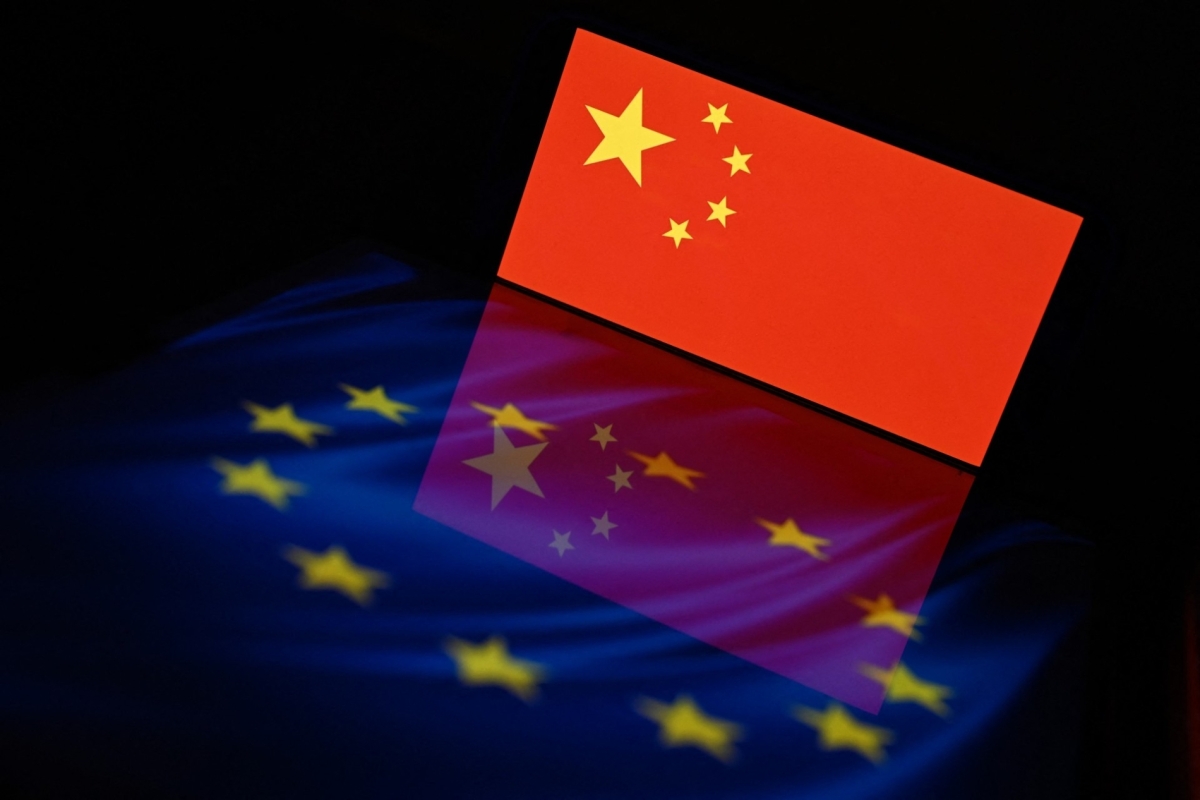

Last month China’s customs administration published a number that has ended the China trade debate in Brussels: China’s June trade surplus with the European Union reached a record $32.9bn, up 27% from a year earlier.
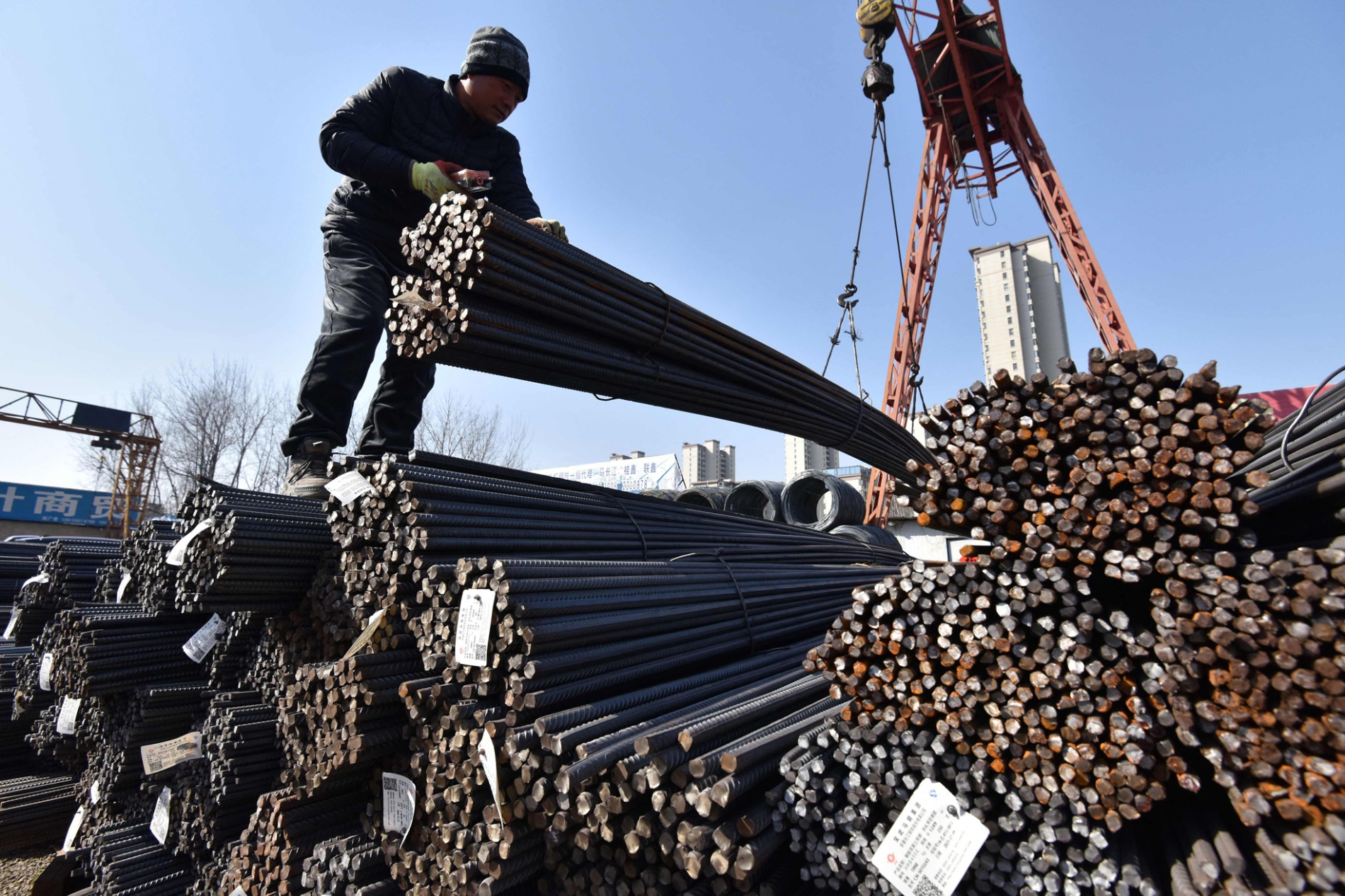
Underlying this dazzling export surge is the trade divergence between Europe’s two largest economies. China’s trade surplus with Germany, Europe’s industrial core, more than doubled, while its surplus with France plunged by 81%. The divergence tells a parallel story about the EU’s internal fracture, just days after the EU’s newest defensive measures took effect: a €3 flat customs charge on low-value e-commerce parcels, and a tightened duty-free quota on imported steel, both big trade categories with China.
Remedial policies
Years in the making, these EU regulatory measures may also be beside the point. Europe’s trade deficit with China ran at roughly €360bn in 2025—about €1bn a day—and has widened by double digits since. Of the EU’s 21 ongoing anti-dumping and anti-subsidy investigations, all but three are against Chinese producers.
It has imposed tariffs on Chinese electric vehicles (EVs) since October 2024, proposed an Industrial Accelerator Act to privilege European goods in public procurement, proposed a Cybersecurity Act revision that would exclude ‘high-risk’ vendors from telecoms networks, and floated an ‘overcapacity instrument’ to cap sectoral imports.
Trade Commissioner Maroš Šefčovič has set October as the deadline for a negotiated trade rebalancing, but none of these remedial policies will work, not because Europe lacks tools, but because it is aiming at targets China has already left behind. Meanwhile, Beijing’s response to the EV tariffs was calculated and paced: it gradually opened probes into European brandy, pork, and dairy products. They are politically sensitive, economically trivial, and specifically targeted at French cognac houses, Spanish pork farmers, and the EU’s subsidy programmes.
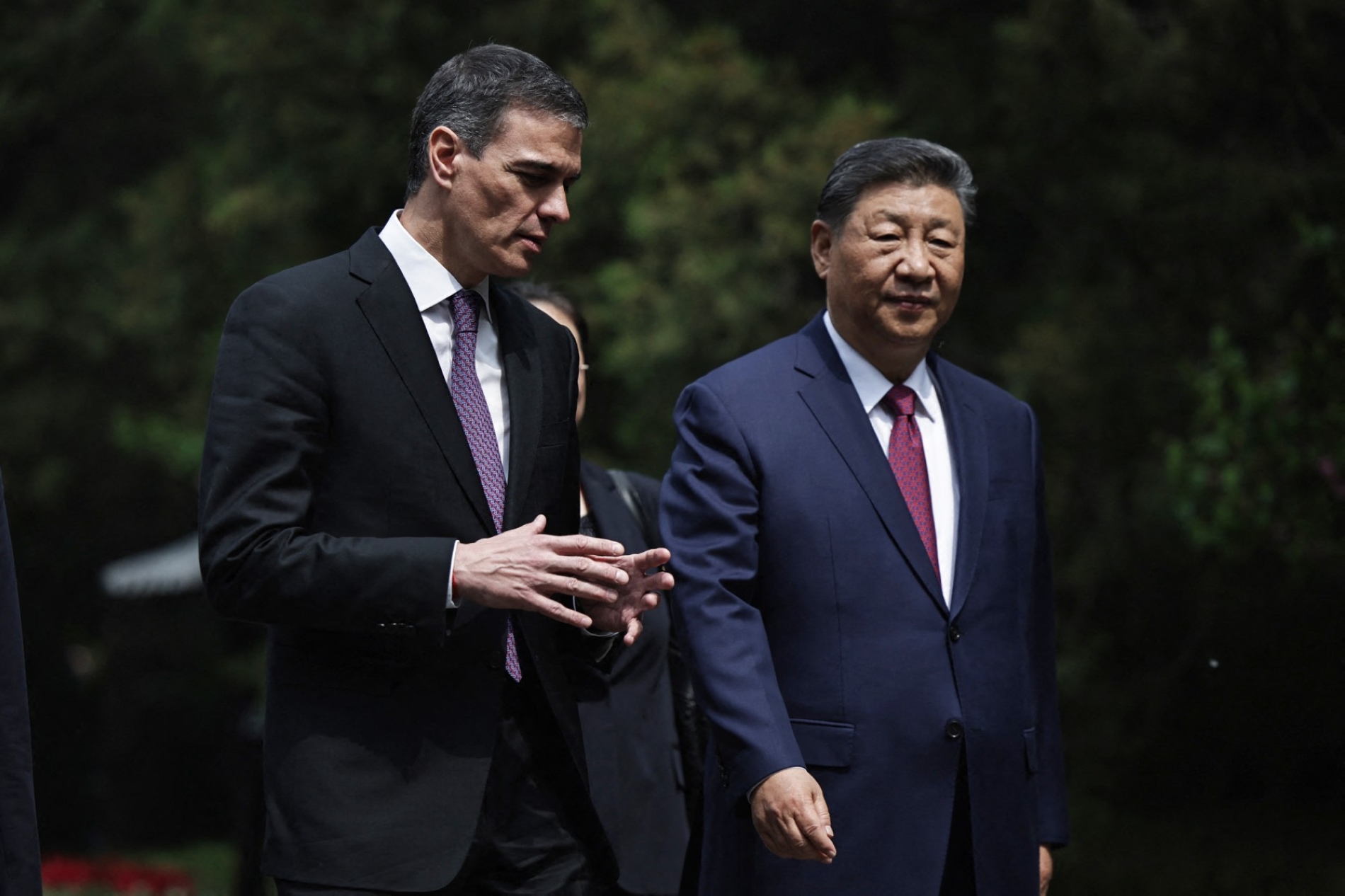
In December 2025, China quietly lowered its pork duties from an initial ceiling of 62.4% to under 20%, after Spain’s Pedro Sánchez visited Beijing and hailed China as a partner, not a rival. The message to every European capital was clear: diverge from Brussels and reclaim trade sovereignty. Critics say this amounts to ‘divide and conquer’.
Retaliatory ladder
Tariffs sit at the bottom of the retaliatory ladder. Above that are regulatory hurdles particular to multinational firms operating in China, such as merger reviews, competition probes, and preferential trade clauses imposed by China’s regulators that guarantee China’s supply chain security.
China’s market regulator now wields a stop-the-clock mechanism that has pushed average merger-review times past 13 months. It also now inserts supply-chain guarantees into merger approvals, as in its 2025 conditional approval of the Bunge-Viterra agricultural merger, where a clause dictates that the new company continue to supply China even during global crop shortages. Elsewhere, regulators opened an antitrust investigation into DuPont’s China business in 2024, then quietly suspended it in April 2025. The timing tracked the political climate, not evidential findings.
The top rung of measures is export controls on processed rare earths and permanent magnets, where China’s near global monopoly lets it bring European automotive and defence production to a halt within weeks. In January 2026, Beijing imposed a full minerals and materials export ban on Japan over its prime minister’s Taiwan remarks, adding dozens of Japanese firms to the sanctions lists. Europe took note.