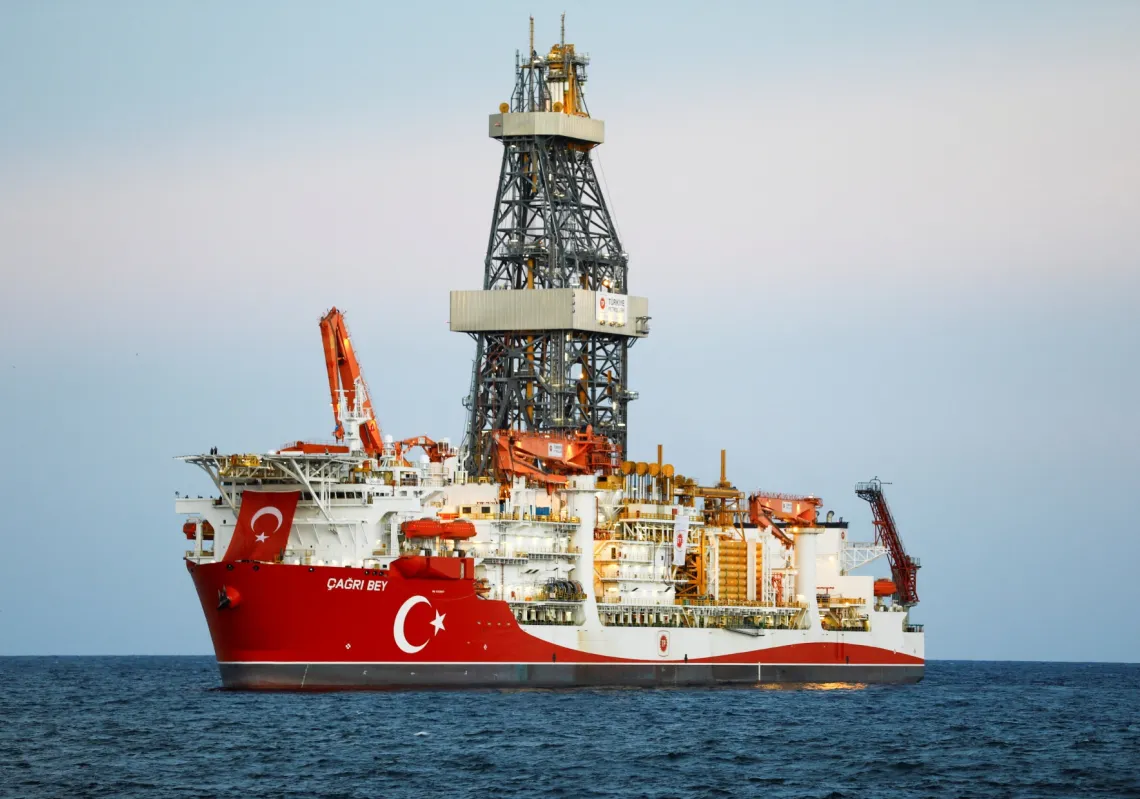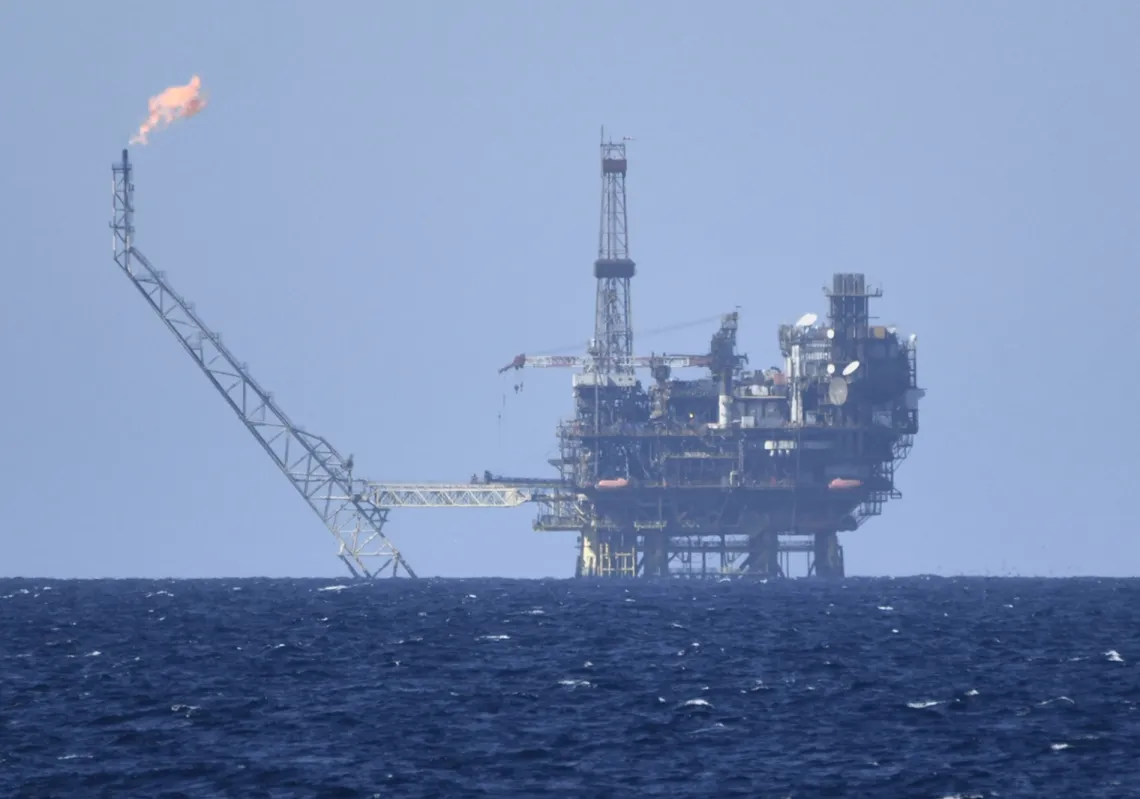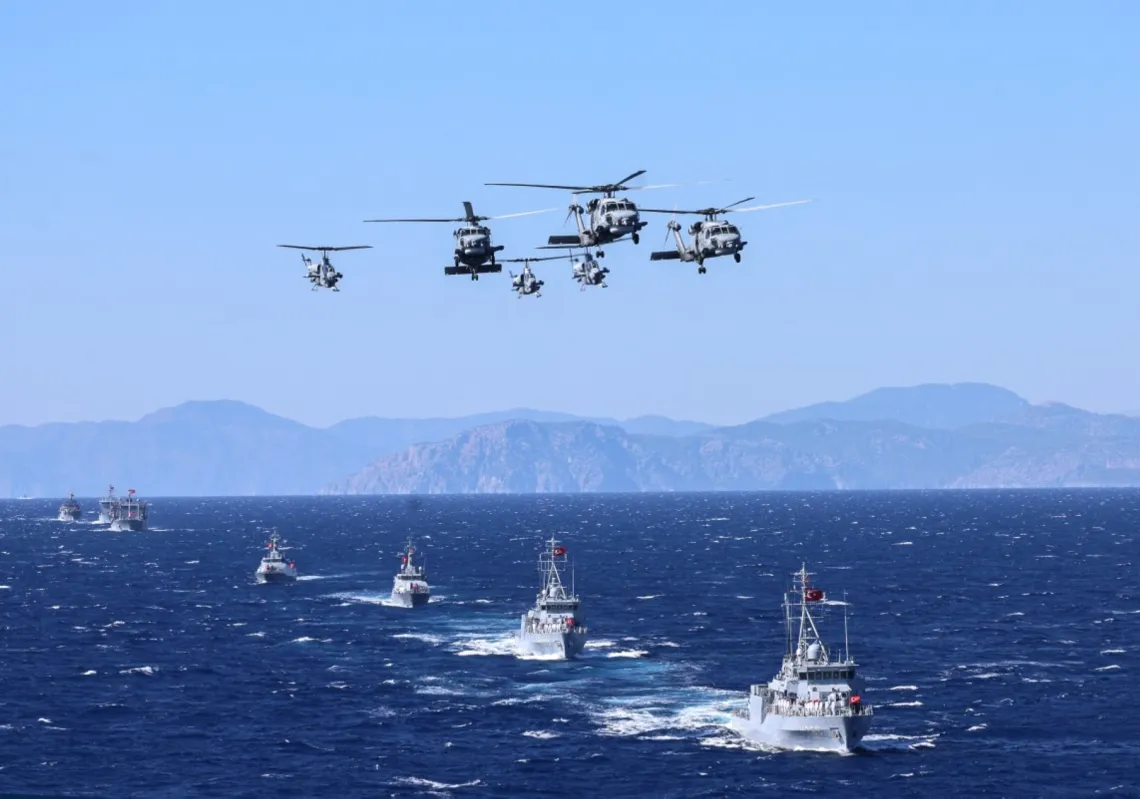
Türkiye's 2019 agreement with Tripoli on maritime boundaries and exclusive economic zones in the Mediterranean irked Athens at the time. The idea that Tobruk may ratify it has set off Greek alarms.
A waterway wedged between Africa and Asia is the preferred transit route for around 30% of global containerised trade. No wonder foreign stakeholders are all vying for bases along the route.
Cairo wants to regenerate its shipbuilding capabilities to boost its maritime fleet, but experts say this is a long-term plan requiring lots of investment. Can Egypt hope to compete?
With more than half of Egypt's normal shipping traffic now diverting around Africa and its economy in dire straits, there are serious doubts about its plans to build a parallel canal
China's maritime focus at present remains in its vicinity. Its presence in the Middle East is a slow build. It might never become a regional military superpower, but it can't be ruled out entirely.
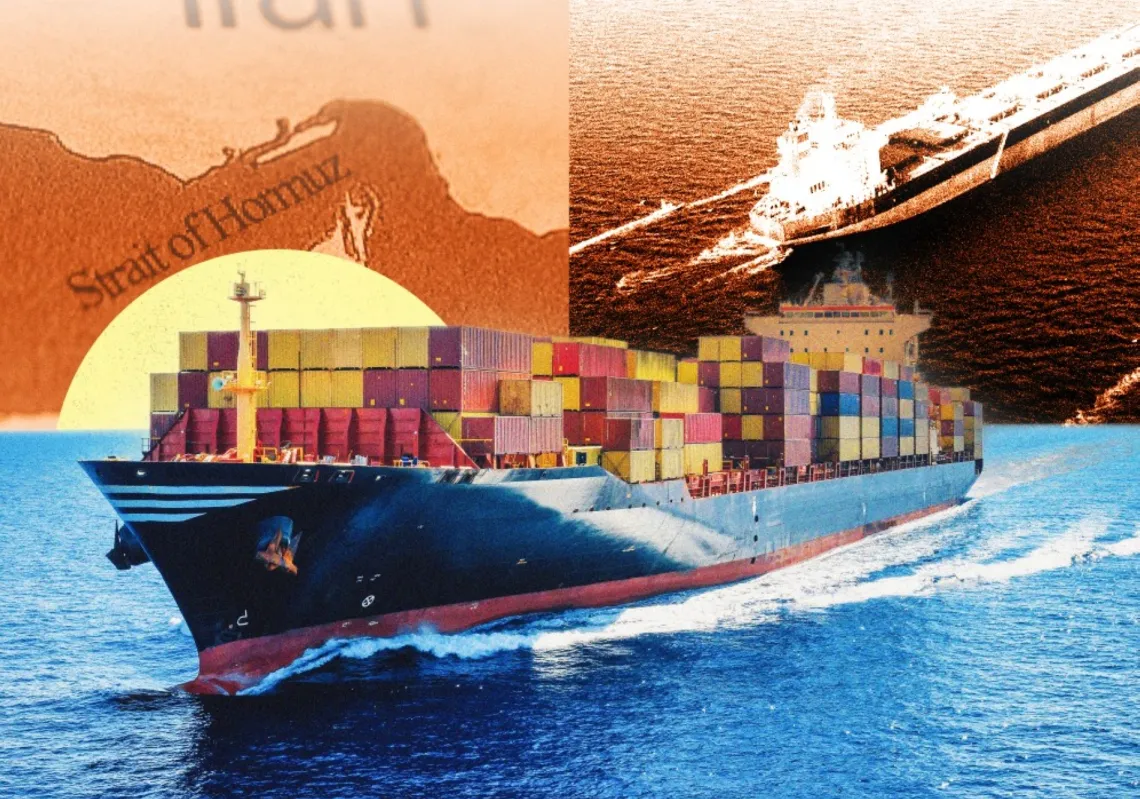
Wherever you look, there are problems in the world's major trade arteries, with the worst ripple effects yet to be felt. Despite this, more disarray may follow.
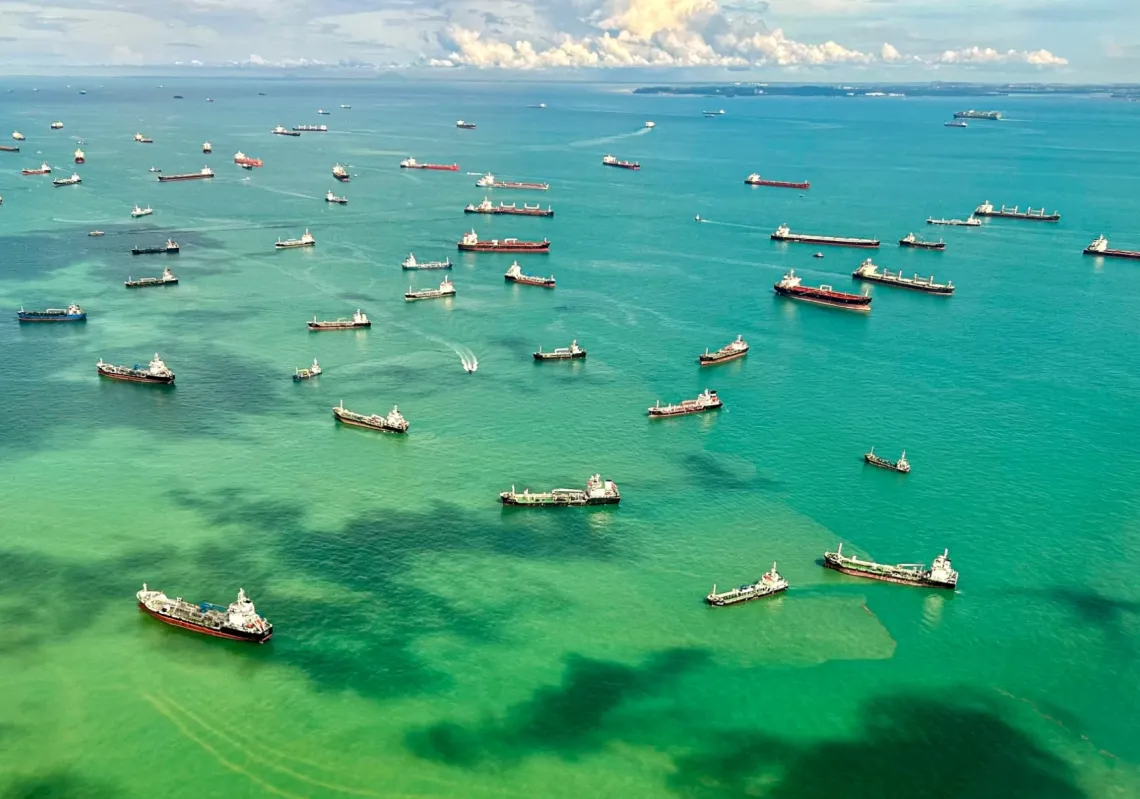
As the world's attention turns to the safety of maritime trade routes, it is important to recall that civilisations have transported goods and people across the seas for thousands of years.
'Telegram 29' shows Algeria's determination to win out in a bitter battle with Morocco to control lucrative trade flows in a vital strategic region at a time of wider turmoil
At least 50 affected countries, a 40% decline in Suez Canal revenues, and German car factories pause production. Al Majalla lays out the economic impact of Red Sea disruptions in numbers.
In an interview with Al Majalla, the prominent French jurist discusses Israeli and Western duplicity, their violation of international law, and why Israel bears the cost of Gaza's reconstruction
Tehran's elite have few friends, but regional states fear the consequences of a disorderly transition. If Iran's 92 million people turn on one another, it could cause millions to flee abroad.
Going forward, the international community needs to reduce dependence on the US without upsetting the world's largest military and economic power. It will be a shaky tightrope to walk.
Scrapping foreign ownership caps and qualifying criteria will bring in more capital, with markets reacting positively to the latest reforms that build towards a more open country