Energy in Iraq: the new front line between Washington and Tehranhttps://en.majalla.com/node/332203/business-economy/energy-iraq-new-front-line-between-washington-and-tehran
Energy in Iraq: the new front line between Washington and Tehran
Baghdad is opening its energy sector to US investment while racing to diversify oil exports, strengthen its economy, and reduce its vulnerability to regional conflict
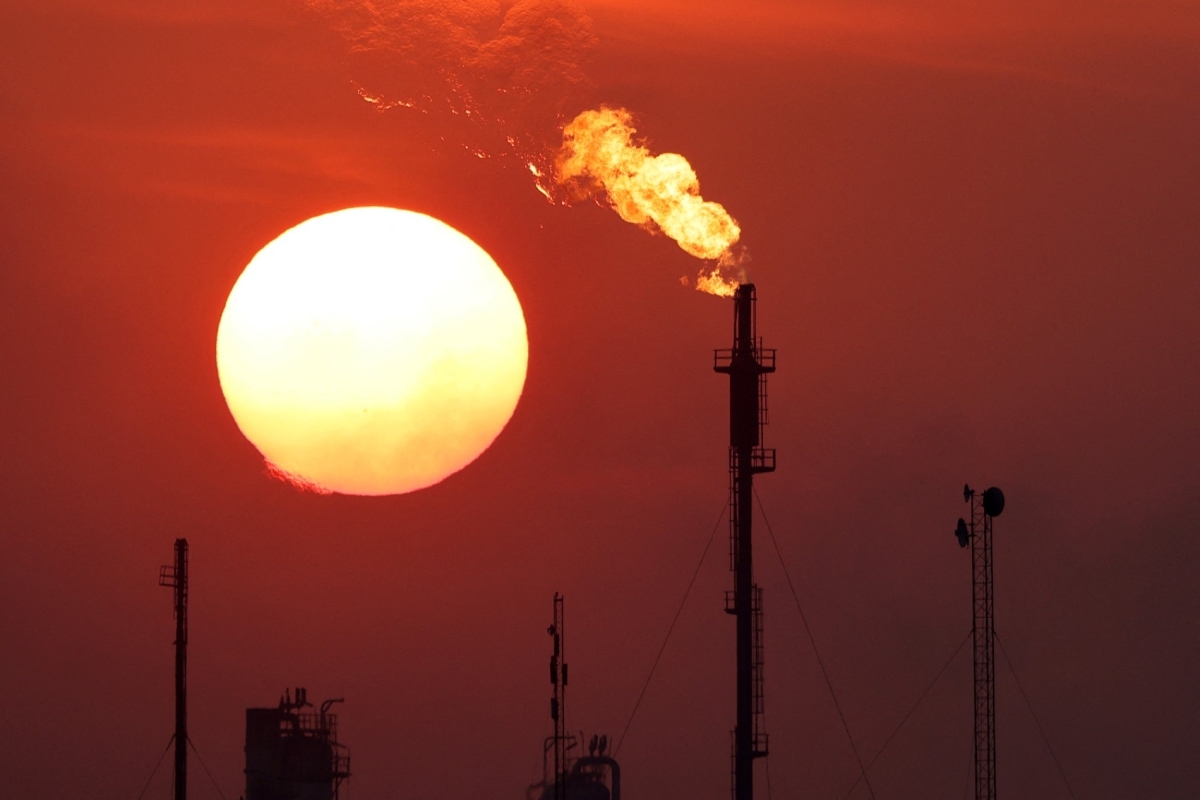
AHMAD AL-RUBAYE / AFP
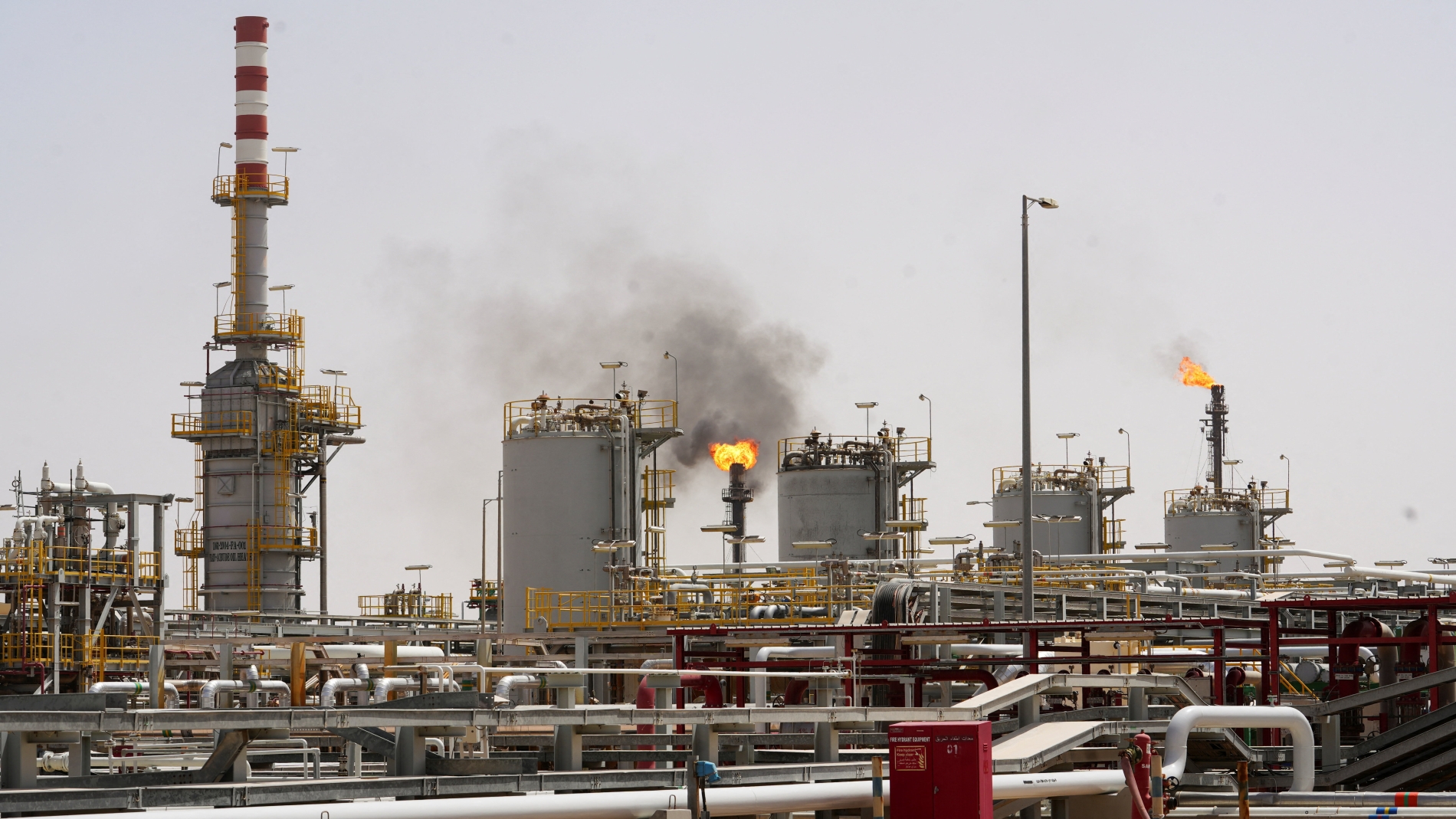
The sun sets behind burning gas flares at the Daura Oil Refinery Complex in Baghdad, 22 December 2024
Energy in Iraq: the new front line between Washington and Tehran
Iraqi Prime Minister Ali al-Zaidi has opened the country’s energy sector to US investment in an effort to deepen economic ties between Baghdad and Washington, redefine a relationship long governed by security concerns, and ease any bilateral tensions.
The initiative coincided with al-Zaidi’s visit to Washington, which began on 13 July, as the Iraqi economy confronted multiple pressures. Production has stalled at several oilfields, the electricity grid is grappling with fuel shortages, and stringent US financial restrictions have denied dozens of Iraqi banks and financial institutions access to the dollar.
Al-Zaidi’s wider ambition is to recast Iraq’s image and present the country as a promising destination for foreign capital rather than a perennial source of regional instability. Yet that ambition faces significant obstacles. Bureaucracy continues to impede the machinery of government, threats to America’s presence remain acute, and financial and administrative corruption is deeply entrenched.
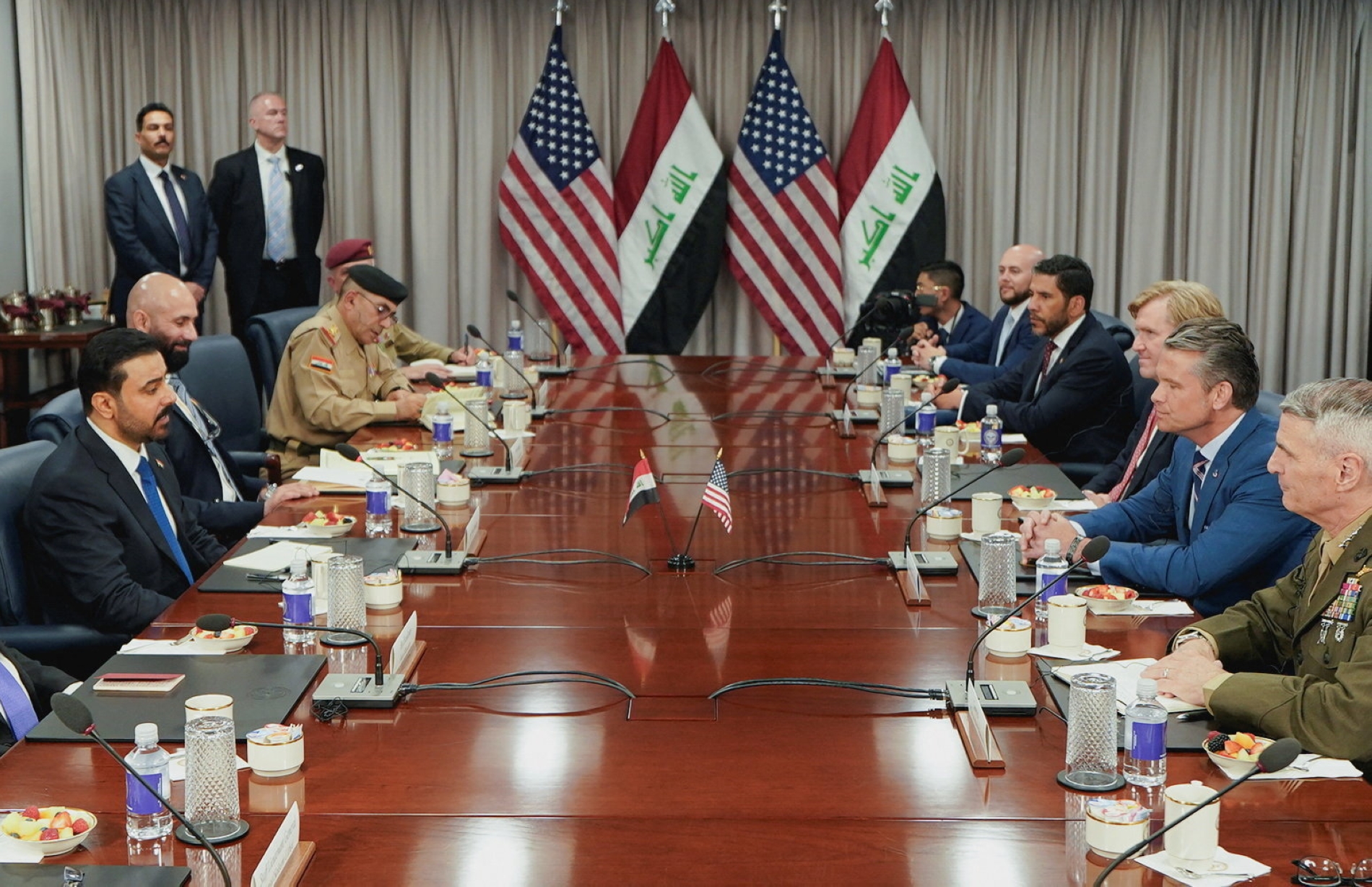
US Defence Secretary Pete Hegseth and Iraqi Prime Minister Ali al-Zaidi hold a meeting at the Pentagon in Washington, 14 July 2026
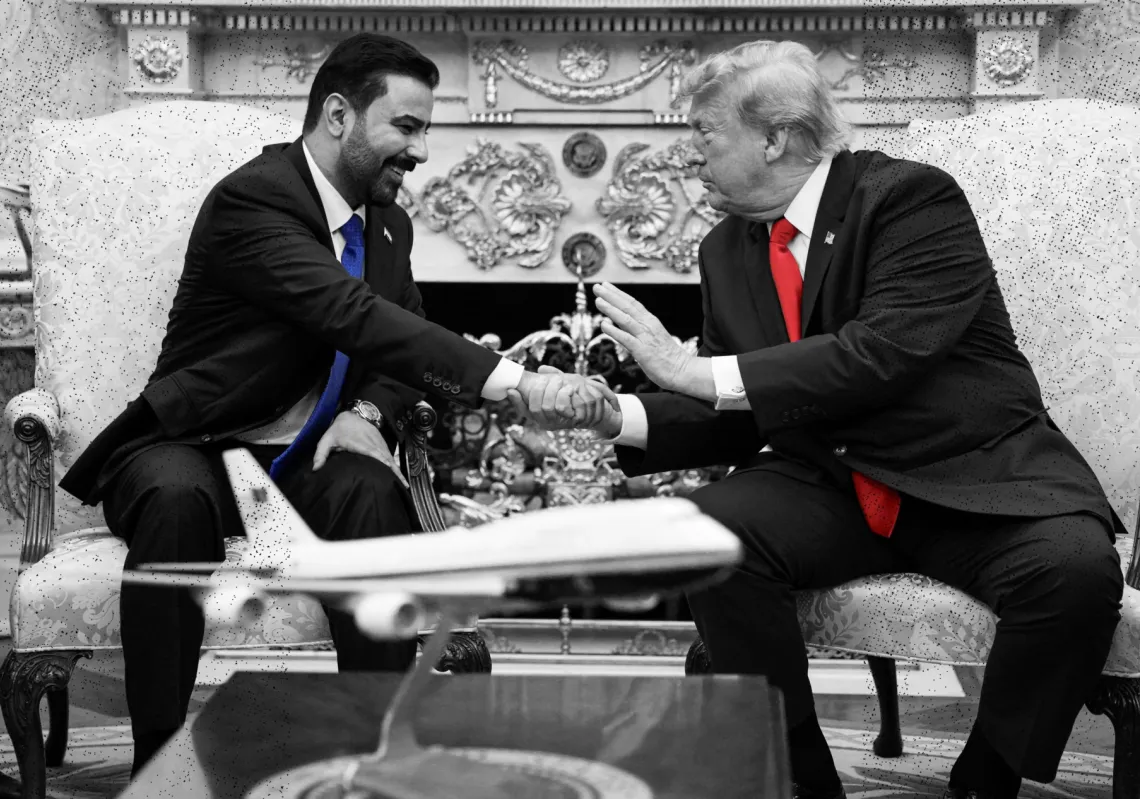
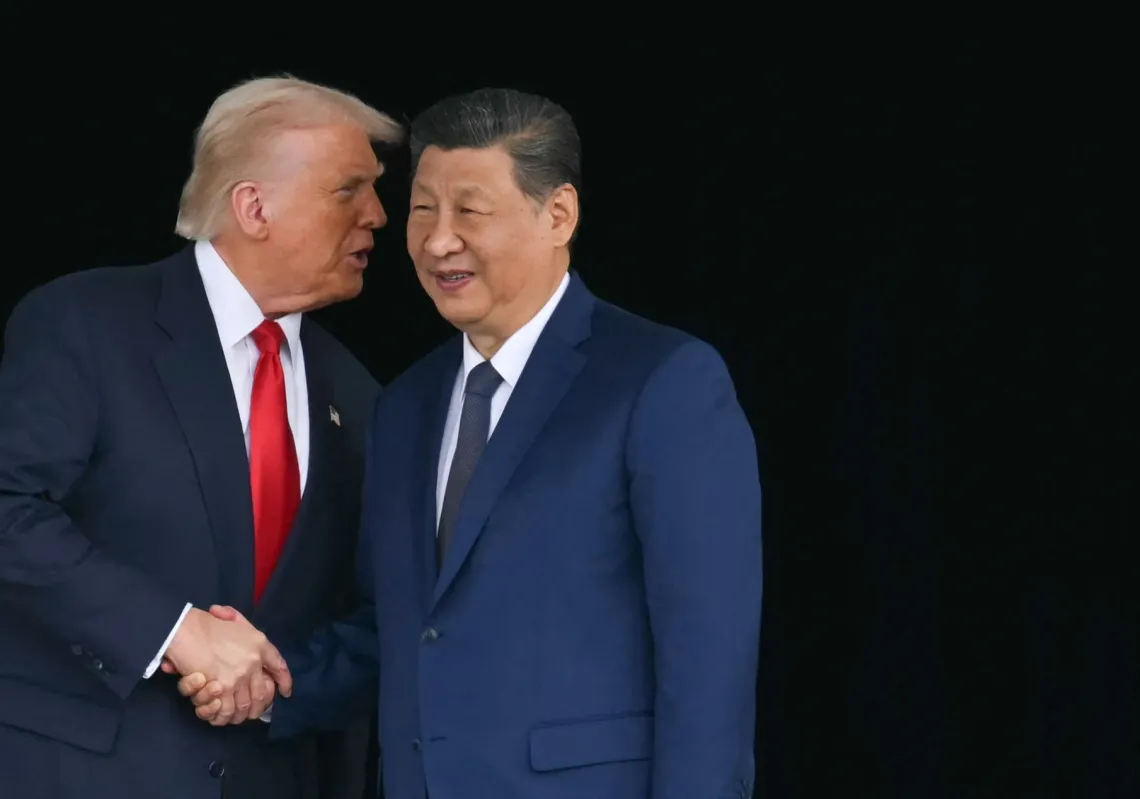
During his meeting with al-Zaidi, US President Donald Trump drew attention to the investment opportunities available in Iraq’s energy sector and said American companies would play a central role in its development. “Iraq has tremendous potential because of its oil resources. We are going to make a lot of deals. We are going to create a great many jobs in both countries, and we are going to extract a great deal of oil,” he said, without offering further details.
The Strait of Hormuz crisis
Although Iraq is OPEC’s second-largest oil producer, its output fell sharply to 1.3 million barrels a day following the closure of the Strait of Hormuz. The decline reflected the country’s overwhelming dependence on the Port of Basra, through which almost all its seaborne oil exports pass.
That vulnerability has been compounded by the closure of the Iraq–Turkey pipeline. Alternative export routes remain severely limited after decades of disruption caused by war, international sanctions, security threats, and regional disputes.
The closure of the Strait of Hormuz exposed deep structural constraints across the oil industry. The authorities were forced to reduce production at several fields because the country’s storage capacity amounted to no more than 10 million barrels, while crude exports had effectively ground to a halt.
The closure of the Strait of Hormuz exposed deep structural constraints across the oil industry
The refining sector also came under mounting pressure. Iraq's largely conventional refineries produce substantial quantities of fuel oil, causing stocks to accumulate and forcing some facilities to reduce their operating rates because adequate export outlets were unavailable.
Baghdad consequently turned to the Syrian route. Since April this year, Iraq has transported around 650,000 metric tonnes of fuel oil each month by road tanker for re-export through the Mediterranean port of Baniyas. The government has also drawn up plans to export approximately 50,000 barrels of crude oil a day, along with naphtha, through the same port.
Iraq's monthly oil revenues fell from around $6.8bn to approximately $1bn during the Hormuz crisis. At the same time, the government requires about $5.8bn each month to cover public-sector salaries and pensions. Together, they cost roughly 90 trillion Iraqi dinars a year, equivalent to about $69bn, according to Mudher Mohammad Saleh, the prime minister's financial adviser.
To withstand the mounting financial strain, the government has increasingly resorted to domestic borrowing from the Central Bank of Iraq and state-owned banks. As a result, internal public debt has risen to approximately 91 trillion dinars, or nearly $70bn, according to central bank figures.
Why Iraq's pipelines matter
As security conditions in Iraq began to improve in 2018, the Basra–Aqaba pipeline project returned to the agenda. Progress remained elusive, however, amid persistent security, financial, and political obstacles. Research institutes and energy specialists attributed much of the delay to opposition from Iraqi factions aligned with Iran.
In a 2018 paper for the Washington Institute for Near East Policy, James Jeffrey, a former US ambassador to Iraq and Turkey, urged Washington to support an energy corridor stretching from the Gulf through Iraq to Turkey. Iraq, he argued, had the potential to become a regional energy hub. Jeffrey also advocated US support for the Basra–Haditha–Aqaba pipeline, which would carry Iraqi oil and gas to Jordan.
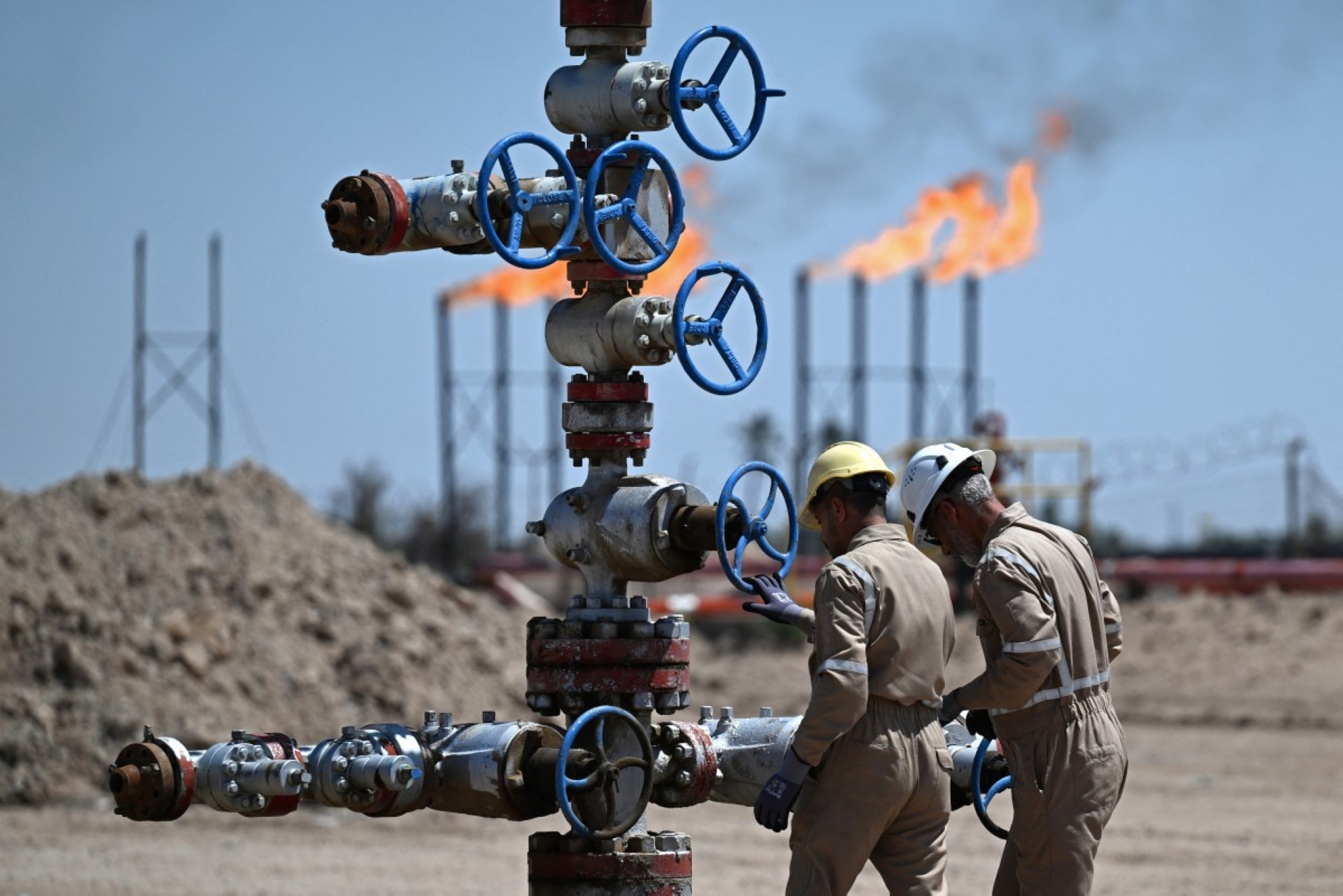
Employees work at the Nahr Bin Umar oil and gas field, operated by Basra Oil Company, outside Basra in southern Iraq, on 29 April 2026
Iraqi factions and political forces opposed the project, alleging that it could allow Iraqi oil to reach Israel through the port of Aqaba. The Iraqi and Jordanian governments repeatedly rejected the claim, stressing that the pipeline was intended to diversify export routes and deepen economic cooperation between the two countries.
The crisis in the Strait of Hormuz laid bare the immense economic cost of Iraq's dependence on a single export outlet. It also revived questions about the wisdom of obstructing alternative pipeline projects while Iran used its influence over the strait as a strategic instrument in its confrontation with the US.
The northern export route, which runs from Kirkuk to the Turkish port of Ceyhan, currently carries only around 180,000 to 200,000 barrels a day. The modest volume reflects continuing disputes between Baghdad and Erbil, as well as damage and operational constraints across Iraq's domestic pipeline network. Baghdad is now working with Ankara to increase capacity to approximately 750,000 barrels a day under an agreement currently being negotiated by the two governments.
A route out of the crisis
Seeking to contain the crisis, the al-Zaidi government is advancing plans for a strategic pipeline network capable of carrying more than two million barrels of oil a day, at an estimated initial cost of $12bn.
At the centre of the plan is a major pipeline running northwards from the Basra oilfields to Haditha in Anbar province. Haditha would become a principal distribution hub for Iraqi oil, with branches extending towards the Turkish port of Ceyhan and the Syrian port of Baniyas, as well as connecting to the Basra–Aqaba project.
The project also envisages a subsidiary line from Haditha to Kirkuk, linking it to the northern pipeline that reaches Ceyhan on the Mediterranean.
The first phase of the Basra–Haditha pipeline is expected to have a pumping capacity of one million barrels a day, with further increases planned in subsequent stages. The Iraqi cabinet has approved preliminary agreements with a consortium comprising the US companies Chevron and Capital TI, together with Qatar's UCC, to undertake the project's technical and financial studies. Engineering consultancy work has been awarded to the US firm KBR.
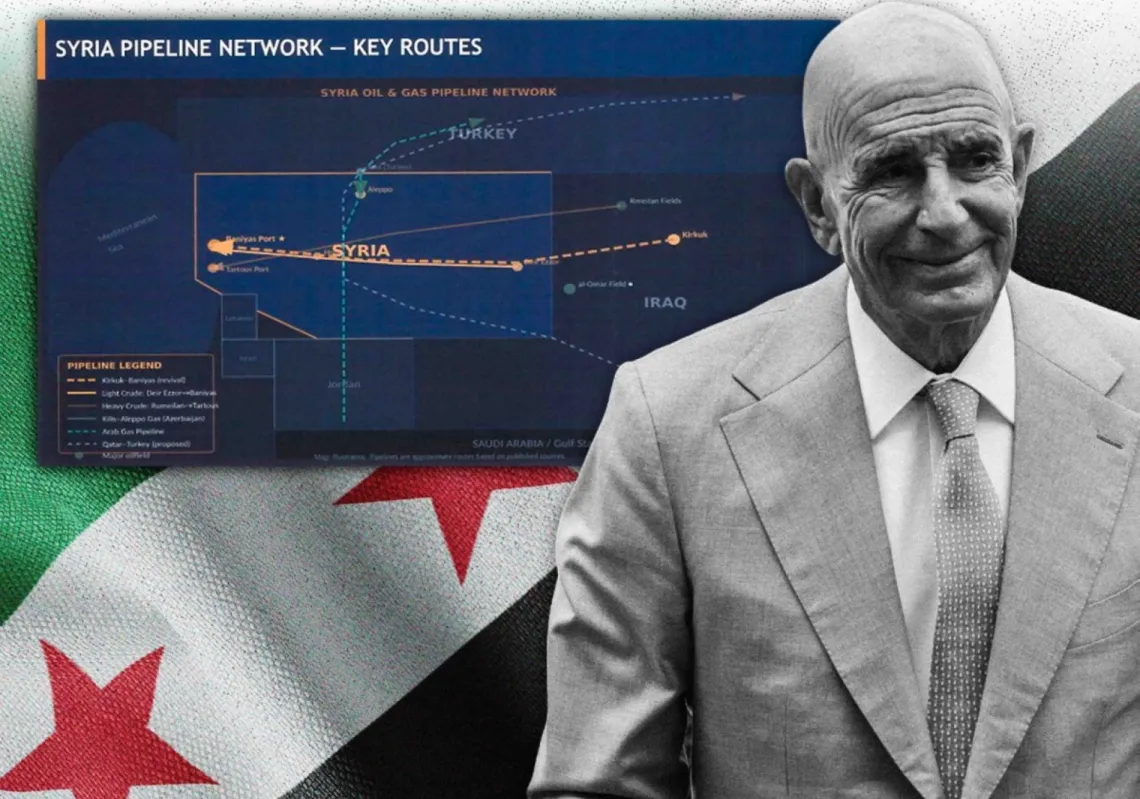
For Baghdad, the Syrian option has acquired particular urgency. A pipeline built in 1952 remains in place, although it has been out of service since 1982, following Syria's alignment with Iran during the Iran–Iraq war. Its infrastructure has sustained extensive damage. Pumping stations are no longer operational, and explosions have destroyed sections of the line, leaving the government with little practical alternative but to build an entirely new network. Baghdad, Damascus, and US oil companies are now working towards a memorandum of understanding on the Kirkuk–Baniyas pipeline.
Against this backdrop, the Syrian authorities announced that they had intercepted a shipment of weapons concealed inside an oil tanker travelling from Iraq and reportedly bound for Hezbollah in Lebanon. Tehran also announced that it had struck al-Tanf on the Syrian–Iraqi border. The attack was widely interpreted as an attempt to pressure both governments and obstruct their emerging projects with Washington.
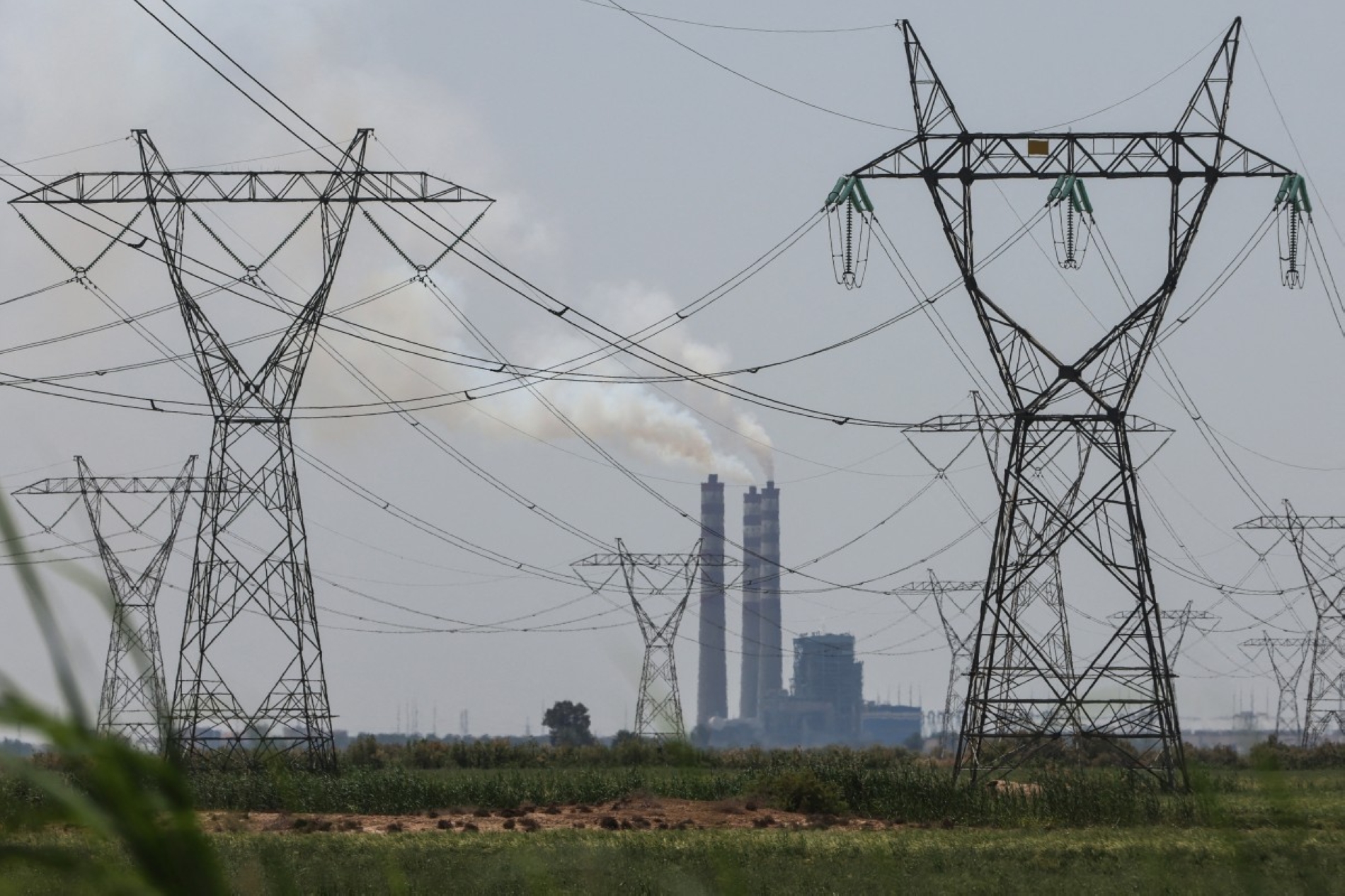
The Al-Zubaidiya power station near the city of Kut in southern Iraq on 14 April 2026.
With tensions between the US and Iran likely to persist, Baghdad is considering a pre-emptive strategy to reinforce the security of its oil exports. The plan includes establishing storage facilities in major Asian markets, particularly Singapore and India. In India, Iraq is examining the use of the strategic petroleum reserve in Mangalore, Karnataka, which cost $1.6bn to build and can hold up to 1.75 million metric tonnes.
Oman is also emerging as a potential storage centre for Iraqi oil, with an initial capacity of 10 million barrels at the port of Duqm. Alongside these initiatives, Baghdad is seeking to develop the Syrian export route to Mediterranean ports, thereby facilitating access to European markets. Iraq's State Organisation for Marketing of Oil (SOMO) has offered exceptional discounts of up to $33.40 a barrel on certain cargoes of Basra Medium crude. The aim is to retain Asian customers and compensate for the logistical risks associated with loading oil from terminals inside the strait.
Pressing OPEC for a larger quota
In the days before al-Zaidi's visit to Washington, an anti-corruption campaign reached the upper ranks of Iraq's oil sector. Among the most prominent officials caught up in the investigations was Adnan al-Jumaili, the deputy oil minister responsible for refining. The campaign formed part of Baghdad's efforts to reassure foreign investors and improve the investment climate across the energy industry.
Al-Zubair oil field in Basra, Iraq, on 6 April 2026.
The investigations belong to a broader drive to make the sector more attractive to international energy companies, including US firms that have reduced or withdrawn their investments in Iraq in recent years. ExxonMobil pulled out of the West Qurna 1 oilfield, while Halliburton and Schlumberger suspended their operations in the Kurdistan Region, although both continued to work with the federal government on other projects.
Baghdad's efforts have already yielded agreements with several US companies, most notably Halliburton. Once completed, the projects are expected to add around 250,000 barrels a day to Iraq's oil production.
Alongside efforts to attract US investment into the energy sector, al-Zaidi is pressing for a substantial increase in Iraq's OPEC production quota, from 4.3 million to seven million barrels a day. During his meeting with Trump, he argued that Iraq, as a founding member of the organisation, was entitled to a "fair share" that reflects both its production capacity and the demands of national reconstruction.
The planned expansion in capacity is intended to increase public revenue, bolster the state budget, and finance the Energy and Development Fund. Baghdad hopes the fund will mobilise investments worth approximately $400bn over 30 years for infrastructure and energy projects. Saudi Arabia, the UAE, and Qatar have been invited to participate, alongside US and European investment funds.
Iraq's campaign for a higher production ceiling rests on two considerations: the desire to secure a larger share of the global oil market and the urgent need to alleviate the country's chronic electricity crisis. Gas shortages have forced numerous power stations to close or operate below capacity, leaving Iraq with a generation shortfall of 40,000 megawatts.
Higher oil production is especially important because associated gas, released during crude extraction, accounts for around 70% of Iraq's gas reserves. Standalone gas fields make up the remaining 30%. Any increase in crude output would therefore produce larger volumes of gas that could be captured and used to fuel power stations.
The government has authorised the Ministry of Electricity to finalise a comprehensive cooperation agreement with General Electric to expand Iraq's power-generation and transmission infrastructure. The agreement is expected to add 24 gigawatts to the national grid. Around eight gigawatts would be generated through combined-cycle technology, producing additional electricity at high efficiency without requiring a corresponding increase in fuel consumption.
Washington is also seeking to reduce Iraq's dependence on Iran. Iraq currently imports 1,200 megawatts of electricity from its neighbour, together with substantial quantities of natural gas. In 2023, Iranian gas supplies to Iraq amounted to roughly 310 billion cubic feet and were used to operate Iraqi power stations.
Baghdad is therefore moving towards awarding contracts for the development of untapped gas fields to US companies such as Chevron. These ambitions have already assumed practical form through a contract with the US company Schlumberger to develop the Akkas gas field in Anbar province. The first phase aims to raise production to 100 million standard cubic feet a day, with output expected to increase gradually to around 400 million standard cubic feet a day in subsequent stages.
The risks that remain
The return of US investment remains fraught with serious security risks. Immediately after al-Zaidi's meeting with Trump, Iraqi factions issued a blistering statement attacking the prime minister and warning against replacing 'military occupation' with what they portrayed as an even more dangerous form of economic domination. They threatened any company seeking to exploit Iraq's wealth and declared that the defence of the country remained an option firmly on the table.
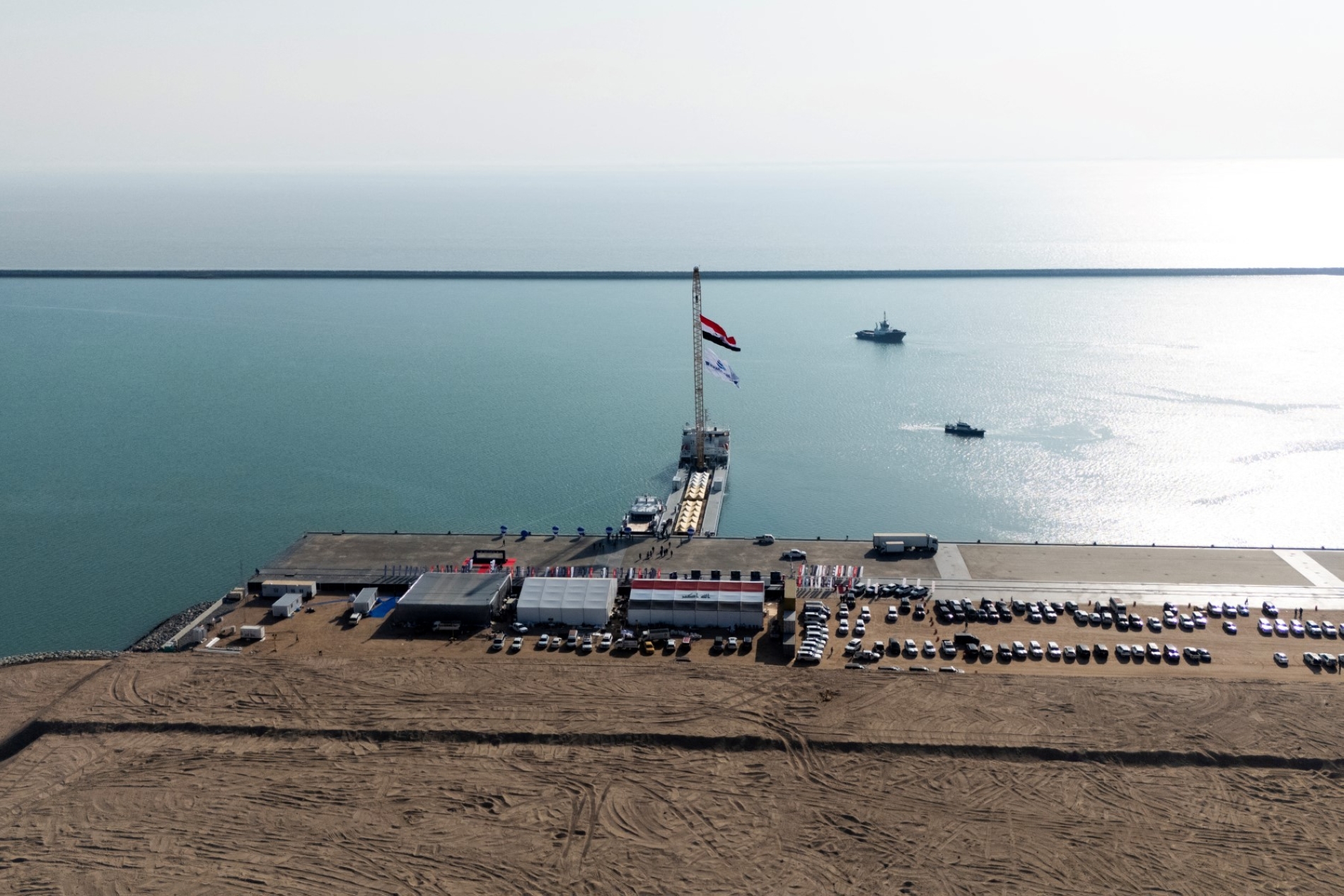
An aerial view shows a berth at Al-Faw Grand Port in the southern Iraqi port city, on 8 October 2025
A drone also crashed at the port of Al-Faw after the meeting between Trump and al-Zaidi, although no damage was reported, according to the Iraqi News Agency and Reuters. Iraqi armed factions have become increasingly entangled in the regional confrontation between Iran on one side and the US and Israel on the other. Oil installations and foreign companies in southern Iraq have previously come under drone attack, making the protection of international firms one of the most pressing challenges facing the al-Zaidi government. The threat is all the more acute because these groups possess both drones and missiles.
A substantial influx of US investment would send a reassuring signal to European and Gulf companies that remain wary of entering the Iraqi market
A substantial influx of US investment would send a reassuring signal to European and Gulf companies that remain wary of entering the Iraqi market. Their hesitation reflects a business environment widely seen as hostile, marred by corruption, limited transparency, and weak enforcement of the law. Al-Zaidi sought to give practical expression to that message by travelling with a delegation of 32 Iraqi businessmen to explore partnerships with their American counterparts.
He is also seeking to persuade Washington to lift restrictions on banks and electronic payment companies that have been denied access to the dollar. Easing those constraints would facilitate Iraq's deeper integration into the global economy and relieve some of the pressure weighing on its domestic finances.
Such a shift could also attract companies capable of absorbing part of Iraq's unemployed workforce. The World Bank estimated unemployment at 15.5 per cent in 2025. Greater private-sector investment would also help ease the burden imposed by a public sector employing more than four million people.