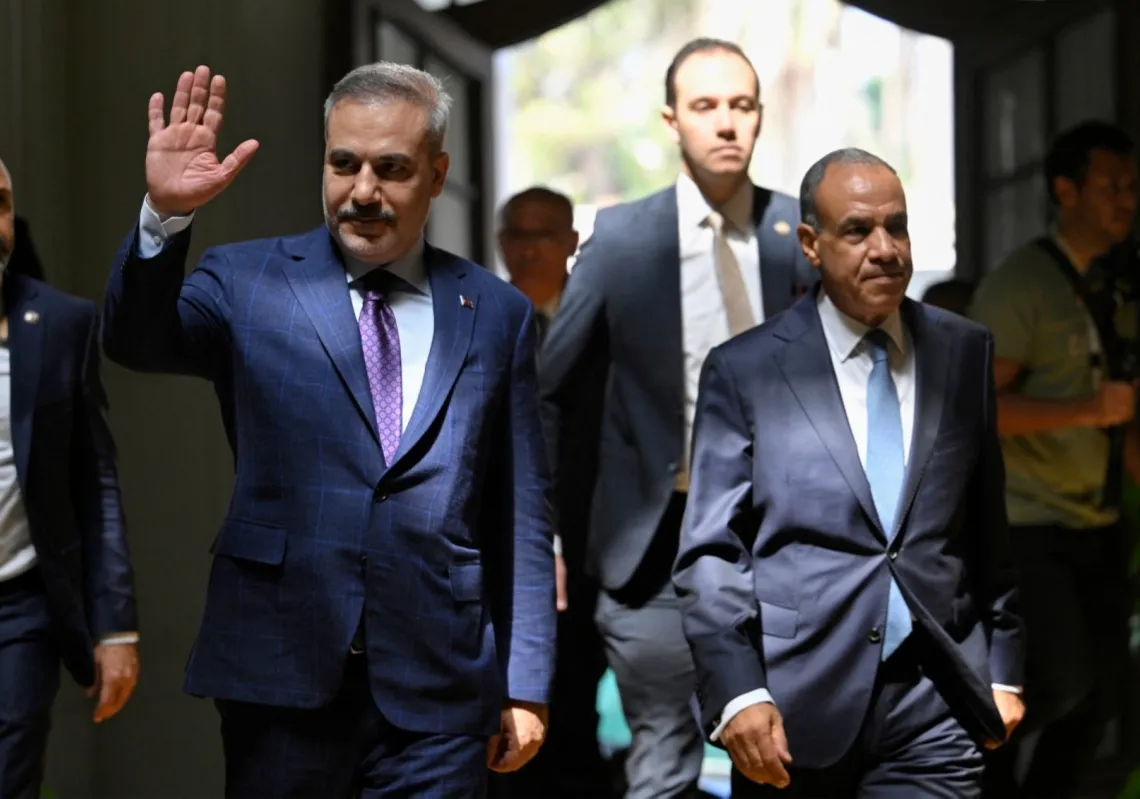
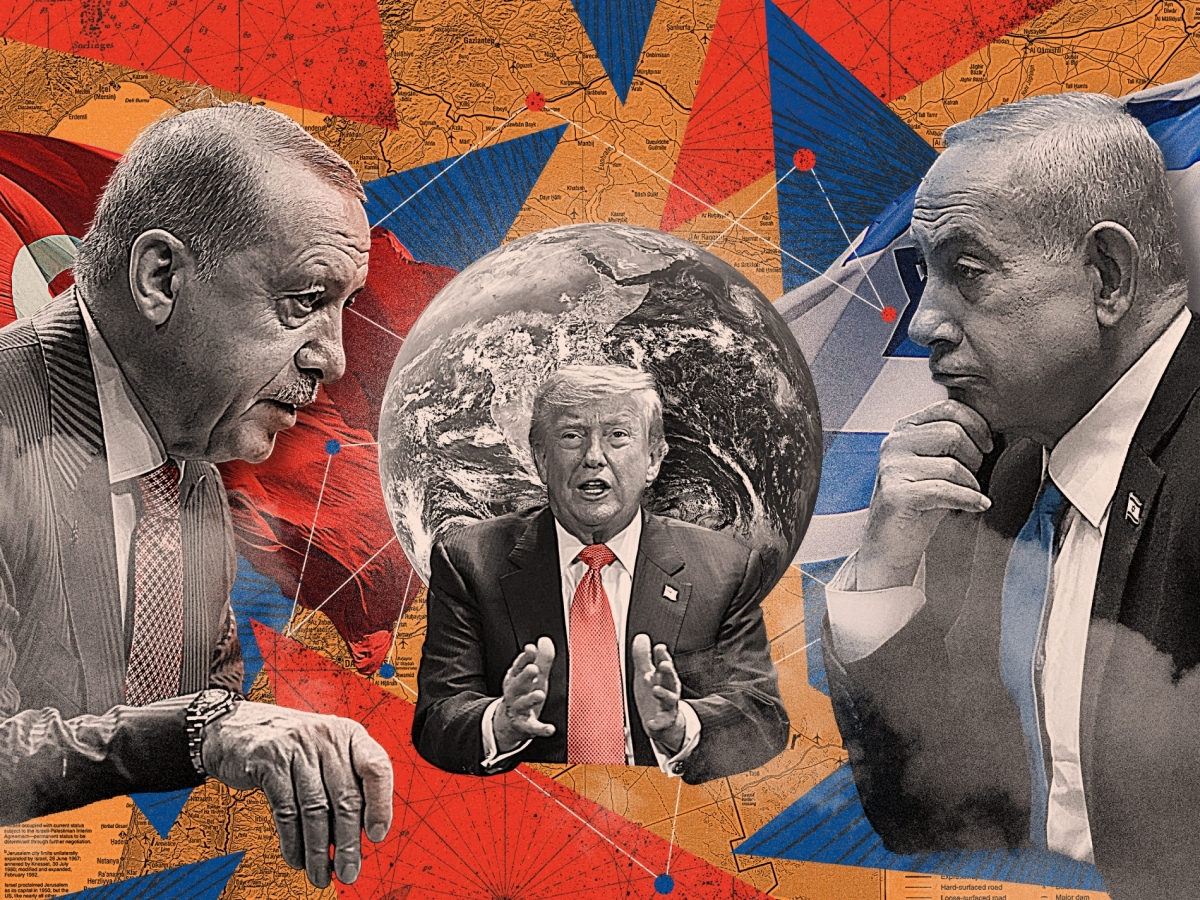

Tensions between regional heavyweights Türkiye and Israel are such that some fear it could escalate into armed conflict, with Syria and the Eastern Mediterranean among the most likely theatres for such a scenario. Both sides see each other as a threat, but have so far avoided direct attacks, in part thanks to the mediating force of US President Donald Trump, who enjoys close relations with Türkiye’s President Recep Tayyip Erdoğan and Israel’s Prime Minister Benjamin Netanyahu.
Trump’s recent visit to Ankara for the NATO Summit and his public friendliness towards Erdoğan and Türkiye has unsettled Israel. In an interview with CNN ahead of the summit, Netanyahu described the Turkish government as a “Muslim Brotherhood-infected anti-Israel entity” and called on Trump not to upset the military balance of power in the region by selling Ankara F-35 fighter jets. Netanyahu’s office said he raised “the statements made by President Erdoğan and his people against the existence of Israel” in a phonecall with Trump on 9 July.
Issues of contention
The root cause of the tension between Türkiye and Israel is Palestine, Gaza, and Hamas. Türkiye, which was the first Muslim-majority country to recognise the State of Israel, has long called for a State of Palestine. Erdoğan sees Hamas as a resistance group fighting against Israel’s occupation, and for an independent state, whereas Israel accuses Türkiye of being a main sponsor of Hamas, which it regards as a terrorist organisation and an existential threat.
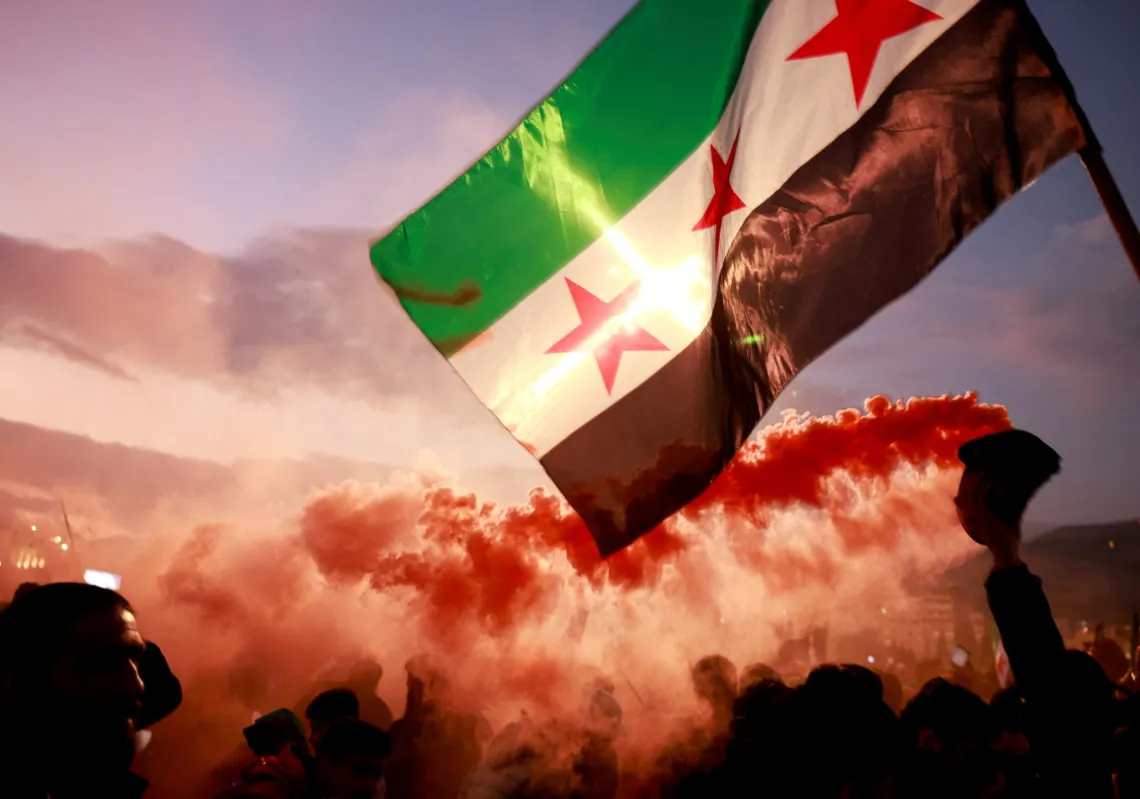
An area of contention is Syria, with which both Türkiye and Israel share a border (Israel to the south, Türkiye to the north). In Syria, which has little by way of military hardware, both Ankara and Tel Aviv are trying to keep each other at bay. Israel’s Energy Minister Eli Cohen said in an interview last week that Israel will have to make sure Türkiye does not establish itself militarily in Syria. Türkiye denies that its presence in Syria is a threat to Israel and criticises the Netanyahu government for not respecting Syrian sovereignty by disrupting efforts to rebuild the country.
Israel’s strategy of signing security agreements and forming alliances with Greece and Greek Cypriots, and its associated activities in the eastern Mediterranean, are seen by Türkiye as part of an encirclement policy. Recently, the Greek and Israeli armed forces held joint exercises in the Aegean Sea. In Washington, Israeli and Greek lobbyists are urging US lawmakers not to offer advanced hardware to Türkiye, amidst reports that Israel is supporting armed Kurdish group near the Turkish border.
Israeli elections
November is election season in the US and Israel, and both Trump and Netanyahu are worried about losses. Although Trump will have another two years, Republican control of Congress and the Senate could diminish if the Democrats perform well, while in Israel, Netanyahu could be kicked out of power, in the country’s first ballot since the attacks of 7 October 2023 took Israel’s armed forces by surprise on Netayanhu’s watch.
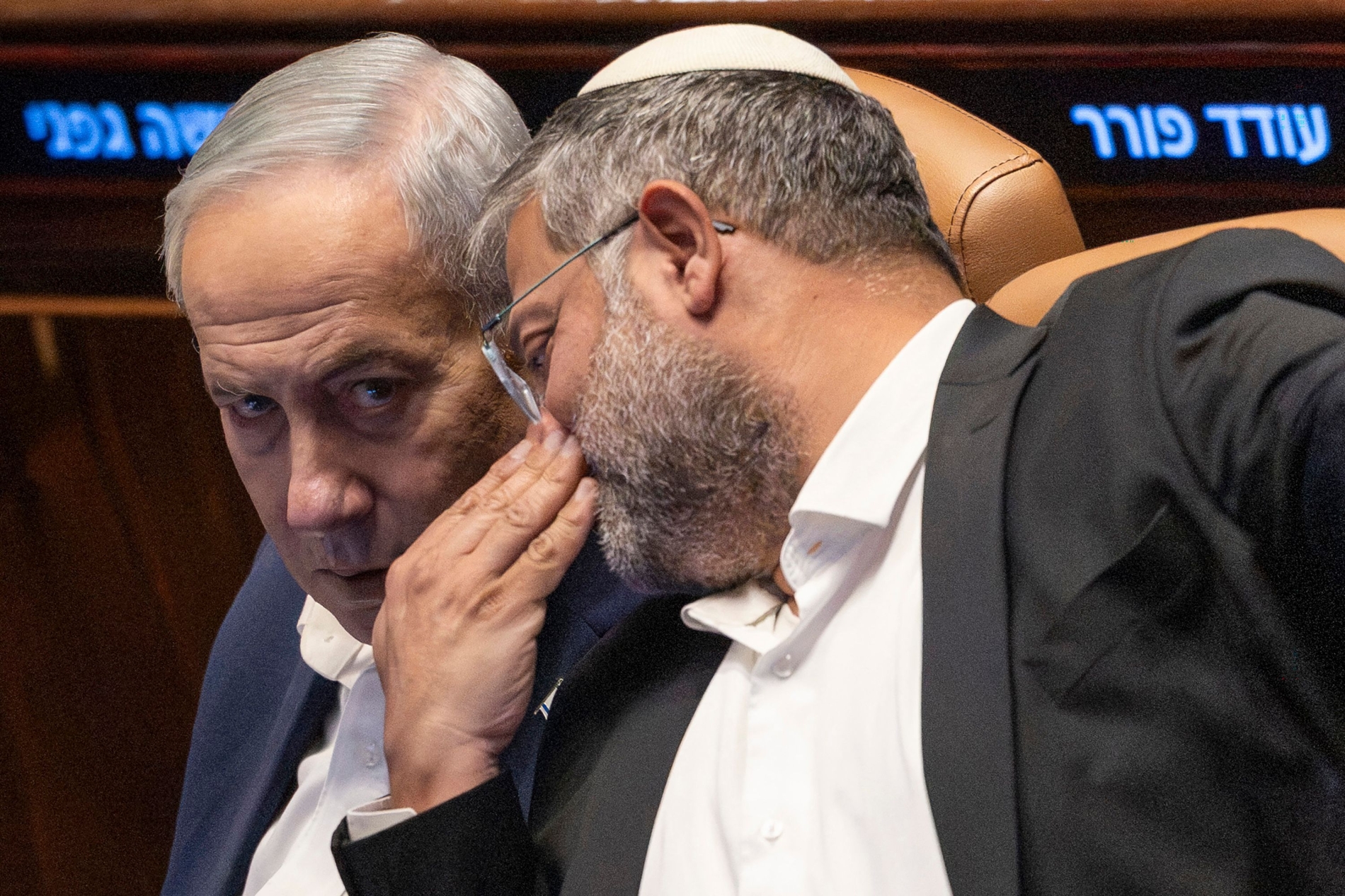
Since then, Israeli forces have attacked Gaza, Syria, Lebanon, Yemen, and Iran, while tightening control of the West Bank, but judging by the rhetoric from Israeli politicians, Israel’s ‘new enemy’ is Türkiye, or ‘the new Iran’ as some call it. Yet Türkiye is a NATO member, a US ally, and has a strong military. It therefore seems more plausible in the short-term that Netanyahu portrays Türkiye as a conceptual threat, rather than an adversary with which to go to war. In such cases, accidental contact is always a risk.
There no historical enmity between Türkiye and Israel, and there are many stories that bring Turks and Jews close. While Turks are not antisemitic, they see the current Israeli government and its followers as religious extremists with an expansionist agenda, seizing the territory of neighbouring states in-line with the broader aim of creating a ‘Greater Israel,’ as promised in the Torah.
History of help
Although many Turks object to the actions of the Israeli government, it would be a mistake to infer from this that they hate Jews, or that they want to annihilate Israel. Rather, it shows that they support a Palestinian state, and object to the injustices suffered by the Palestinian people. Antisemitism has been seen throughout European history, but has never been a part of Turkish culture. On the contrary, there is a long history of Turkish-Jewish coexistence and support.