One big happy family? NATO ‘survives’ Trump in Ankara

The Turkish and American presidents showed that they enjoyed a good relationship but there are still issues to be resolved, both between them and within the wider alliance

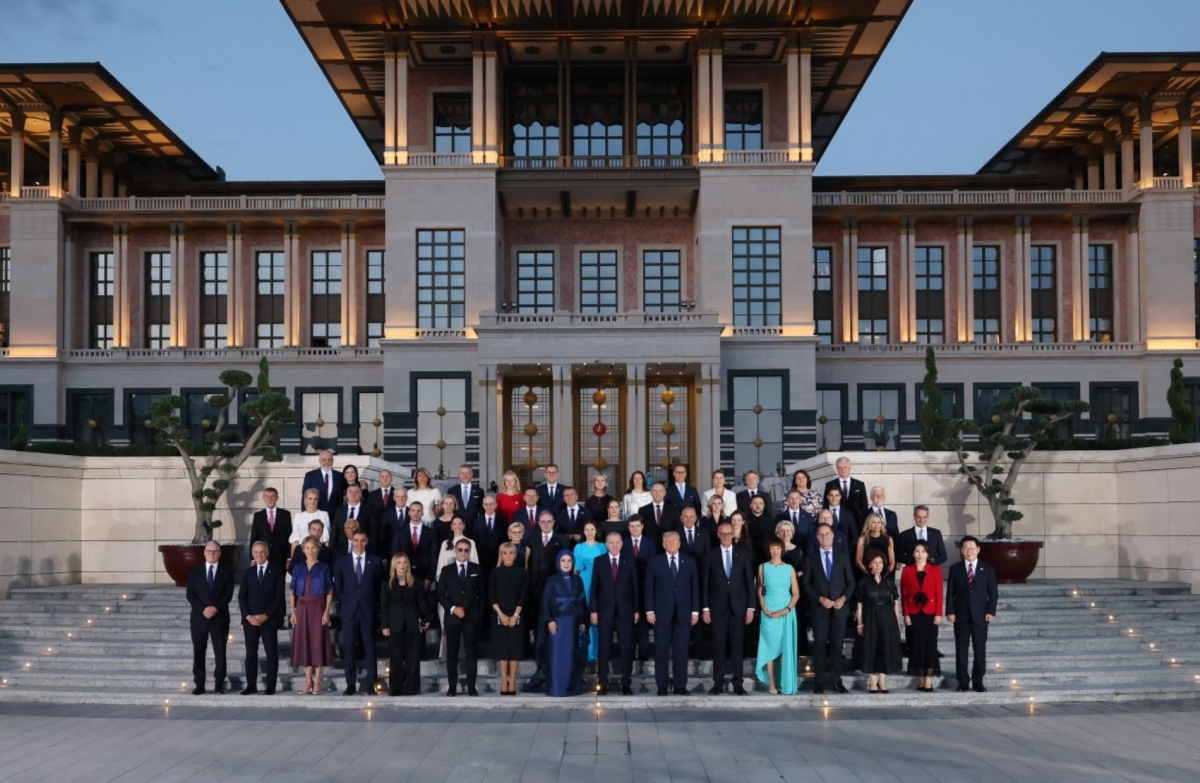
World leaders line up during the 36th NATO Heads of State and Government Summit
at the Presidential Complex in Ankara on 7 July 2026.
AFP
World leaders line up during the 36th NATO Heads of State and Government Summit at the Presidential Complex in Ankara on 7 July 2026.

One big happy family? NATO ‘survives’ Trump in Ankara

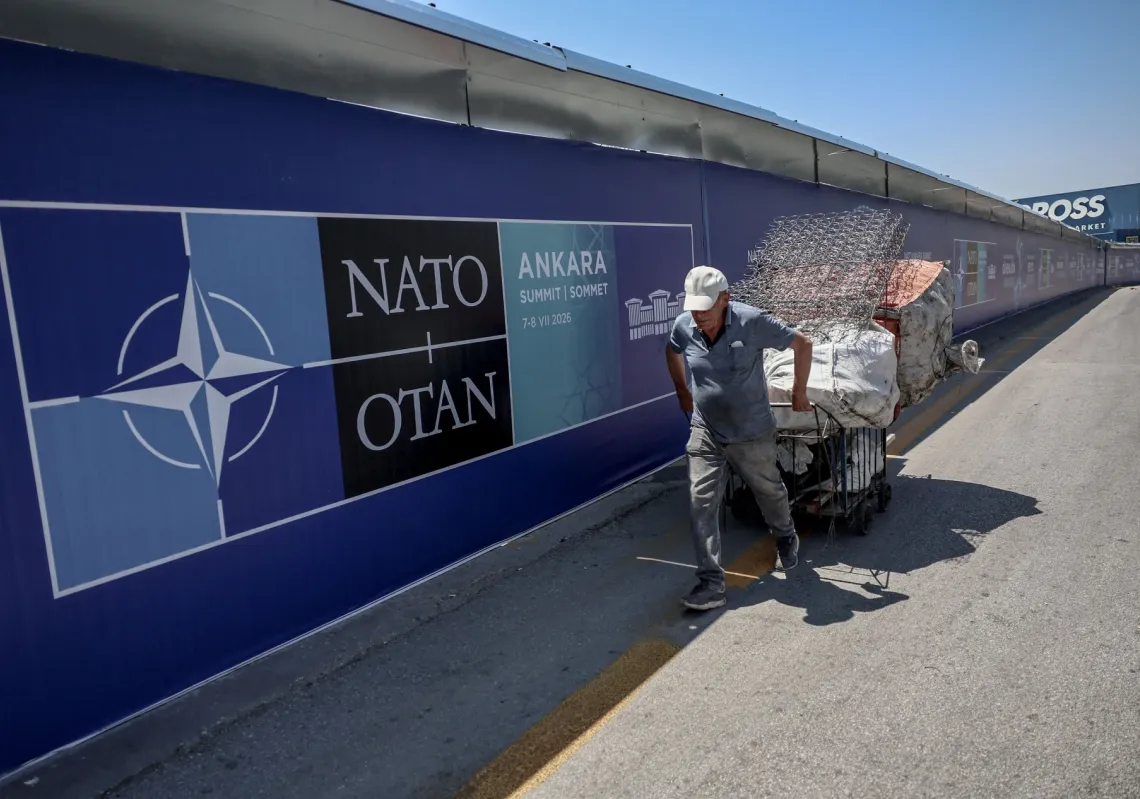
The latest North Atlantic Treaty Organisation (NATO) Summit has come and gone in the Turkish capital of Ankara, with headlines dominated predictably by US President Donald Trump, who lashed out at his allies for not supporting him against Iran. Prior to the event, he said he considered not attending, only to change his mind after the personal invitation of Turkish President Recep Tayyip Erdoğan, with whom there appears to be a warm rapport.

The world’s two most significant wars are being fought on NATO’s flanks, and in Türkiye’s neighbourhood: Ukraine to the west, and Iran to the east. The former has vexed NATO’s European members, who have wholeheartedly supported Ukraine against Russia’s invasion, while the latter was instigated by Washington and Tel Aviv. Israel is not a NATO member, and NATO was not consulted before the US-Israeli war against Iran began on 28 February, but Trump still blames NATO for not helping him reopen the Strait of Hormuz, a vital waterway controlled by Iran that has been closed to merchant shipping since Iran was attacked.

This context helps to explain some of the tension ahead of the two-day summit, with Trump’s comments recent appearing to cast doubt on the continued validity of NATO’s Article 5. A common defence pact, it says that an attack on one is an attack on all and commits all members to come to the aid of the state suffering an assault.

Common ground

In the final communiqué, NATO countries confirmed their commitment to collective defence, but equally, leaders did not shy away from expressing their differences. Trump took aim at Spain, Turkish and Greek leaders emphasised their differences regarding the Aegean Sea, and the Prime Minister of Denmark reiterated that Greenland was not for sale, warning the US to keep its hands to itself.

Still, differences did not spoil the day. The Alliance found common ground and was able to move forward. Established just after World War II, it has shown a remarkable ability to adapt to developments over the years, which has helped make it one of the most effective forms of multinationalism of its kind. NATO refers to the present era as ‘Phase 3.0’ (the third phase). The first was the Cold War, the second covered the post-Cold War era, and the third began when Russia invaded Ukraine in 2022.
Jonathan Ernst / Reuters
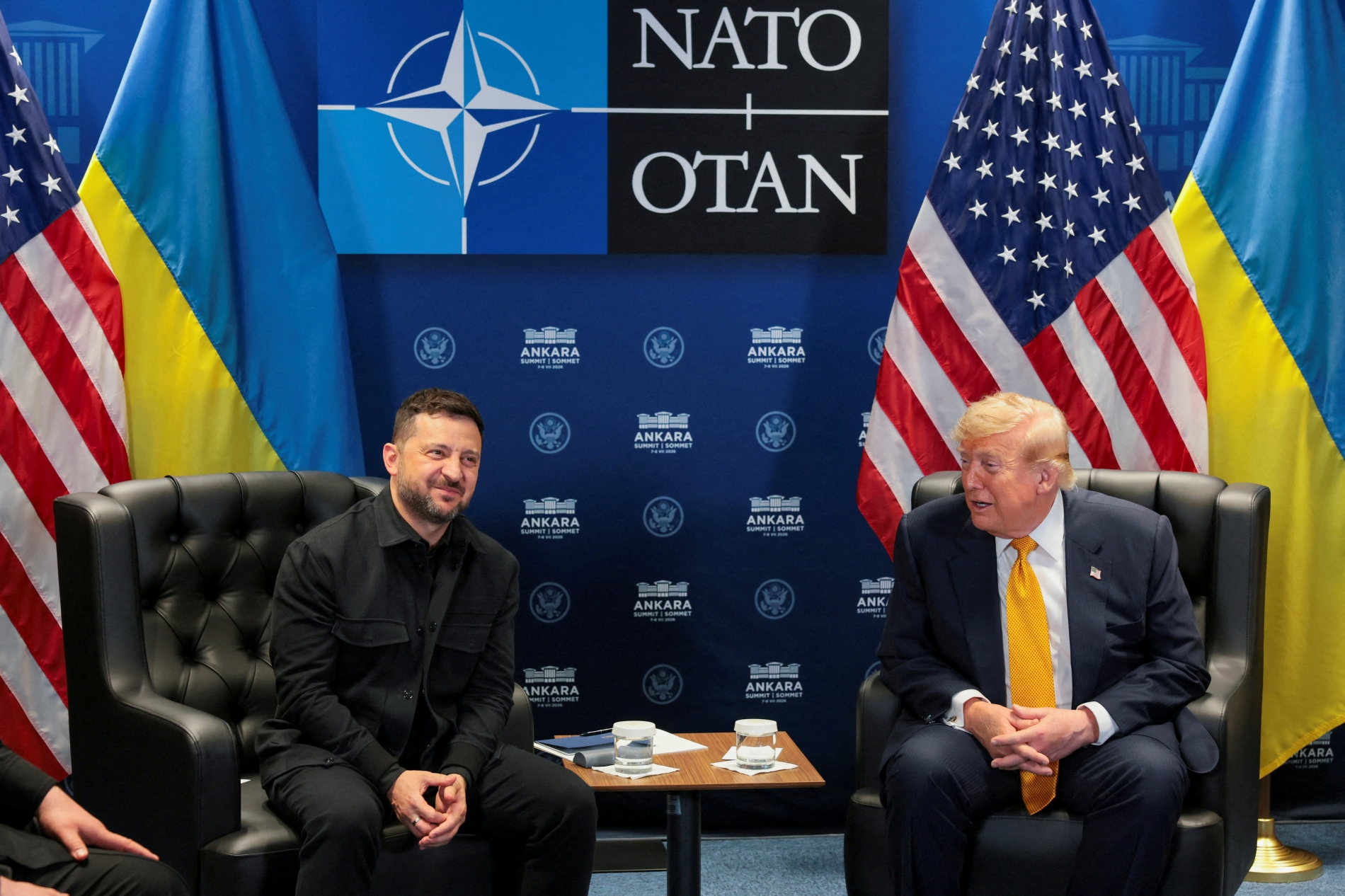
US President Donald Trump (R) holds a bilateral meeting with Ukrainian President Volodymyr Zelenskyy at the NATO summit in Ankara on July 8, 2026.

Last year in The Hague, NATO members committed to invest 5% of GDP annually on core defence- and security-related spending by 2035, and to further develop their defence industries. Last year, European allies and Canada increased their investments in core defence requirements by more than $139bn and announced another $50bn in new procurements.

They also want to expand their collective manufacturing capacity, working with industry to accelerate innovation, and the forum organised in Ankara as part of the Summit programme brought together member states and major defence companies, with several agreements signed.

Projects and investment

NATO Secretary-General Mark Rutte announced a multinational modernisation programme centred on the Airbus A400M transport aircraft and the Airbus A330 Multi-Role Tanker Transport fleet, a joint procurement project for MQ-4C Triton unmanned aircraft (surveillance and reconnaissance), and replacing NATO’s ageing Airborne Warning and Control System (AWACS) fleet.
Stephane Mahe / Reuters
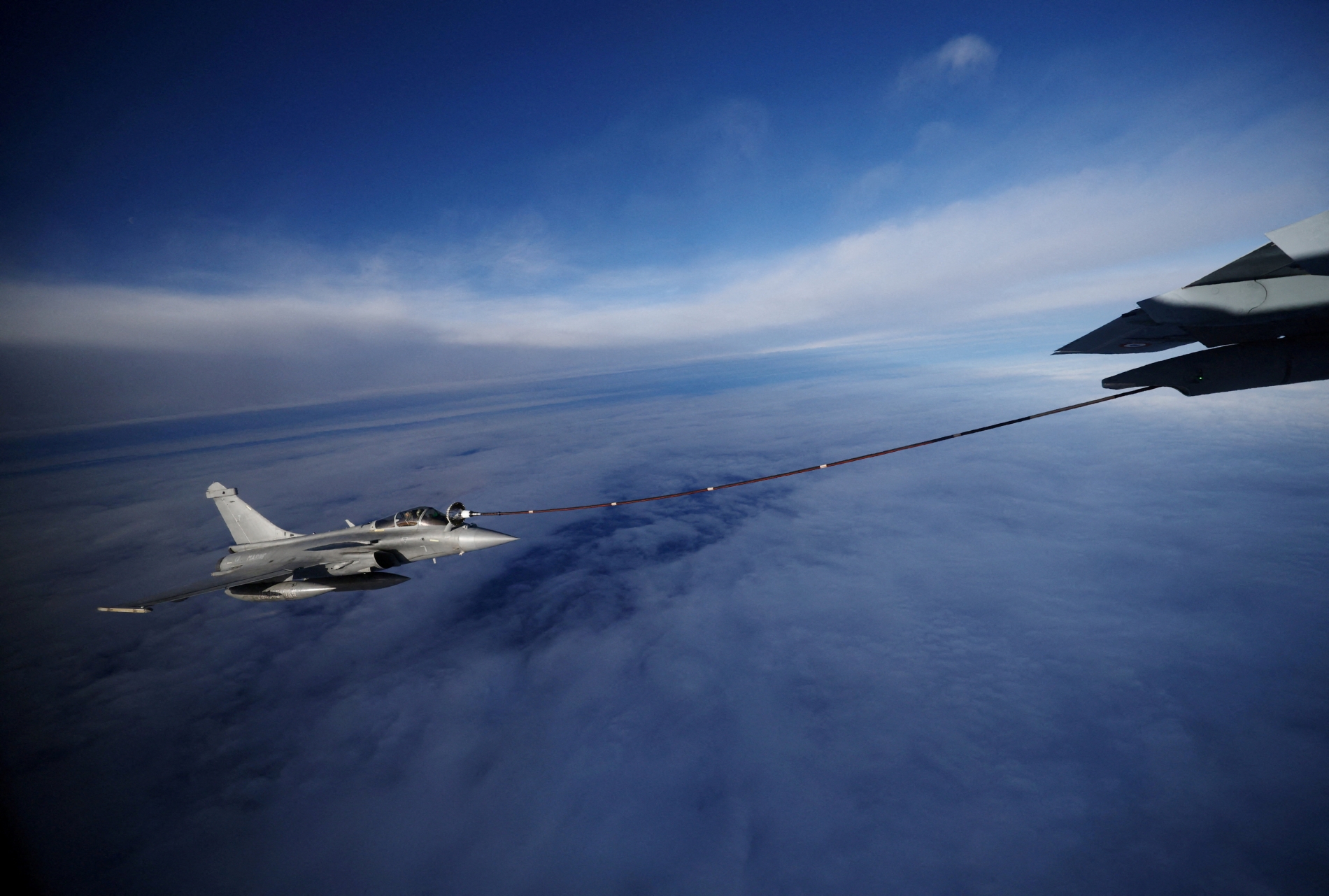
A French Navy Rafale fighter jet is refuelled by a French Air Force Airbus A400M military aircraft during a training exercise on 10 February 2026.

Russia was identified as posing long-term threat to Euro-Atlantic security and stability, and allies reiterated their support to Ukraine, pledging €70bn in military equipment, assistance, and training in 2026. Most of the security assistance to Ukraine is now provided by European states and Canada, to appease Trump that the conflict is no longer on US taxpayers.
Russia was identified as posing long-term threat to Euro-Atlantic security and stability, and allies reiterated their support to Ukraine

Ukrainian President Zelensky, who was also in Ankara, met leaders and delivered a speech, with Trump suggesting that the US would licence its Patriot missile defence system so Kyiv can produce its own. Currently, Patriots are the only form of protection against Russia's ballistic missiles, but NATO members need to maintain their own stocks, so Ukraine has asked to produce them under licence.

NATO allies agreed that Iran must never get a nuclear weapon and called on it to fully respect freedom of navigation in the Strait of Hormuz, but this was a positional statement, rather than a commitment of forces. Iran's attacks on commercial vessels transiting the strait of Hormuz occurred as NATO leaders convened in Ankara. Both the Russian missiles hitting Kyiv and the Iranian strikes against shipping were interpreted as messages of defiance. Trump declared in Ankara that the US-Iran ceasefire was "over" and that the US had resumed bombing, calling Iranian leaders "scum". In turn, Iran targeted US bases in several Gulf states and Jordan.

Ironing out issues

Talks between Presidents Erdoğan and Trump constituted a significant aspect of the summit both in terms of bilateral relations and Alliance-related issues. Several defence and arms procurement issues need to be resolved. This includes Türkiye's removal from the CAATSA sanctions; the delivery of five F-35s (for which Türkiye has paid); Türkiye's reinstatement into the F-35 programme; and the supply of the F-110 engines ordered for Turkish-made Kaan fighter jets. Trump seems keen to resolve things in a positive manner.

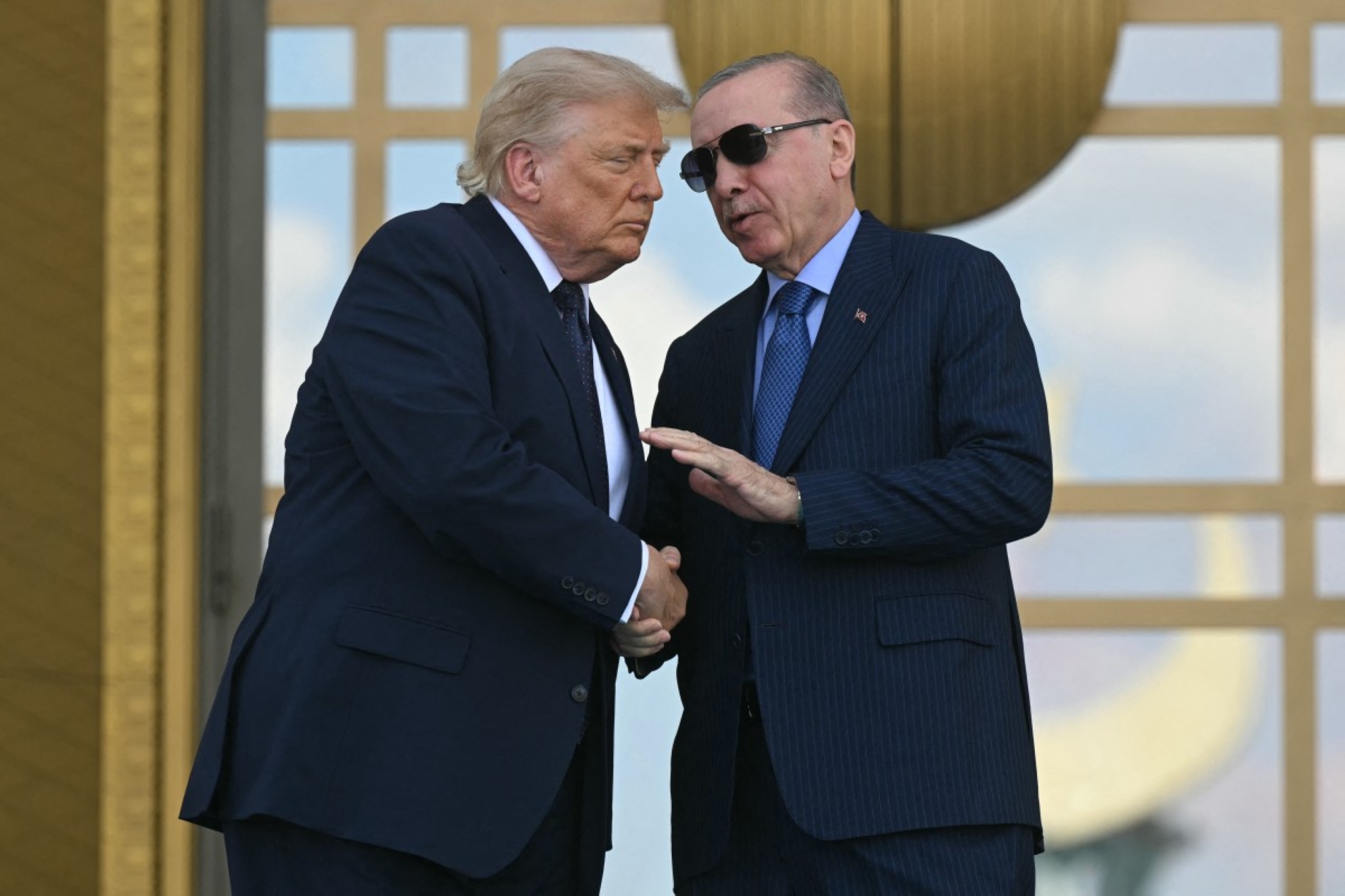
AFP
The 2026 NATO Summit host Turkish President Recep Tayyip Erdogan (R) greets US President Donald Trump on 7 July 2026.

Türkiye was well prepared for its guests, and all went smoothly throughout the Summit. Erdoğan stood at the entrance of his Palace offering a red-carpet welcome alongside soldiers dressed as Ottoman Janissary troops on one side and Republic-era soldiers on the other, with the Janissary Mehter Band playing war tunes. Greek newspapers grumbled that Prime Minister Mitsotakis was uncomfortable with it. 

Another unhappy actor is Israel, America's closest ally. Israeli Prime Minister Benjamin Netanyahu has alleged that the Erdoğan government is 'infected' by the Muslim Brotherhood, is not a friend of the US, and should not be given F-35 jets because this would undermine Israel's air superiority. Türkiye ridiculed these comments, noting that Netanyahu headed a government of radical, religious expansionists intent on occupying other countries and eliminating other peoples.

Ahmed al-Sharaa, Syria's transitional president, arrived in Ankara on the second day of the summit at Türkiye's invitation and met Trump. The US president praised him as a "strong person and great leader respected by everyone", adding that he intends to remove Syria from the US list of state sponsors of terrorism. Trump considers Syria to be a partner against terrorism and in dealing with Hezbollah in Lebanon, even though al-Sharaa is reluctant to commit troops to the latter.

In summary, the Ankara Summit did not resolve all the differences amongst the allies, nor did it mend relations between Trump and others, but it reaffirmed NATO's unity and solidarity, with European states now assuming a more prominent role. As a participant put it, NATO "survived" Trump in Ankara. In 2026, that is a victory.

font change