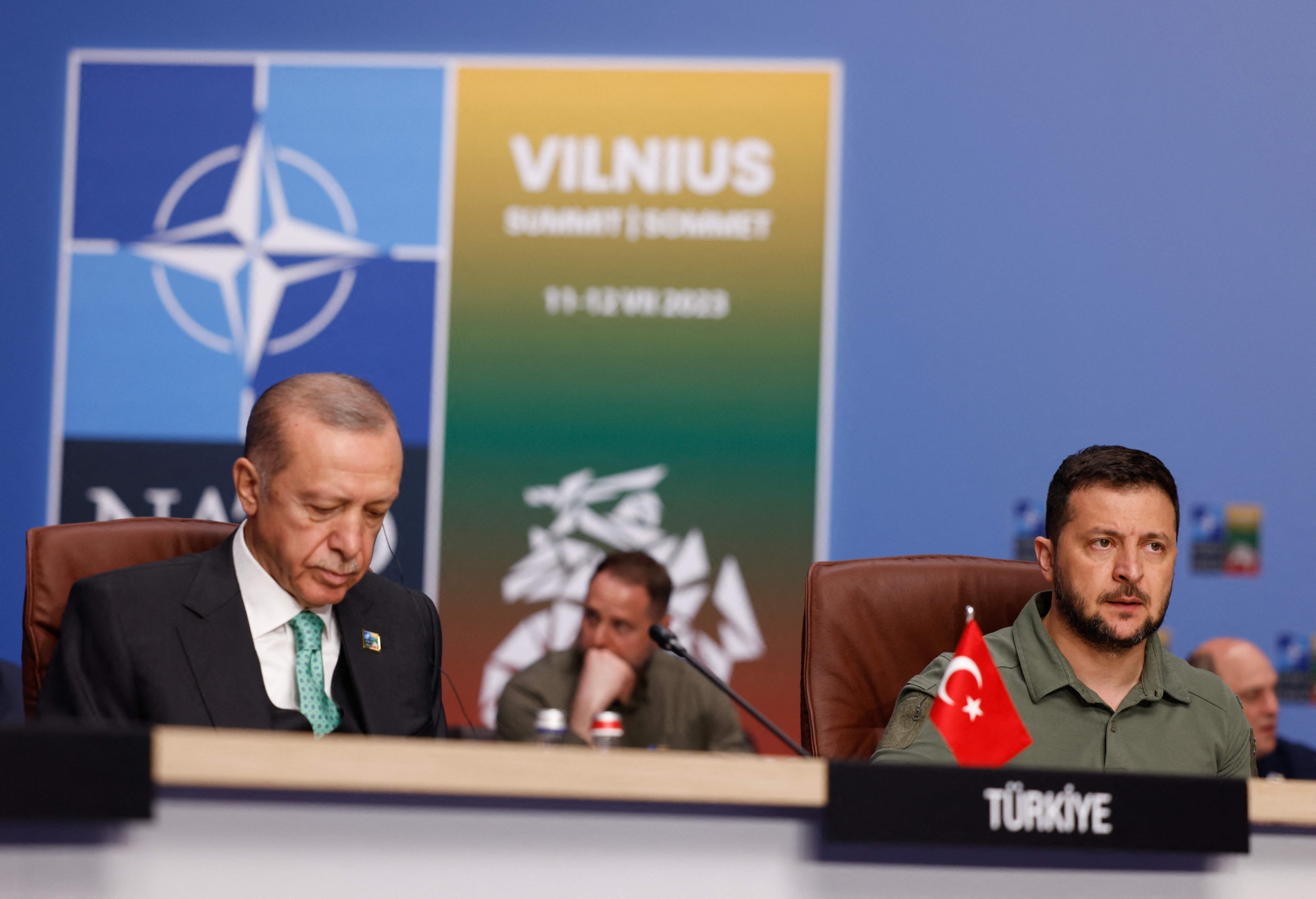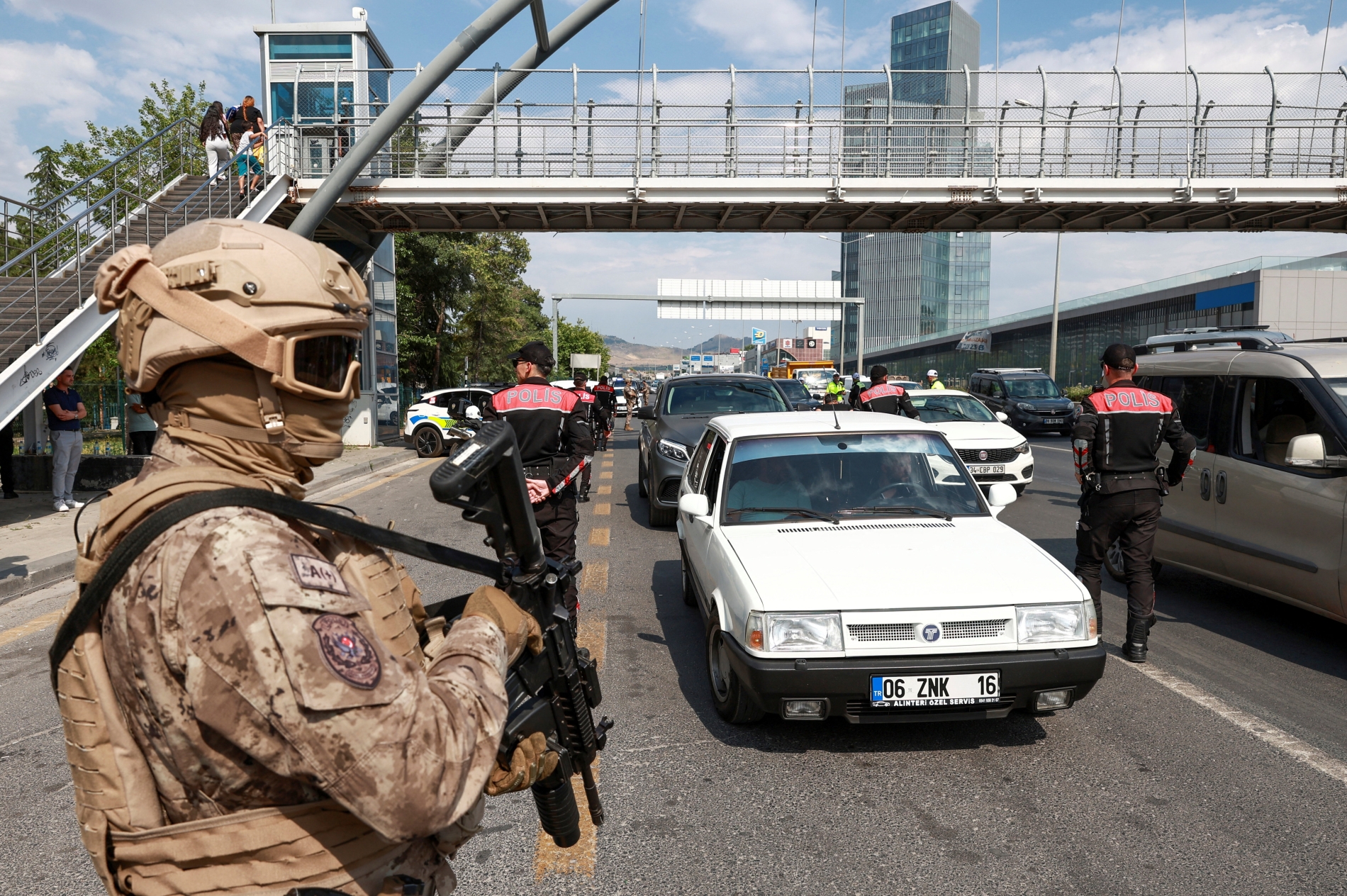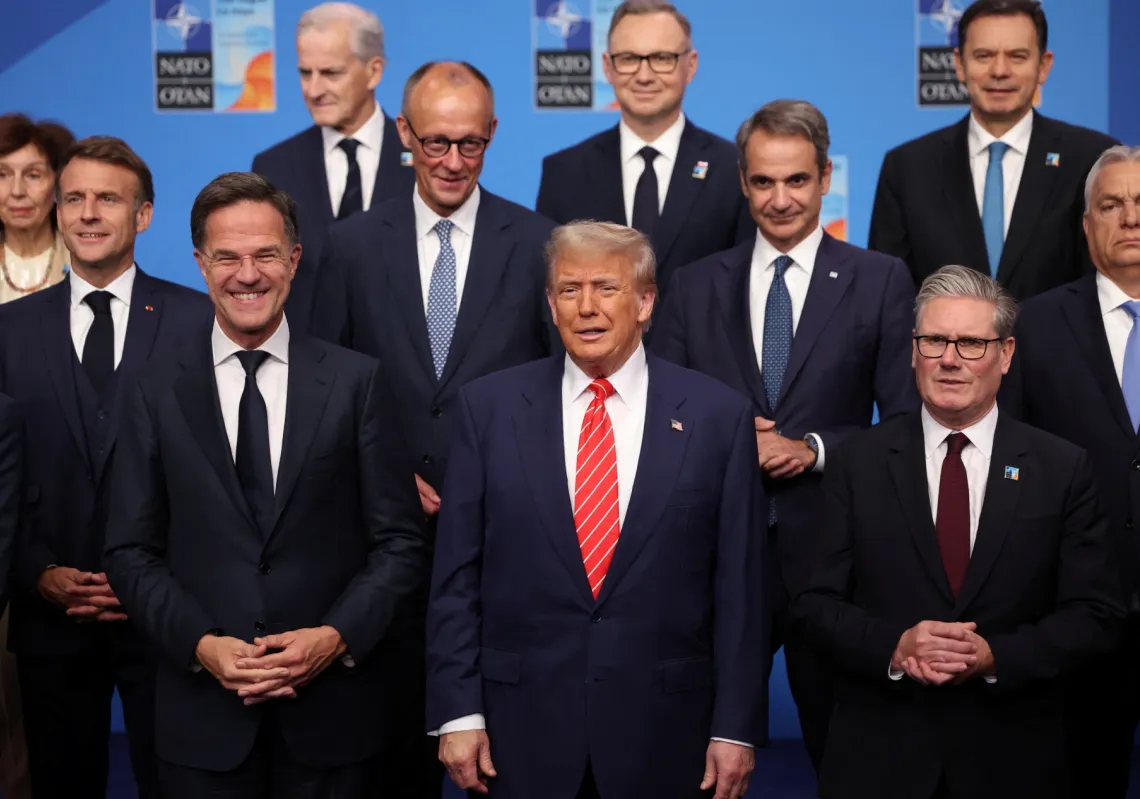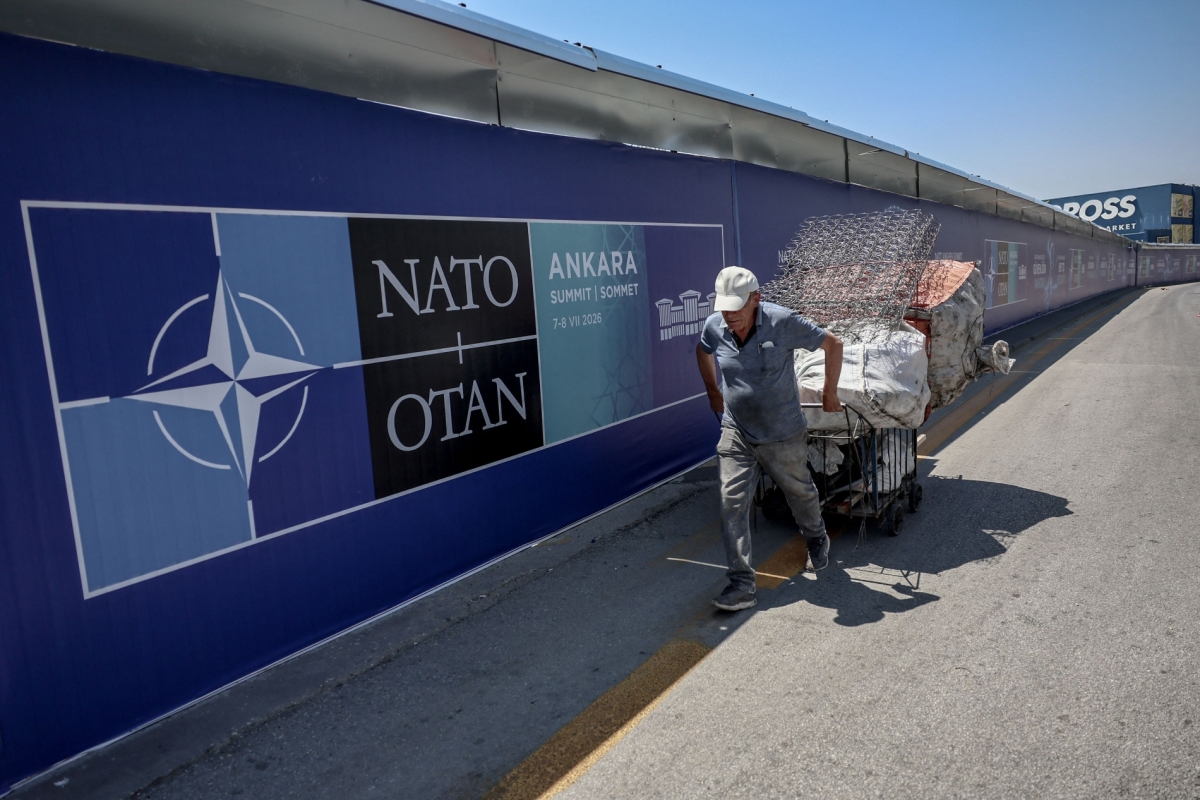

The 36th NATO Summit, being held in Ankara this week on 7-8 July, takes place at a time of major geostrategic developments and crunch decisions about the future of the North Atlantic alliance. War in Ukraine, the Gulf, the Middle East and North Africa, alongside military operations in South America, has shattered any sense of international security, just as European security architecture is being restructured, the Middle East is being reshaped, and transatlantic relations are strained.
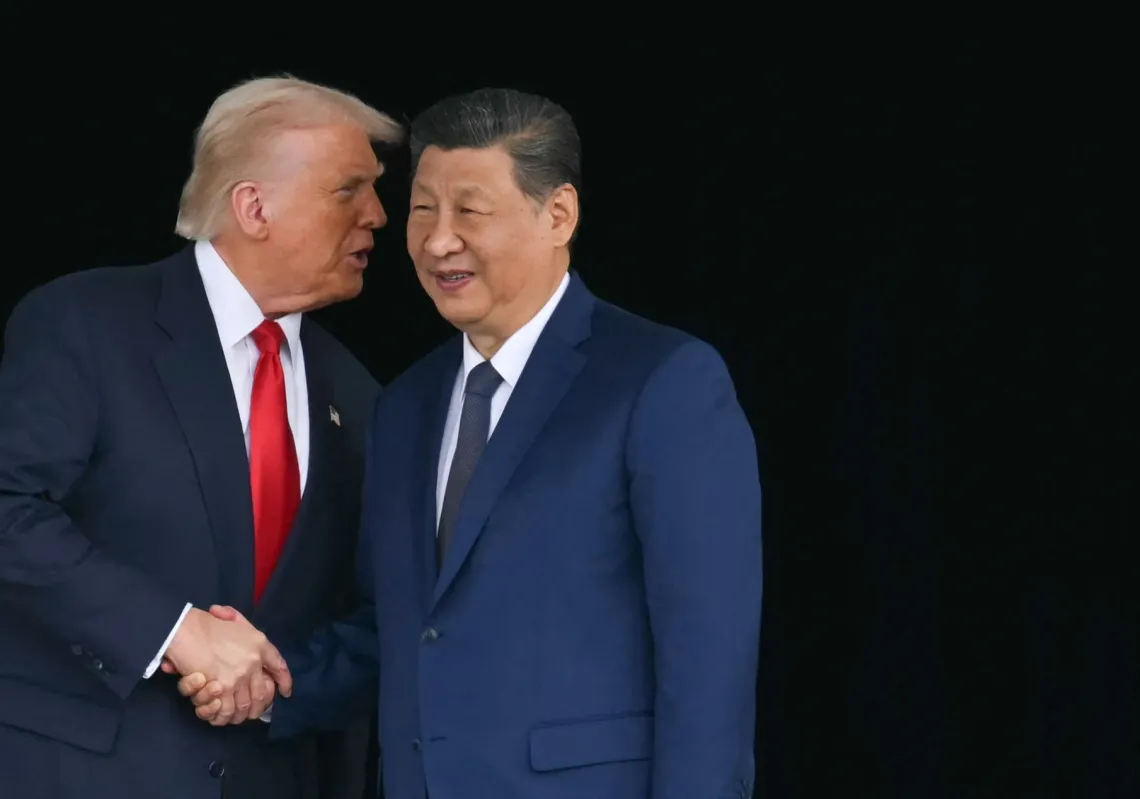
US President Donald Trump’s views, style, and comments have alienated many allies, both in Europe and beyond, raising doubts as to whether the United States would support them if they were attacked by a more powerful foe, such as Russia or China, two countries whose leaders Trump appears to prefer. In a social media post just days before the summit, Trump said it was “ridiculous for the US to continue along this one-sided path when the relationship is not reciprocal,” before referencing Iran by saying: “They were not there for us!!!”
Trump has not explicitly abandoned NATO, but considers America’s alliance commitments to be a burden, and has criticised fellow treaty members for failing to help reopen the Strait of Hormuz, after US-Israeli attacks against Iran. Such is the ill will that he said he would not have attended the NATO Summit in person had he not been specifically asked by Türkiye’s President Erdoğan.
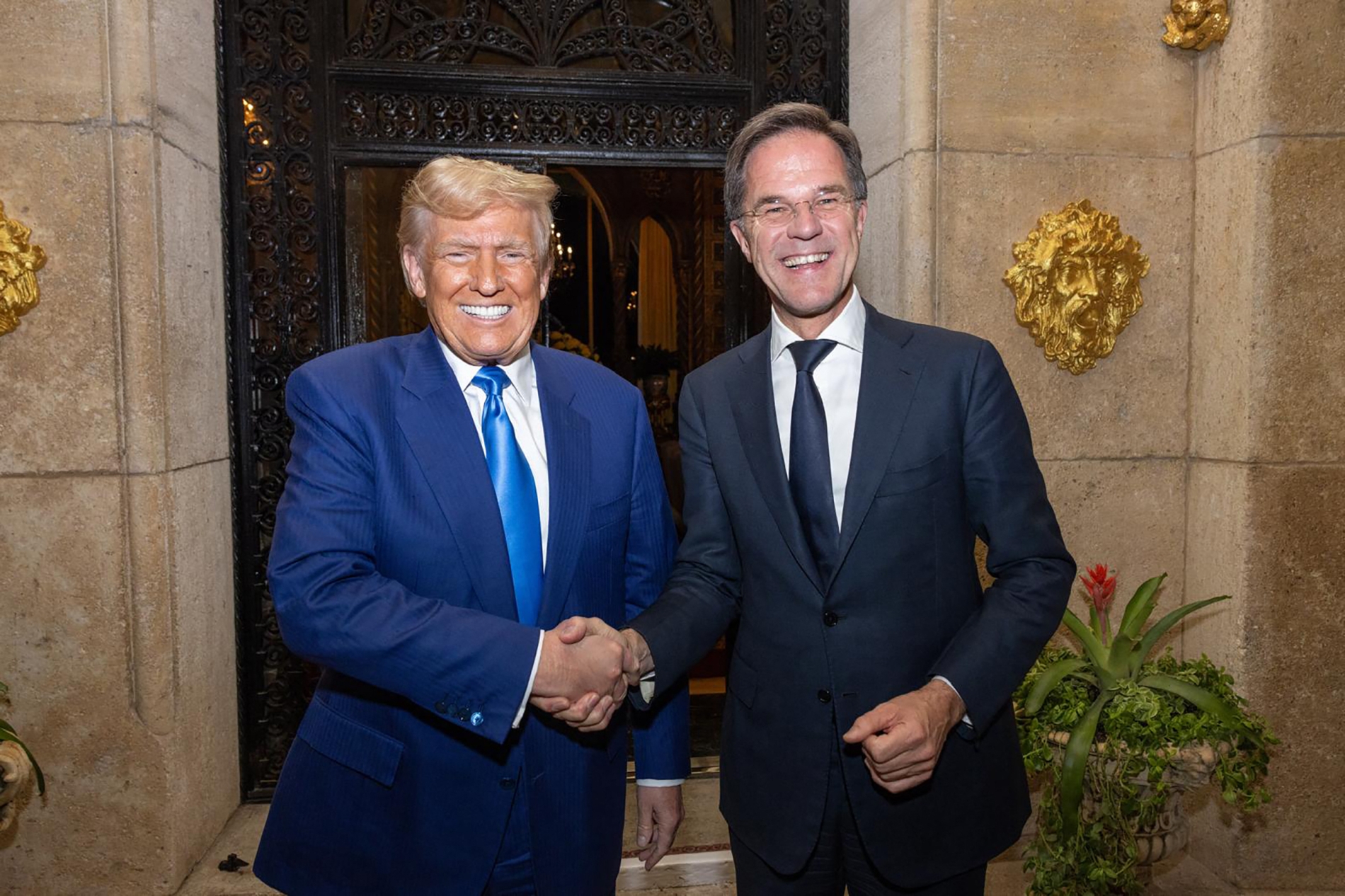
Optimists hope that the summit will be a demonstration of unity and implement steps to reform NATO for a third time, creating a kind of NATO 3.0. Others say it will be a success if it simply ‘survives Trump’. A priority for NATO chief Mark Rutte is to ease tensions between the United States and Europe. Erdoğan, who has a good relationship with Trump, will help Rutte with this task. Given Trump’s style and politics, possible friendly gestures in Ankara would not necessarily be a sign that all problems have been overcome.
No big announcements are expected, but participants may reaffirm their commitment to Article 5, the common defence pact at the core of the 1949 treaty, which states that an attack on one is an attack on all. The focus for observers has fallen on NATO 3.0, a concept used to describe the transformation of the alliance (the NATO of the Cold War gave way to NATO 2.0 in the post-Cold War era). Rutte describes it as a new path in which the alliance is less dependent on the US yet remains firmly rooted.
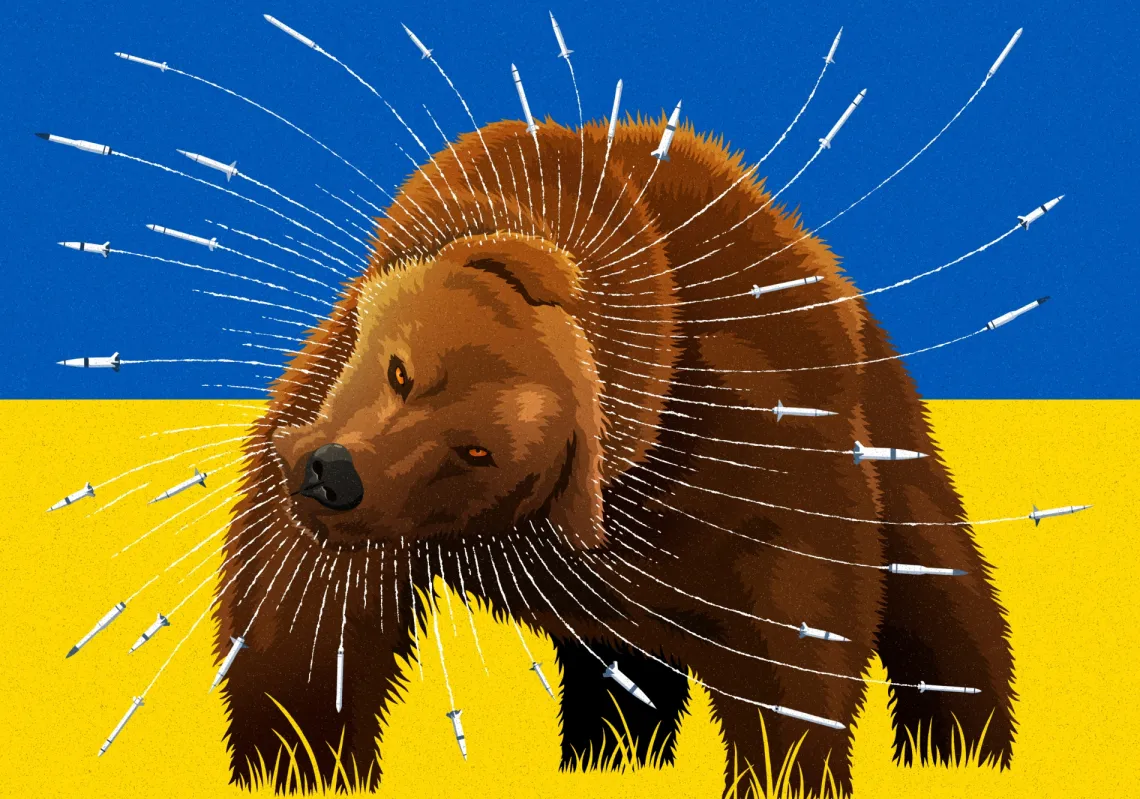
Support for Ukraine is expected to be reaffirmed in Ankara. NATO has been coordinating the delivery of military assistance, training and other critical support to Ukraine from Allied nations and partners. Trump’s goal is to reduce America’s burden of European security, pushing Europe to take on more responsibility.
At the 2025 NATO Summit in the Hague, Trump got NATO allies to agree to increase their defence spending to 5% of GDP (gross domestic product) by 2035, but has recently ordered the withdrawal of 5,000 US troops stationed in Germany and cancelled new troop deployments in both Germany and Poland.