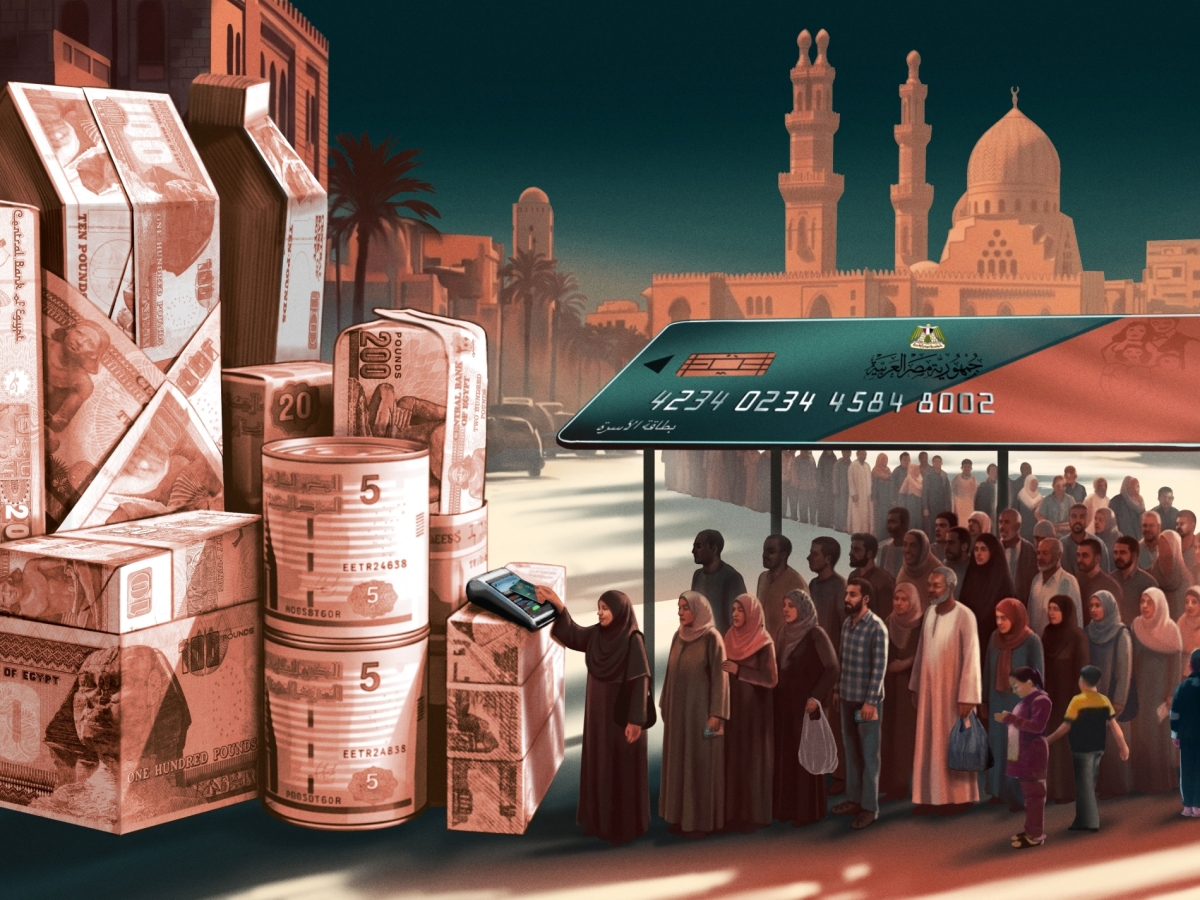

Egypt is to completely overhaul its decades-old product-based ‘tamween’ food subsidy system that offers tens of millions of Egyptians staple foods for a fraction of their normal price, replacing it with a cash-card. The move reflects the government’s desire to reform an inefficient system that is not reaching those most in need of support, but it runs the risk of stirring widespread anger.
According to the government, those who register in the new scheme will get smart cards to which money will be transferred each month. This can then be used to buy food and other essentials from supermarkets. There are no details yet as to how much money cardholders will get. The current product-based system gives each registered family member a small amount of staple foods such as rice, pasta, cooking oil and sugar, every month.
It costs the state vast amounts every year. In the fiscal year 2025/26, the government spent around $3.6bn on food subsidies, with much of this earmarked for bread subsidies. Currently, people get five loaves for 15% of the market price. To feed the 71 million people registered in the national bread subsidy system therefore requires the government to effectively buy almost 350 million loaves.
Lessons from the past
Food rationing is a serious issue in Egypt, given that rising inflation is making food unaffordable for millions. For the first time since World War II, the government has introduced rations, with bread an essential component of the Egyptian diet. These rations have kept the around 21 million families in the food subsidy system afloat, amidst a period of economic challenges and the fluctuating purchasing power of the Egyptian pound.
Older Egyptians still remember the 1977 riots, after late President Anwar Sadat raised the price of bread and other staples, so until now, no Egyptian government has wanted to change the system for fear of the public backlash. “There was always this feeling that the public wouldn’t accept any change to the food subsidy system,” says Yumna al-Hamaqi, an economics professor at Cairo University, speaking to Al Majalla. She called for better management, so support reached those who needed it.
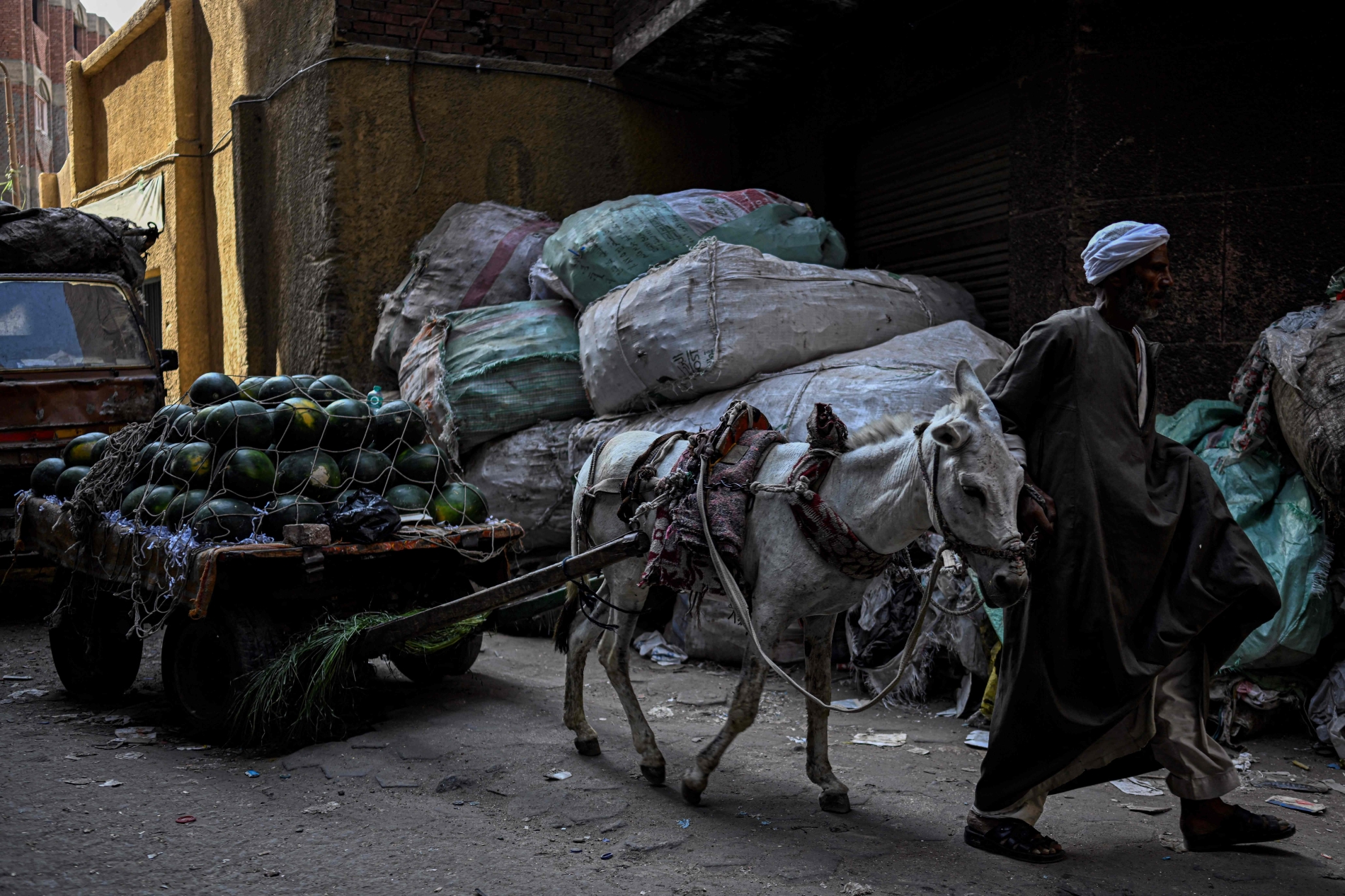
The government has wanted to replace the product-based food subsidy system with cash support for a long time, and have made up their mind to initiate the reforms. The old food rationing system will be ditched imminently, possibly by the end of the month, according to officials, who say the new system will be a tiered, offering the poorest families the highest level of financial assistance. This means that families will be categorised by income.
Better targeting
On June 14, Prime Minister Moustafa Madbouli said the goal of the overhaul is to make the subsidies more targeted to those most in need. By pinpointing these families, the government hopes to help eradicate poverty and increase the efficiency of Egypt’s social protections.
“The product-based system contains loopholes that prevent state support from reaching the poor,” says Abdel Monem Khalil, the former head of the Domestic Trade Sector at the Ministry of Supply, speaking to Al Majalla. He expected the new system to funnel financial support to eligible citizens, which would help reduce poverty.