Trump's Libya deal: a 'forced marriage' between East and West?

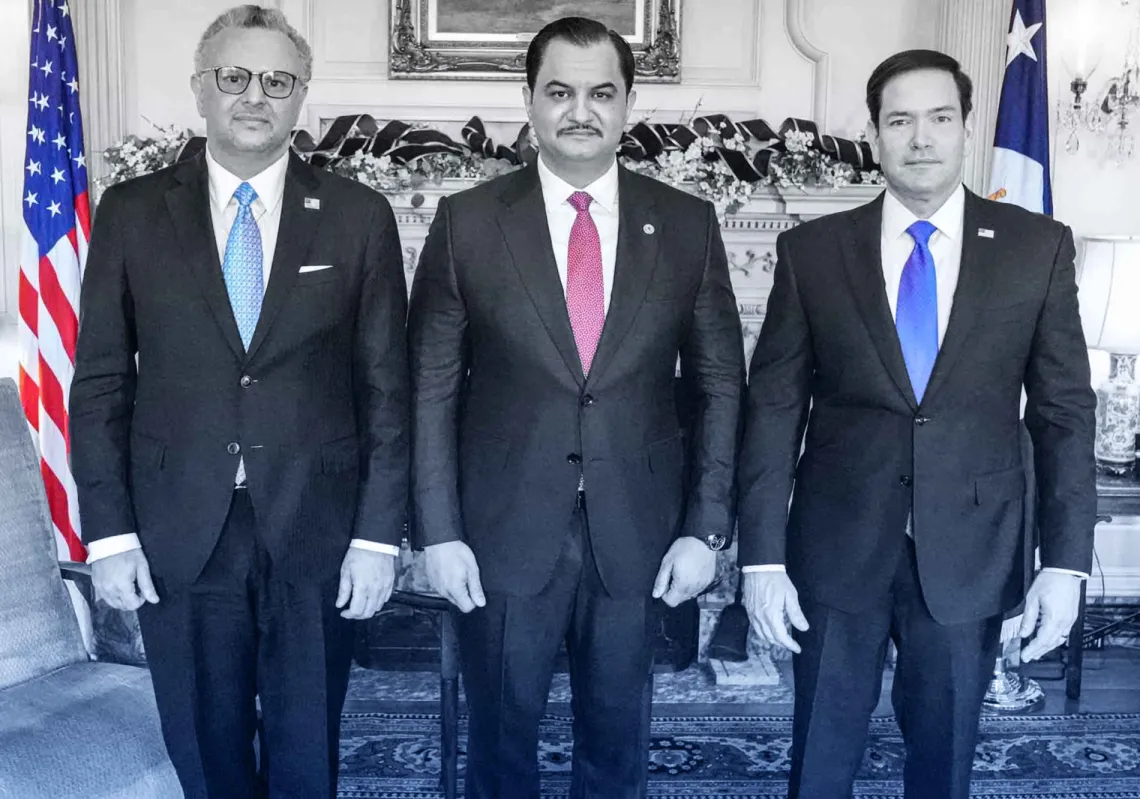
The Haftar family in the east and the Dbeibeh family in the west are both influential players in the Tripoli-Benghazi standoff, but envoys from the US and UN are trying to find a way through.

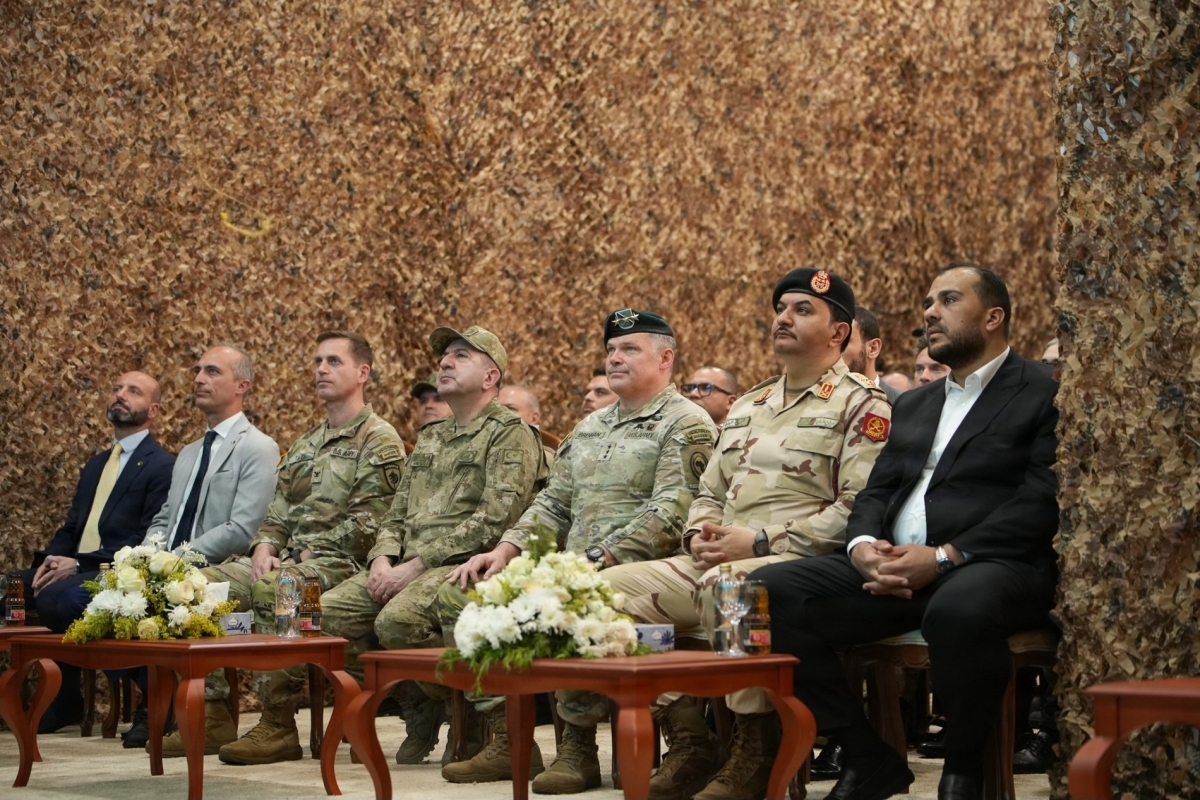
High-ranking leaders from Türkiye, Libya, and the United States during the opening ceremony of the "Flintlock-2026" exercises in Sirte, Libya, on 14 April 2026.
AFRICOM
High-ranking leaders from Türkiye, Libya, and the United States during the opening ceremony of the "Flintlock-2026" exercises in Sirte, Libya, on 14 April 2026.

Trump's Libya deal: a 'forced marriage' between East and West?

In Libya, there is little enthusiasm for a roadmap unveiled in August 2025 by Hanna Tetteh, the United Nations envoy tasked with steering the country out of a prolonged crisis, in which the country is divided between two rival camps, in the east and west. She is the latest in a long line of envoys—more than eight since 2011—who have tried and failed to restore stability to a nation that is politically fragmented following armed conflict and economic decline.

The UN mission is criticised, but in reality, any solution in Libya has become hostage to foreign interests that neither Libyans nor UN mediators can meaningfully counter. Statements from the UN Security Council and elsewhere continue to insist that the solution must be “Libyan‑owned and Libyan‑led,” but the levers of power lie beyond Libya’s borders.

Last year, Field Marshal Khalifa Haftar, commander of the Libyan National Army in the east, sought to revive the notion of a purely Libyan solution. This prompted a joint statement from ten Western and regional states in November, rejecting any settlement that excluded influential actors in western Libya.

A week later, Massad Boulos, senior adviser to US President Donald Trump for Arab and African affairs, revealed that he had orchestrated the statement. By then, Boulos had already begun crafting a political formula designed to bring together Tripoli (in the west) and Benghazi (in the east) to secure their support for a comprehensive political, military, and economic arrangement.

Boulos reaffirmed this approach during a meeting in Paris in January that brought together Saddam Haftar—who serves as deputy to his father—and Ibrahim Dbeibeh, the national security adviser in Tripoli and nephew of Prime Minister Abdulhamid Dbeibeh. In April, representatives from east and west agreed on unified development spending. That same month, alongside American, British, Italian, and Turkish troops, their armed forces then jointly participated in the annual US-led Flintlock military exercises co-hosted in the Libyan city of Sirte.
AFRICOM
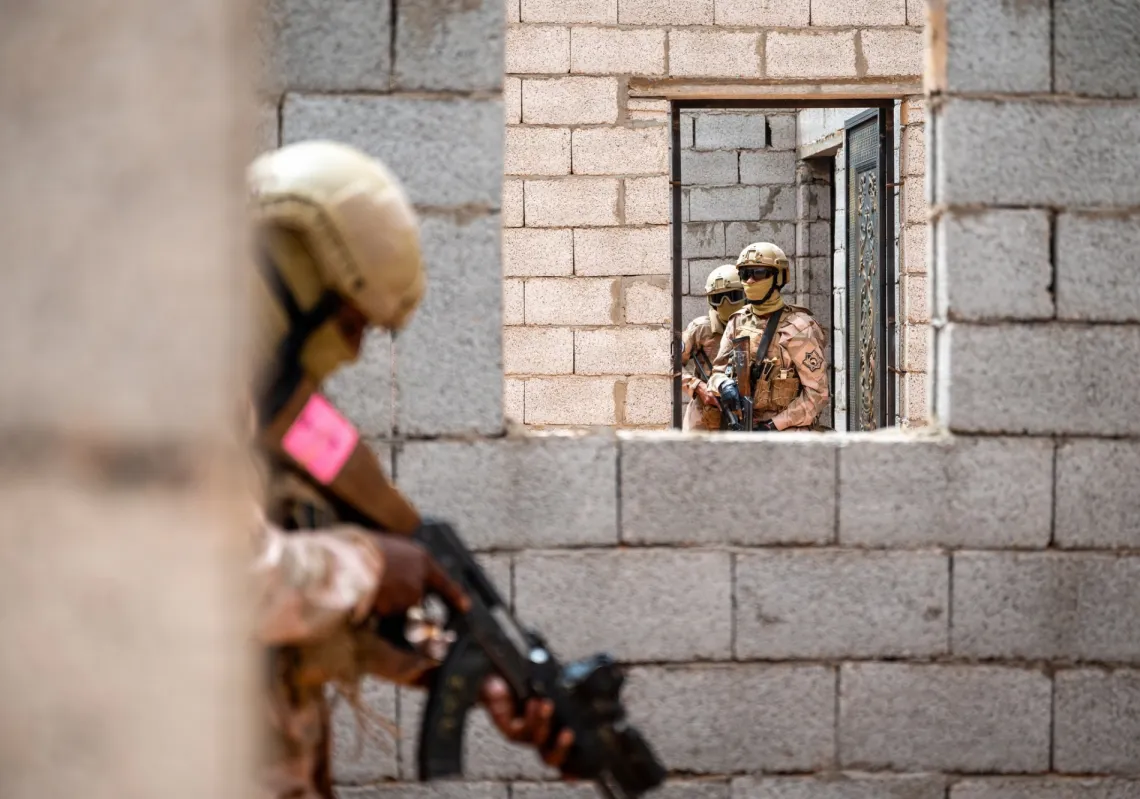
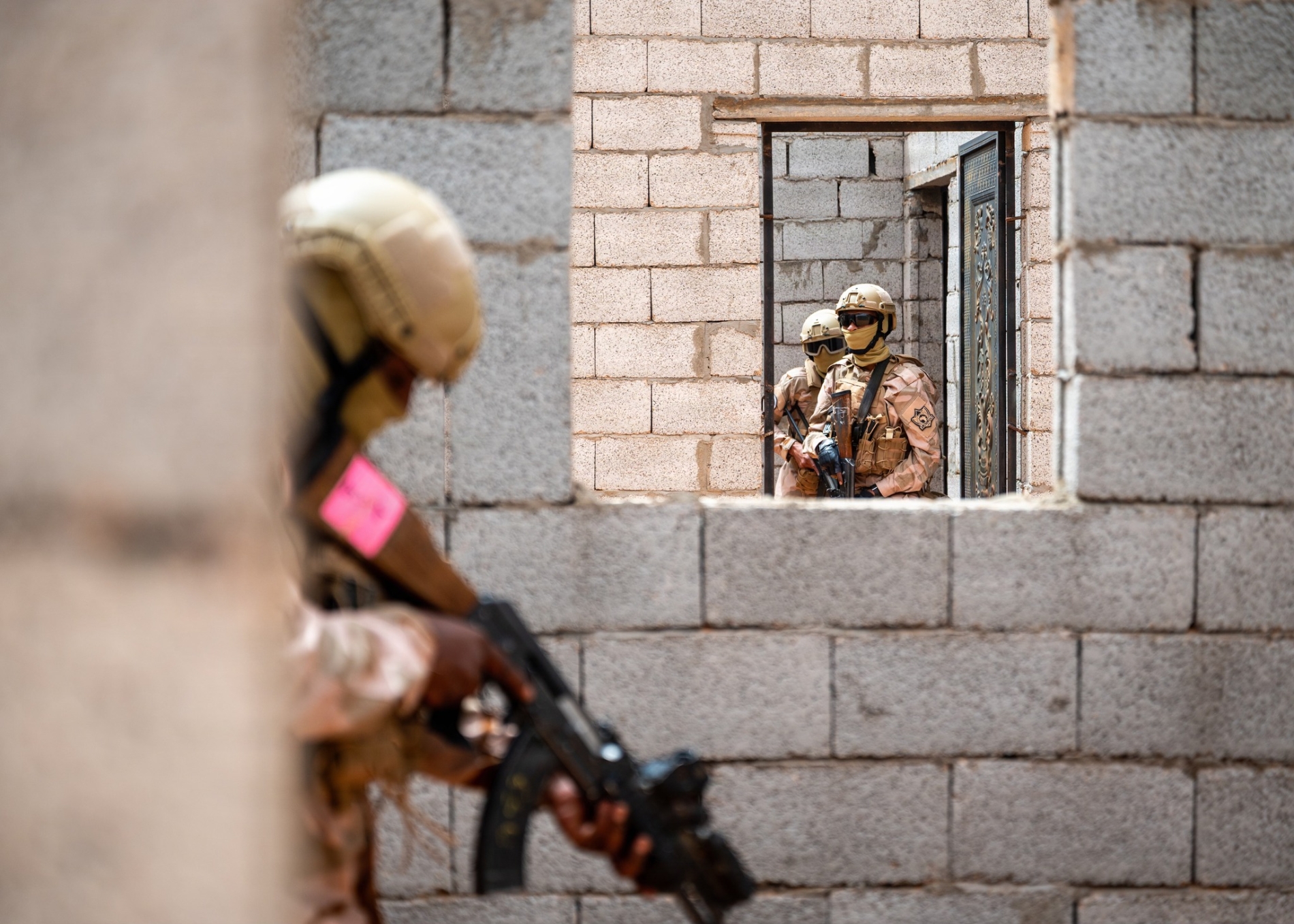
Soldiers from the Libyan Joint Forces during the opening ceremony of the "Flintlock-2026" exercises in Sirte, Libya, on 14 April 2026.

Power-sharing

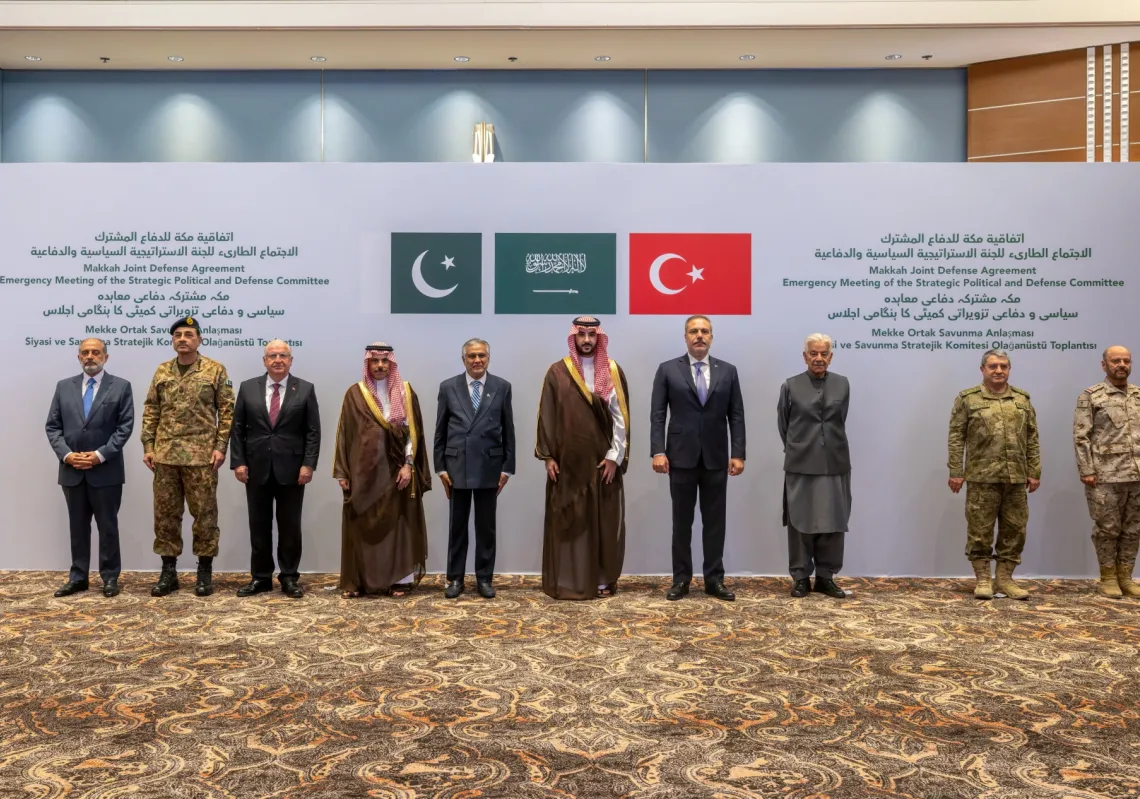
Although Boulos has avoided disclosing the full details of his proposal, leaks suggest a power‑sharing arrangement that would keep Abdulhamid Dbeibeh as prime minister of a unified government, while elevating Saddam Haftar to the presidency of the Presidential Council. His efforts were also evident during a meeting in El Alamein on 20 June with the foreign ministers of Saudi Arabia, Egypt, and Türkiye.

The following day, Egypt’s intelligence chief, Maj. Gen. Hassan Rashad travelled to Tripoli for talks with Dbeibeh. This showed that Cairo wants to be heavily involved in any political realignment in Libya, with which it shares a 1,115km border. Egypt’s relations with Haftar’s camp have been strained of late, due to the latter’s support for Sudan’s Rapid Support Forces, which Cairo considers to be a threat to its national security.
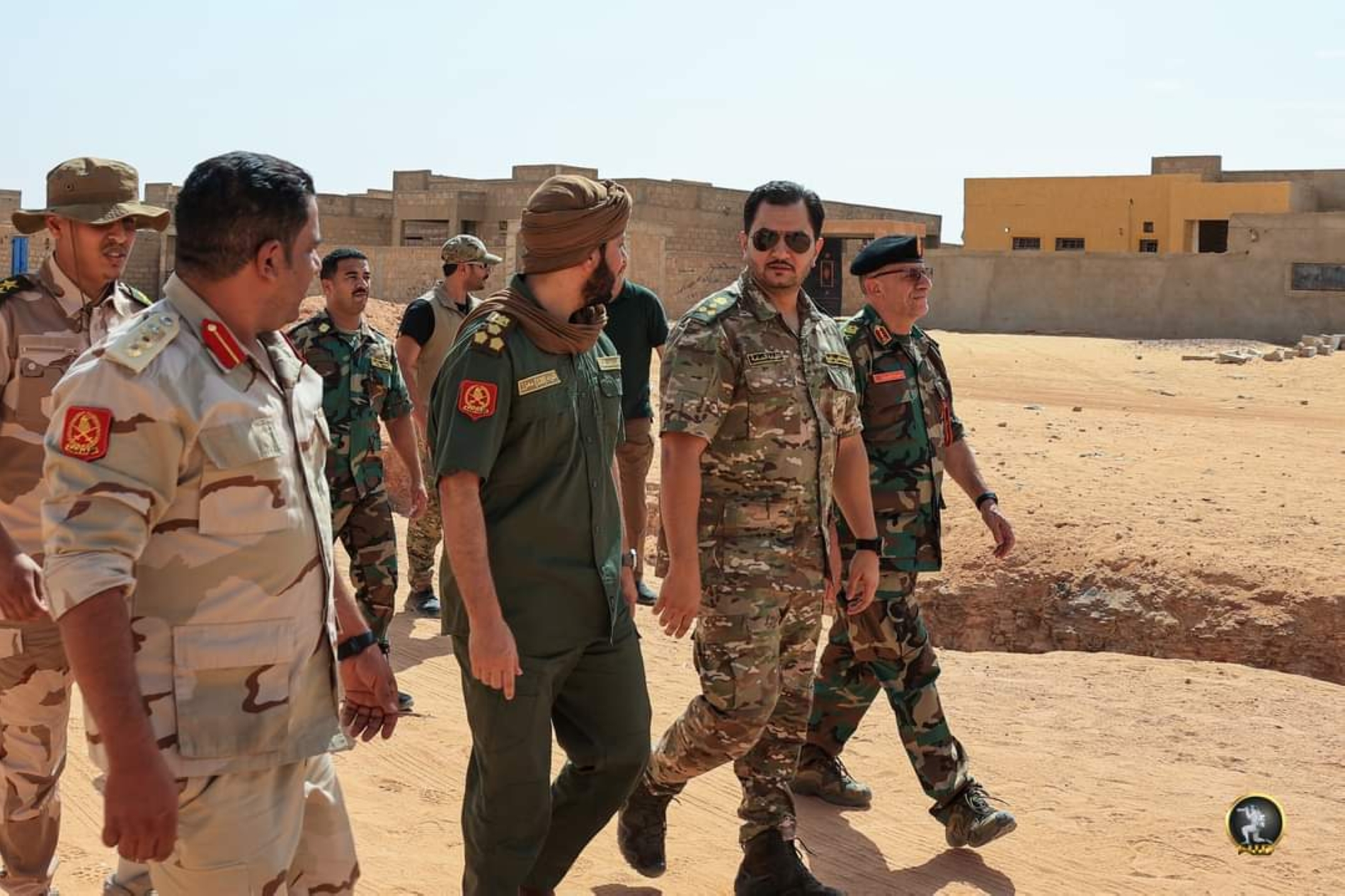
The UN insists that a solution must be "Libyan‑owned and Libyan‑led," but the levers of power lie beyond Libya's borders.

Two days before Tetteh's briefing to the Security Council on 18 June, the heads of the Presidential Council, the House of Representatives, and the High Council of State issued a joint statement proposing elections next February while maintaining the current institutional structure. This was seen as pre‑empting the UN envoy and countering the emerging American track.

Benghazi responded. The General Command issued a statement explicitly endorsing the Boulos plan, and 47 members of the House of Representatives soon followed with their own declaration of support. Even Islamists joined the chorus, with Abdul Hakim Belhaj backing the plan from Tripoli (although he urged Boulos to reveal its details). In contrast, Sadiq al‑Ghariani, Libya's mufti, vehemently rejected any arrangement that would elevate Saddam Haftar. His opposition is shared by influential groups in Misrata, the prime minister's hometown.

Media Division – Libyan Army
This video grab shows Saddam Haftar overseeing operations in Southern Libya.

Quiet concern

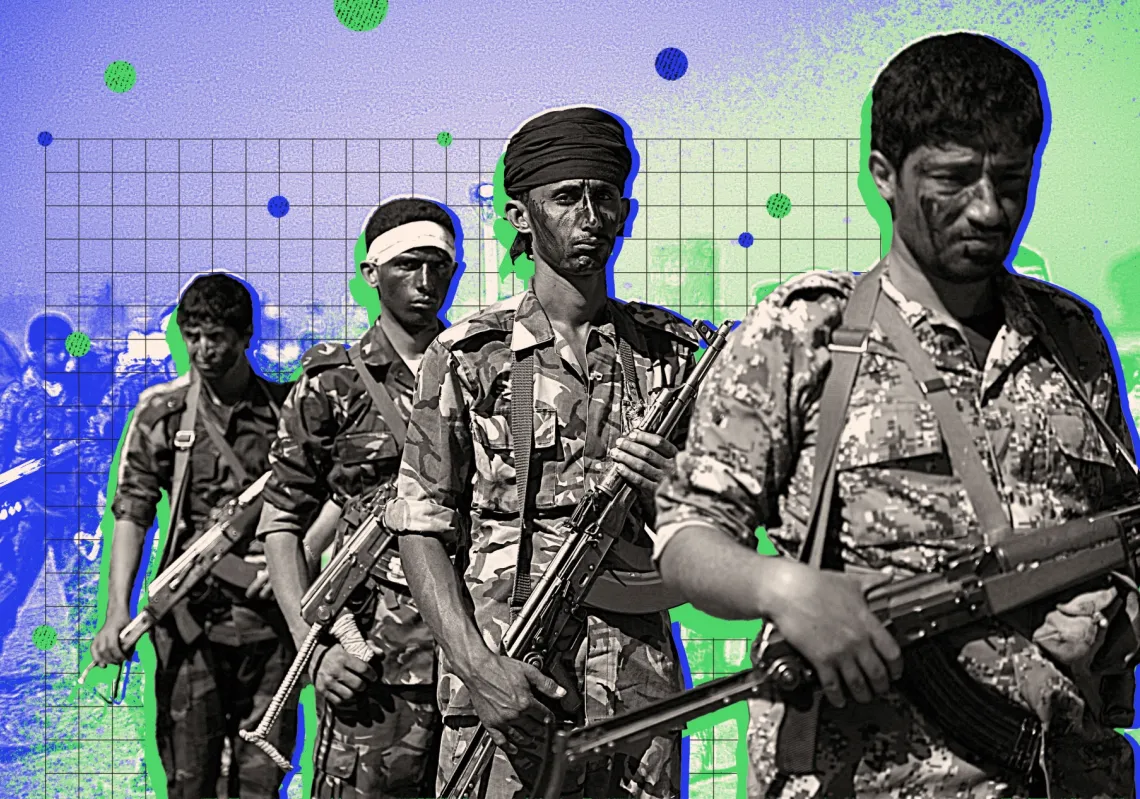
Beyond these vocal factions lies a broader, quieter constituency, whose activists and parties reject the entrenchment of the Dbeibeh and Haftar families. Their concerns were reinforced by a UN Panel of Experts report in April that linked both families to grave human rights abuses and illicit oil‑smuggling networks.

For many Libyans, the bleak truth is that the Boulos plan offers little hope of improving daily life. Neither Tripoli nor Benghazi shows any intention of addressing the crises that make life hard, such as cash shortages, the collapse of the dinar, soaring prices, chronic fuel and electricity shortages, militia clashes, and the erosion of basic freedoms. Instead, critics say, they only seem interested in consolidating power and plundering state resources.

Objections to the plan are not limited to Libya. Russia, which maintains a military presence in the east, is suspicious of the Boulos initiative. Moscow thinks this is an attempt to circumvent the Berlin process. Russian officials think that unifying Libya's political and military institutions under a US-backed arrangement would, over time, diminish their influence and potentially force a withdrawal, meaning that Moscow would lose its Libyan access to the Mediterranean.

LNA/AFP
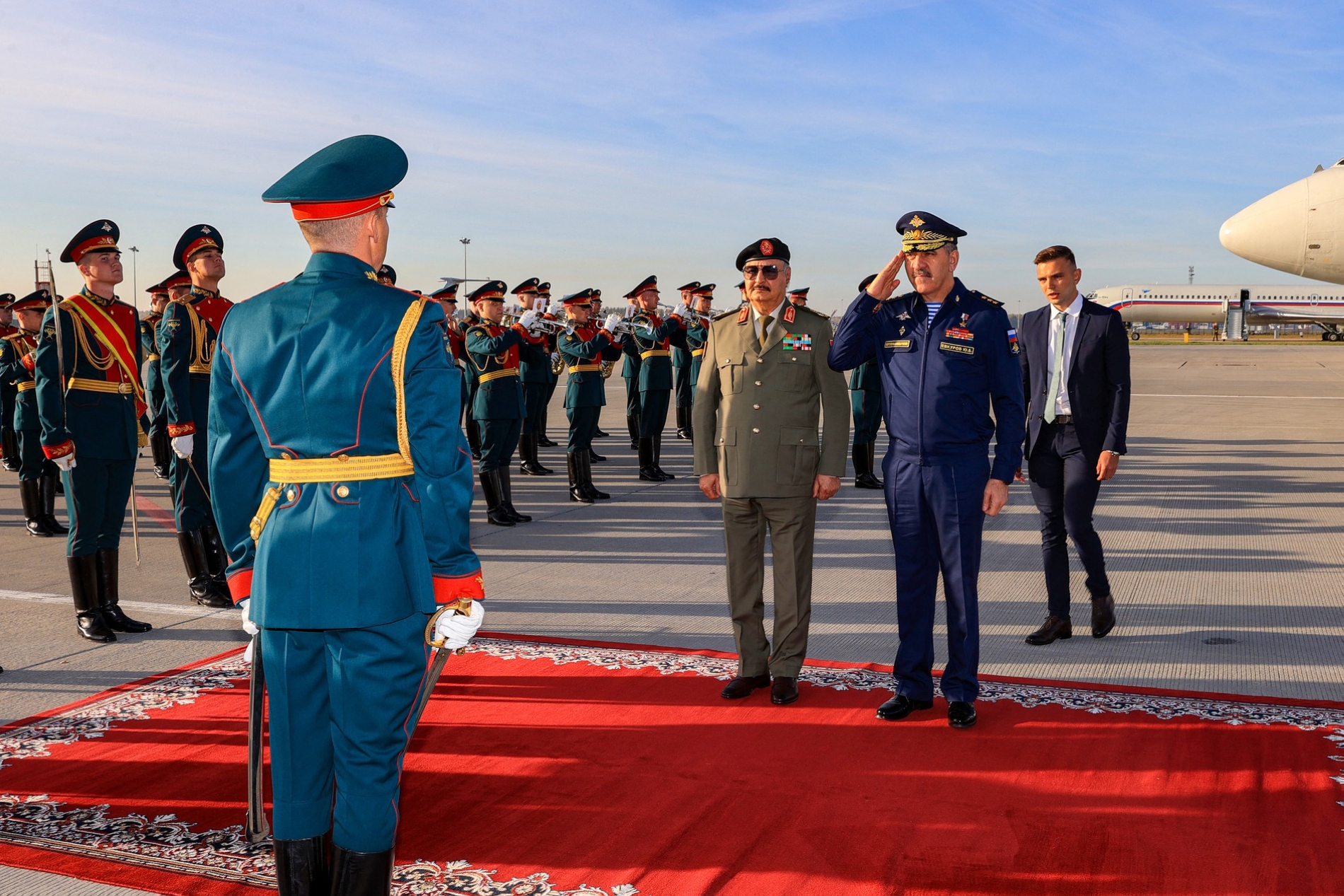
Russia's Deputy Defence Minister Yunus-bek Yevkurov (2-R) received Khalifa Haftar (C) at a Moscow military airfield on 26 September 2023.

Finding a balance

Within this landscape of competing domestic pressures and assertive foreign agendas, Hanna Tetteh must now navigate. In recent weeks, she has moved closer to the American track, forming a small committee comprising representatives from the Dbeibeh and Haftar families in the hope of resolving disputes around electoral laws—an essential step to forming a unified government under the UN road map.

Meanwhile, Libya's strategic value to Washington has grown. Trump and his backers are interested in Libya's vast oil reserves. It currently produces 1.5 million barrels per day (bpd), but this could be ramped up to three million by 2030, they think. In this vein, Boulos has encouraged Libya's National Oil Corporation to pursue new exploration agreements with US oil giants, including ConocoPhillips and Chevron.

The Dbeibeh government already works with the US on counterterrorism, recently extraditing two Libyan suspects accused of involvement in the 2012 attack on the US consulate in Benghazi, but the coming months will reveal whether they will work with Boulos over his plan to break Libya's political deadlock, or whether it will falter against the same entrenched obstacles that have undone every previous initiative.

font change