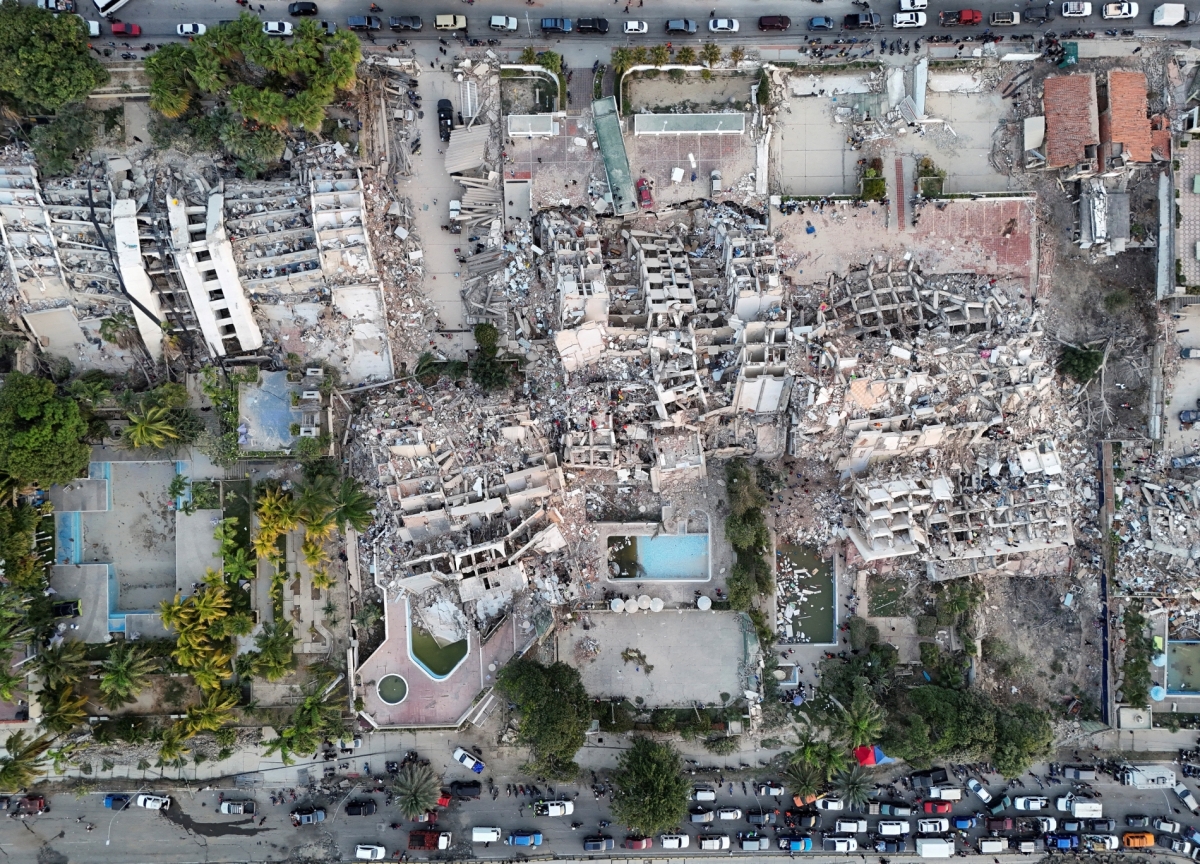

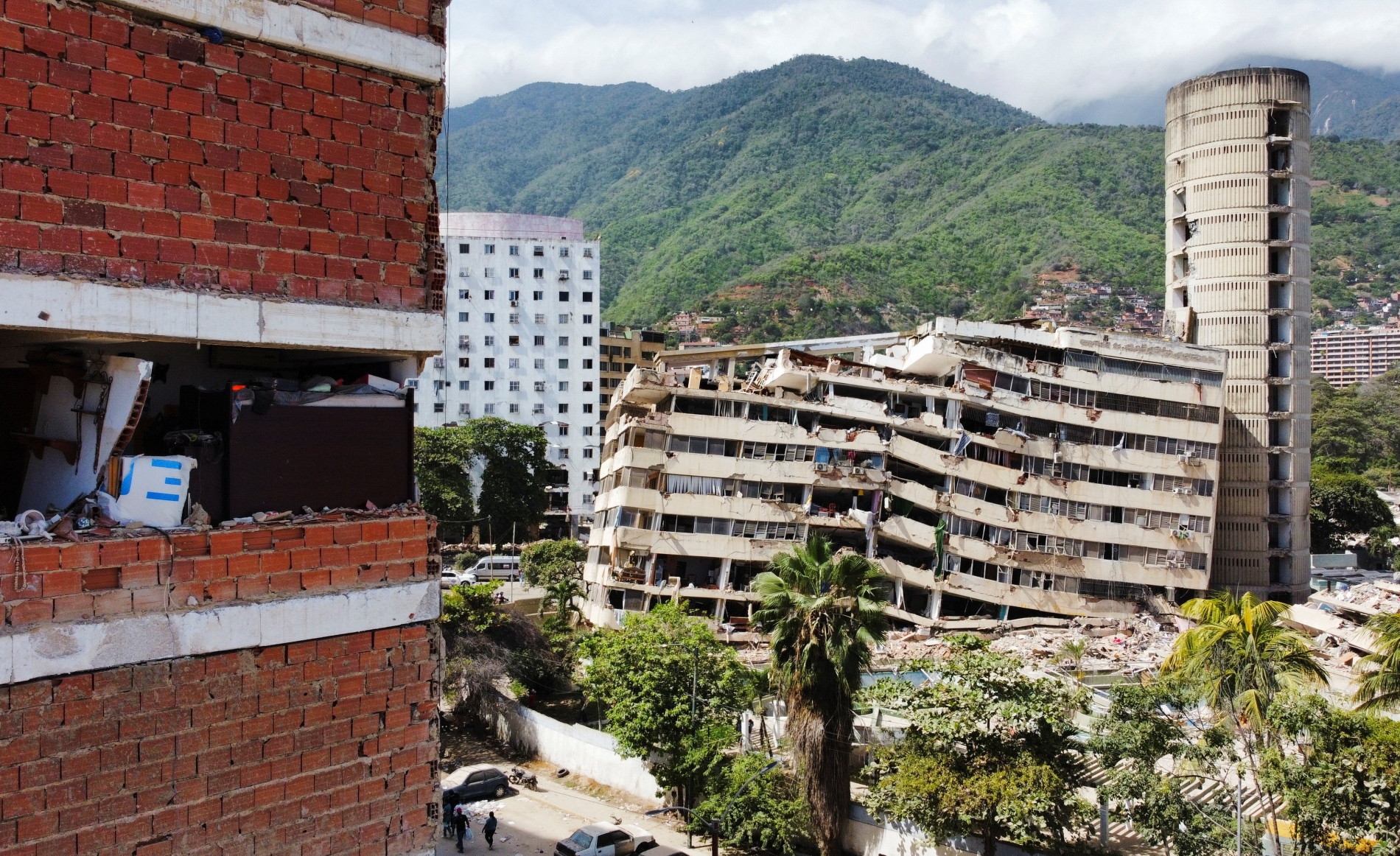
It took just 39 seconds to cause enormous wreckage in Venezuela. On the evening of 24 June, two powerful earthquakes, registering magnitudes of 7.5 and 7.2, struck almost simultaneously in its north. Over 100 buildings collapsed in the port city of La Guaira. Dozens more fell in Caracas, the capital. At least 30 aftershocks followed.
By early afternoon in Caracas on 25 June, the authorities had confirmed at least 188 deaths and more than 1,500 injuries. The toll is likely to prove much worse, with over 68,000 still missing nearly a week later. One estimate by the US Geological Survey suggested that economic losses could amount to 1-7% of GDP, although the long-term costs of natural disasters are difficult to parse.
Since the capture by American forces of former president Nicolás Maduro in January, Venezuela has been ruled by his former deputy, Delcy Rodríguez, under the watchful eye of Donald Trump. Ms Rodríguez is only beginning to reboot the economy, which was devastated by two decades of corruption and mismanagement. Public services are in shambles. Hospitals lack equipment and medication. Transport and energy infrastructure are crumbling. Power outages are common and—with 8 million Venezuelans having left the country since 2014—few doctors and engineers remain.
The full scale of the damage remains unclear, yet it is undoubtedly historic. Venezuela suffers regular earthquakes—a double tremor last year wounded over 100 people—but this is the largest quake in over a century. It may also be the deadliest. The San Narciso shock in 1900 was larger, tearing fissures in the ground and triggering a tsunami. But at the time, most people lived in squat houses and dispersed communities, so it killed only 140 people. Modern Venezuela has big cities studded with skyscrapers that rose during the oil boom of the 2000s. Homes in many poor barrios are built from fragile adobe, a mix of mud and straw. Nearly 80% of the population lives in areas of high seismic risk.
Ms Rodríguez has declared a state of emergency and put the armed forces in charge of search and rescue. Army engineers are stabilising bridges and medics are setting up treatment centres. Civilian Venezuelan rescue teams have been sent to La Guaira on the Caribbean coast, which was hit harder than Caracas. Information from there is scarce due to power outages and damaged mobile phone towers. Internet connectivity briefly fell to 59% nationwide after the quakes. Since its restoration, citizens have flocked to social media for news about their missing relatives. The government has quietly lifted longstanding bans on certain sites, including X.
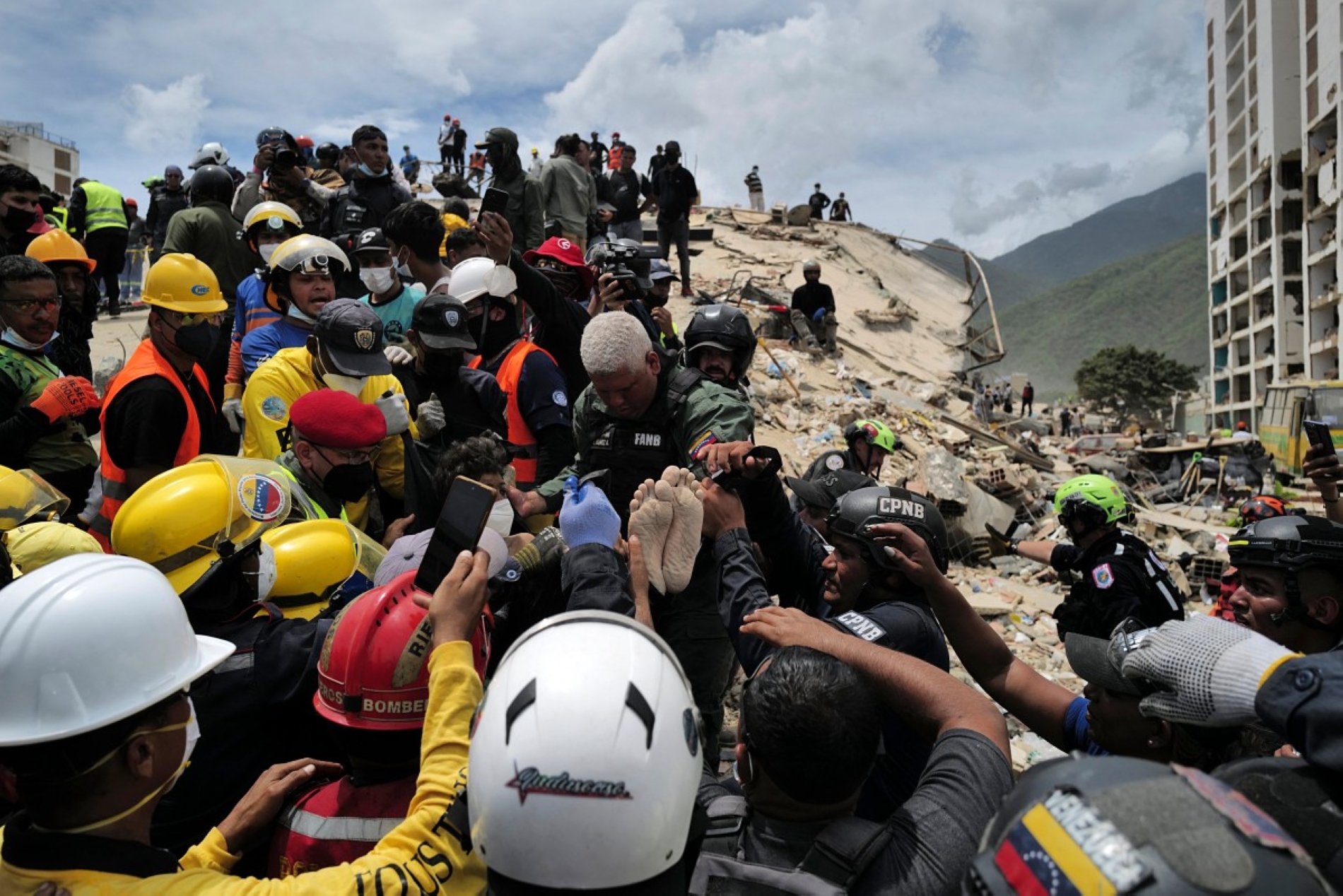
The feebleness of the state is painfully visible. The UN’s main humanitarian arm (known by its acronym, OCHA) is directing international search-and-rescue teams to land at La Carlota air base in Caracas because the damaged international airport remains closed. Security forces in La Guaira are reportedly asking locals to donate drinking water and face masks. Rescuers are having to clear rubble without tools. “They couldn’t find the chisel, the drill, the grinder; they went at it with their nails,” one man told Reuters, a news agency.
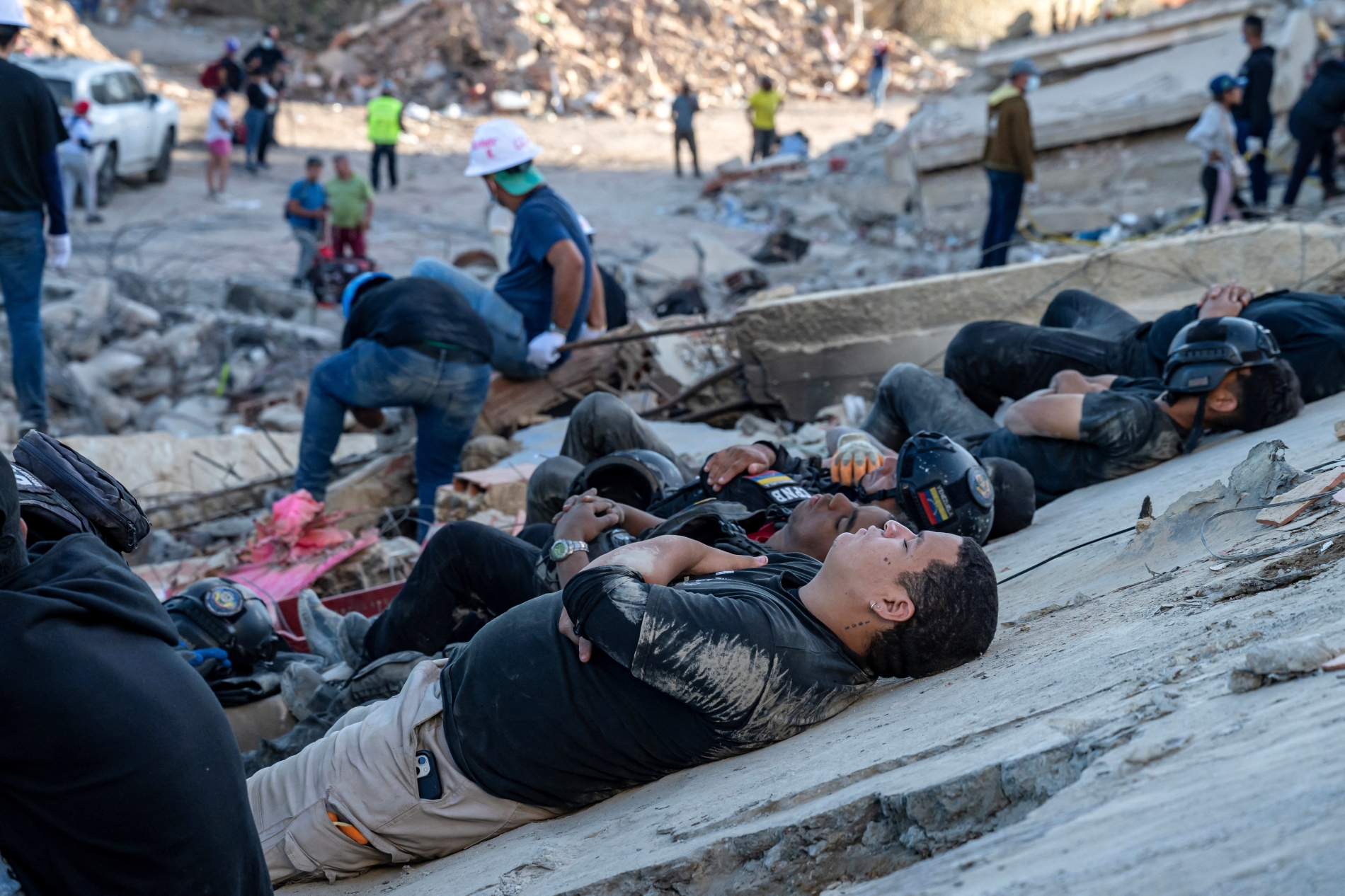
International aid will be crucial for rescue efforts. A number of Latin American and European governments have offered assistance and humanitarian aid. The IMF has committed $200mn to rebuild infrastructure, says Ms Rodríguez. The Venezuelan will be banking above all on American support. Mr Trump appears poised to give it. “The USA stands ready, willing, and able to help,” the president said. His government will provide overhead imagery, supplies, and search-and-rescue teams, said Secretary of State Marco Rubio.