
Donald Trump’s Middle East advisor, Massad Boulos, has a tough job when it comes to Libya, a country torn between west and east since the fall of longtime leader Col. Muammar Gaddafi in 2011. Boulos, an American of Lebanese Christian heritage, has made remarks that some have interpreted as optimistic about his latest initiative, which seeks to end the political division that has weighed on Libya for many years.
The initiative, which has yet to be put in writing, centres on transitional arrangements that would bring the state’s divided institutions under a single framework. This would include Abdul Hamid Dbeibeh’s government in Tripoli, but with Saddam Haftar at the head of a new presidential administration.
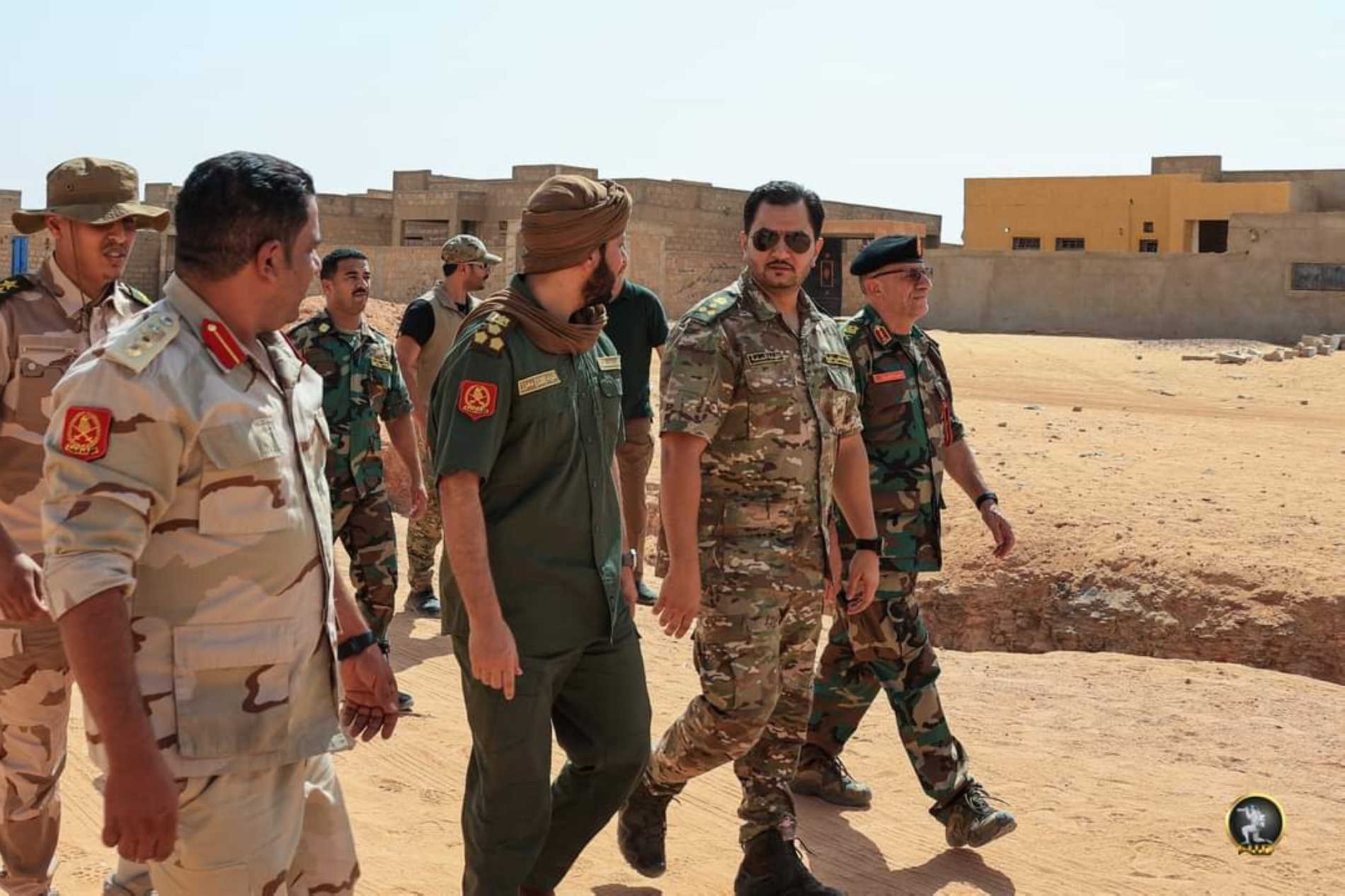
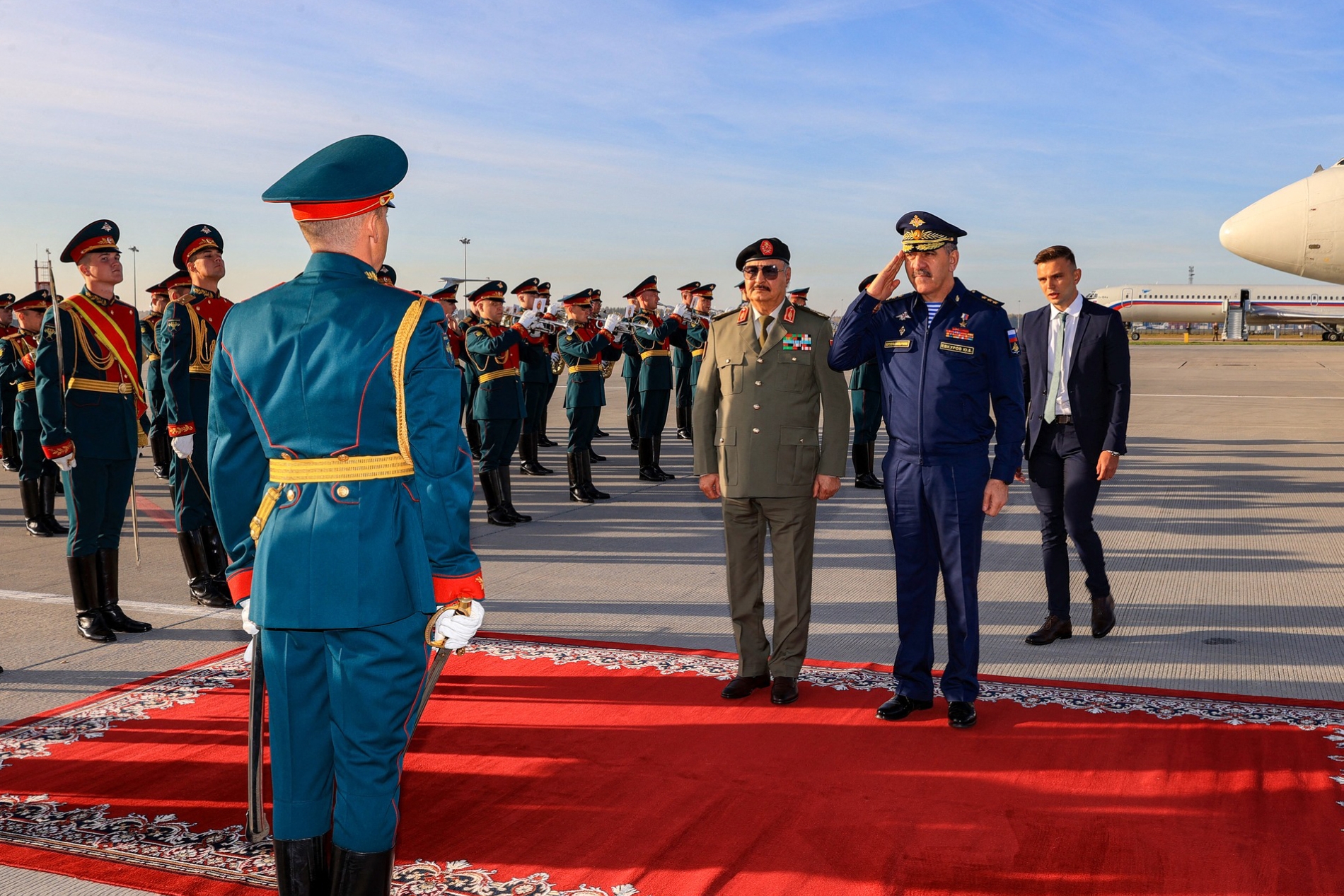
Saddam is the son of East Libyan strongman Khalifa Haftar. Aged 82, Khalifa Haftar is the commander of the Libyan National Army (LNA), based in Tobruk, where Libya’s House of Representatives is also based. In the capital, Tripoli, Dbeibeh heads the rival western Libyan Government of National Unity (GNU), with Turkish backing, whereas the LNA has had support from other Middle Eastern states, as well as Russia.
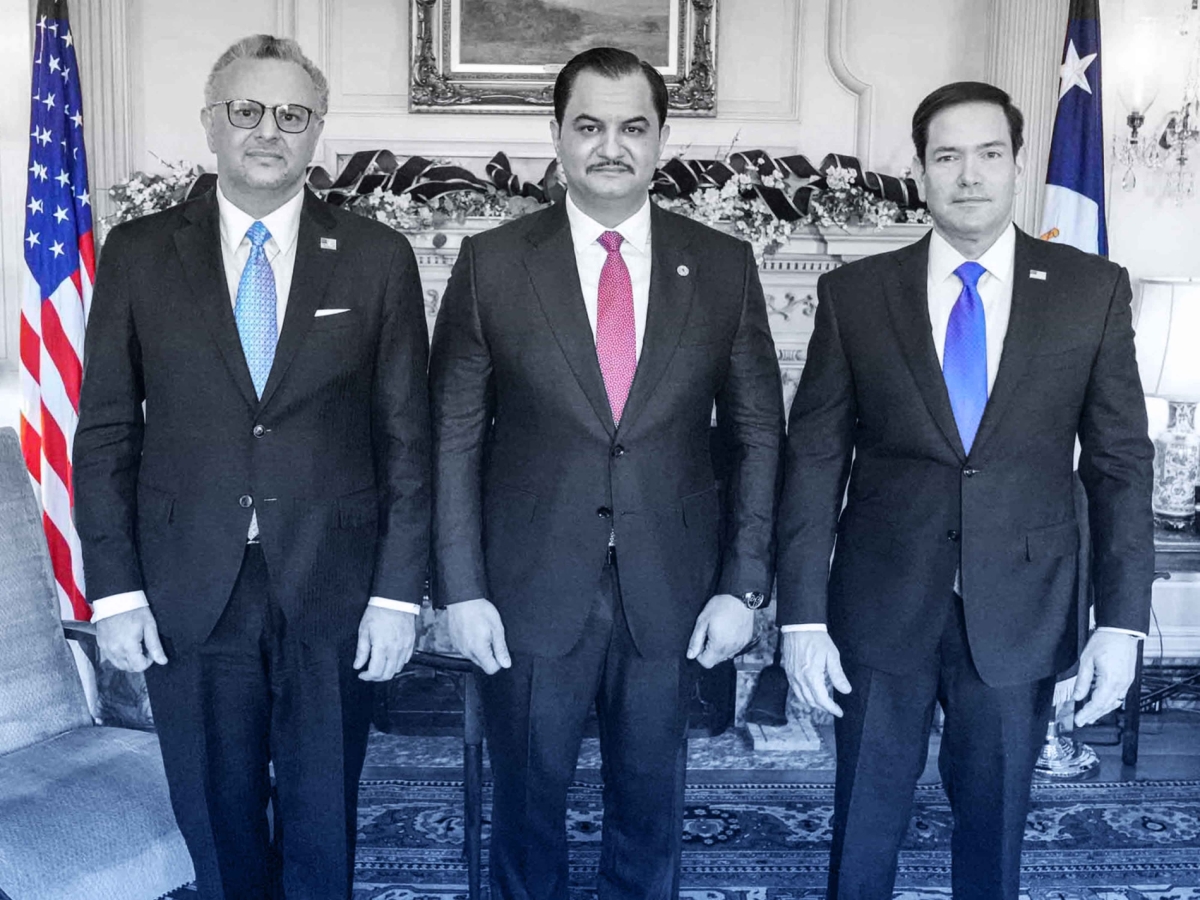
Met with Libyan National Army Deputy Commander Saddam Haftar to discuss unifying Libya’s military and building the conditions for lasting peace. The U.S. will continue working with Libyan leaders and international partners to support a more peaceful, unified, and prosperous... pic.twitter.com/hI8c9TQY0k
— Secretary Marco Rubio (@SecRubio) June 29, 2026
Boulos has voiced optimism about the initiative, and a visit by Saddam Haftar to Washington at the end of June 2026, where he met US Secretary of State Marco Rubio, seemed to suggest that his optimism was warranted. The previous week, a unification meeting, also held in Washington, brought together Libyan chiefs of staff and military commanders from the east and west to discuss prospects for unifying the military establishment.
Boulos’s plan confronts a complex Libyan reality, with several earlier efforts to unite the country’s rival factions having run aground. Some blame those with regional ambitions—foreign actors seeking spheres of influence—for producing a reality closer to two quasi-states, with power distributed according to the ‘facts on the ground’. After so many years, the international community now largely accepts the situation.
The latest US initiative has both supporters and opponents, depending on who stands to win or lose influence and resources. Libya is oil-rich, with billions of dollars in annual oil revenues at stake, but the country has been gripped by political paralysis since failed elections in 2021.
Surging US interest
The Boulos effort coincides with surging US interest in the eastern Mediterranean and North Africa, specifically energy security, and curbing Russia’s expanding influence in eastern Libya. American officials do not want oil production to once again become an instrument of political or military pressure in the hands of any Libyan party.
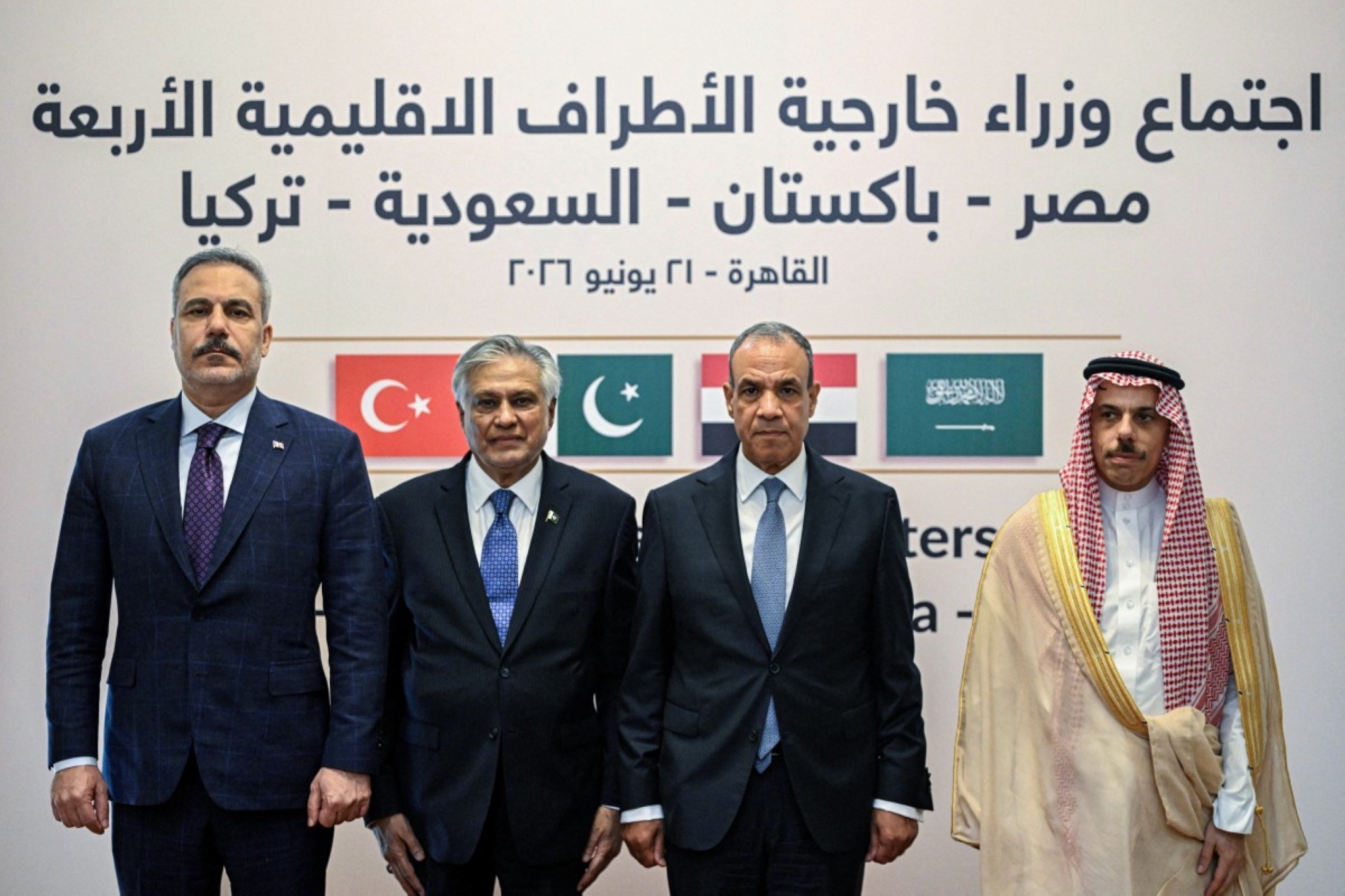
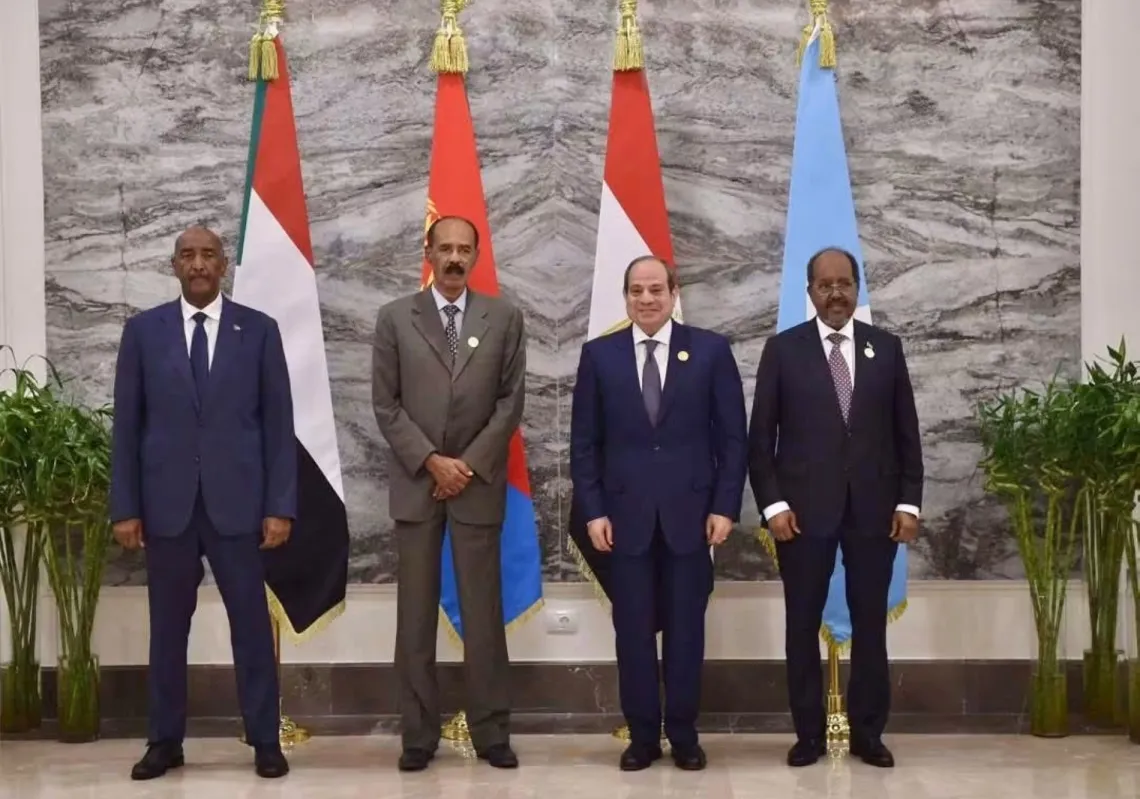
Libya was a prominent topic of discussion during a meeting in Cairo on 21 June with the foreign ministers of Egypt, Pakistan, Saudi Arabia, and Türkiye. Outside the meeting, the ministers met with Boulos to discuss developments in Libya, Sudan, and Iran. All four countries want to preserve Libya’s state unity.
Two days later, on 23 June, Egypt’s intelligence chief Maj. Gen. Hassan Rashad visited Tripoli, where he met Türkiye’s intelligence chief Ibrahim Kalin, who arrived in Tripoli from Benghazi in the east. Italian spy chief Gen. Giovanni Caravelli was also in the Libyan capital at the same time. Kalin met Dbeibeh, Presidential Council chair Mohamed al-Menfi, Deputy Defence Minister Abdulsalam al-Zubi, and Interior Minister Imad al-Trabelsi after meeting Saddam Haftar in Benghazi.