
Friends of Israel are getting creative at designing new policies in Washington to strengthen the Jewish state, despite growing American public resentment after the war against Iran sent fuel prices soaring. The existing aid agreement, which expires in 2028, provides Israel with $3.3bn annually, enabling Tel Aviv to buy both American and homemade military equipment. It also gives an additional $500mn specifically for Israel’s missile defence, where there is deep cooperation between the two states.
What comes after this agreement expires in two years’ time is now a big question in Washington, because public opinion is turning against the big American aid programme. A poll of registered voters by The New York Times last month showed 57% did not support more military and economic aid to Israel, yet this is just the latest survey evidencing American public scepticism about Israeli actions, including declining support for Israel among Republicans, especially the young.
The debate around the aid will get a lot of attention. In Israel, there is growing recognition that Americans are turning against it. Some Israeli politicians think that American aid is no longer needed, and that it restricts Israel’s freedom to act. Yet Israeli Prime Minister Benjamin Netanyahu has suggested a change in the bilateral military relationship so that the American and Israeli defence sectors work together directly across a broader range of military systems and equipment.
Using budget bills
Backed by US-based lobby groups and think-tanks such as AIPAC (American Israeli Public Affairs Committee), the Federation to Defend Democracies, and the Heritage Foundation, some members of the US Congress have introduced a new strategy to use American resources to strengthen Israel.
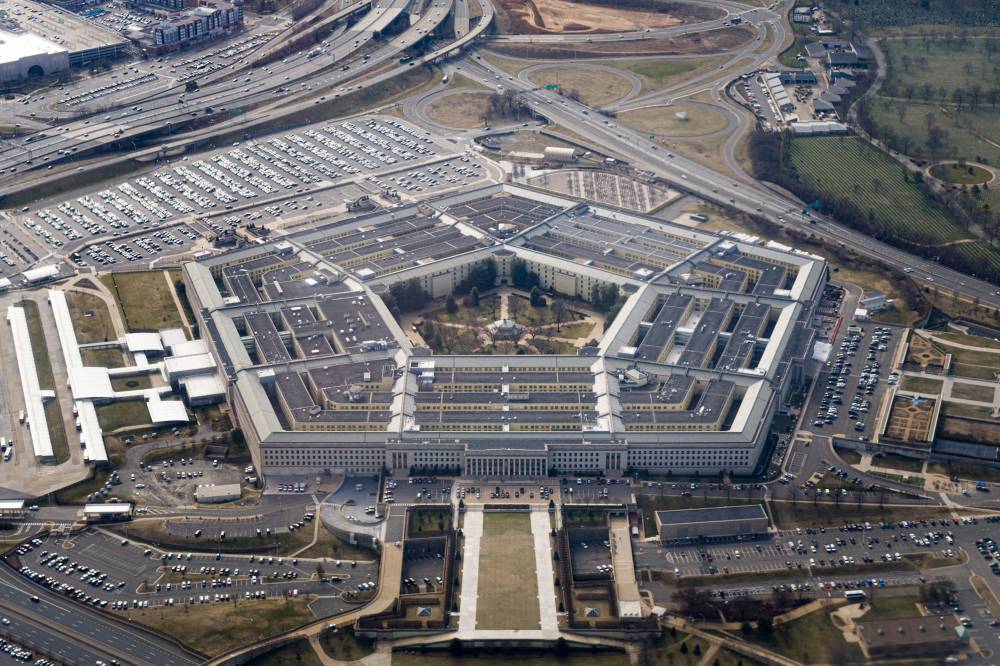
The new 2027 legislation to finance the Defence Department budget would integrate Israeli defence firms into the Pentagon’s technological research and development programmes. This Article 219 in the legislation, if approved, would create a new office in the Pentagon to manage joint projects in areas such as air defence, Artificial Intelligence (AI), cyber warfare, and biotechnology. This would force Israeli companies to enter new and highly sensitive American technologies.
The US already has joint production agreements with some countries on important military projects, such as the F-35 fighter jet, where selected external companies manufacture parts of the plane under American guidelines, with Washington retaining overall control and intellectual property rights. In this way, Washington can eject countries like Türkiye (after the latter bought Russian military equipment).
The Article 219 proposal for Israel is different. It would mean the Pentagon financing Israeli companies, alone or with American partners, to research and develop technology and systems, and then buying them for American use. The Israeli companies would own the developed technology as well as the production facilities used to manufacture the systems. In a sense, it would make Israeli defence firms part of the US military-industrial sector. It would therefore allow Israeli firms to sell their weapons to American military customers.

A way to hide aid
Writing in The Washington Post, Aaron Kaplowitz of the US-Israel Business Alliance recently pointed to the US Border Patrol Agency using Israeli drones as an example of how Israeli technology can improve American military capabilities (Kaplowitz is an investor in some Israeli defence companies). But not everyone is convinced.
Josh Paul, a former official at the State Department’s military assistance office, says Article 219 is a way to hide aid to Israel inside the huge Pentagon budget for research and weapons. He warns that integrating Israeli-controlled technology and production facilities into Pentagon weapons acquisition processes could let Israel delay US weapons acquisition or deployment if ever Washington and Jerusalem disagreed.