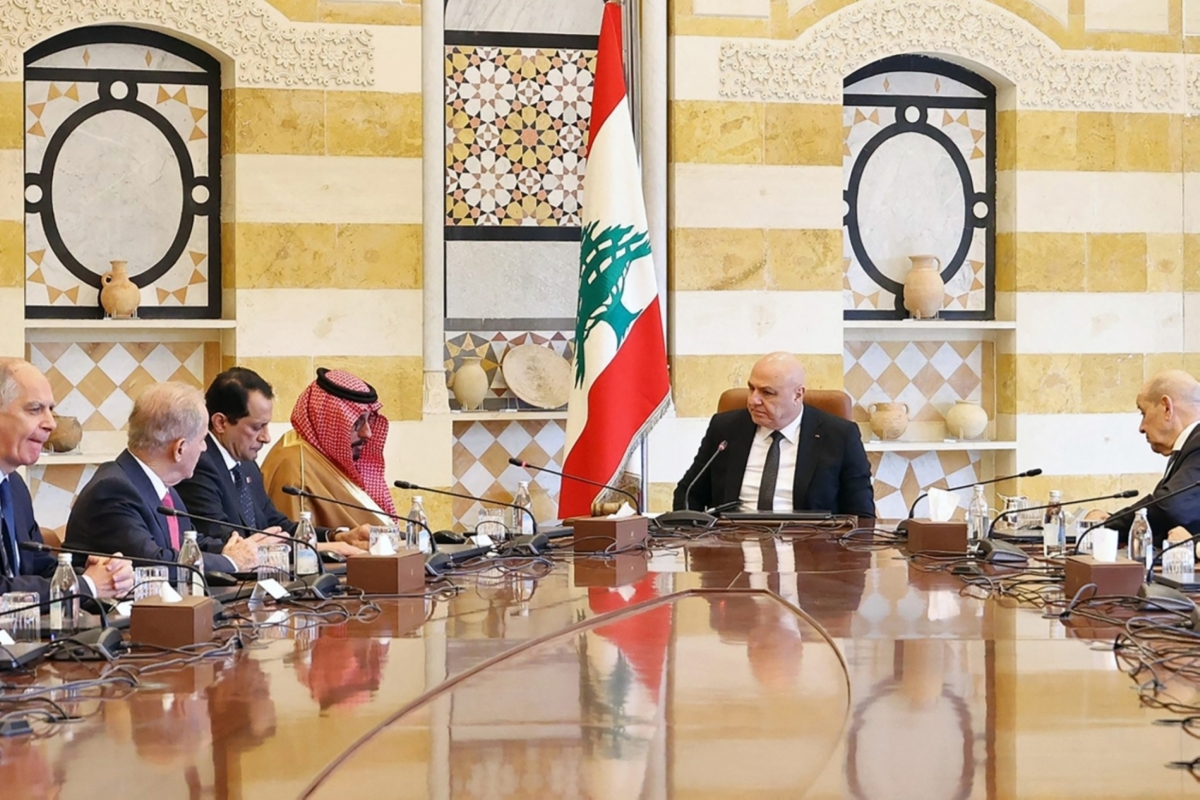

In early June, Saudi Crown Prince Mohammed bin Salman ordered the resumption of Lebanese exports to Saudi Arabia, marking a notable thaw in relations after years of strain. The decision came at the request of Lebanese President Joseph Aoun and Prime Minister Nawaf Salam, following a series of measures that Riyadh viewed positively as part of Lebanon’s effort to rebuild state institutions. It also followed a year of work to meet regulatory requirements and provide the guarantees sought by Saudi Arabia.
The move was broadly welcomed by Lebanese officials, including Minister of Interior and Municipalities Ahmad Al-Hajjar, who described the resumption of trade as “a major step in support of Lebanon”. The minister also stated that “Lebanon has provided Saudi Arabia with guarantees regarding Lebanese exports” and that “border monitoring has been strengthened to prevent the export of prohibited goods abroad”.
Al Majalla has learned that Saudi Arabia conducted two security inspections at Beirut-Rafic Hariri International Airport before approving the move, and both yielded positive results. The Association of Lebanese Industrialists described the resumption of exports as a pivotal development for Lebanese industry.
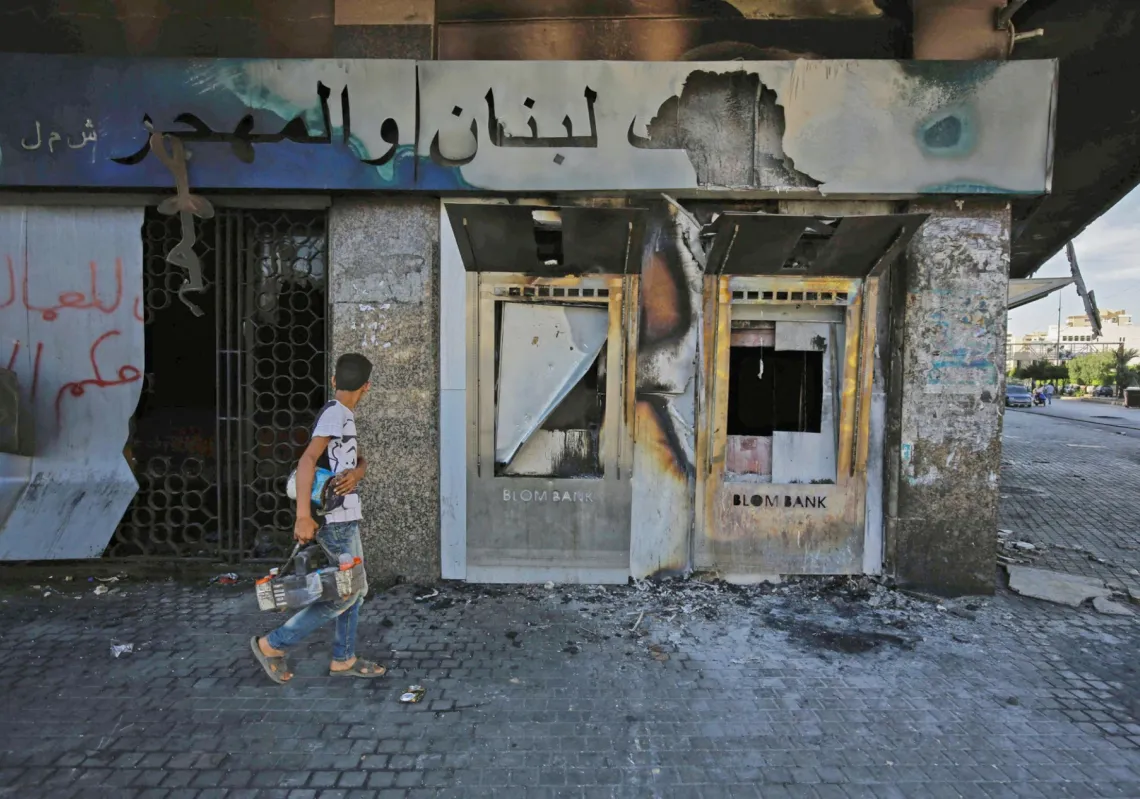
The resumption of exports comes after a five-year suspension triggered by repeated drug smuggling incidents. Saudi authorities intercepted several shipments containing Captagon—an amphetamine-type stimulant—and other prohibited substances, including one concealed in a consignment of pomegranates. Disastrously for Lebanon, the ban coincided with the country’s deepening financial and economic crisis, further compounding the pressures on an already struggling economy.
Political signals
The Saudi decision marks a significant step in Lebanon’s economic reintegration into the wider Gulf. It also carries a clear political message: support for the Lebanese government and its efforts to strengthen sovereignty by bringing all weapons under official authority—a direct challenge to Hezbollah’s role as an armed non-state actor.
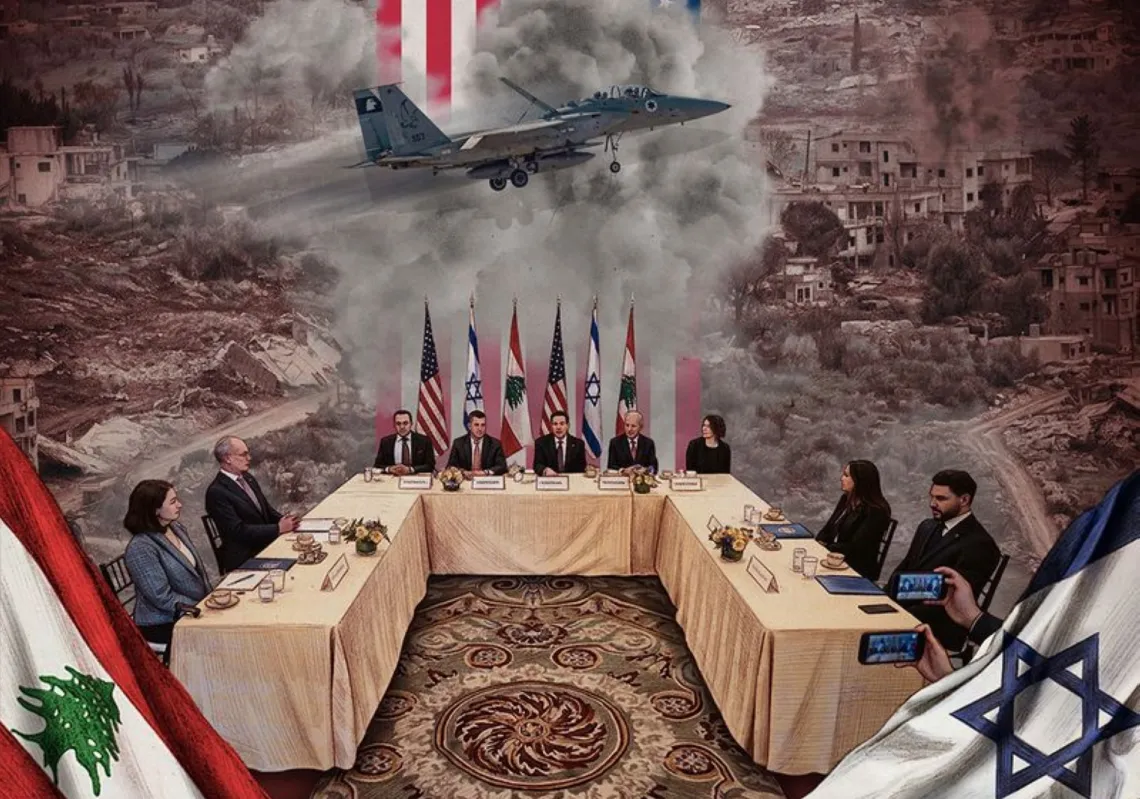
The move coincided with a visit to Beirut by Prince Yazid bin Fahd Al Farhan, the Saudi official overseeing the Lebanon file, and the arrival of Saudi Arabia’s new ambassador to Lebanon, Fahad bin Abdulrahman Al-Dosari. It also came amid Saudi efforts to help bring an end to the war between Israel and Hezbollah.
A recent report by the Federation of Chambers of Commerce, Industry and Agriculture in Lebanon (FCCIAL) highlights the scale of the decline in bilateral trade. Saudi Arabia was Lebanon’s leading export market in 2014 and 2015, accounting for around 12% of total exports, with a value of nearly $378mn in 2014 and $356mn in 2015, according to data from Lebanon’s General Directorate of Customs. By 2021, it had fallen to seventh place, before dropping to 153rd in 2024.
“The suspension of exports to the Kingdom over the past years led to a sharp decline in the volume of Lebanese exports, with their value falling from around $246mn in 2019 to almost negligible levels during the years 2022 to 2025,” said Raphael Debbané, FCCIAL’s chairman. “This had a negative impact on farmers, agricultural and industrial institutions, and the packaging, transport, and export supply chains.”
Bassem Bawab, professor of economics at the American University of Beirut and a representative of Lebanon’s private-sector business groups, told Al Majalla: “Thanks to the Saudi decision to resume imports from Lebanon, export revenues are expected to rise to $500mn annually, or to between $1bn and $1.5bn over the next three years. The decision also makes it easier to export to all Gulf states. Exports also contribute to reviving an economy that has suffered financial losses estimated at $26bn as a result of the wars of 2024 and 2026.”
Khaled Abu Shakra, a researcher at the Lebanese Institute for Market Studies, said Lebanon’s losses from the suspension of exports to Saudi Arabia amount to around $1.25bn. “Had plans to steer production toward raising exports to $500mn annually continued, the losses would have reached $2.5mn,” he added. “The assessment was based on the $250mn a year that industrial exports had been generating.
“After customs, regulatory and security reforms were achieved, and after tighter controls were imposed on trucks, the market was opened to Lebanese production. Lebanon is therefore expected to complete its steps by confining arms to the state and carrying out economic and monetary reforms. Such measures would help consolidate Lebanon’s return and deepen the confidence now beginning to re-emerge.”
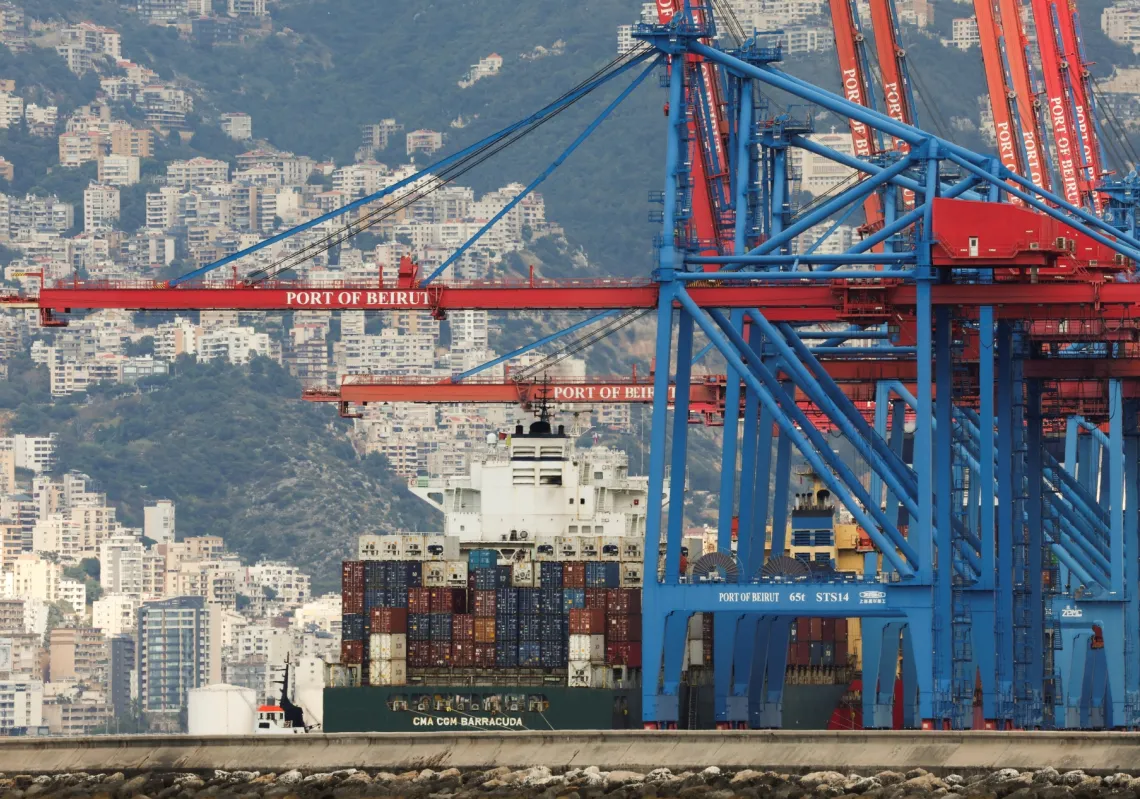
Abu Shakra noted that the ban was imposed in two stages: first on agricultural products in April 2021, and then more broadly in October of the same year. “The importance of Lebanese exports lies in their added value, which helps expand factories and investment, create more jobs, and attract hard currency,” he said. “Amid the strain on maritime supply chains caused by the region’s complex conditions, land transport to the Gulf states through Syria has become an important factor. Transporting a container by land to Jebel Ali [in the UAE], and from there to the Gulf, costs $3,000, compared with $7,000 by sea.”
Focus on land exports
Industrialists say the reopening of the Saudi market is the culmination of years of efforts to restore confidence in Lebanese exports after the 2021 ban. Ziad Bekdache, vice-president of the Association of Lebanese Industrialists, said tighter inspection procedures and enhanced screening technology had helped address Saudi concerns over smuggling and paved the way for the decision.
Bekdache cautioned against expecting an immediate return to pre-2021 export levels. After five years away from the Saudi market, Lebanese exports face competition from Turkish and Chinese suppliers that have filled in the gap. Even so, he argued that Lebanese exporters will be able to rely on “the Gulf’s familiarity with Lebanese goods and its preference for them, provided that prices remain reasonable and acceptable”.
However, he cautioned that exports are unlikely to return to their 2019-20 levels as early as 2027. Market requirements have changed, new competitors have emerged, and consumers may be reluctant to abandon alternative suppliers that entered the market during Lebanon’s absence.
George Nasraoui, vice-president of the Association of Lebanese Industrialists and a leading exporter, said Saudi Arabia remains one of the most important markets for Lebanese industry. However, he, too, noted that “during the interruption, companies and products from other countries were able to occupy the share once held by Lebanese industry”. Nevertheless, he also looks “forward to resuming exports to Bahrain, which stopped after the suspension of exports to Saudi Arabia. We will also focus on strengthening land exports, given the rise in maritime shipping costs”.
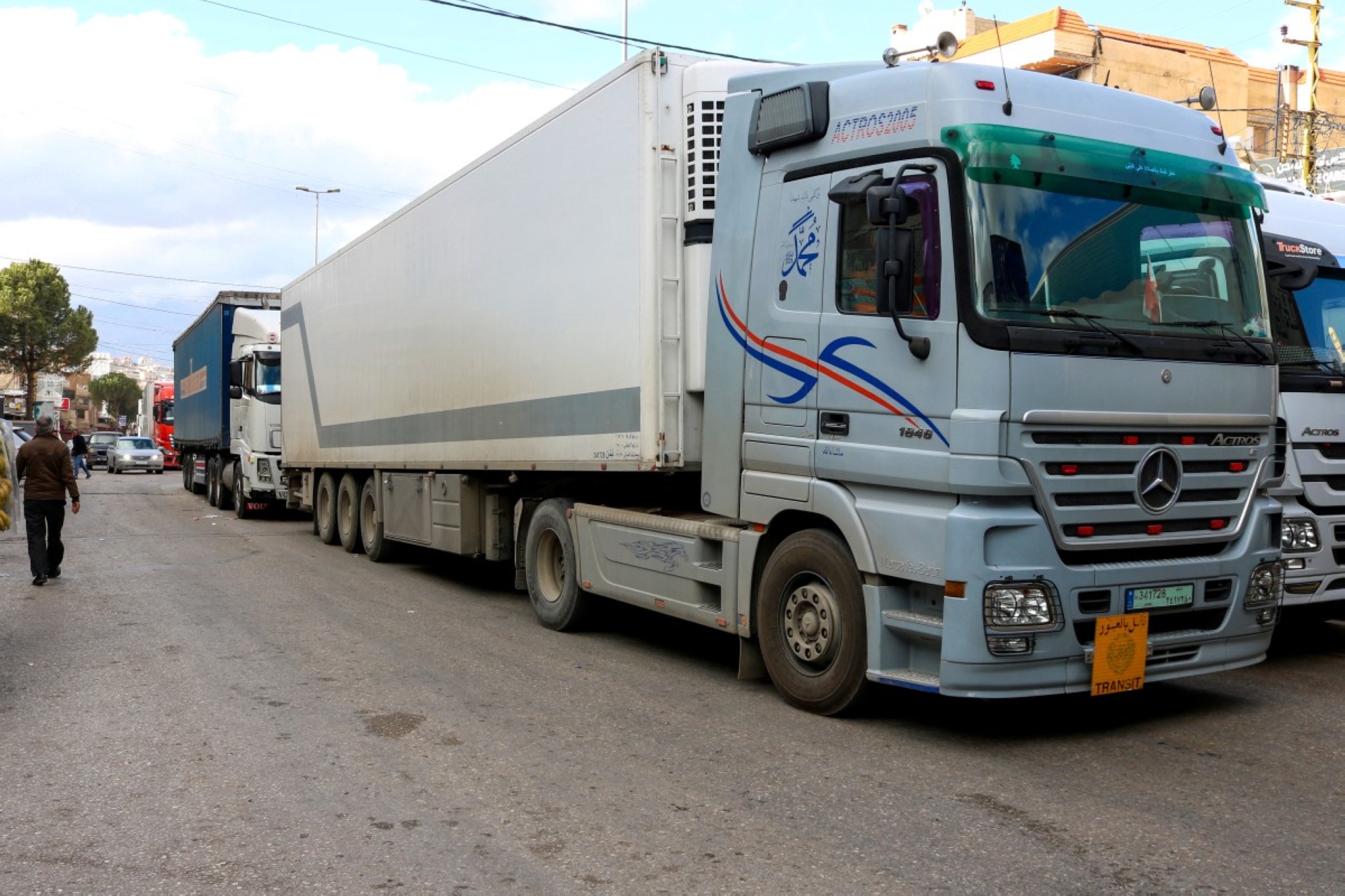
Nasraoui said exporters are also working with Saudi authorities to facilitate land transport through the country, which serves as a vital transit gateway to the wider Gulf markets. Bekdache also noted that Lebanon is working to address visa arrangements for Lebanese truck drivers, allowing them to transport goods regularly to the Gulf.
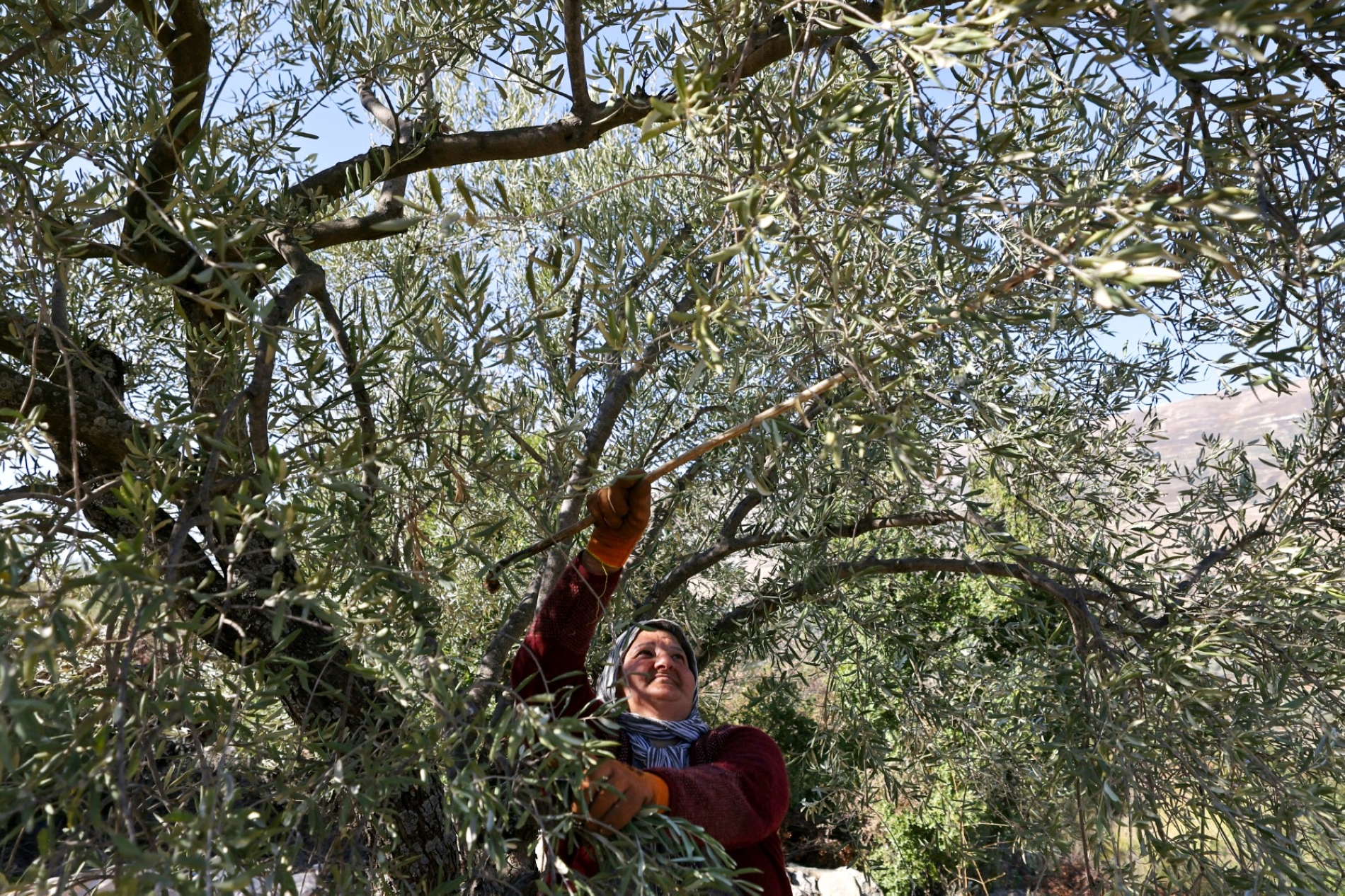
The benefits are expected to extend beyond industry. Ibrahim Tarshishi, president of Lebanon's National Farmers' Union, said before the 2021 suspension, Saudi Arabia accounted for roughly half of Lebanon's agricultural exports to Arab countries. Lebanon also exports 200,000 tonnes of agricultural produce annually to all Gulf countries, he added.