

Al Majalla’s cover story last week focused on Iran’s latest attacks on Kuwait and Bahrain, explaining that while they could be tied to military calculations related to the current US-Iran war, they also reflect a deeper struggle between two opposing regional visions. Hasan al-Hasan zooms in on the tenuous relationship between Tehran and Manama, while Nawaf al-Yassin explains why the Iranian and Gulf models are diametrically opposed.
Meanwhile, Alex Vatanka examines Iran’s emerging security doctrine, asserting that Tehran has emerged from the war more willing to take risks, less constrained by fears of escalation, and more convinced that military pressure can yield results. For his part, John Haltiwanger asserts that Trump started a war he can’t control. “Netanyahu continues to defy calls from Washington to pump the brakes on Israel's offensive in Lebanon, something Iran has linked to a future peace deal," he explains.
The other global news story is, of course, the start of the 2026 FIFA World Cup in the United States, Canada and Mexico. Our writers are tackling all angles of the international sports event. We start with Mohamed Qutob, who explains how The World Cup has always been a pitch for global politics. For his part, Marco Mossad talks World Cup in the age of AI. And Abdulfattah Khattab asks: Has FIFA oversold the economic promise of the World Cup?
And writing on Syria, Andrew Tabler explains why Syria is not ready to wage war beyond its borders after the idea that Syria would disarm Hezbollah in Lebanon was floated by US envoy Tom Barrack. In a separate piece, Ibrahim Hamidi echoes Tabler’s sentiments, explaining why such a move would be unwise.
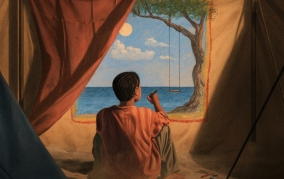
Shifting to North Africa, Mohamed Sharki looks at how Morocco is quietly becoming a drone manufacturing hub. “Working with Israeli, Turkish, and US firms, Rabat is also aiming to build its own domestic defence-industrial capacity using its expertise in aerospace manufacturing.” On to Gaza, and Housam Marouf explains How art therapy is helping Gaza's children process trauma.
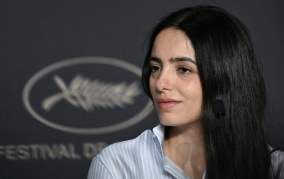
And last but not least, Al Majalla interviews Hafsia Herzi, “the quiet powerhouse of French cinema.” "Back on the Croisette for two highly anticipated feature films, the French-Tunisian-Algerian actress/director keeps on wowing audiences," writes Leila Amar.
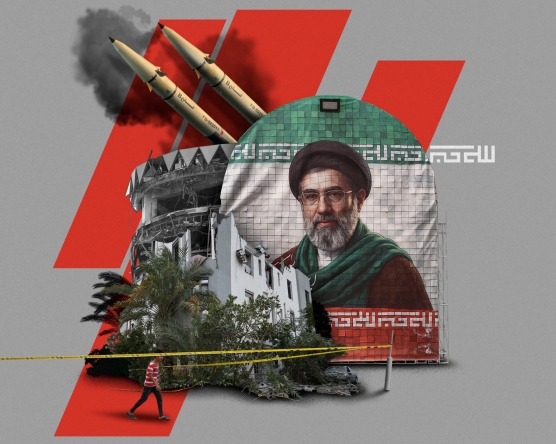
Why is Iran targeting Kuwait and Bahrain?
While it could be tied to military calculations related to the current US-Iran war, it also reflects a deeper struggle between two opposing regional visions
 Business & Economy
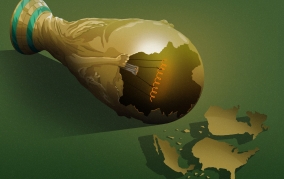
Has FIFA oversold the World Cup's economic promise?
Days before kick-off, ambitious economic projections for the FIFA 2026 World Cup are colliding with weaker-than-expected demand in the hospitality sector
 Science & Technology
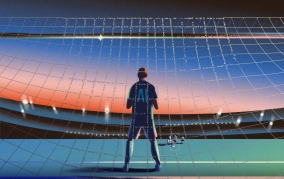
2026 World Cup: football in the age of AI
From 3D players to data-transmitting balls, the sport's biggest tournament is awash with technology to help with everything from offside decisions to viewer angles, but does this come at a cost?
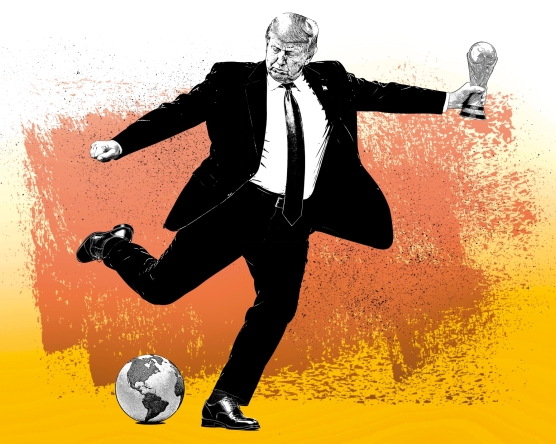
The World Cup has always been a pitch for global politics
From Hitler and Mussolini to South American dictators, world leaders have long seen in football's biggest tournament an opportunity to further an agenda
Mohamed QutobSyria should stay within its borders ...and limits
Ibrahim HamidiThe US should not encourage Syria to enter Lebanon
Andrew TablerUK immigration debate intensifies after Belfast attack
Con Coughlin Business & Economy
Morocco is quietly becoming a drone manufacturing hub
Working with Israeli, Turkish, and US firms, Rabat is also aiming to build its own domestic defence-industrial capacity using its expertise in aerospace manufacturing
 Politics
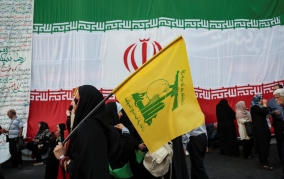
Iran's new security doctrine and its old dilemma
Tehran has emerged from the US-Iran war more willing to take risks, less constrained by fears of escalation, and more convinced military pressure can yield results
 Culture & Social Affairs
How art therapy helps Gaza's children process trauma
After almost three years of brutal war, fear and anxiety grip most kids in the Strip. But these artists are offering them a creative outlet to cope.
 Culture & Social Affairs
Hafsia Herzi: the quiet powerhouse of French cinema
Back on the Croisette for two highly-anticipated feature films, the French-Tunisian-Algerian actress keeps on wowing directors and audiences
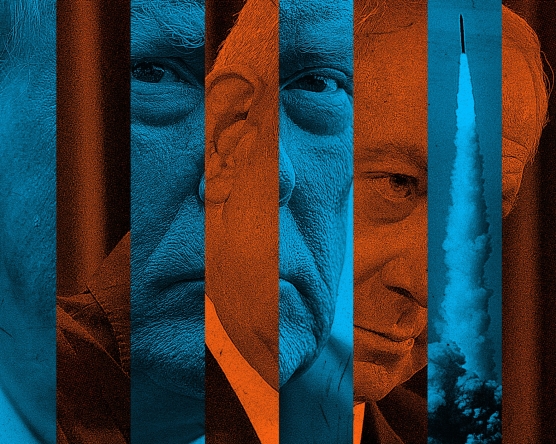
Trump started a war he can’t control
Netanyahu continues to defy calls from Washington to pump the brakes on Israel's offensive in Lebanon, something Iran has linked to a future peace deal
