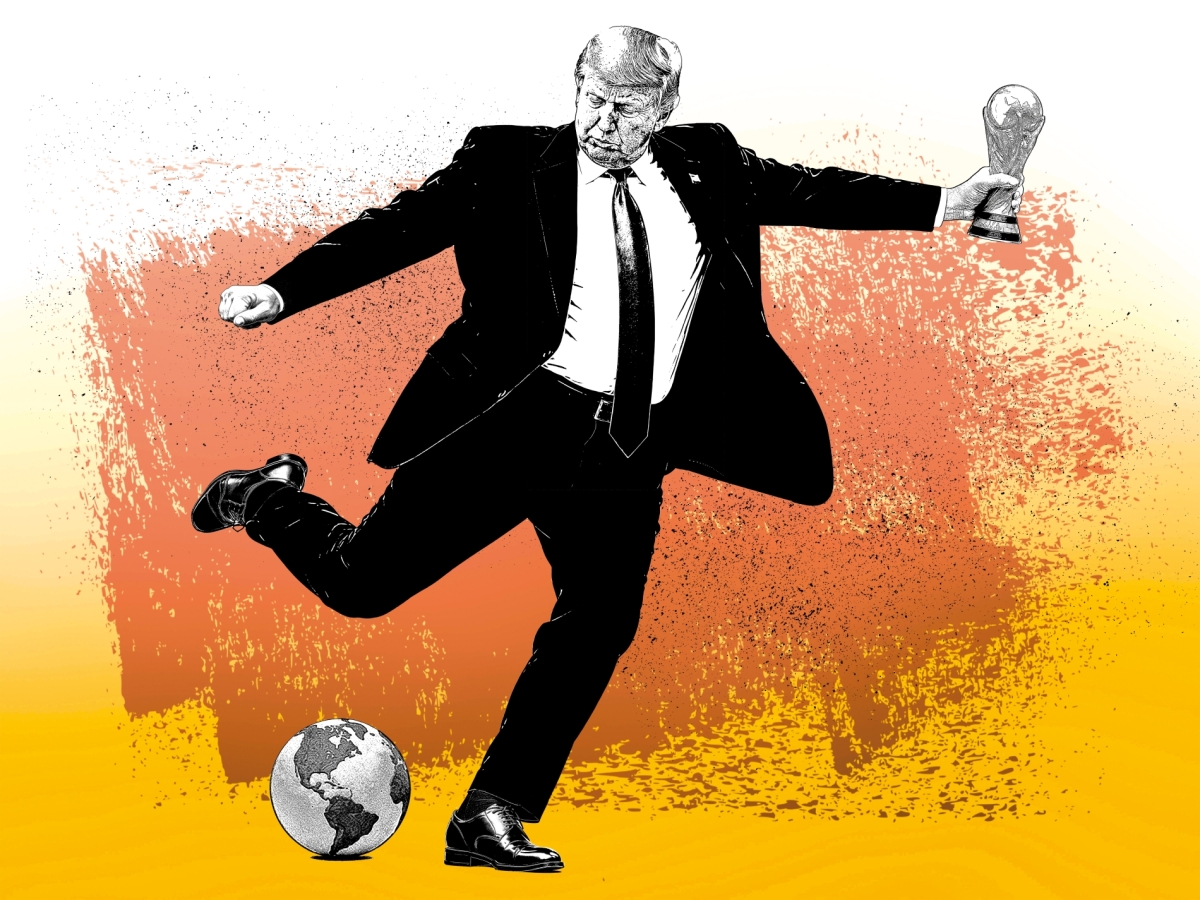

The summer of 1938 in France was no ordinary one for Hungarian goalkeeper Antal Szabó. He was contesting the World Cup with his national team for the second time, and with Hungary’s forwards scoring freely and propelling the nation towards the final, it meant that he was idle for long stretches between the posts. This gave Szabó time to imagine returning to Budapest with the golden Jules Rimet trophy, presenting it to the crowds gathered on the banks of the Danube.
The ease with which Hungary had won their matches gave him and his teammates confidence that even the holders, Italy, would not spoil the Hungarian party. Spoil it they did. The goalkeeper who conceded only one goal on Hungary’s path to the final had to retrieve the ball from his net four times, as Italy won 4-2 to lift the trophy again. This was the last World Cup final before the Second World War, yet Szabó guaranteed his own place in history with his comment after the match. “I conceded four goals,” he said, “but I saved the lives of 11 men.”
Those 11 men were the Italian players, the world champions. Their victory in the previous tournament on home soil in 1934, followed two years later by Olympic gold, had not spared them a telegram from Italian dictator Benito Mussolini before the final, with the blunt message: “Win or die.” That message marked the entry of politics into the World Cup tournament, one that has never since been severed.
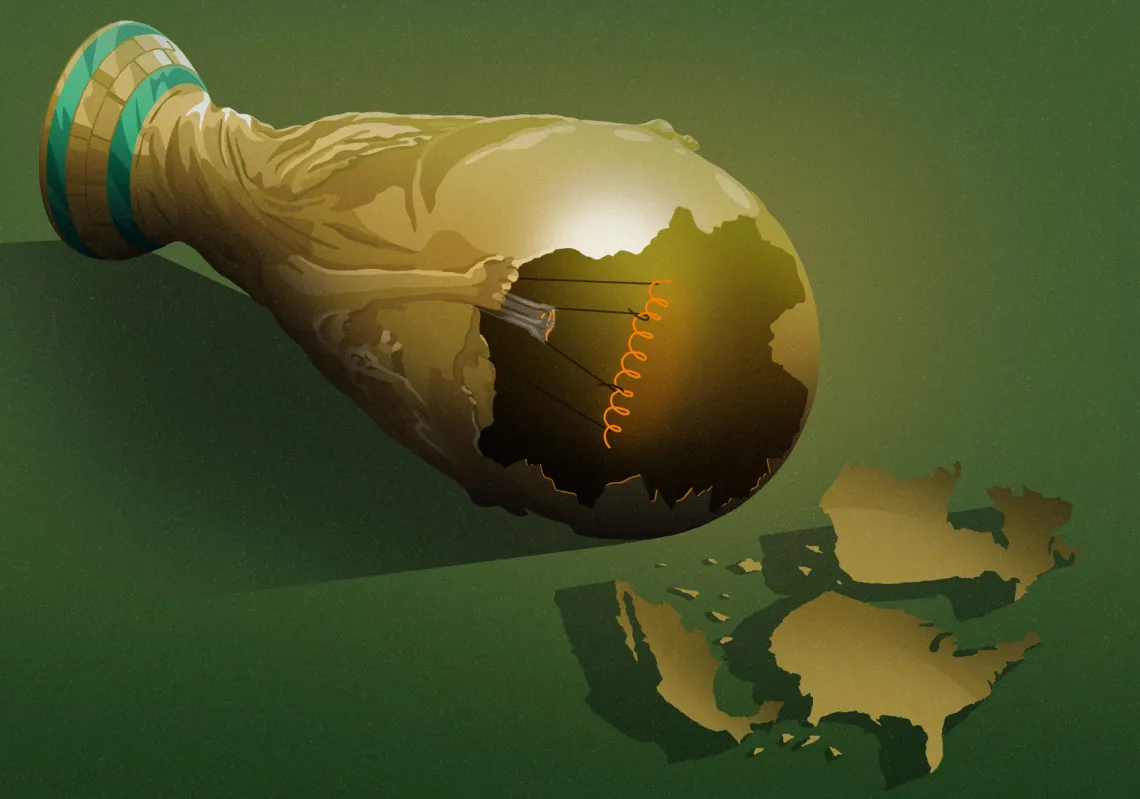
Nearly nine decades later, one of the three host nations is negotiating with one of the participating countries over an extension to a ceasefire between them. Fascist Italy was merely the first to grasp how the World Cup could be used to wield political power. Football was the façade through which Mussolini presented his vision of success. He used the national team’s triumph in 1934 to promote right-wing nationalism whose traces remain visible among some Italian ‘ultras’ fan groups today.
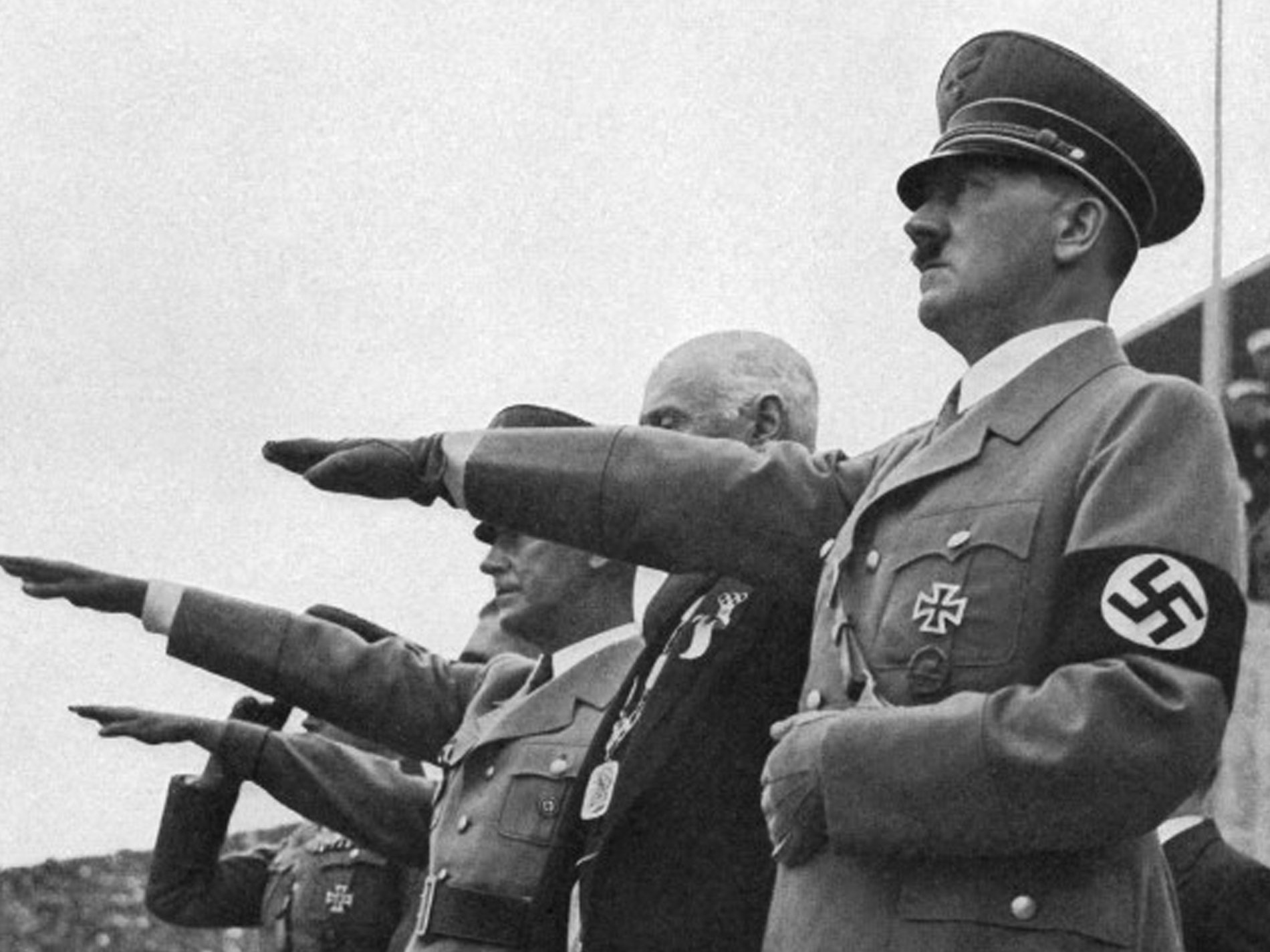
In much the same way, Adolf Hitler showcased Nazi Germany as the world had never seen it at the 1936 Olympics. Two years later, Nazi troops entered Vienna before Austria’s national team could travel to the 1938 World Cup. Austria disappeared from the tournament, and some of its players found themselves wearing Germany’s shirt, without achieving the success the regime had sought. Many have followed suit, taking advantage of the instinctive rallying of national sentiment behind a national team every four years, using the momentum of perhaps the world’s biggest tournament.
After the Second World War, and with the development of media coverage, the World Cup acquired another dimension. It moved from transcontinental telegrams carrying the final score and the names of the goalscorers to live television broadcasts that finally captured the bright colours of the stadiums at the 1970 World Cup in Mexico.
The tournament became a mirror of the post-war world, with divided Germany fielding two teams. The wealthier western half enjoyed the greater share of footballing success, winning the title in 1954 less than a decade after the end of Nazism, but East Germany struck back in 1974, securing a historic victory on West German soil. It left the deepest scar on the German machine’s eventual triumph in that tournament.
From Korea to Chile
The contest to host the World Cup grew fiercer between European powers eager to display their post-war recovery and South American countries that had come to dominate (there were eight South American winners in the 14 competitions between 1950 and 2002). African nations refused to compete with Asian countries for a single place at the 1966 World Cup in England, choosing to boycott the qualifiers entirely.
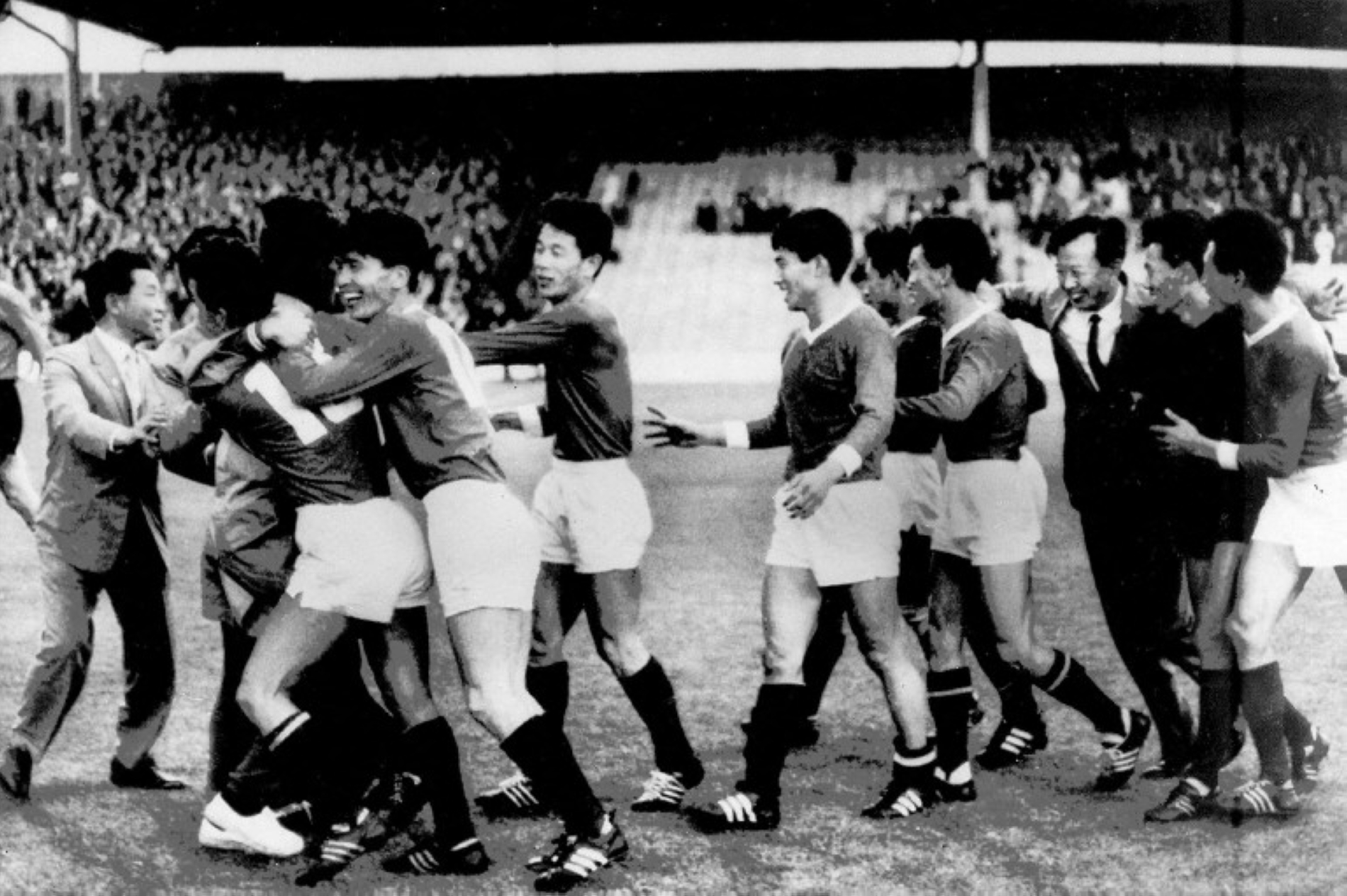
The North Korean team answered the aspirations of the dictator Kim Il Sung, who wanted the country to confront and challenge European and South American dominance of the game. The players subsequently produced a footballing miracle, reaching the quarter-finals at Italy’s expense in a moment that captured the Western imagination at the height of the Cold War.
That same Cold War gave the World Cup its “match of ghosts,” which sent Chile to the 1974 tournament. The ghostly opponent was the Soviet Union, which refused to travel to Santiago for the decisive qualifier after FIFA declined to move the match away from the capital’s National Stadium. The Soviets said General Augusto Pinochet’s army had turned the stadium into a mass detention camp in the weeks before the match, during the military coup that overthrew Chile’s socialist president Salvador Allende. Chile’s players scored in an empty net, in a scene both farcical and tragic.
Brazil and Argentina
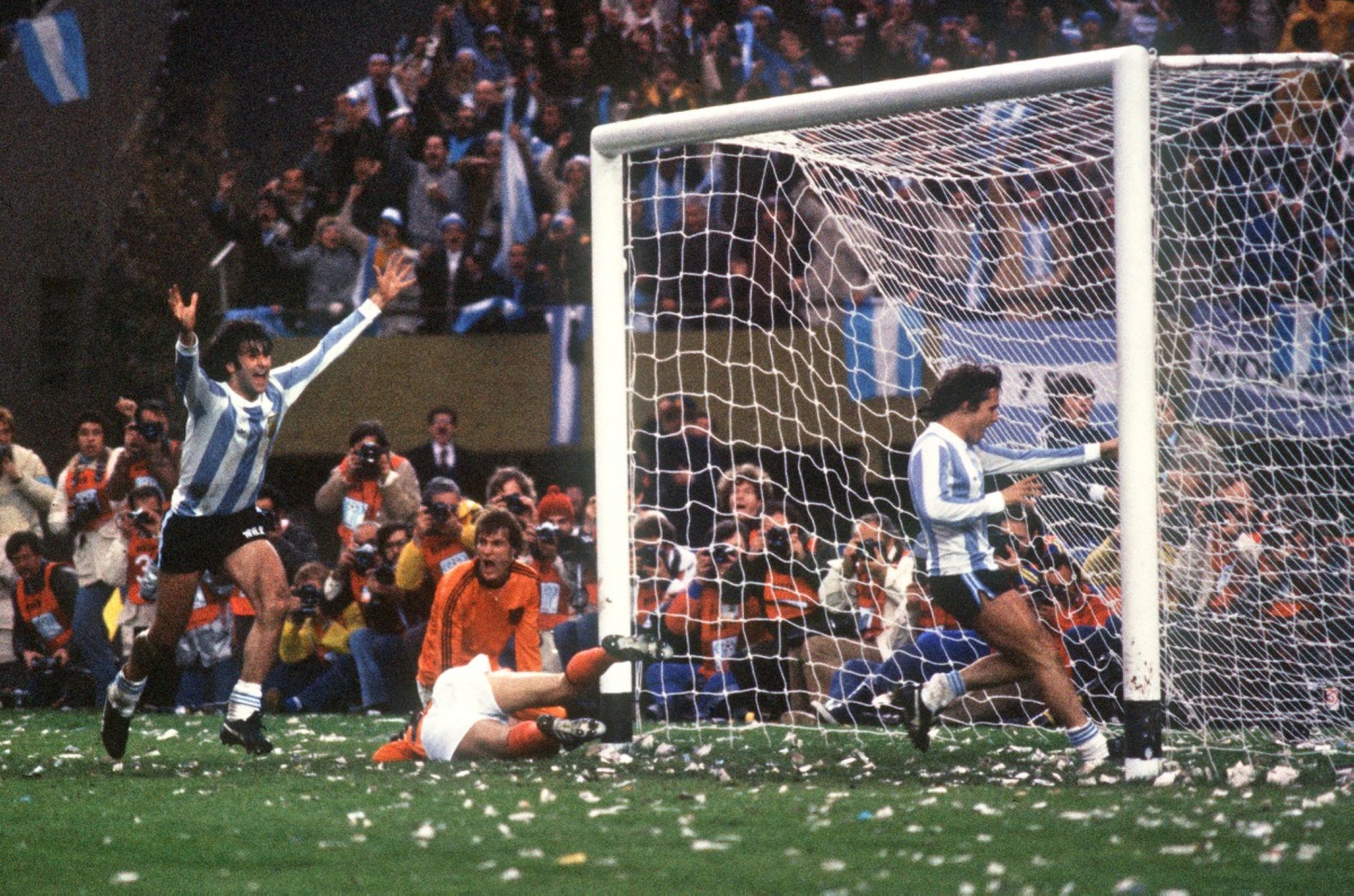
South American dictatorships realised that footballing victories fashioned by their most gifted players could dominate headlines and overshadow the consequences of their brutal rule. Brazil, which was under a military dictatorship at the height of its World Cup dominance, produced the most enduring of all World Cup-winning sides in 1970, the first tournament broadcast in colour.