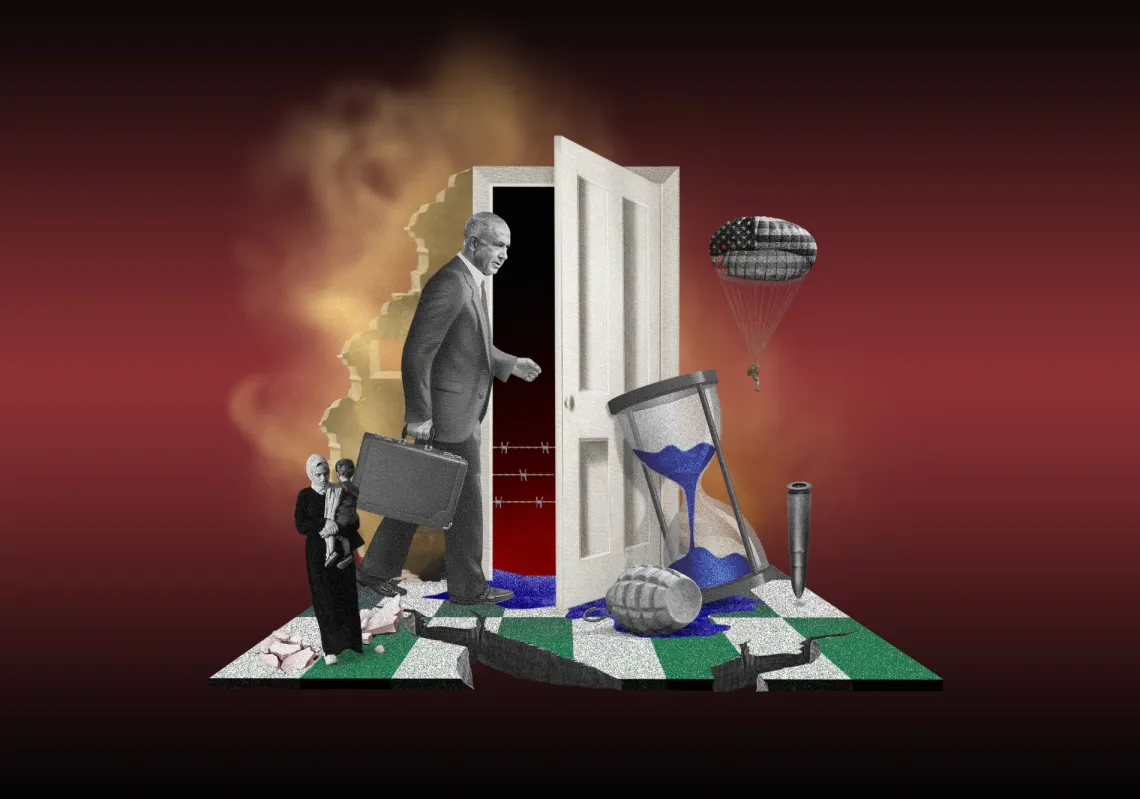

US President Donald Trump has become a passenger in the Iran war, despite insisting that he remains behind the wheel after months of failed efforts to reach a peace deal. And by attempting to portray himself as in control and denying complex realities on the ground, he has only made it more difficult to reach an agreement.
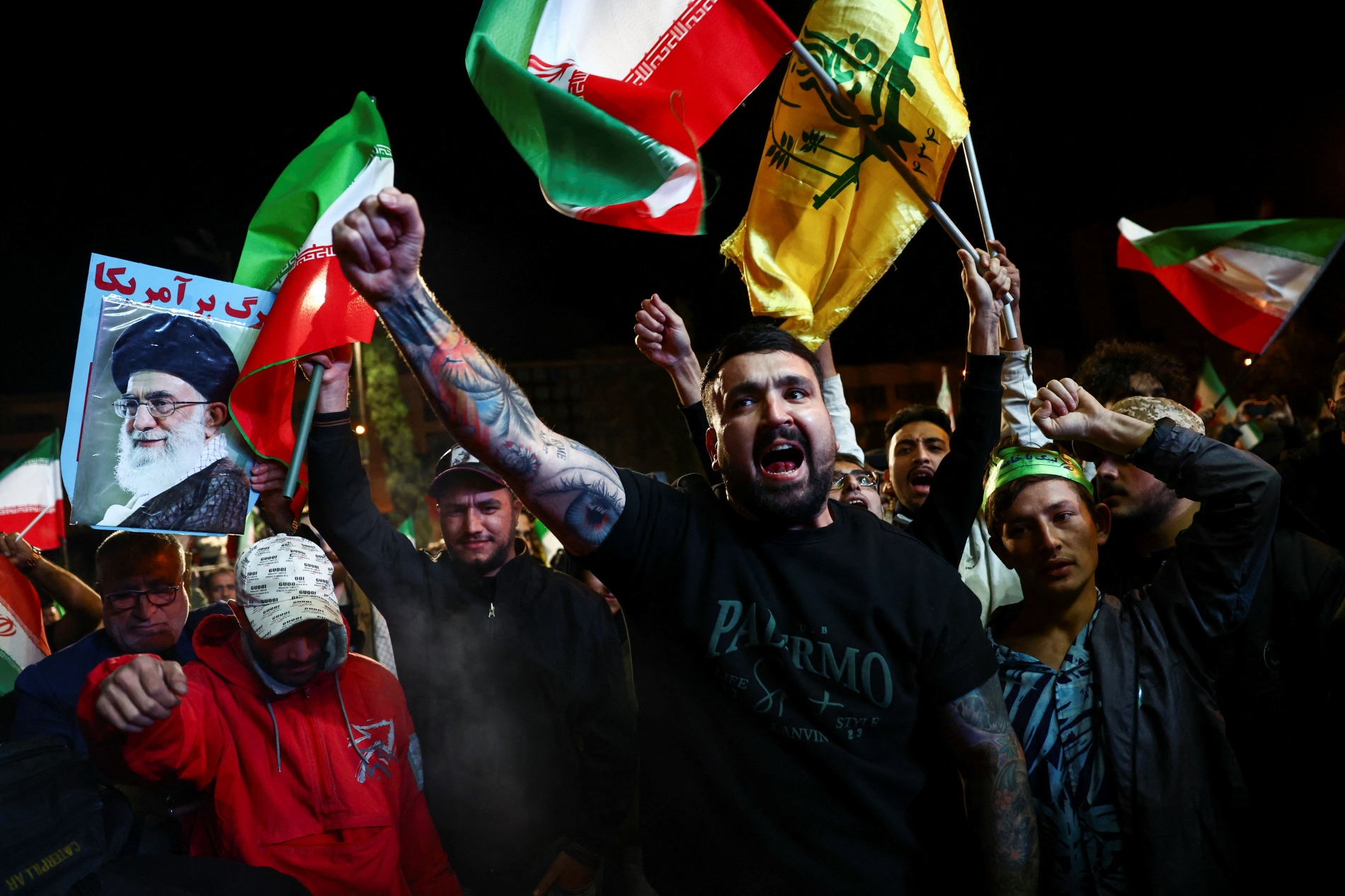
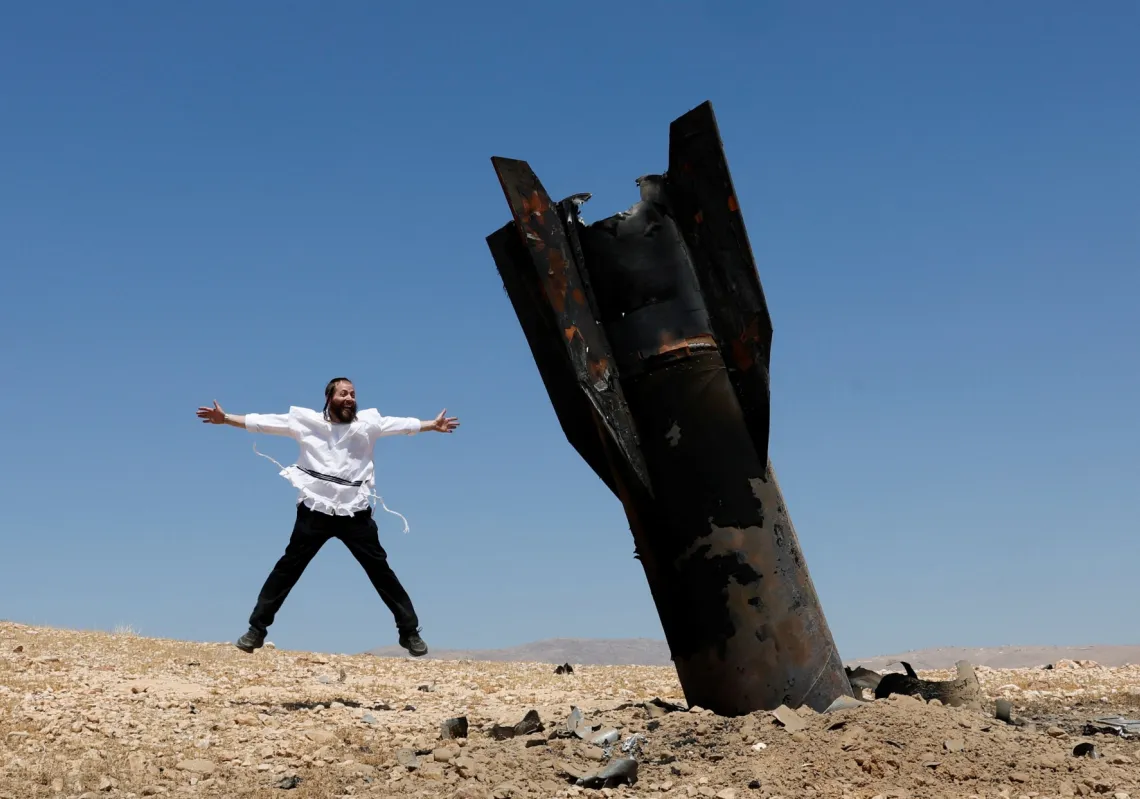
Trump’s limited ability to dictate the war’s direction was on display overnight as Israel and Iran traded fire for the first time since a truce began in early April. After Israeli strikes in Beirut on Sunday, which Trump said he was “not happy” about, Iran fired a barrage of ballistic missiles at Israel. The Iranian missiles were intercepted, with no reports of casualties or damage to infrastructure. Following the Iranian missile attack, Trump suggested that he was in control of the situation and that he would ask Israeli Prime Minister Benjamin Netanyahu not to hit back. “I call the shots. I call all the shots. He (Netanyahu) doesn’t call the shots,” Trump told the Financial Times.
But Israel ultimately moved forward with retaliatory strikes across Iran. “Iran fired 11 ballistic missiles at Israel,” Israel’s ambassador to the United States, Yechiel Leiter, wrote on X. “No self-respecting country in the world would tolerate such an attack, and neither will Israel. Israel is now targeting Iranian surface-to-surface missile launch sites.”
On Monday, Trump called for both sides to reach an immediate cease-fire, and they’ve stopped shooting at each other for now. However, Iran warned that continued aggression, including in southern Lebanon, would lead to “far more severe and crushing measures.” Meanwhile, Israel has vowed to continue fighting Hezbollah.
With Trump eager to reach a peace deal and avoid a return to full-scale war, Iran is seemingly aware that it can now use both the stalemate over the Strait of Hormuz (and the related energy crisis) and Israel’s offensive in Lebanon as leverage in negotiations.
Tehran has established “a new equation in the Middle East,” in which an Israeli attack on Hezbollah can trigger Iran to attack Israel, said Ofer Shelah, a research fellow at the Institute for National Security Studies (INSS), a think tank affiliated with Tel Aviv University in Israel.
The situation is indicative of the difficulties Trump will continue to face in attempting to steer an intractable and interwoven set of circumstances in the Middle East. Even though the United States is Israel’s closest ally, Washington’s influence over Israeli leaders only goes so far.
The White House has continued to defend Israel’s right to self-defence in its statements on the Lebanon conflict. But it remains a headache for Trump as he continues the search for an off-ramp from the Iran war, which has tanked his approval numbers and could hurt the Republican Party in November’s midterm elections.
The Trump administration has been at pains to separate the Lebanon conflict from the Iran war, but Iran has made a peace deal contingent on a cessation of hostilities in Lebanon. “We are trying to view the Lebanon-Israeli talks as separate and distinct from Iran, and what Iran wants to do is mix it all together,” US Secretary of State Marco Rubio told senators last Tuesday.