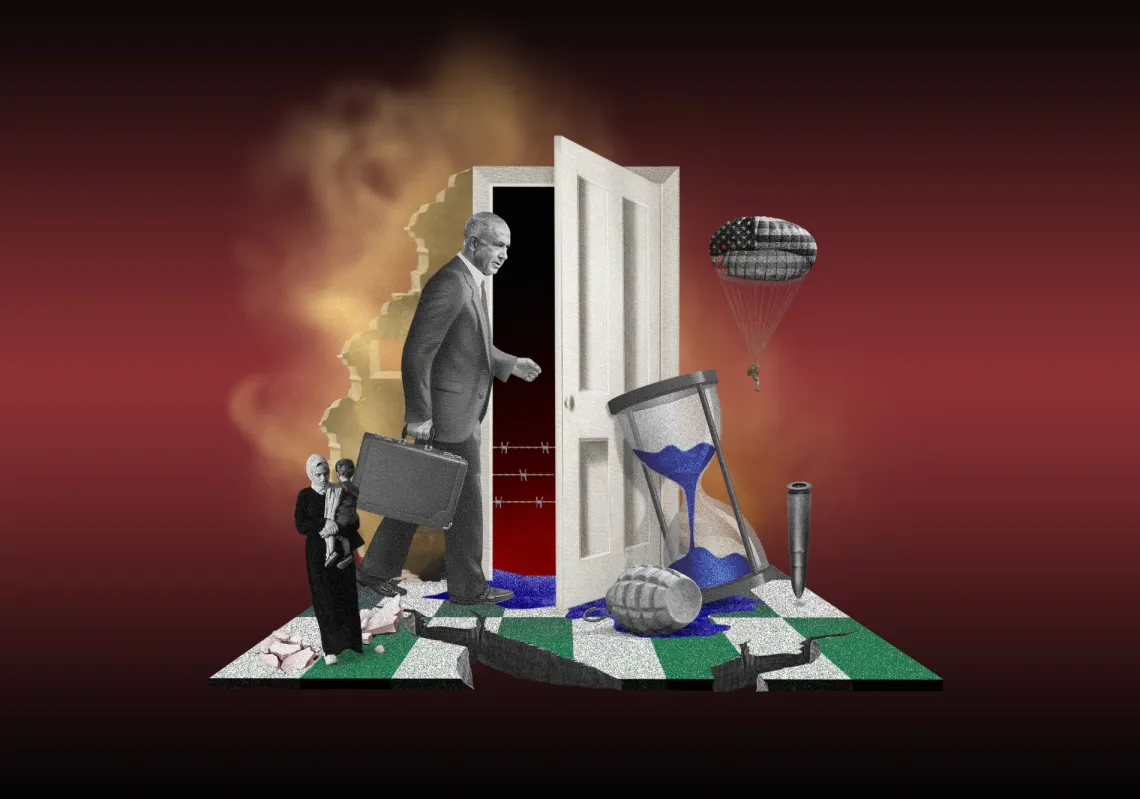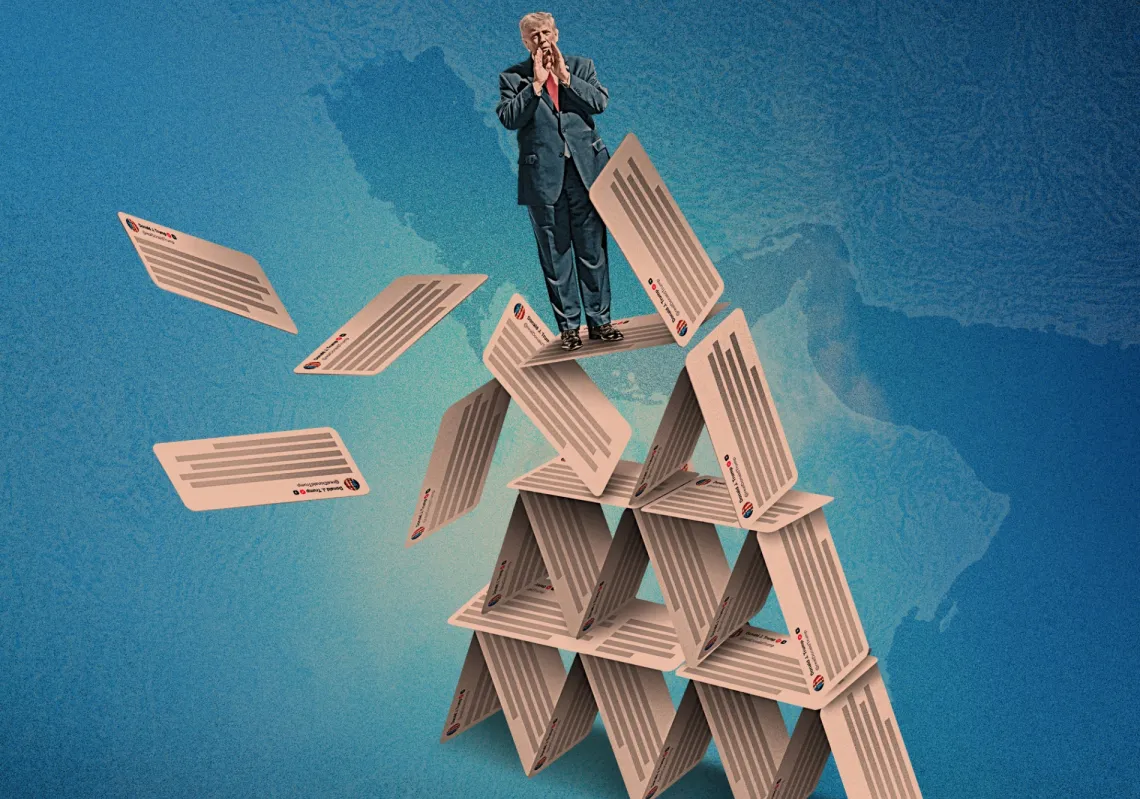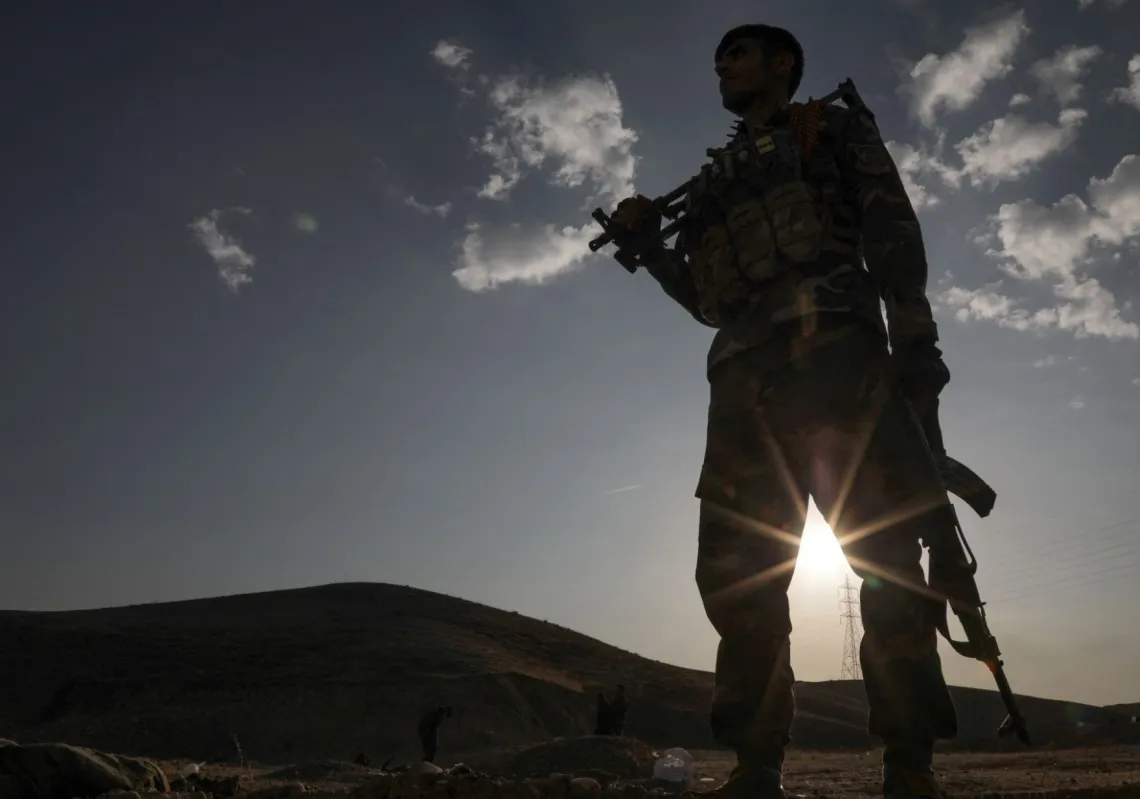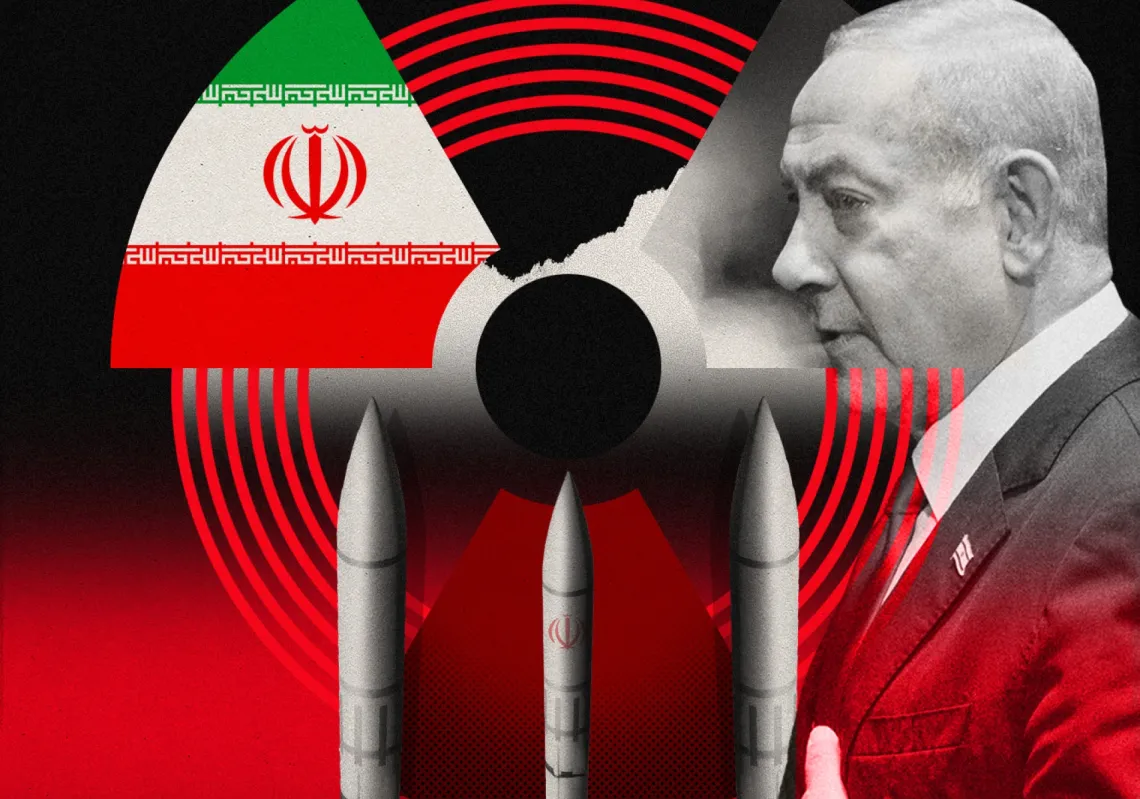

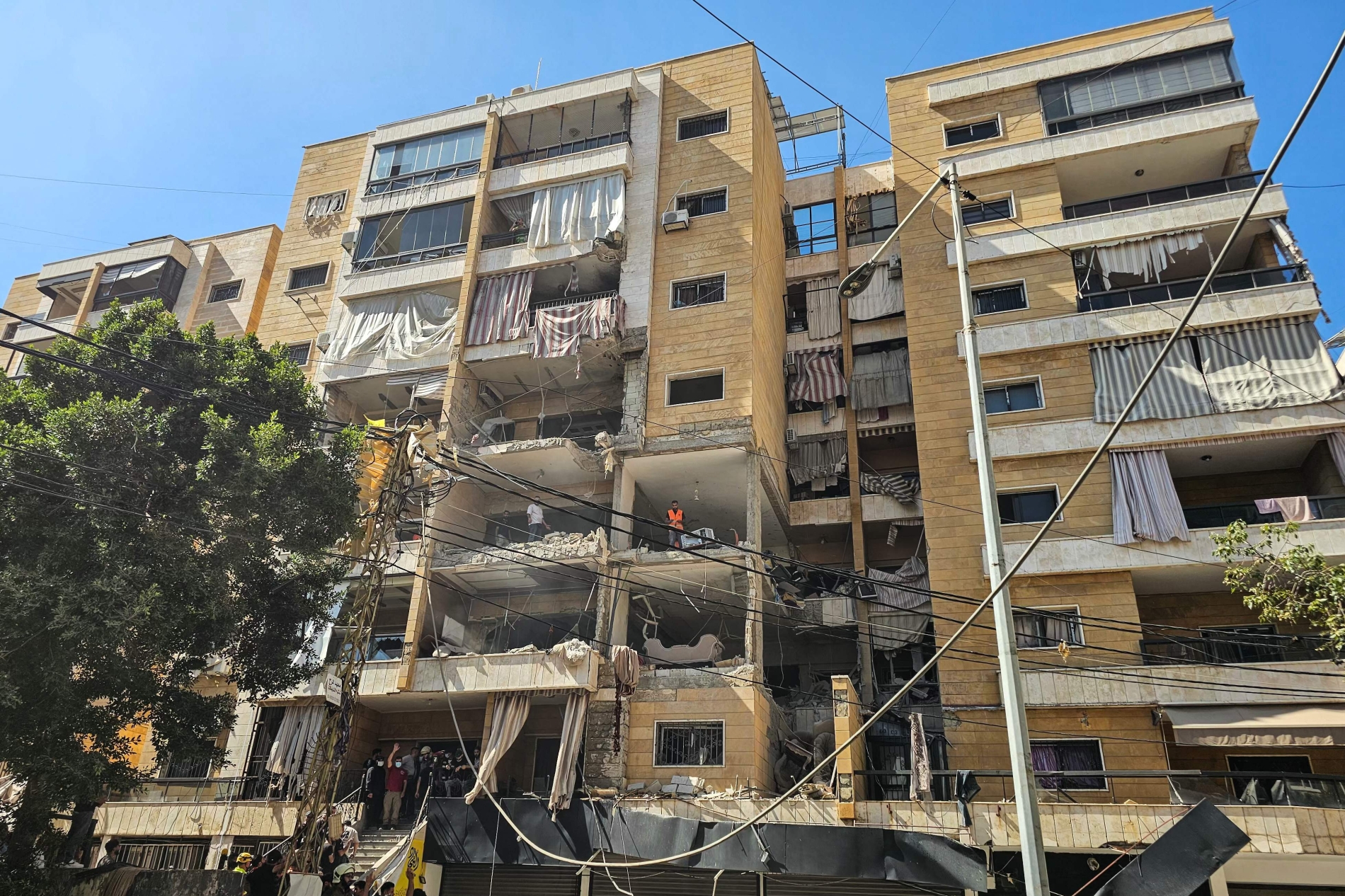
The past 24 hours have confirmed what analysts have feared for weeks: the fragile architecture of ceasefires, negotiations, and diplomatic gestures that has governed the Middle East since April is crumbling. Although the proximate trigger of the escalation was Israel’s strike in southern Beirut, amidst continued Hezbollah fire and fighting in southern Lebanon, the cause is deeper.
To understand why we are here, you have to follow the logic of each actor. None of them is irrational. All of them are trapped. When the US-Israeli military campaign against Iran ended in a fragile ceasefire in early April, it did not resolve any of the underlying disputes. It simply froze them. The April ceasefire left Israel controlling parts of southern Lebanon, Hezbollah still armed and defiant, Iran's nuclear programme ambiguous, and the Strait of Hormuz under de facto Iranian control. Neither side got what it wanted. Israel did not achieve regime change in Tehran. Iran did not evict Israel from Lebanon. The ceasefire was not peace, but an armed pause and a war of attrition.
The Lebanon front has been particularly corrosive to broader diplomacy. Since March, over 1,000 Lebanese have been killed, more than a million displaced, and Israeli ground forces have advanced miles into southern Lebanon. Hezbollah, severely weakened by the 2024 war, nonetheless kept firing. Both Iran and Hezbollah have demanded total Israeli withdrawal from Lebanon as a precondition for any deal, explicitly linking the Lebanon front to US-Iran nuclear negotiations.
The Israeli strike on Beirut that triggered this latest round was not a miscalculation. It was a choice—one that, from Benjamin Netanyahu's vantage point, carries its own logic.
The Israeli premier has never been fully on board with Trump's diplomatic track. Since February, when he sat across from Trump in the Oval Office and presented a red line demanding the dismantlement of Iran's ballistic missile capabilities as a precondition for any deal, the gap between Israeli and American objectives has been visible to anyone paying attention. Trump wants a deal that lets him claim victory before the midterms, reopen the Strait of Hormuz, and redirect American focus away from the Middle East. Netanyahu wants permanent degradation of Iran.
Beyond the actual terms of a deal, Netanyahu is sceptical that a “good” agreement can be negotiated under a ceasefire. Israel understands that, as Trump himself said (before becoming president), “Iran never won a war but never lost a negotiation”. The Islamic Republic is patient and knows Trump is eager to end the war. Hence Israel would have preferred negotiations under fire rather than the uneasy quiet, broken by bouts of escalation, that we’ve seen since April.
Weakened, but still potent
Short of a continuation of the war with Iran, one way to maintain pressure on Iran has been to continue to target Hezbollah. While diminished, the group is still potent. Before the 2024 war, Hezbollah was the crown jewel of Iran’s deterrence against Israel. The group has since sought to rearm, with the help of Iran, which has taken an even more direct role in supervising its reconstruction.
To be sure, the decision to continue the war in Lebanon also has political roots. In October 2023, as Hezbollah decided to launch its own front in support of Gaza, Israel promised its northern residents that it would rid them of the threat. The 2024 conflict was seen as a success in Israel—but one largely erased by 2026, as Hezbollah drones showed the group was still very much able to threaten Israel. Frustrated residents of the north are the embodiment of Netanyahu’s failure to convince part of the Israeli public that the country is better off today than it was on 6 October, 2023.
A disappointing deal with Iran would reinforce that impression, and prevent a number of right-wing voters who left Netanyahu after October 7 from voting for him in the coming elections. It would also signal that the bond between Trump and Netanyahu may no longer be as strong as before, and that Washington is losing patience and stamina.
This is why Trump's statement on 6 June claiming that "Netanyahu doesn't decide things, he will have no choice but to accept a deal with Iran; I decide, not Netanyahu", landed with such force. It is the most direct rebuke of an Israeli prime minister by an American president in recent memory. Trump told the Financial Times that Israel's premier would have no choice but to accept a deal.
But Netanyahu knows that Trump's leverage has limits. The American president cannot publicly humiliate his most prominent regional partner without incurring domestic political costs, and Netanyahu has spent 30 years learning how to navigate Washington. He also knows that, with elections coming, the risk of leaving Iran’s brazen attack against Israel unanswered is more costly than that of angering Trump. He may have made that case directly to Trump, asking the president to approve an Israeli response (despite Trump’s own public statements opposing it) or else face unilateral Israeli action.
Maintaining credibility
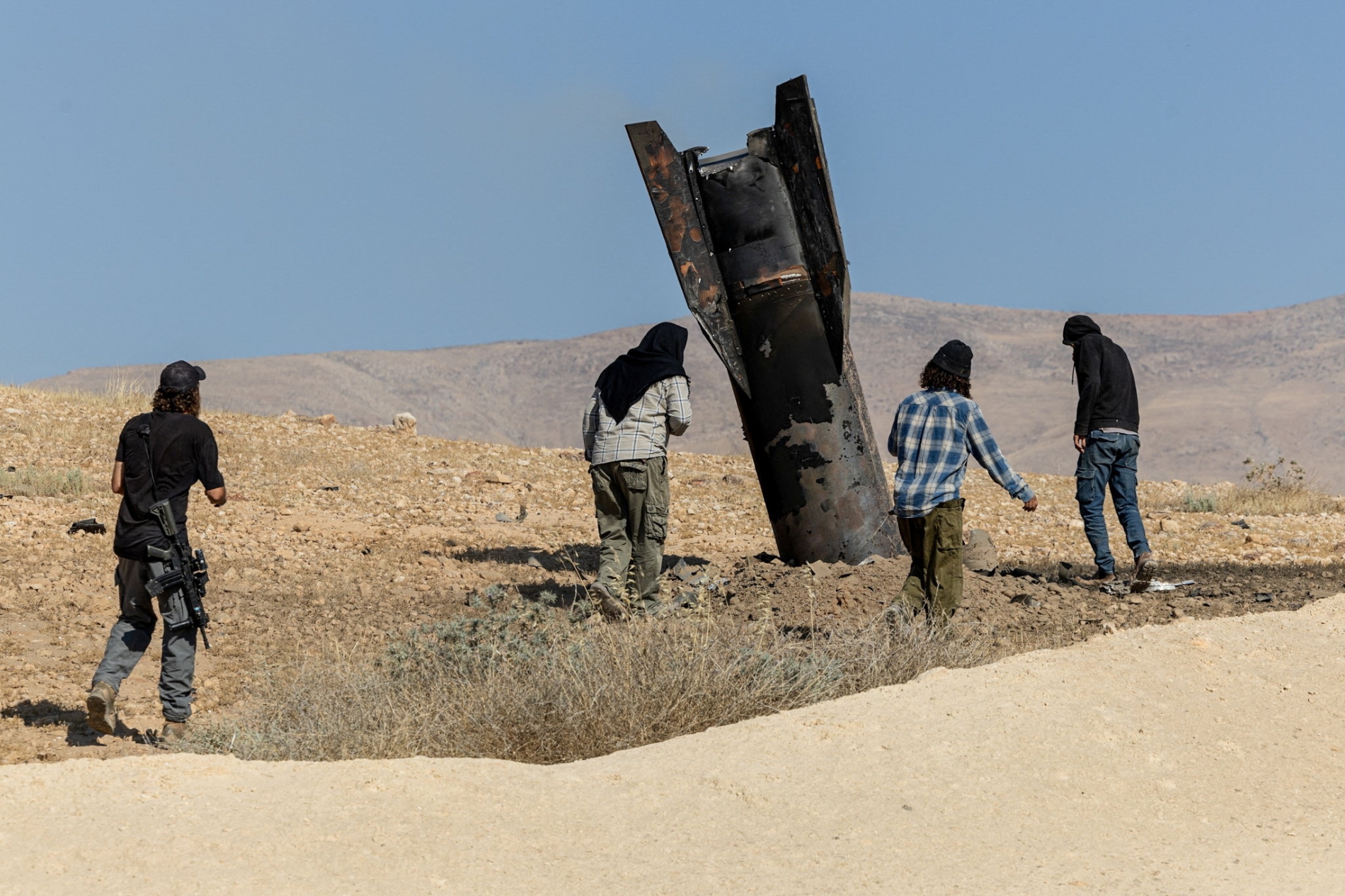
Iran's behaviour looks reckless from the outside. Its economy is devastated: Years of sanctions compounded by the war's disruption have pushed inflation to crisis levels, with the Strait of Hormuz standoff rippling into American mortgage and energy markets as well. Supreme Leader Khamenei was killed in the opening strikes of the February campaign; the regime that survived is more brittle and more paranoid than the one that preceded it. Why, then, is Tehran escalating?
The answer lies in what Iran is trying to prevent. Reuters reported on 1 June that Iran is pushing for a limited interim deal: sanctions relief in exchange for kicking the nuclear question down the road, without making irreversible concessions on enrichment. Its entire negotiating strategy depends on maintaining credibility as a party that cannot be simply steamrolled.
If Iran accepts a ceasefire framework in Lebanon that leaves Hezbollah disarmed and Israeli troops in southern Lebanon, it signals to Washington that it can be coerced into abandoning the group entirely, which Tehran views as its primary deterrent against a future strike on Iran proper. Iran may also know that, although it has a greater appetite for risk-taking than its adversary in Washington, the US blockade will ultimately bite, and protests might resume—in fact, we’ve seen limited protests before the escalation.