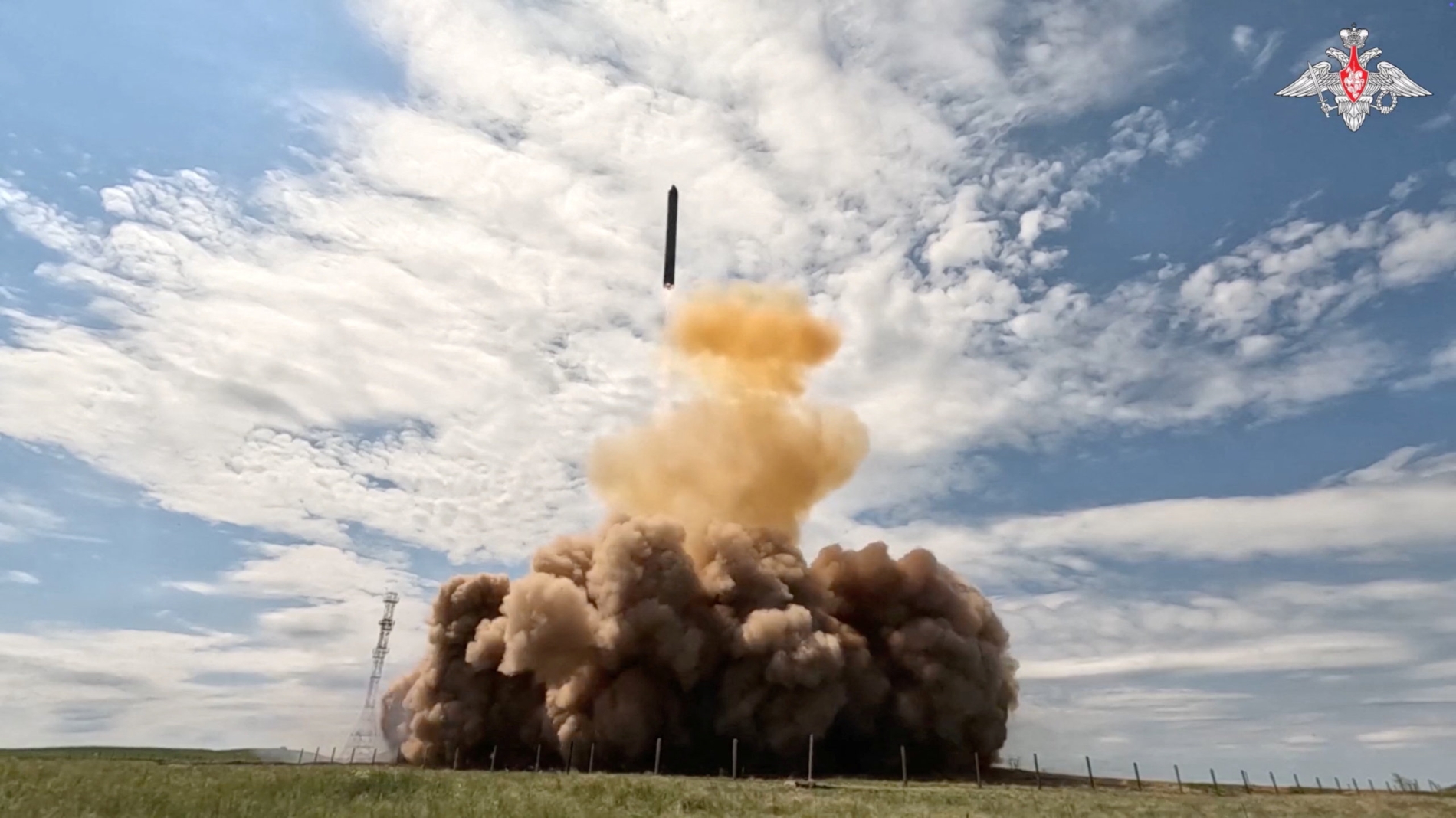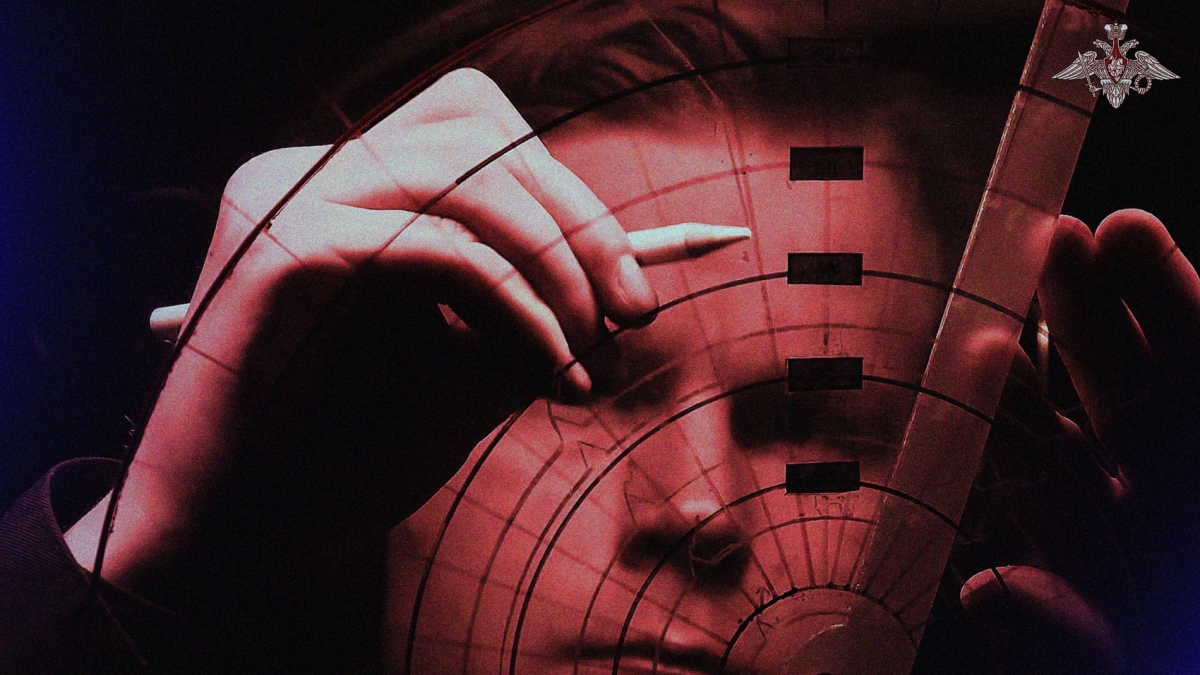

On 19 May, Russia began a large-scale military exercise that lasted three days, during which nuclear weapons were transferred to field storage facilities in Belarus, capping a series of joint drills. Russia’s President Vladimir Putin used the opportunity to stress that the country’s nuclear triad (launched from land, sea, and air) through strategic bombers, ballistic missiles, and submarine-launched missiles “is the guarantee of sovereignty”. Interestingly, the exercise coincided with his visit to China, another nuclear power.
The wider backdrop to the exercise is the ongoing wrangling in Pakistan over Iran’s nuclear programme, the grinding stalemate of conventional war in Ukraine, and rising tensions in the Baltic region, fuelled by repeated drone incidents. Yet Russia’s nuclear posturing is hardly new. Threats to resort to tactical nuclear weapons have been made since Moscow first invaded Ukraine in February 2022. Former Russian president Dmitry Medvedev, now deputy chairman of the Security Council, has issued especially bellicose statements on the potential use of nuclear weapons.
Against this tense backdrop, the exercise in Belarus last month seemed intended to send a clear message to Europe and the US. There is anxiety in Brussels about Europe's security and its place in the global geopolitical order, the Russian invasion being the continent’s first major land war in 80 years.
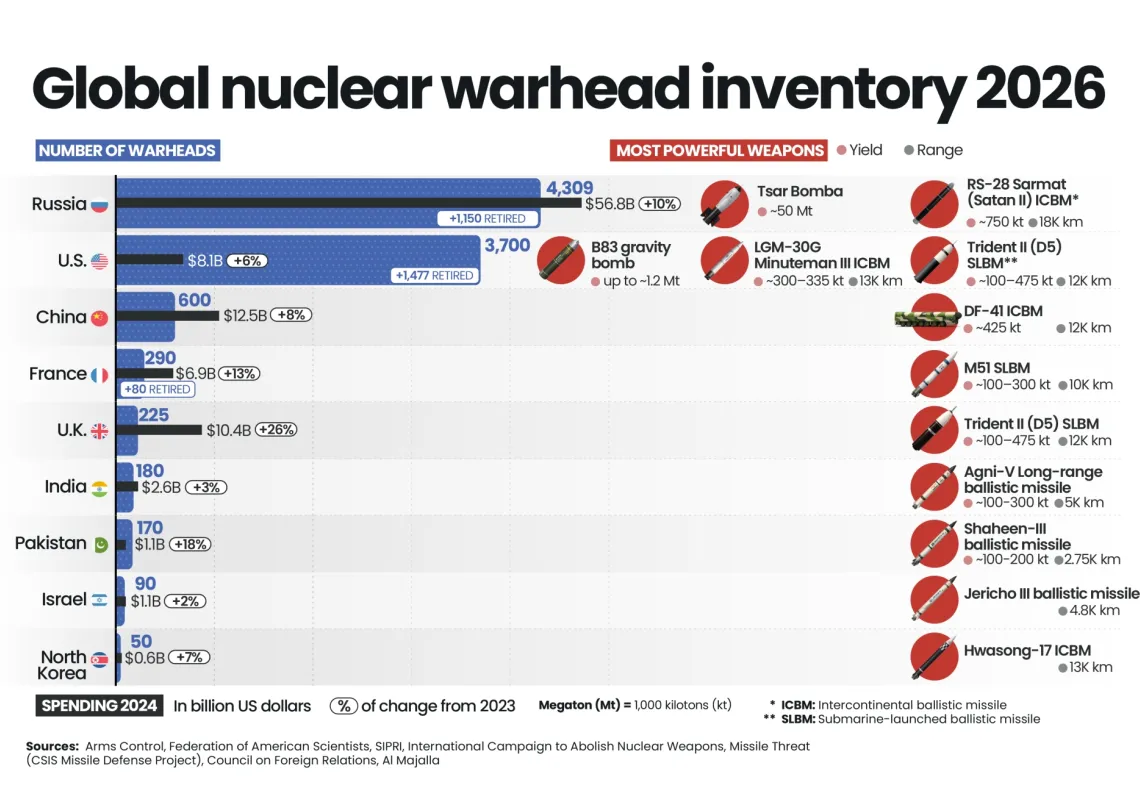
This has made non-nuclear states increasingly interested in obtaining a nuclear weapon. In the 1990s, it was India and Pakistan that crossed the threshold to join the nuclear club, which had previously been limited to the five major victors of the Second World War, plus Israel (which maintains a policy of ambiguity). North Korea joined relatively recently when it conducted its first nuclear test in 2006.
The rush to get a bomb was restrained through both the Treaty on the Non-Proliferation of Nuclear Weapons (NPT), which entered into force in 1970, and the voluntary renunciation of nuclear ambitions by countries such as South Africa, Argentina, Brazil, and former Soviet states, including Ukraine. But a flurry of 21st-century conflicts and a new sense of geopolitical ‘disorder’ as China grows in strength and the United States withdraws from multilateralism have prompted a rethink.
Iran currently commands the world’s attention owing to the recent six-week war and the continuing economic fallout, but nuclear concerns are far more widespread, reinforced by the failure of UN-hosted negotiations in May to reaffirm the objectives of the NPT. There are now mounting fears of a new nuclear arms race, whether this involves Iran or not. This was the third consecutive NPT review failure, with unsuccessful conferences held in 2015 and 2022. It reflects a growing divide among the major nuclear powers over disarmament and nuclear proliferation.
Arms control vacuum
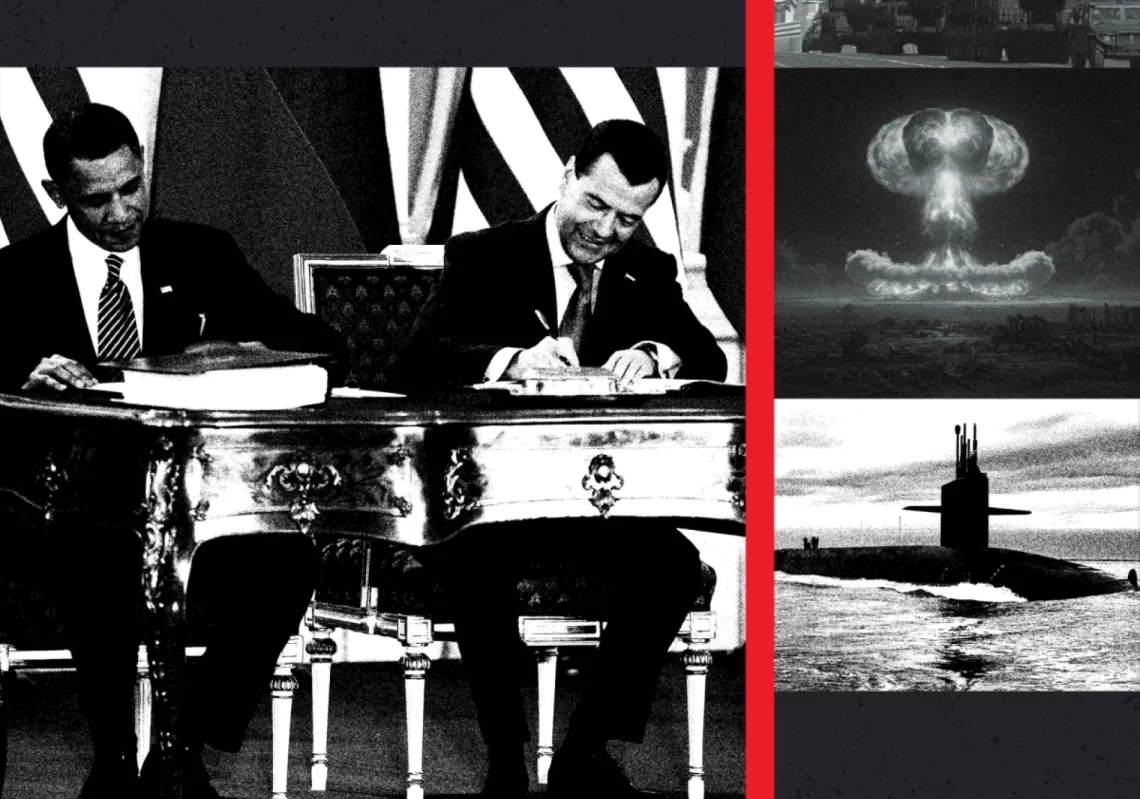
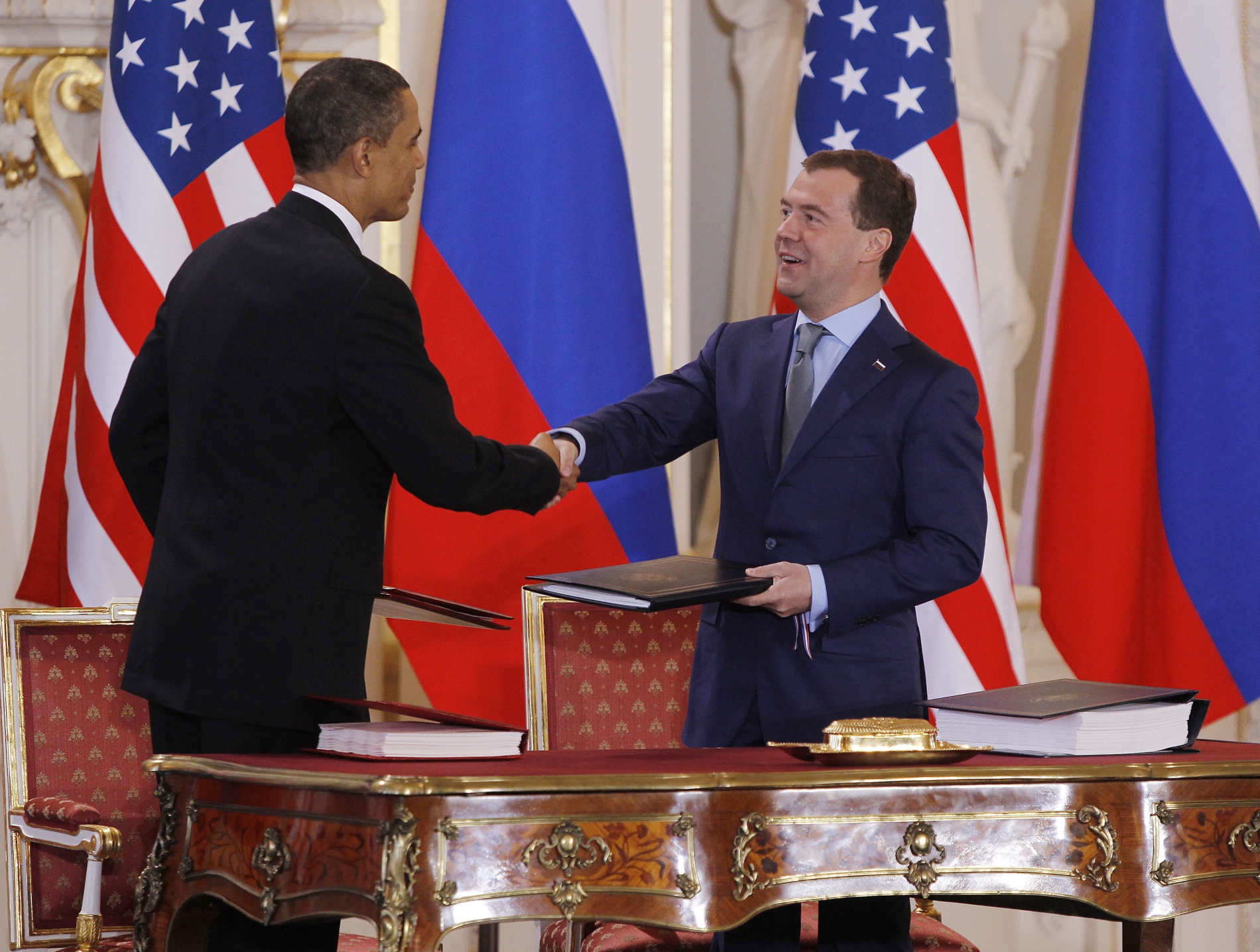
As a result, there is now a vacuum in global arms control, following the expiry last February of the last remaining treaty limiting the size of Russian and American strategic nuclear arsenals. Moscow formally suspended its participation in February 2023, a year after its invasion of Ukraine, citing the impossibility of inspections and the broader geopolitical environment. Washington has said it wants a “more suitable” agreement that includes China, and has not sought to extend the treaty in its current form.