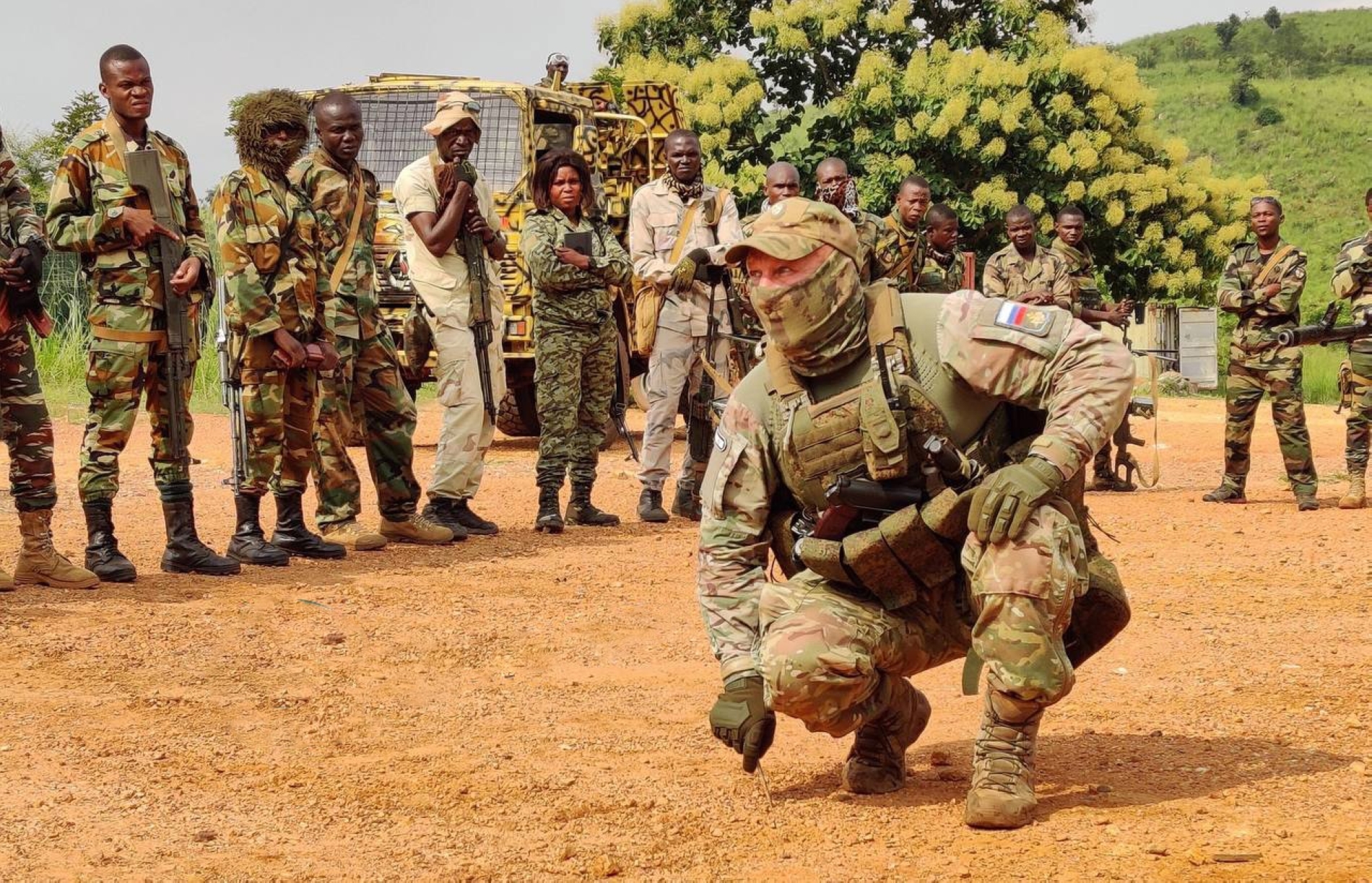
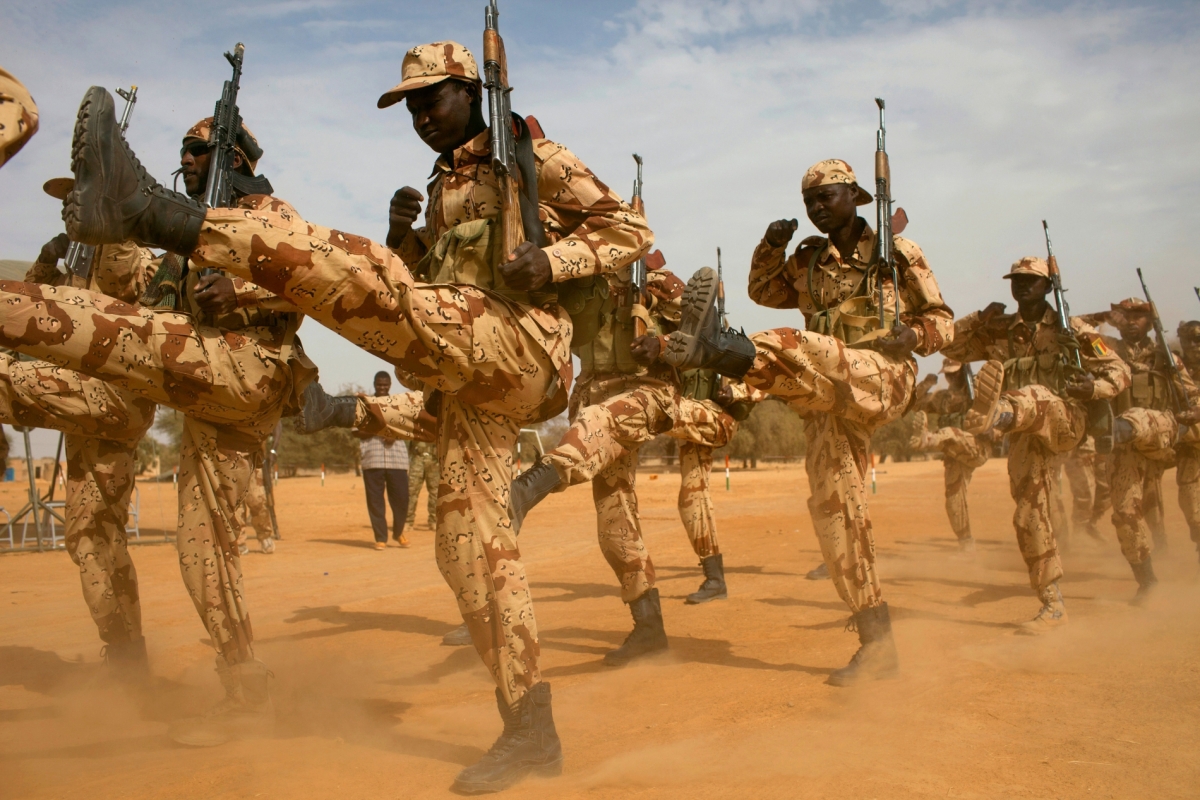

The presence of thousands of fighters from the Maghreb and sub-Saharan Africa in the Russian army has long been explained away as a form of Russian deceit and coercion. And yet, while such tactics undoubtedly exist, the narrative of exploitative recruitment alone obscures a broader reality: Russia is participating in a longstanding global system in which military service functions as a route out of poverty.
What distinguishes Russia’s use of African fighters is not the practice itself, but the efficiency with which it has exploited conditions that already exist. The use of foreign nationals in military structures is, after all, nothing new. The French Foreign Legion has long accepted volunteers from around the world, and the US military offers a path to citizenship through military service. The British Army, meanwhile, has recruited Gurkhas from Nepal for more than two centuries, regarding them as a source of institutional pride rather than controversy. Private military companies also recruit globally, often with little scrutiny.
The scale of African participation in the war in Ukraine has, nevertheless, attracted intense scrutiny and is often framed as evidence of a uniquely predatory Russian recruitment system. According to Ukrainian authorities, open-source researchers, and independent investigations, more than 1,400 Africans from 35 countries were identified serving in the Russian army between 2023 and 2025, of whom over 300 were confirmed killed. This is far from unique. Africans have fought in conflicts from Chechnya and Afghanistan to Syria and Libya.
The more relevant question, then, is why Russian recruitment is treated as an anomaly? Africans who joined the Russian army generally entered the country legally, often on student or work visas. Recruitment advertising circulates widely on social media and messaging platforms, attracting people already looking for opportunities abroad. In many cases, individuals arrive in Russia before being approached to enlist.
More than mere coercion
Recruitment is rarely straightforward and can involve deception, pressure, and the exploitation of vulnerable circumstances. But while deception may explain how some people are recruited, it does not explain why the offer appeals in the first place.
To understand why some Africans join the Russian army, it is necessary to look beyond the battlefield itself. In many countries across the continent, opportunities for social and economic advancement remain limited, especially for young men. A military contract can therefore offer income, status, and, in Russia’s case, a route to citizenship. It is the same logic that drives irregular migration: people accept significant risks in the hope of improving their lives.
Much of the public narrative around deceit and coercion is shaped by testimony from captured fighters. Such accounts should be treated cautiously. Prisoners operate under fear, uncertainty, and a powerful incentive to say whatever improves their chances of survival. That does not make their statements meaningless, but it does make them an unstable foundation on which to build sweeping explanations about why these men joined the war.
These recruits sign the same military contracts as Russian citizens and serve in the same units. That does not erase the obvious imbalance between Russian citizens and foreign nationals in vulnerable situations, but nor are these fighters treated as a separate disposable force operating outside the system. They are integrated into the regular military structure, with the same risks and, at least formally, the same rights.
Russia’s use of military service as a route to legal status also reflects a broader international pattern in which armies are tied to immigration and residency policies. For many recruits, alternatives still existed: continuing their studies, working, or returning home. Military service was therefore not simply imposed on them, but chosen as a way out of economic insecurity and limited opportunities.
The politics of recruitment
What emerges is not simply a story of isolated recruitment schemes, but part of a wider global pattern in which economic vulnerability, legal ambiguity, and the promise of status push people towards dangerous alternatives. Military service abroad, irregular migration, and private security work are all variations of the same search for stability and upward mobility. Russia did not create these conditions. It has simply learned how to exploit them effectively.