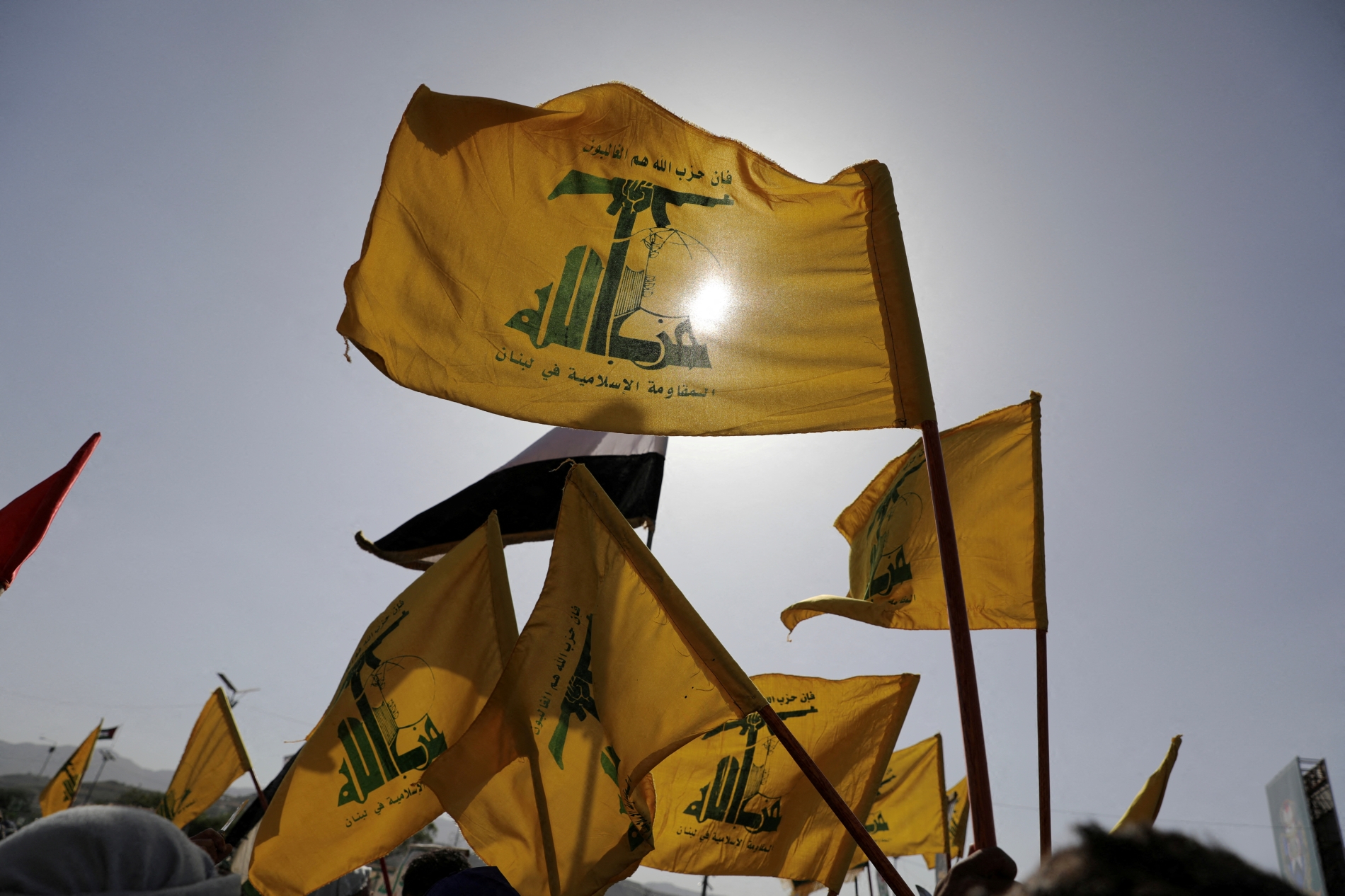

Hezbollah can lose fighters, commanders, territory and access and still survive if its money survives. That is the uncomfortable lesson Europe should draw from the group’s recent setbacks, as shown in “The Financial Operations of Hezbollah in Europe,” a major recent report by this author, published by the Austrian Documentation Centre on Political Islam.
The war with Israel in 2023–24 weakened Hezbollah militarily and politically. It also reduced Iran’s ability to fund it at previous levels, while changes in Lebanon after the war curtailed some of the privileged access Hezbollah long enjoyed at the country’s port and airport. The fall of the Assad regime in Syria in late 2024 dealt another blow, disrupting an allied environment in which Hezbollah had profited, including through the captagon trade.
Yet none of this has broken the global financial networks that sustain the organisation. US estimates have put Hezbollah’s annual budget at more than $1bn, with around $700mn a year coming from Iran, implying that at least 30% is generated through the group's own illicit and semi-licit activity. Those networks remain active, diversified and deeply embedded in ordinary commerce.
The role of BAC
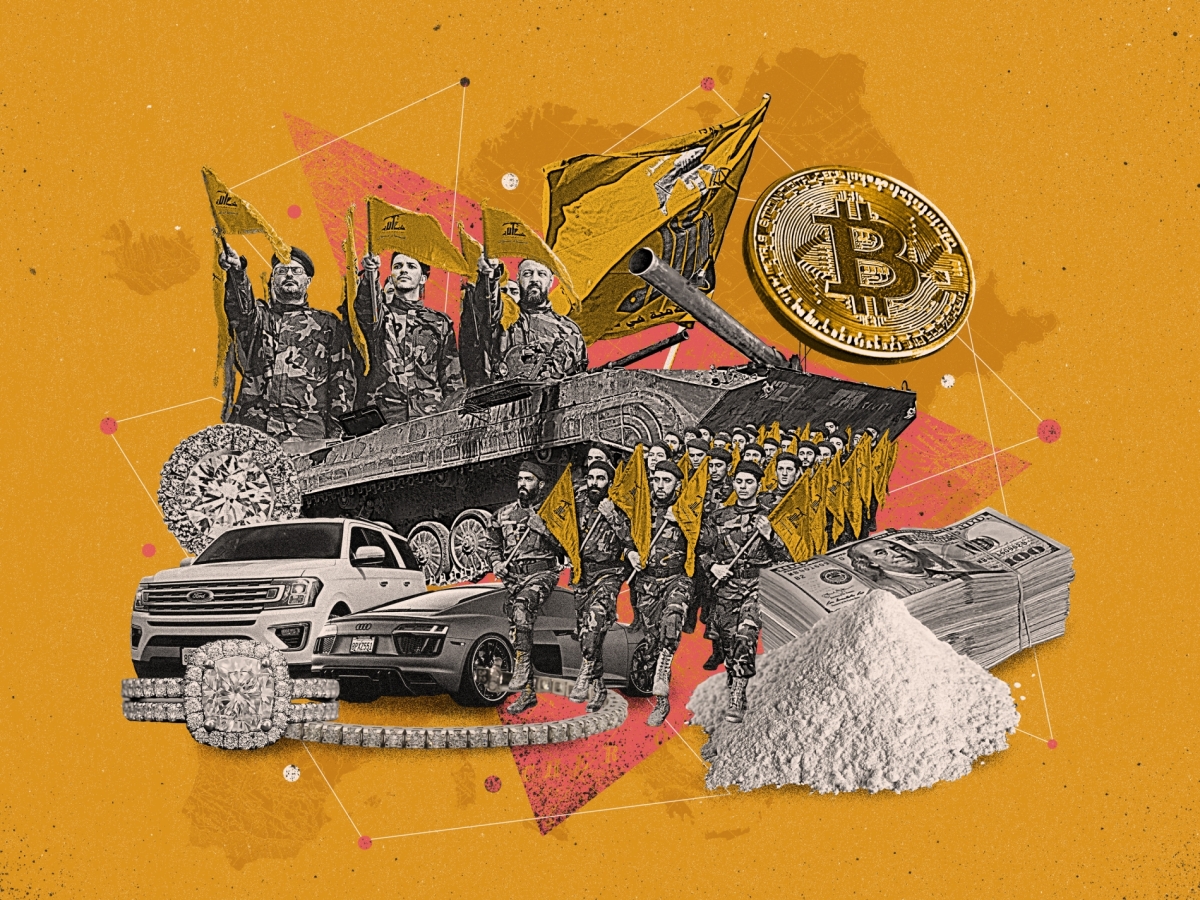
Hezbollah is not simply a militant organisation that receives illicit finance. It is a sophisticated financial organisation with a dedicated bureau for handling its worldwide criminal and commercial operations. At the centre of that system sits the Business Affairs Component, or BAC, part of Hezbollah’s External Security Organisation and originally established by Imad Mughniyah.
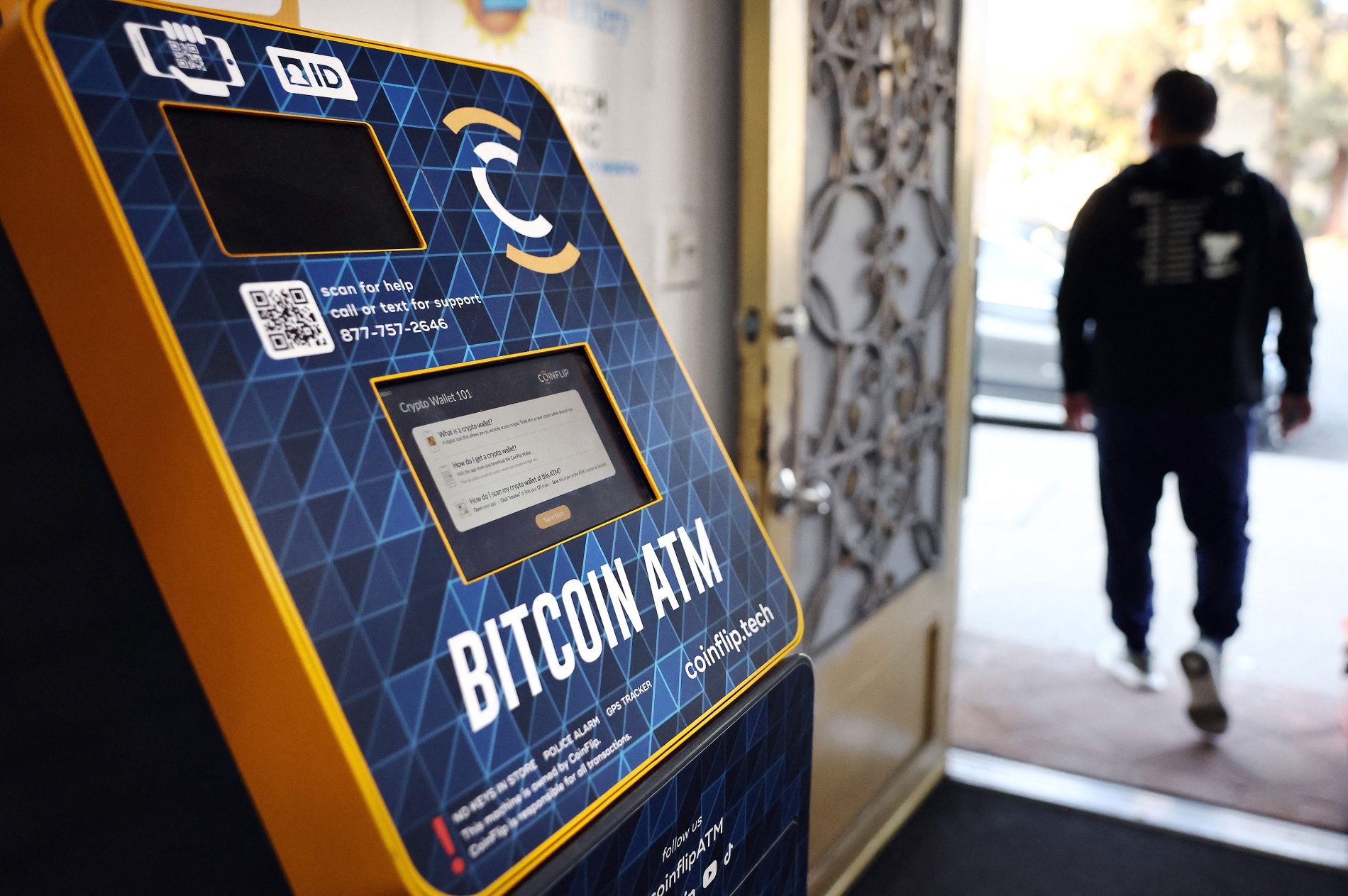
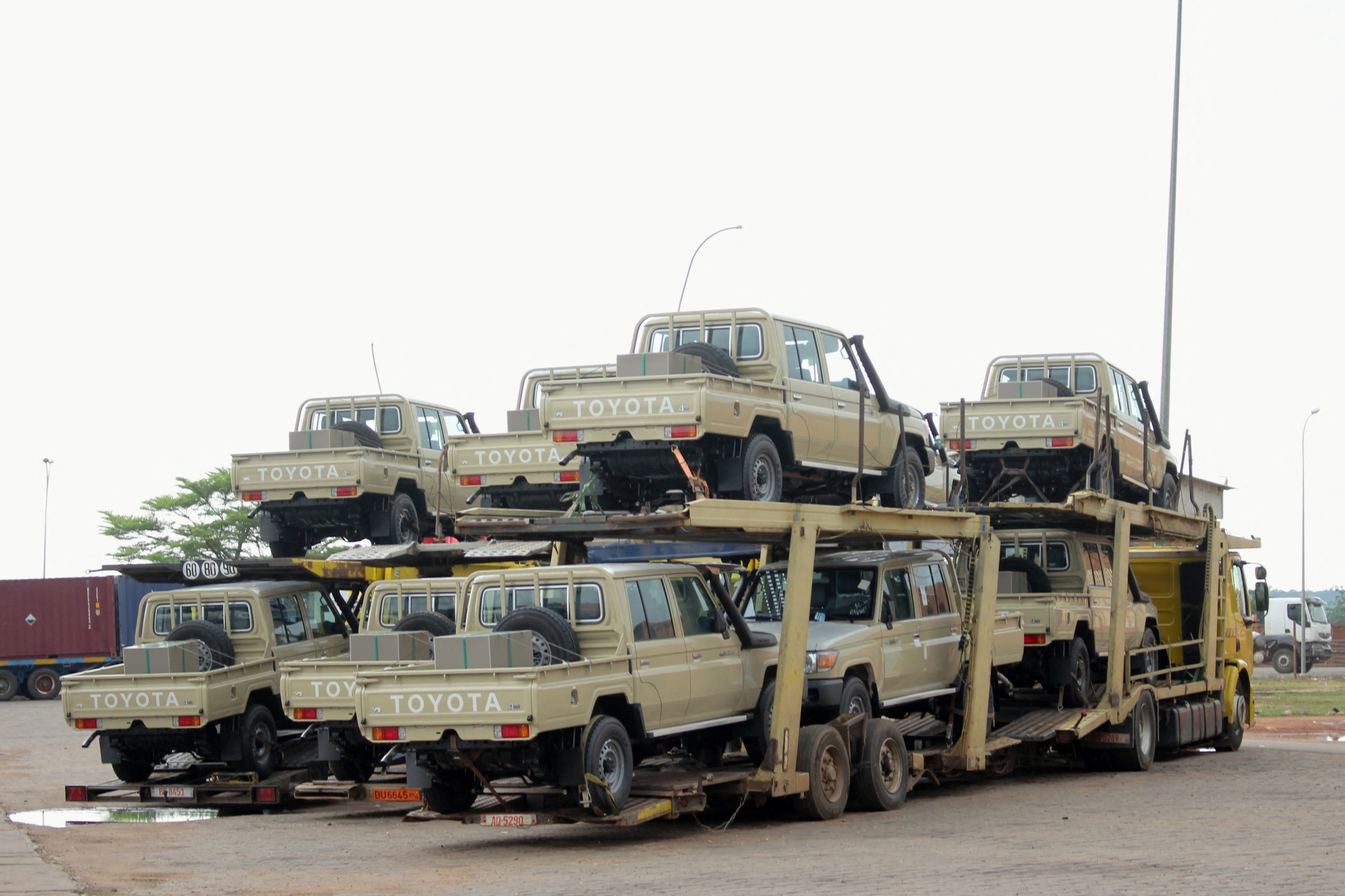
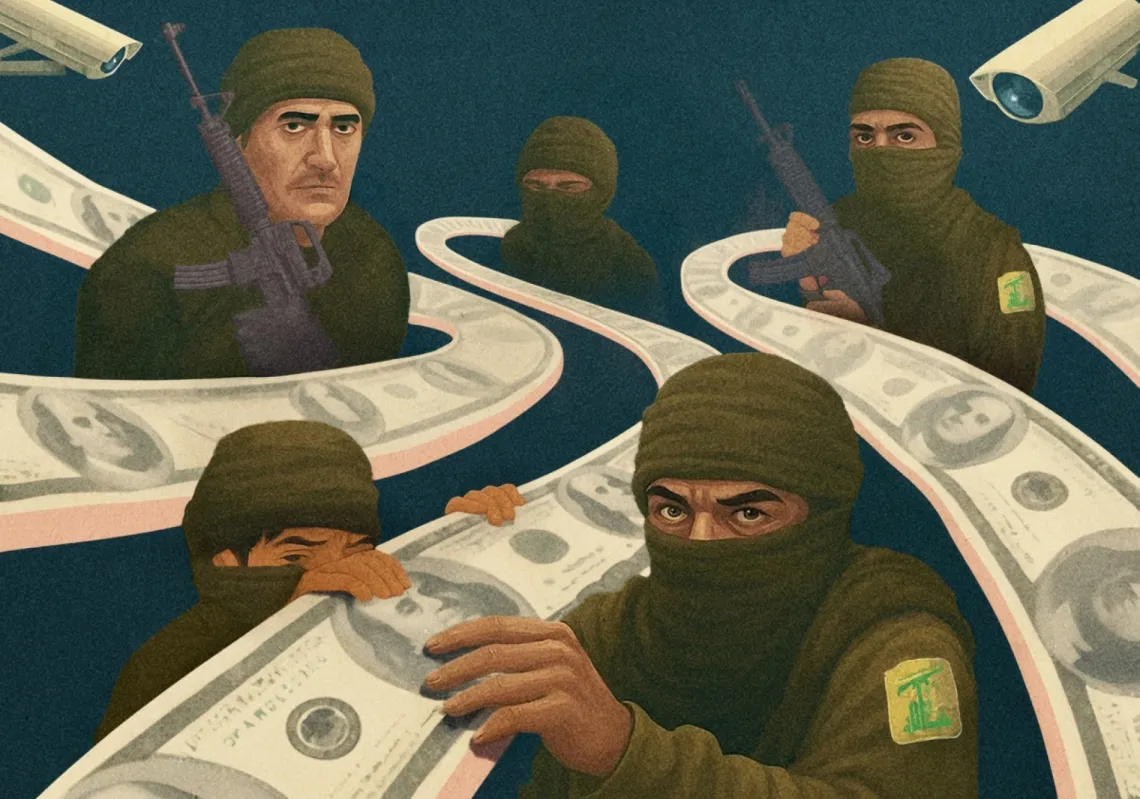
BAC’s role is to connect Hezbollah to international drug and weapons trafficking and money laundering in a systematic way. This is why Hezbollah does not rely only on Tehran or on crude suitcases of cash; it also raises and moves money through the cocaine trade, the trade in second-hand cars and other high-value goods, charities, money-exchange houses, including hawala systems, and now cryptocurrency, with money laundering running through all of those activities.
Its financial strength lies precisely in the fact that much of this does not happen in a hidden underworld entirely separate from legitimate economic life; it happens in the overlap between the legal and the illegal, where an ordinary business transaction, a shipment of goods, or a charitable donation can become part of a system that launders criminal proceeds and sustains a powerful armed group.
For its part, Europe is a key money-laundering hub for the funds Hezbollah generates worldwide and a central node in the trade routes through which those funds are moved and disguised. Europe is useful to Hezbollah for practical reasons: it offers wealthy markets, advanced banking systems, major ports, and sectors in which opacity is often normalised.
Drug trade
Hezbollah-linked financial activity has surfaced in countries including Austria, Belgium, France, Germany, Italy, Spain, Switzerland, and the United Kingdom. Rich European economies offer Hezbollah clients for the sale of cocaine. Europe is also a place where the value of items can be disguised for money laundering, goods can be moved across borders with a low risk of inspection, and transactions can be routed through multiple jurisdictions until the original criminal source becomes harder to identify.
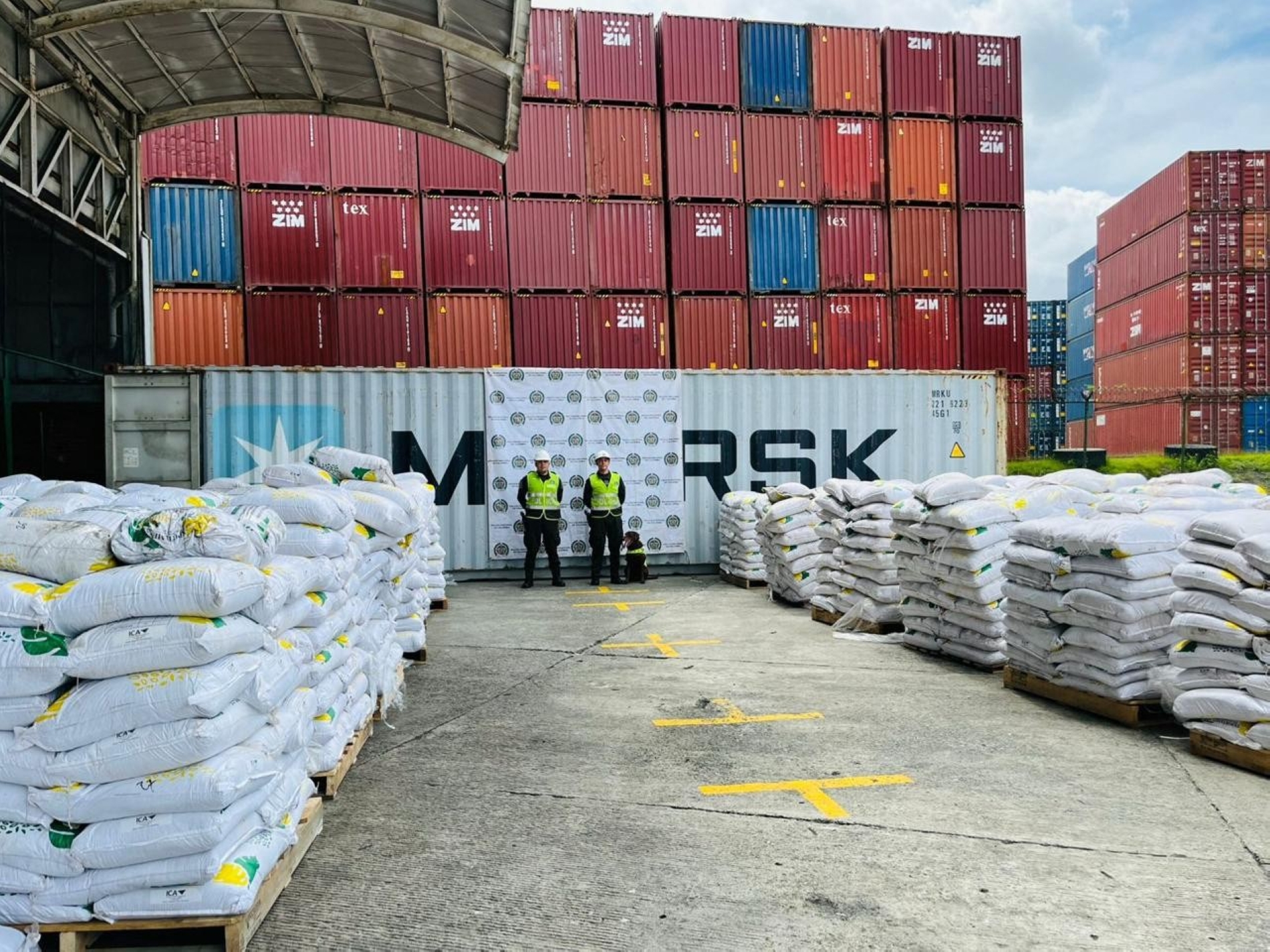
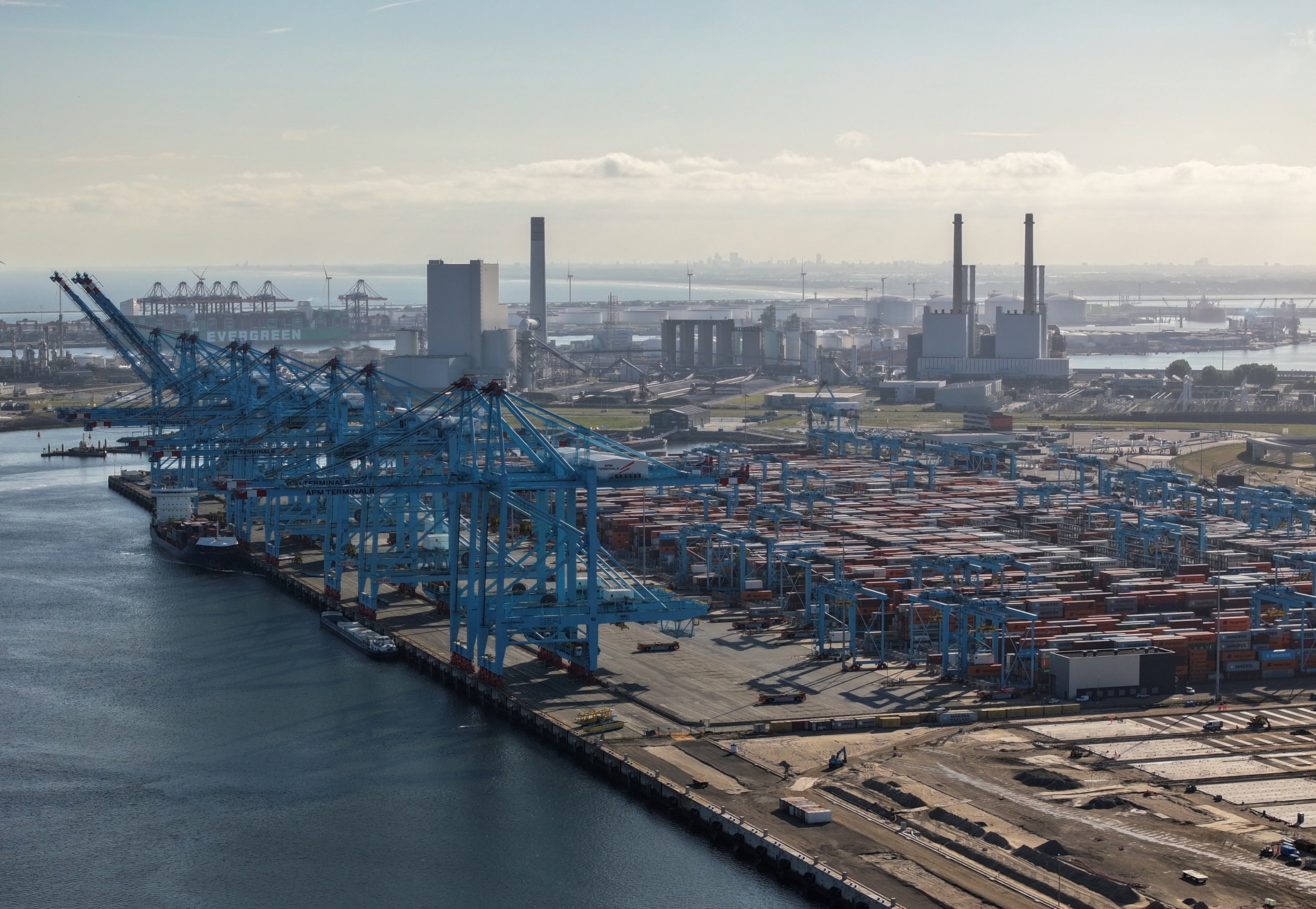
Europol estimates that only 2-10% of containers at European ports are inspected. That's an extraordinary vulnerability when one remembers that Hezbollah has used Europe both as an end market and as a transit route: in one case uncovered by Austrian authorities in 2021, a network was preparing to move 30 tonnes of captagon through Europe on its way to Saudi Arabia.