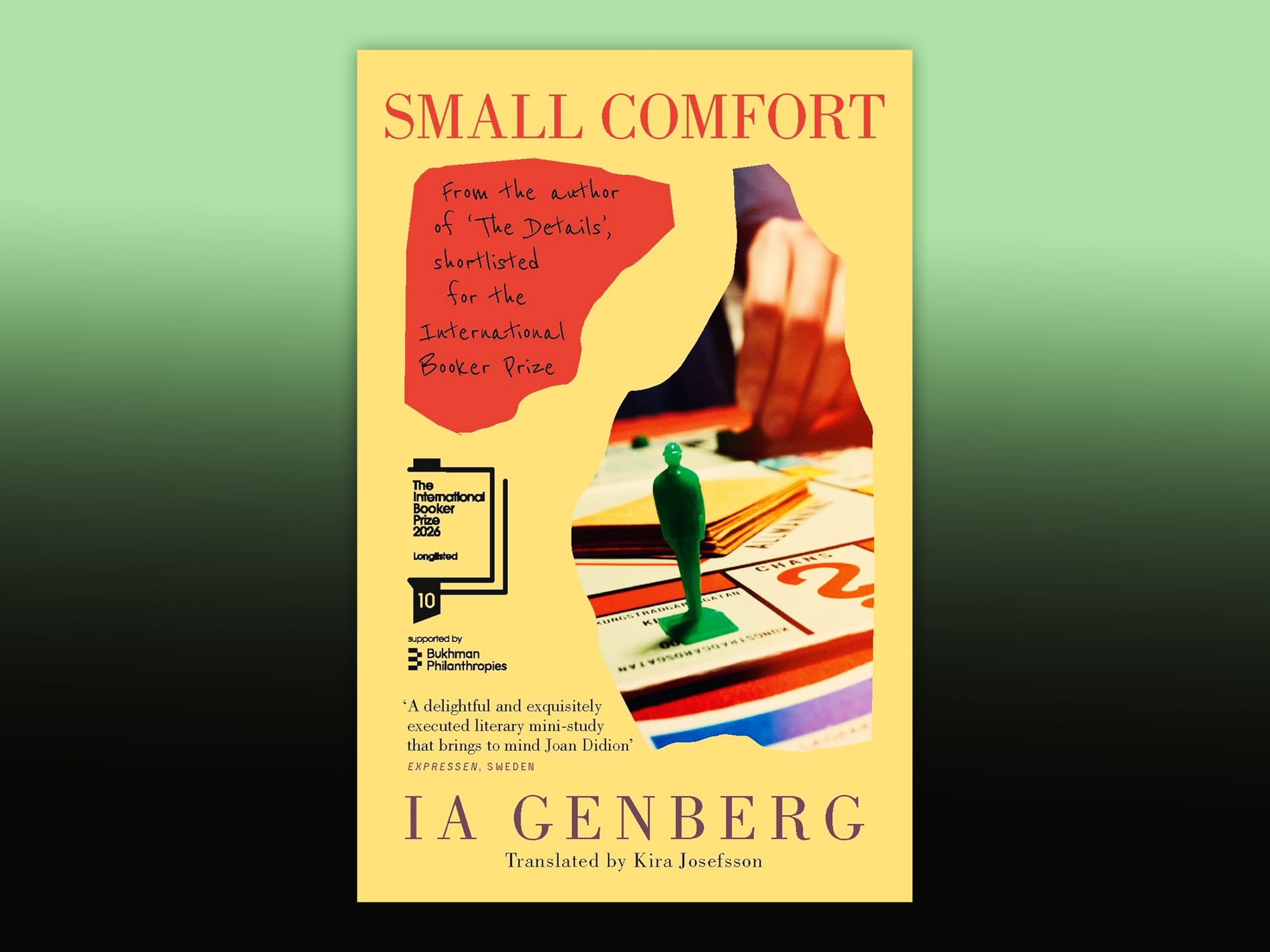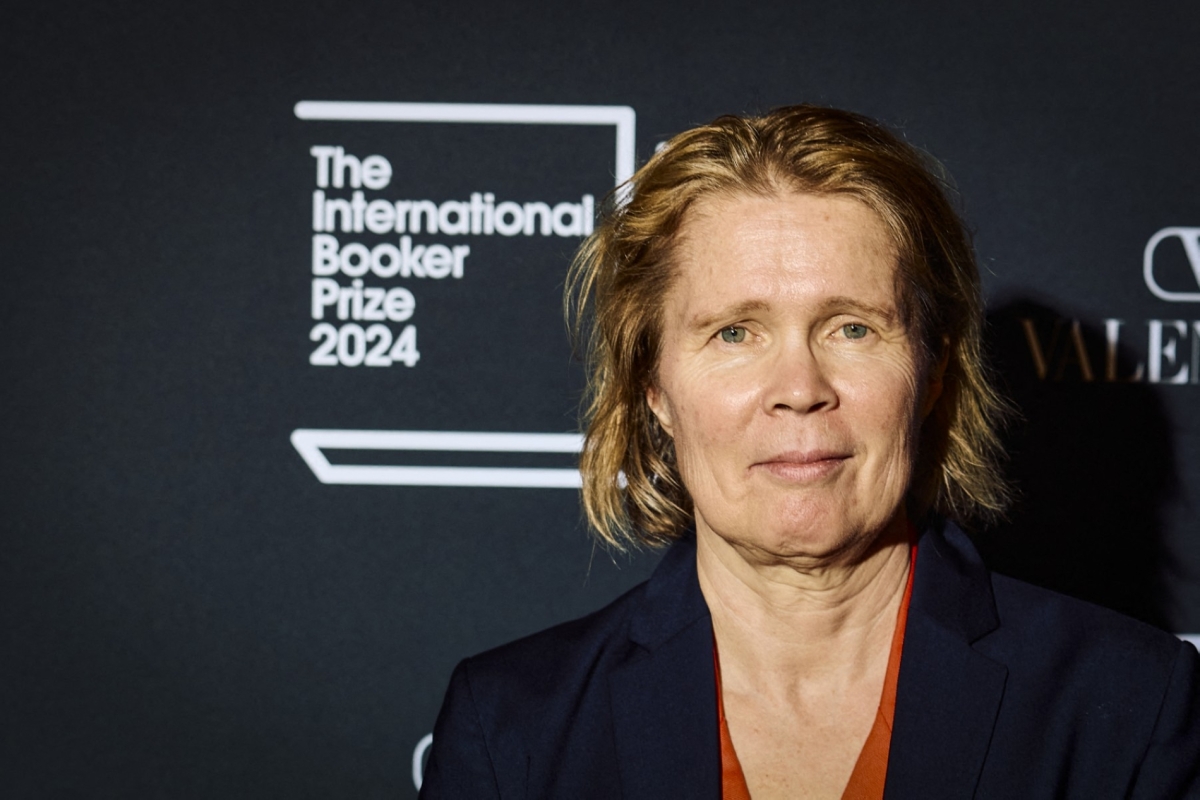

Two years ago, the Swedish novelist Ia Genberg’s The Details was shortlisted for the International Booker Prize. Earlier this year, her latest work, Small Comfort, a collection of five interconnected short stories, was long-listed for the same award. Such recognition has not only raised her international profile but also cemented her reputation as a distinctive voice in contemporary European fiction.
Born in Stockholm in 1967, Genberg began her career as a journalist before turning to fiction in 2012 with her debut novel, Sweet Friday. A handful of works have followed since, including the critically acclaimed The Details, which traces a feverish narrator’s recollections of four formative relationships.
Al Majalla caught up with her, discussing everything from memory and the nature of storytelling to money, language, and the art of translation.
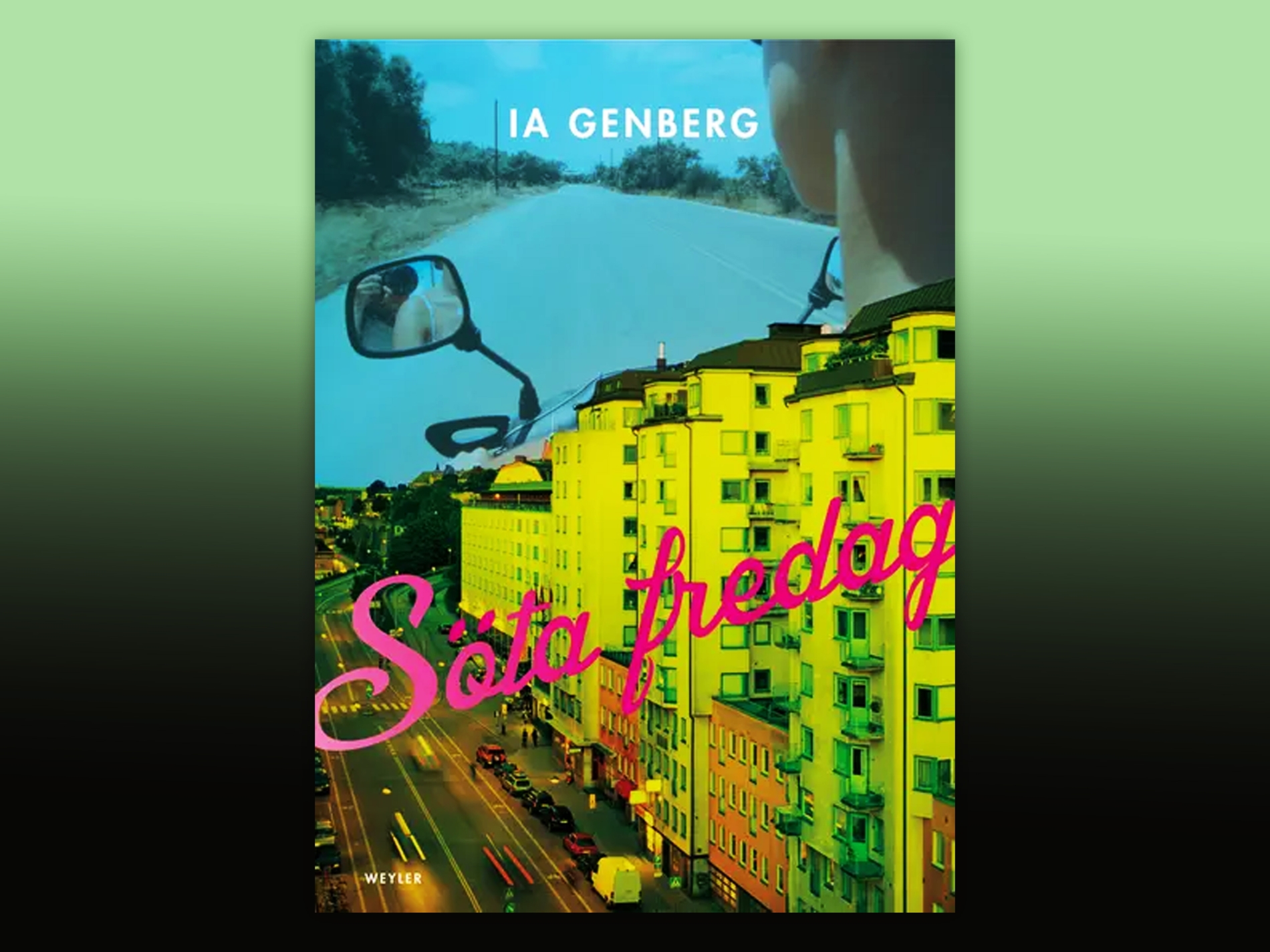
You published your first novel, Sweet Friday, after a long career in journalism. What led you to start writing?
I had worked as a journalist for about 10 years and was a bit tired of it. I had also made documentary films and worked in communications. When I was at home with my young children, I finally had the peace and quiet to think about what I wanted to do. I had a few ideas and short stories drifting around in my head, and based on some of them, I started writing.
What unites your work, and why do you return so often to memory and human relationships?
Unfortunately, I don’t have any grand vision for writing at all. I write one book at a time, and when I’m finished, there are a hundred more or less bad ideas waiting in line. There’s no big plan, no carefully thought-out overarching themes or anything like that. But when I’m sitting there writing, it has happened more than once that I’ve written about memory and people.

In your novel, The Details, to what extent does the narrator experience memory as something lived rather than recalled?
I wanted to find a way for the narrator to reach beyond herself, beyond her own ‘I’, to speak honestly about other people, not to be self-absorbed or constantly reflecting on herself. At the same time, inevitably, the story is about her as well. That’s what happens when we tell things about others, or about the weather, the world, history: we are also telling something about ourselves.
Letting the memories surface during a fever was a good way to avoid having to make the story whole, with a beginning, a middle, and an end. That’s not how we remember things, is it? Our memory is all jumbled up—bits here and there—with long stretches of erased everyday life in between.
The idea for this novel came to you while you were suffering from Covid, opened a book, and discovered an old letter. How did that grow into a novel?
That’s often how novels begin—with a small idea that then grows. It’s not easy to explain exactly how. For me, one character after another appeared, and the voice telling their story was the same. I wrote the first portrait and then set it aside without knowing what it was. Then the next portrait emerged, and as I wrote, the tone felt somehow familiar. So I kept writing, and it turned into a kind of novel.