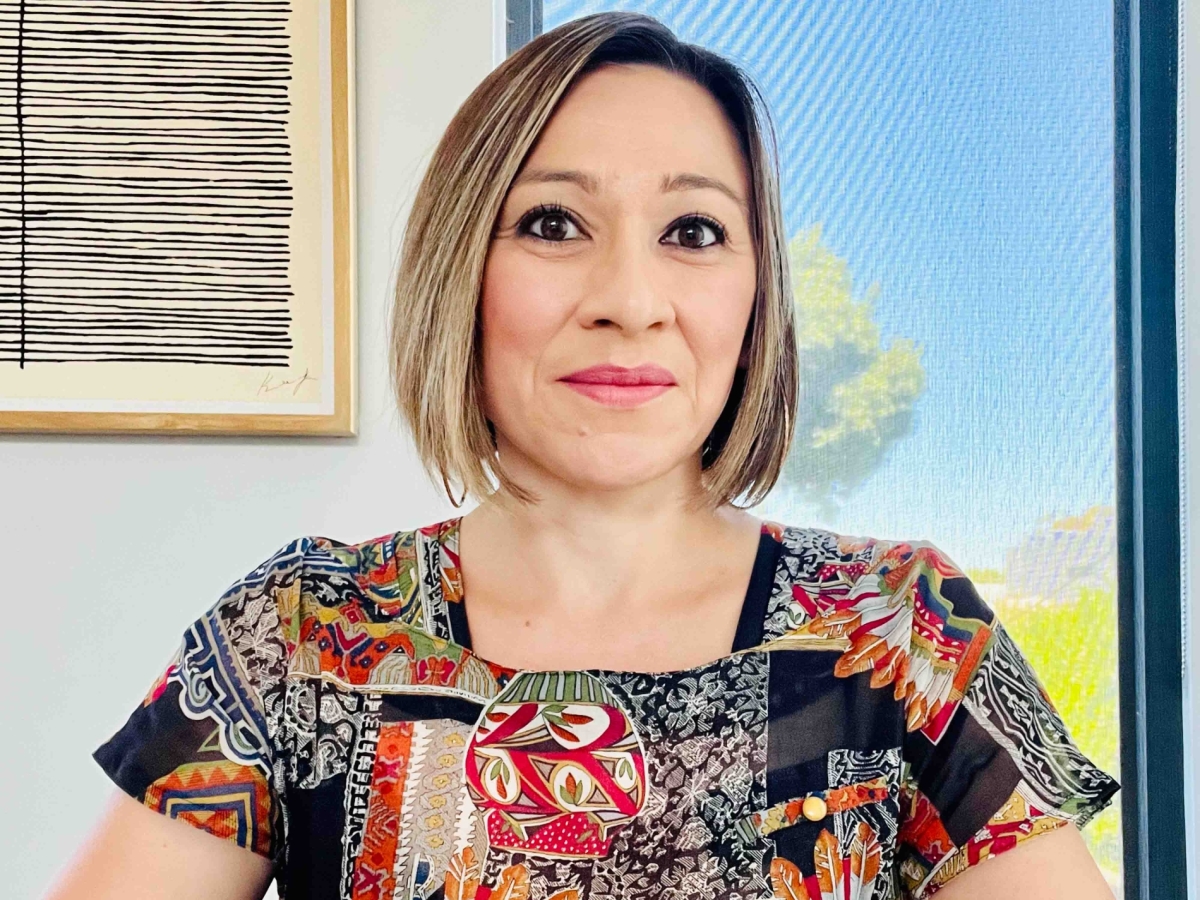
Melanie Cheng on grief, identity, and belonging

The Australian physician-turned-novelist of Chinese descent talks about her latest critically-acclaimed novel, 'The Burrow' and why she regrets not speaking Cantonese

Australian novelist Melanie Cheng

Melanie Cheng on grief, identity, and belonging

In her short stories and novels, Australian physician and novelist Melanie Cheng combines the sensitivity of a doctor with the imagination of a writer. Born in Adelaide, Australia, to Chinese parents, she moved to Hong Kong in 1986 before later returning to settle in Melbourne, a journey clearly reflected in her writing, which explores questions of identity, belonging, and human fragility.

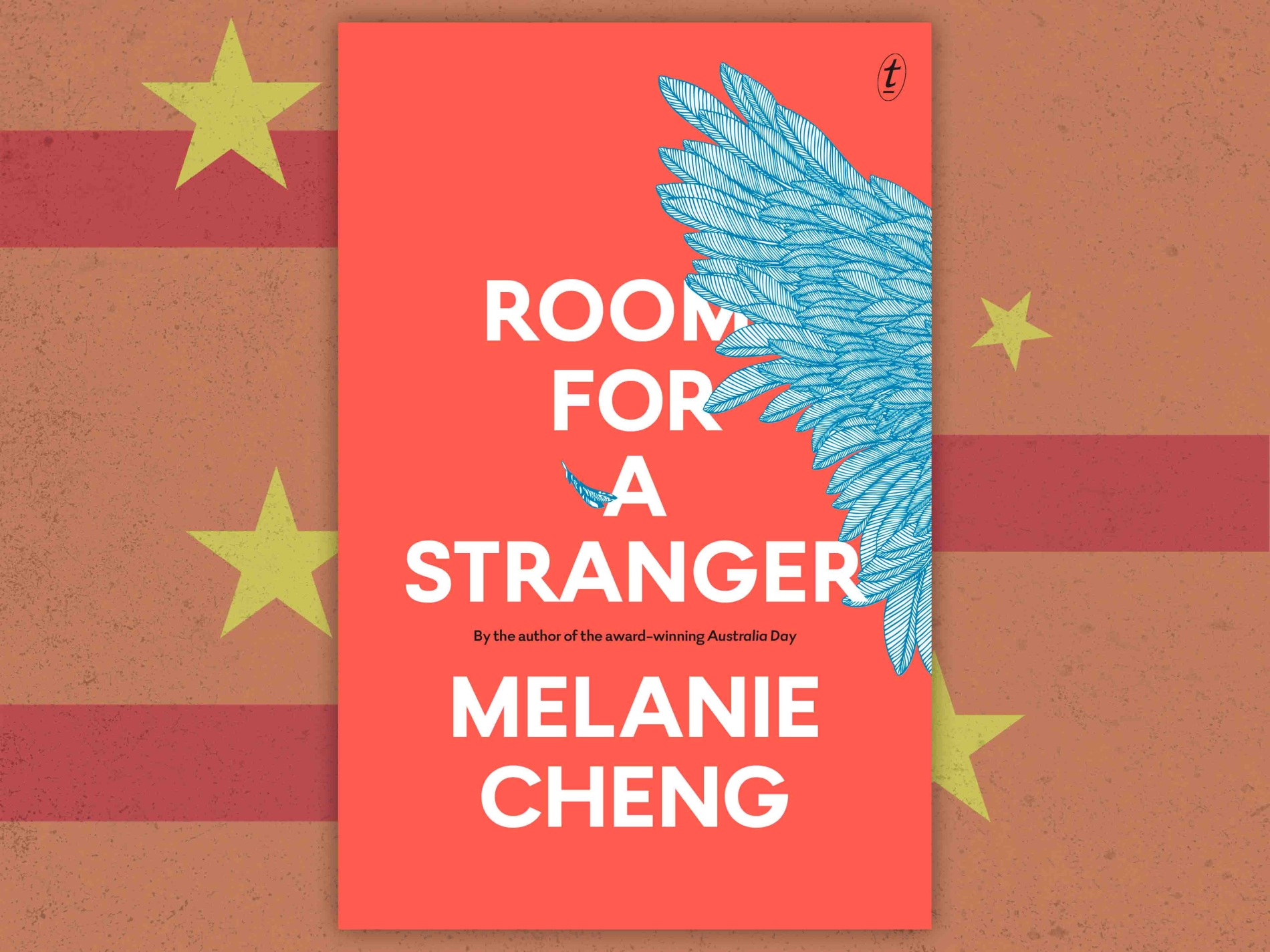
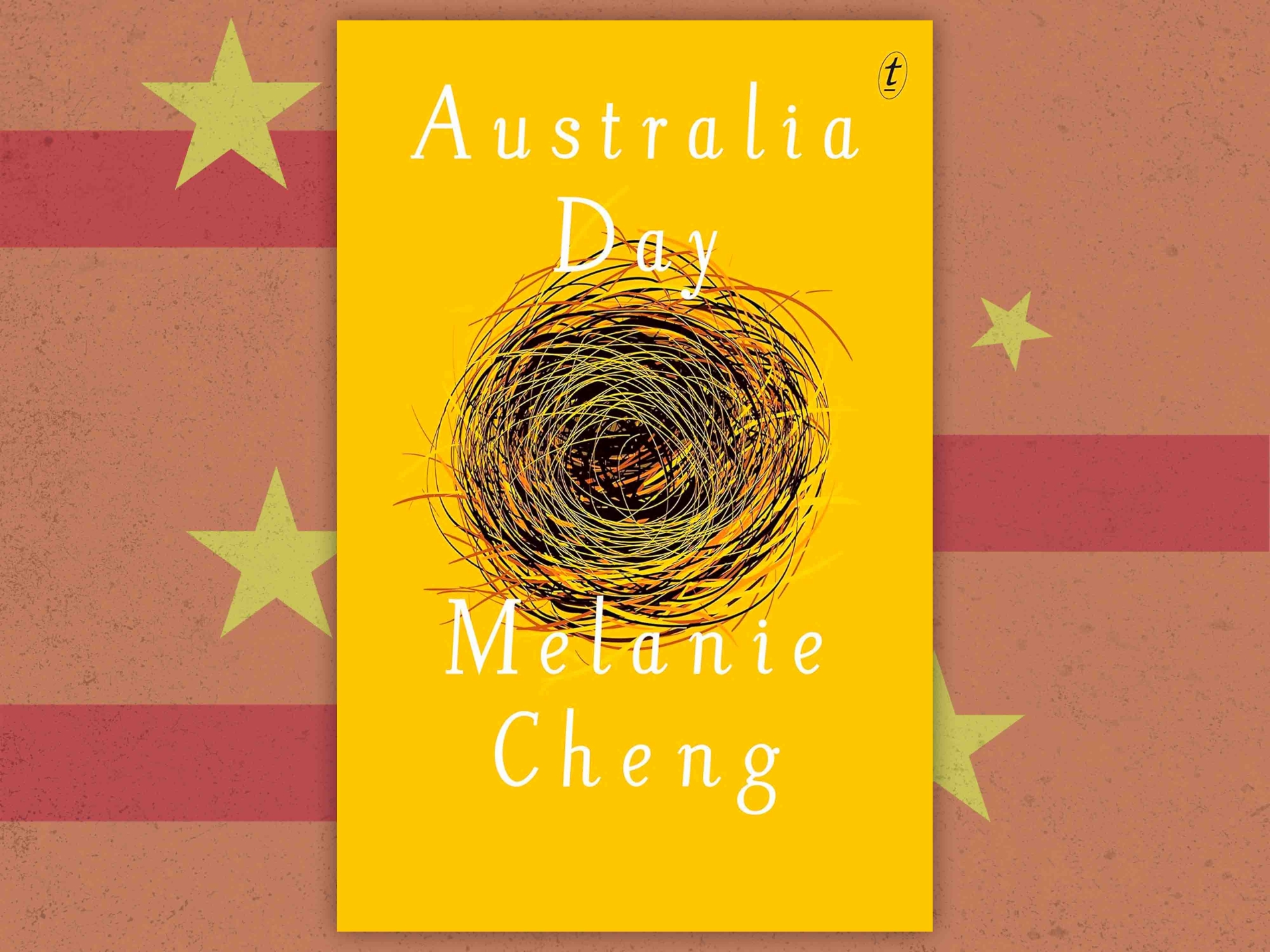
Her first collection of short stories, Australia Day, catapulted her into the spotlight, and her debut novel, Room for a Stranger, was nominated for several literary awards.

Her most recent novel, The Burrow, has also garnered critical acclaim and was longlisted for the 2026 Dublin Literary Award. In an interview with Al Majalla, Cheng reflects on writing as a space for understanding humanity rather than representing it, explains how she captured loss in her latest novel and the different ways people cope with it, and talks about how she regrets not being able to speak her mother tongue of Cantonese.
Below is the full conversation.


You chose to tell The Burrow through multiple voices within a single family. What made you go with this approach?

When I’m not writing, I work as a family medicine doctor. It is not unusual for me to see multiple members of a single family as patients in my practice. Sometimes the family will be grieving a loved one. Through my observations of such families, I've come to understand that people grieve differently, and I wanted to give readers a full range of the grief experience.

Some want to talk endlessly about the deceased, while others prefer not to speak about their loved one at all. Some throw themselves into work as a means of distraction, while others are so paralysed by their grief they’re incapable of attending to themselves, let alone their careers. Some want to read every book that has ever been written about death, while others avoid the mere mention of the word.

Did you intend for the novel to reveal the fragility of the concept of family, or its capacity to endure despite the cracks?

Great question! I really wanted to reveal both these things. Families, a little like diamonds, are both incredibly strong and surprisingly brittle. Their resilience comes from the strength of their bonds, yet a sharp blow applied just right can break them.

When we meet the Lee family at the beginning of the novel, they are in pieces following one such life-shattering blow. As the story progresses, however, we see that all is not lost. I like to think of it in terms of the Japanese art of Kintsugi—an ancient method of ceramic repair that involves mending broken pottery with gold lacquer; the finished product may not be as strong as the original, but it is definitely more intricate and arguably more beautiful than before.
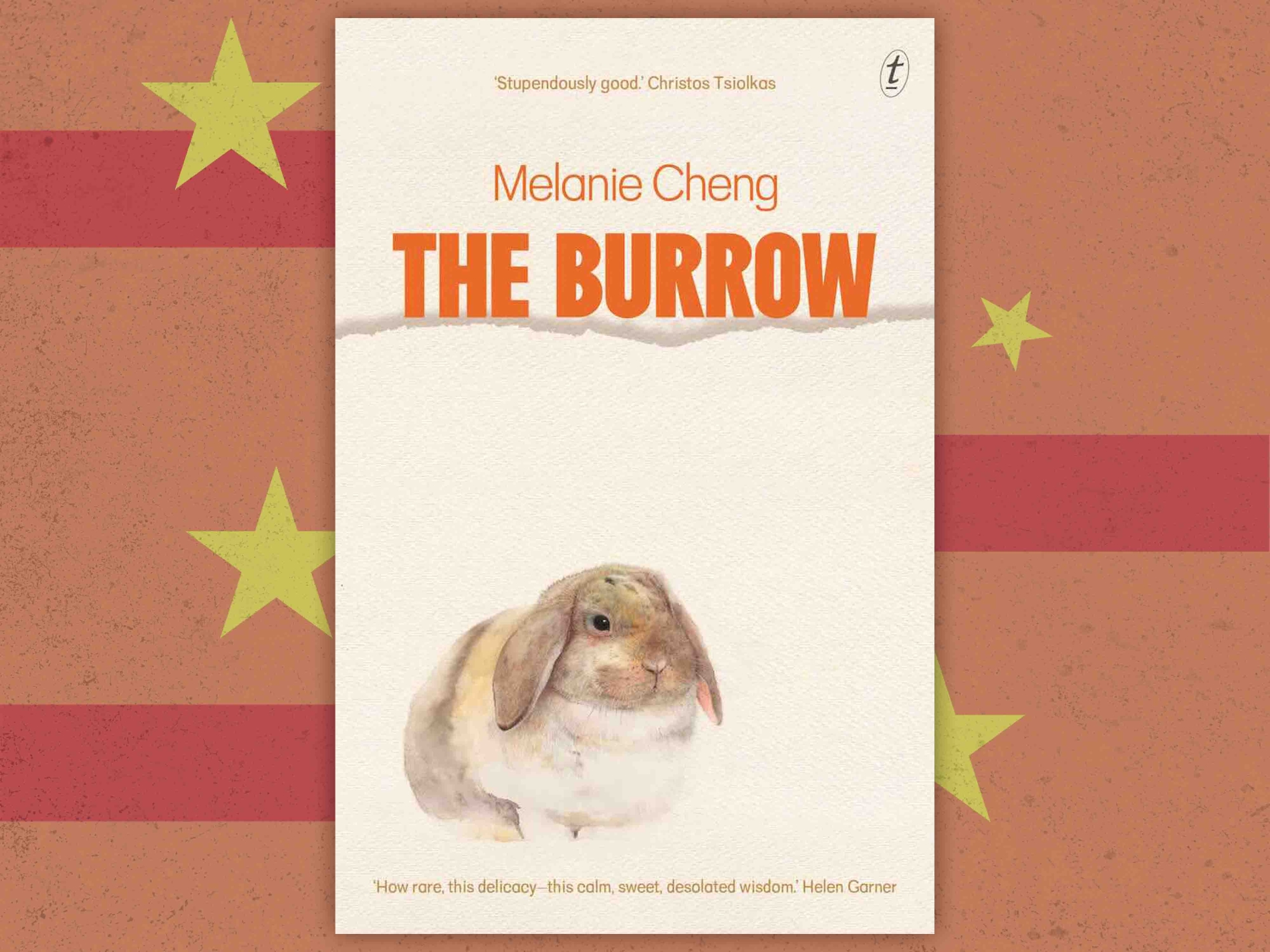
Can the title The Burrow be read as a metaphor for grief itself, not just for the family?

In English, the word “burrow” is both a noun and a verb. A burrow is an animal’s home, but “to burrow” is to bury oneself in something. I loved the ambiguity of this title because it describes the Lee family so well. They are both in enforced hiding (from the pandemic) and voluntary hiding (from the world). Their home, or burrow, is simultaneously a refuge and a symbol of their isolation.

At one point in the book, Amy, the mother, says that she doesn’t want to give up her sorrow because it is her last remaining connection to her dead daughter, so yes, grief is like a burrow—at select times it can be a welcome retreat, and at other times it can be a deep, dark, obliterating hole.

The struggle of belonging is always present in your writing. Do you feel that literature can bridge the gap between cultures, or does it simply expose it more clearly?

As a person of mixed-race heritage who spent their formative years in Hong Kong and their adult years in Australia, belonging was an obvious and inevitable preoccupation. I grew up hearing stories about how my parents struggled to adapt to their respective adopted homes.
Grief is like a burrow—at select times it can be a welcome retreat, and at other times it can be a deep, dark, obliterating hole

Australian novelist Melanie Cheng

Throughout my own life, I found myself identifying with whichever part of me was in the minority. This is not a unique experience. Most people, at some point in their lives, will struggle to belong, whether it be because of illness, class or educational status. I like to avoid platitudes and sentimentality, so I'm wary of the claim that literature can bridge the gap between cultures.

Something I've observed in my practice of medicine and have tried to highlight through my stories is the wonderful heterogeneity of beliefs and values within individual cultures, and the striking similarities between cultures. We are similar in our differences. I think literature, especially fiction, can illuminate this contradiction, but readers have to be receptive and self-reflective for it to work.

As a physician, you are in constant contact with loss and illness. What has literature allowed you that wasn't possible within medical practice?

Another great question and one I haven't heard before. Literature allows me to be curious in a way that medicine doesn't. As a general practitioner, I'm afforded insights into other people's lives, and this is an incredible privilege, but these are only ever snapshots, glimpses into other worlds. Literature allows me to take these glimpses and create stories around them. It lets my imagination roam wild. 

In a press interview, you rejected the idea of a single writer representing an entire society, calling it an unrealistic burden. Can you elaborate?

After my first book, Australia Day, came out, a journalist asked me, "What is your vision for Australia?" I was completely taken aback. It felt like a question for a politician, not a writer. I was new to the world of publicity, but in that moment I understood that, as one of the few Asian-Australian writers published in Australia at the time, there would be some pressure—not from the community but from the largely white media—to serve as a spokesperson for Chinese culture. This is, of course, ridiculous. There is enormous heterogeneity in a culture that comprises more than a billion people.

Every writer knows that a character in a book, if written effectively, is like a person in real life — complex and contradictory and unique. They are representative of themselves, and of no one else. Sometimes, a certain type of reader gets upset about this—they complain that a character of a similar demographic to theirs isn't like them. Fortunately, I'm not interested in appealing to that type of reader.

Do you think writers/artists have a natural curiosity about the world?

Yes. Writing is a form of very close, meticulous observation. Anyone can practice this; it's not magic. However, artists notice details and behaviours that may be lost on others who are less observant.

Families, a little like diamonds, are both incredibly strong and surprisingly brittle. Their resilience comes from the strength of their bonds, yet a sharp blow applied just right can break them.

Australian novelist Melanie Cheng

You don't speak Cantonese. Has this created a gap in your relationship with your heritage?

For sure. Language is one of the most, if not the most important, components of a culture. It is how people connect and understand each other. It remains one of my greatest regrets that I don't speak Cantonese. But it is not from a lack of trying. It is a very difficult language to master, and Cantonese speakers in Hong Kong can be very unforgiving!

After each book, do you feel you've moved closer to understanding humanity, or closer to accepting the impossibility of such understanding?

Well, I feel a little bit closer to understanding myself, more than humanity. Ultimately, this is what writing is for me—a way of mining my subconscious to understand myself and my place in the world. It is in the process of reading other people's work—both the literary giants and the lesser-known contemporary writers—that I feel a little bit closer to understanding humanity itself.

Writing, to me, is a way of mining my subconscious to understand myself and my place in the world

Australian novelist Melanie Cheng

In your early days as a writer, what moment or experience made you realise that writing wasn't just a passing interest, but a possible path in life? Which books or writers impacted you the most?

I was always writing during high school, but it was when a good but nosy friend found one of my stories in a desk drawer and started reading it—and most importantly responding to it—that I got hooked on the idea of becoming a writer. That experience of being able to move someone (a friend!) with my words was intoxicating.

An important book for me at this formative age was the Australian classic, My Brilliant Career, by Miles Franklin, whose real name was Stella Maria Sarah Miles Franklin, and who now has several prestigious literary awards named after her. It was the first time in my life that I'd encountered a book featuring a woman who, more than anything, wanted to be a writer. The seed was sown.

It's always hard to come up with lists but some of the books I loved when I was growing up and which went some way to shaping my perspective on the world were: A Tale of Two Cities by Charles Dickens, Lord of the flies by William Golding, Brave New World by Aldous Huxley, The Hobbit by J.R.R. Tolkein, I Know Why the Caged Bird Sings by Maya Angelou, The Bluest Eye by Toni Morrison and of course Watership Down by Richard Adams, which is featured in my own novel, The Burrow. There is a reason these books are considered classics and why they've stood the test of time—they pull no punches and show readers the very best and worst of humanity.

font change