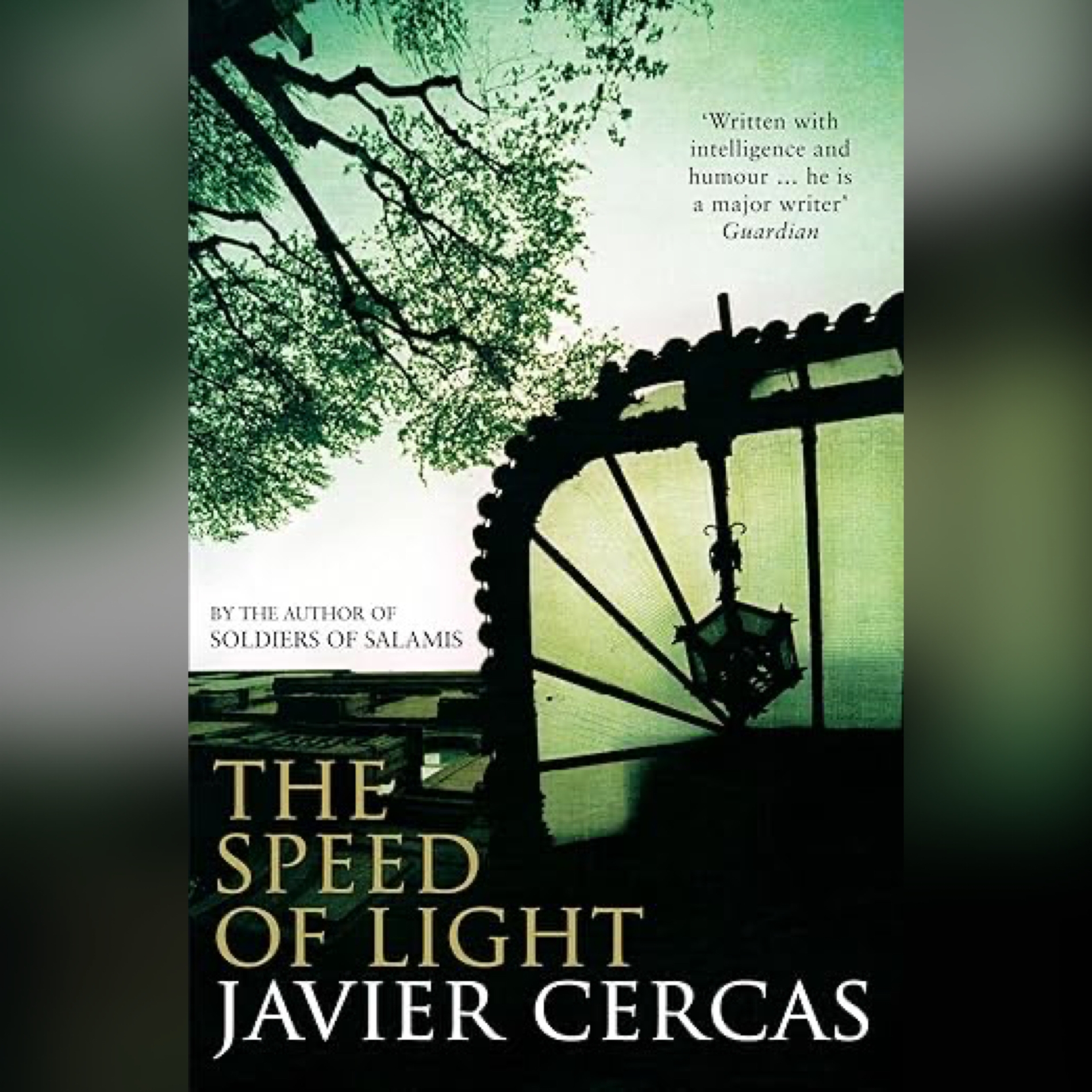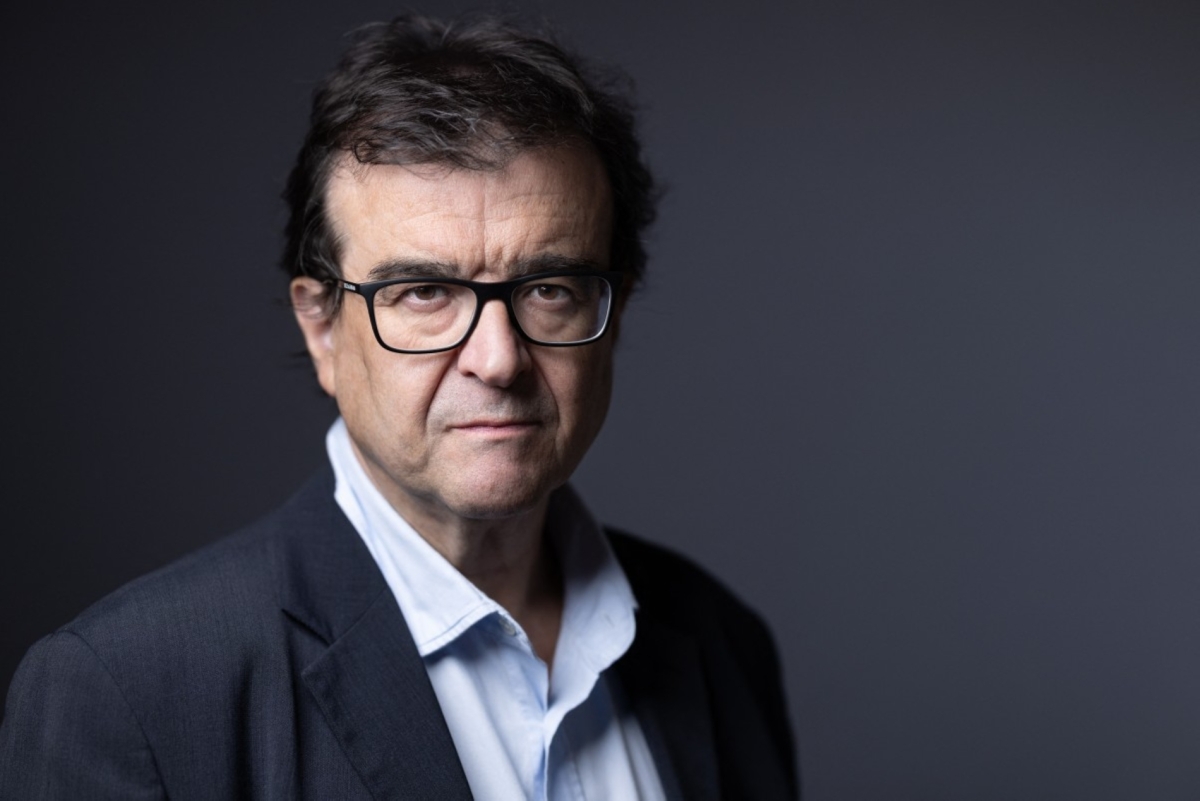

The Spanish novelist and essayist Javier Cercas is one of the most influential voices in contemporary European literature. Known for blurring the boundaries between fiction, history, and reportage, he first gained international recognition in 2001 with Soldiers of Salamis, a genre-defying narrative that reconstructs an episode from the Spanish Civil War while interrogating memory, truth, and the ethics of storytelling.
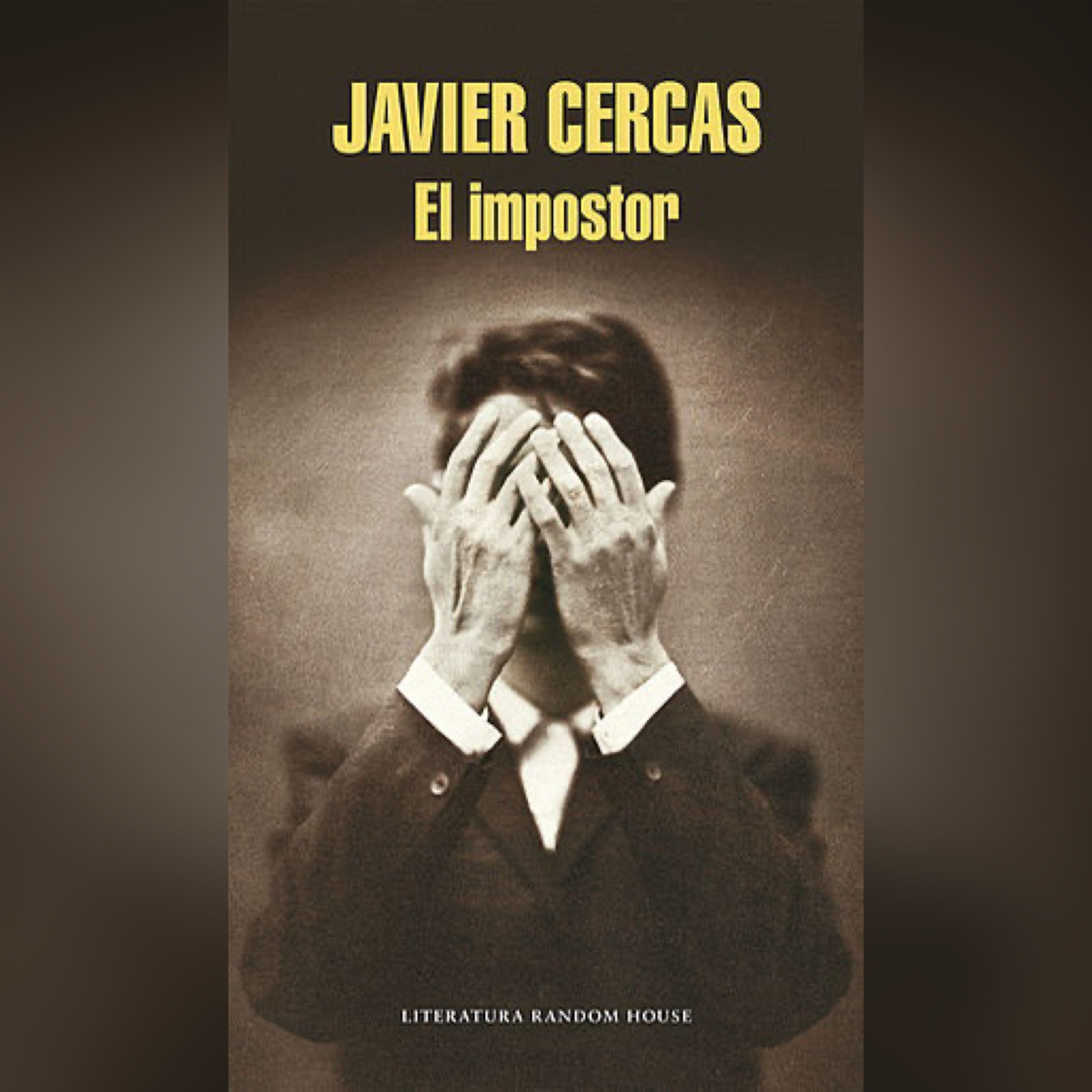
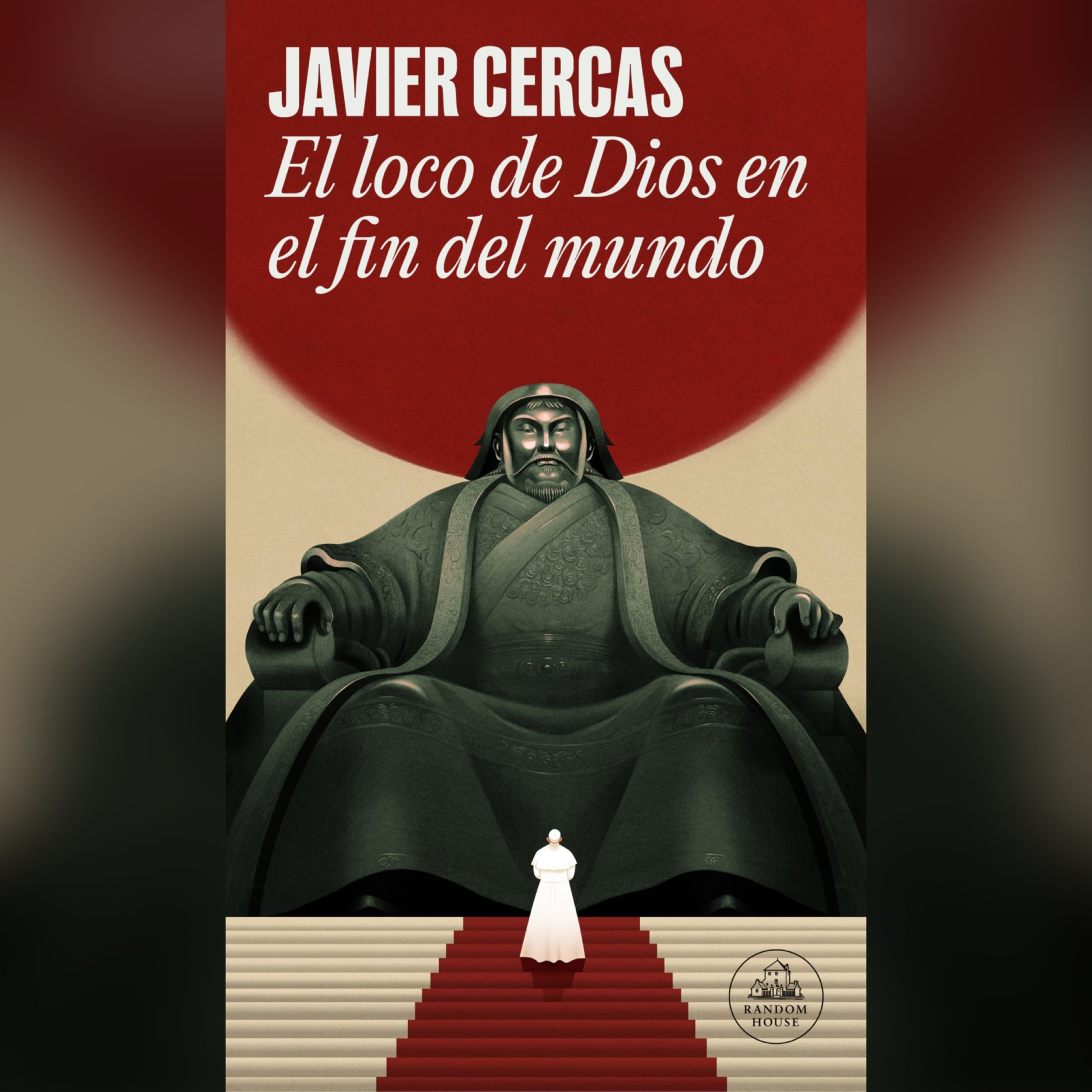
Since then, his work has consistently explored the fragile line between fact and invention, often inserting a version of himself into the narrative to expose the writer’s complicity in shaping collective memory. Born in Extremadura in 1962 and raised in Catalonia, his subsequent works, including The Speed of Light, The Impostor, and God’s Madman at the End of the World, deepened this project, moving between war, moral courage, historical deception and faith.
Al Majalla caught up with him, discussing everything from the ethics of memory and historical truth to heroism, deception, and faith.
Your work stands at the intersection of history, memory, and moral responsibility. When you begin a book, are you searching for a story or a question that concerns you?
I write because something obsesses me to the point that I can’t stop thinking about it. At the beginning of my books, there is always a question. My books don’t exactly try to answer it, but rather to formulate it in the most complex way possible. Novels don’t give answers; they pose questions. At least, they don’t give clear, unequivocal, and definitive answers. Their answers are always ambiguous, contradictory, multifaceted, and, in essence, ironic. Ultimately, the answer lies in the search itself—in the question, in the book. The novel is the realm of ambiguity, of irony, and that’s why fanatics have always detested it. Because they detest irony and ambiguity. That is to say, they detest complexity.
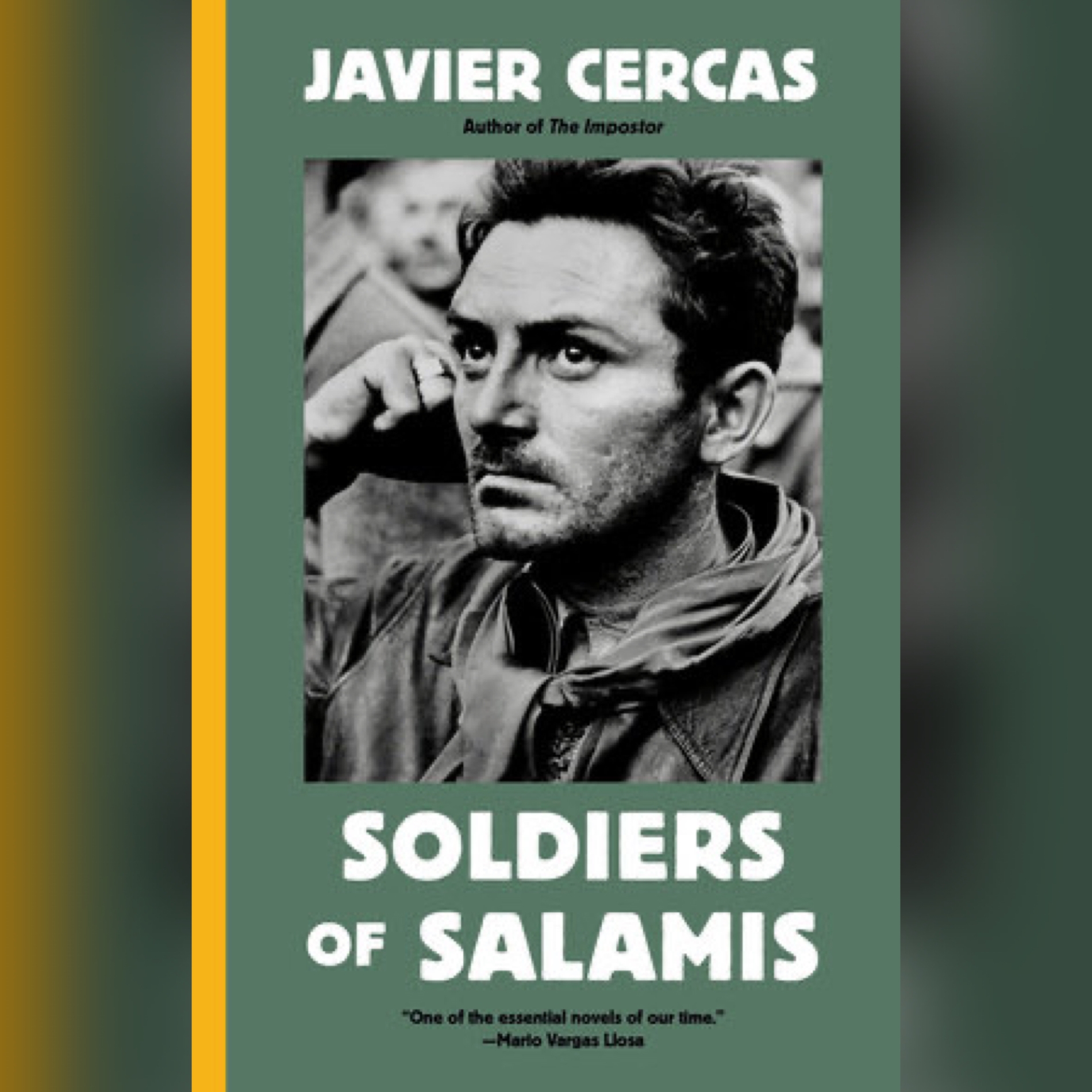
Why did you name the narrator Javier Cercas in Soldiers of Salamis? Was it a way of assuming responsibility for narrating history, or of exposing the writer’s complicity in shaping collective memory?
It was a narrative necessity. At a certain point in writing the book, I realised that all the characters had real names and that the novel was a fictional chronicle—a true story, as the narrator calls it. Then I understood that, to be consistent with the narrative, the narrator couldn’t be an exception and had to bear my name. It goes without saying that the Javier Cercas in the novel isn’t me; it’s a mask I’ve put on to say what I want to say. In Latin, ‘persona’ means ‘mask’, and the mask is what hides us but, above all, what reveals us. So it’s possible that the Javier Cercas in the book is more me than I am myself.
Moreover, the writer’s authentic self isn’t the social self, but the one that exists in their books. It also goes without saying that the fact that the narrator of Soldiers of Salamis says the book is a ‘true story’ doesn’t mean it is. The narrator of Don Quixote also says that Don Quixote is not his own invention but that of an Arab named Cide Hamete Benengeli, and we know that this is false. This falsehood is merely a tool, a game, a joke that Cervantes uses to say what he has to say. Something similar occurs in Soldiers of Salamis.