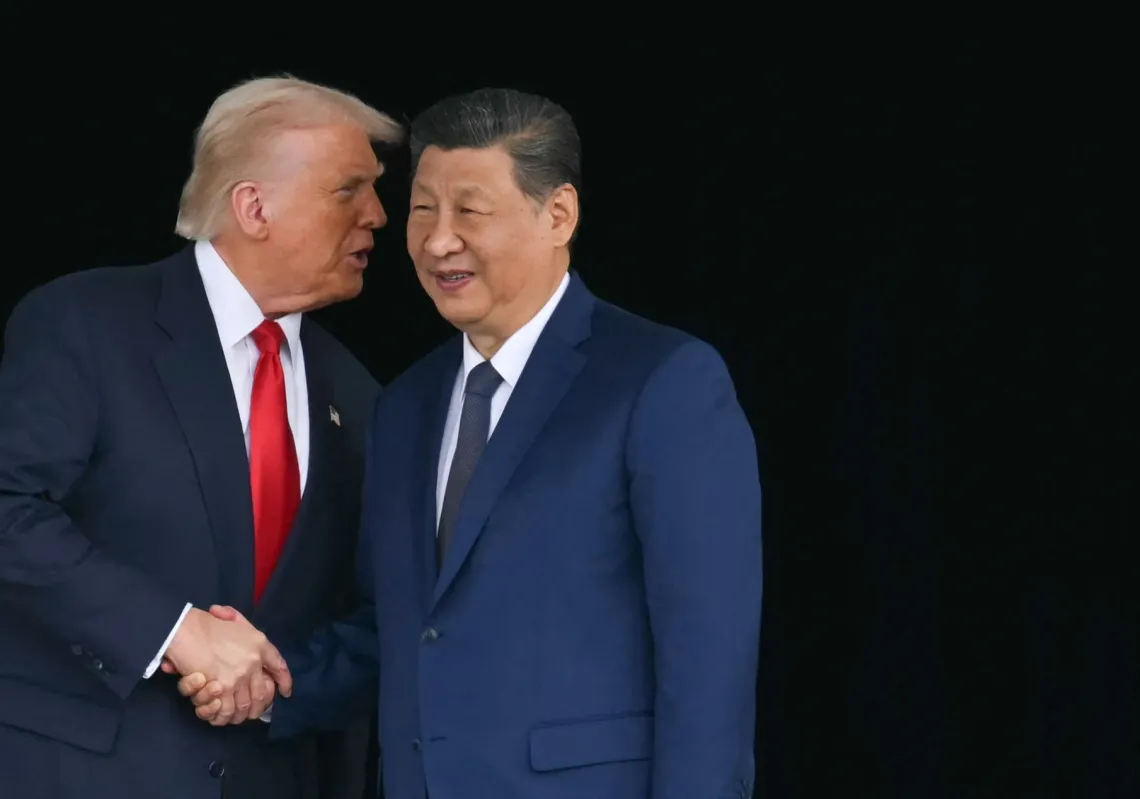

US-Iran talks aimed at finding a permanent end to the war ended on Saturday night without any deal, leaving the fate of a two-week ceasefire hanging in the balance. The meeting in the Pakistani capital of Islamabad brought together Iranian and US officials, chief among them US Vice President JD Vance, but failed to reach a consensus on the parameters for achieving long-term peace.
In the first days of the war that erupted on 28 February after Iran was attacked by the US and Israel, US President Donald Trump set a high bar by demanding Iran’s “unconditional surrender". At the time, observers immediately drew parallels to Washington's demand for Tokyo's unconditional surrender in the Potsdam Declaration on 26 July 1945. When it refused, a US bomber dropped the world’s first atomic weapon on Hiroshima on 6 August 1945, and on 9 August, a second atomic bomb was dropped on Nagasaki.
Still, there was no official surrender, so on 14 August the Americans bombed Japan’s last operational oil refinery. Finally, on 15 August, Emperor Hirohito’s announcement that he had accepted the Allies’ terms was broadcast.
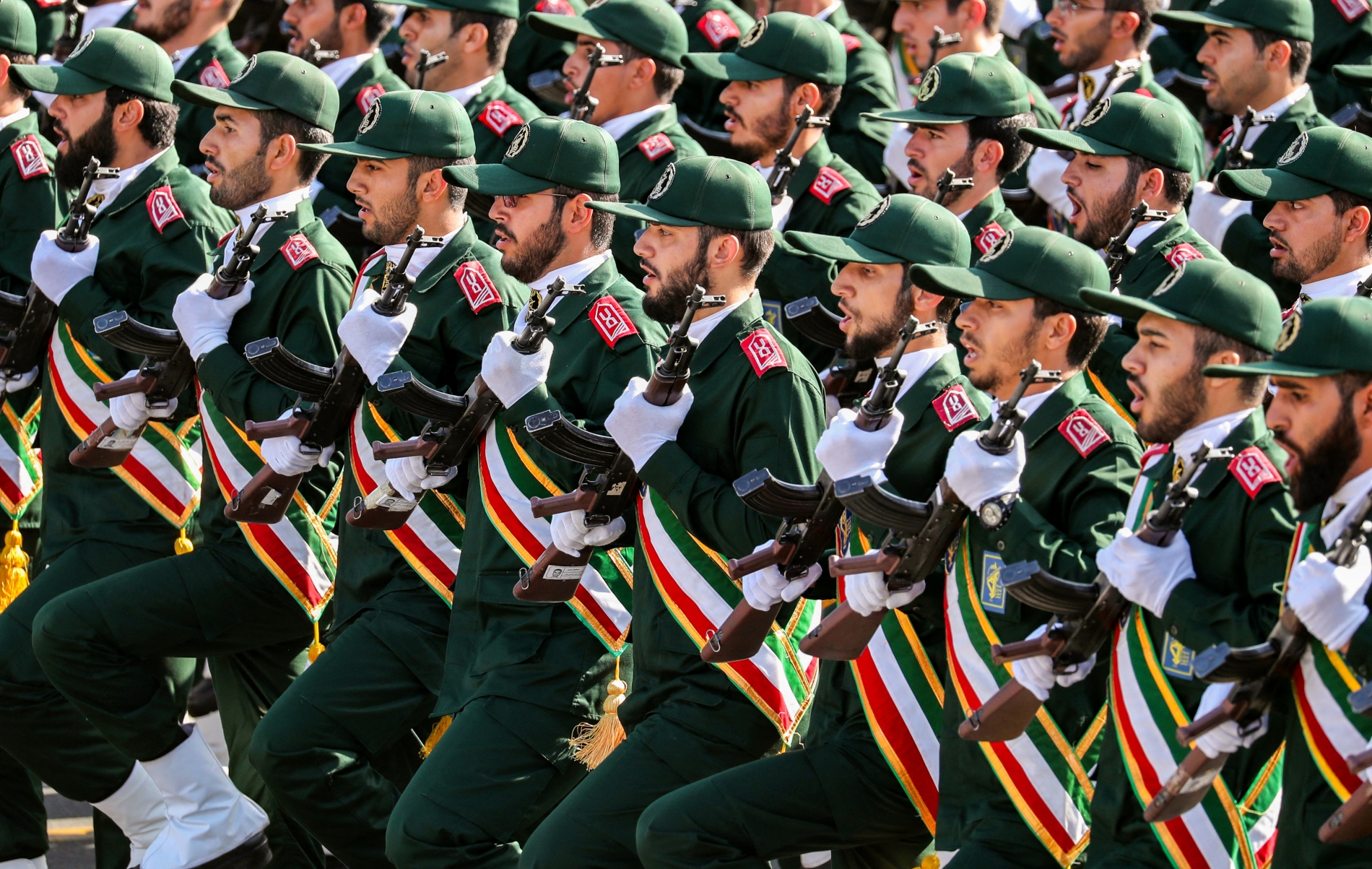
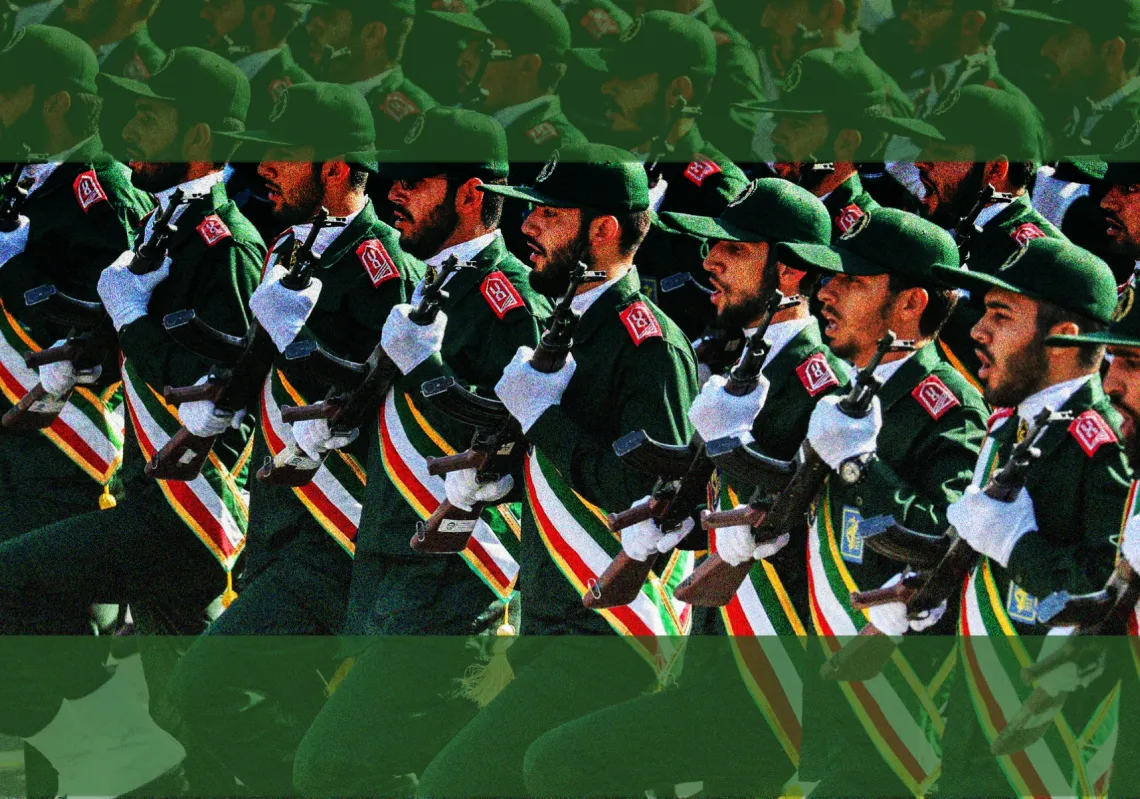
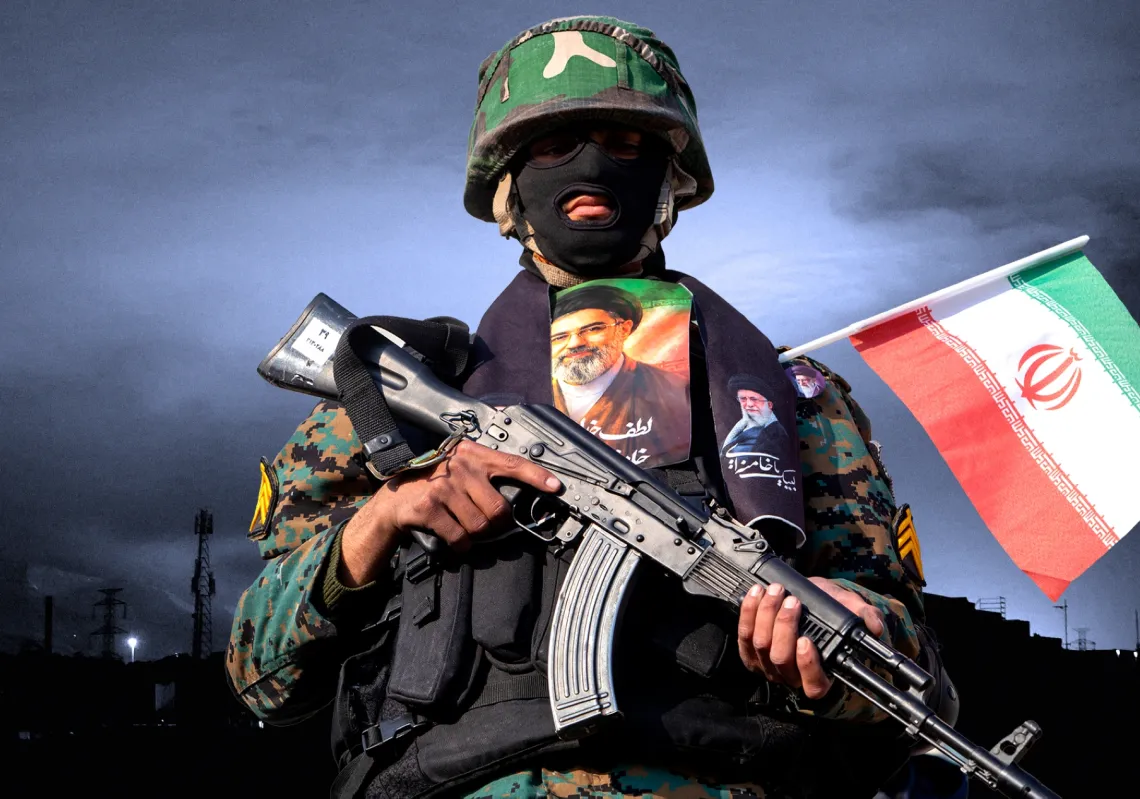
There are some structural similarities between Iran’s Islamic Revolutionary Guard Corps (IRGC) in 2026 and the imperial military order that dominated Japan in the final years before 1945. In both systems, a nominal supreme authority stood above the state, while real power migrated into a militarised apparatus that penetrated politics, diplomacy, intelligence, and the economy. In pre-war Japan, the doctrine of the military’s autonomous command hollowed out civilian rule. In contemporary Iran, the language of “defending the revolution” has enabled the IRGC to achieve a similar level of autonomy.
Both systems have also been marked by diplomatic isolation, ideological rigidity, coercive domestic control, and the elevation of martial virtue over strategic realism. Yet structural resemblance does not produce historical symmetry; the conditions of exit are not the same.
No emperor in Iran
The first and most important difference lies in ultimate authority. Imperial Japan, despite the disorder and insubordination in its military system, still had a figure who stood formally above the armed services: the emperor. In August 1945, when the Supreme War Council remained deadlocked over the Potsdam Declaration, it was Emperor Hirohito’s sacred decision that broke the impasse.
Japan’s surrender was therefore not an automatic consequence of destruction on the battlefield. It required, first, a political decision by a recognised authority and, second, compliance by armed forces that had spent years resisting effective civilian oversight. That distinction matters because a state does not surrender merely because it has suffered terribly; it surrenders when there is a legitimate authority capable of deciding that the war must end, and when the coercive organs of the state can be made to obey.
In Japan, Hirohito’s intervention supplied precisely that missing link. The deadlock inside the leadership was broken from above. Contemporary Iran has no equivalent final arbiter in any meaningful sense. Formally, the Supreme Leader remains the apex of the political order, but in practice, the Islamic Republic has moved towards a praetorian order in which the IRGC has become the decisive centre of power.
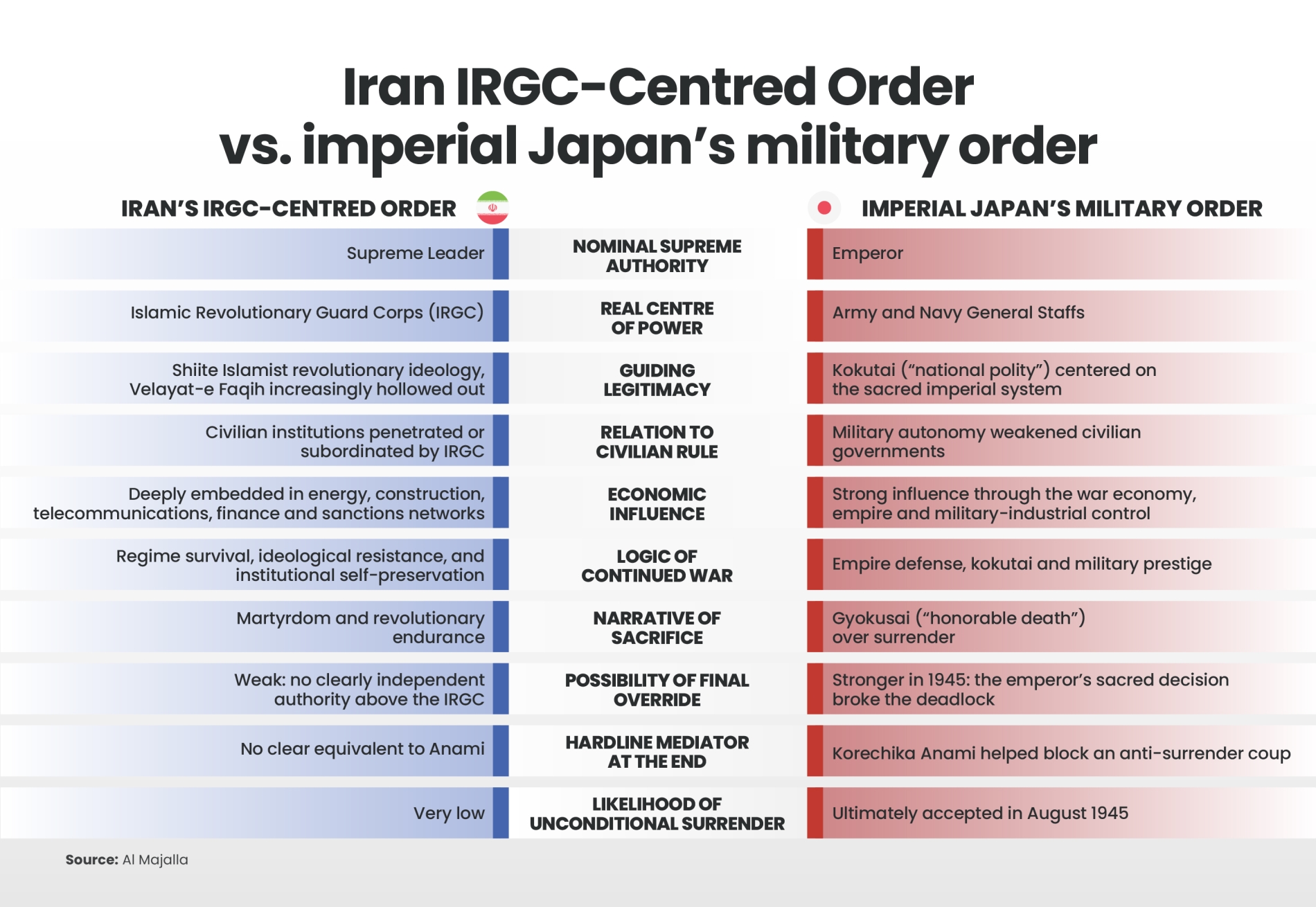
If the Supreme Leader's authority is itself sustained, filtered and increasingly defined by the Guard, then who is left to order the Guard to stop? In Japan, the emperor could still overrule the military. In Iran, the IRGC can no longer be overruled; it is the structure within which such decisions are made.
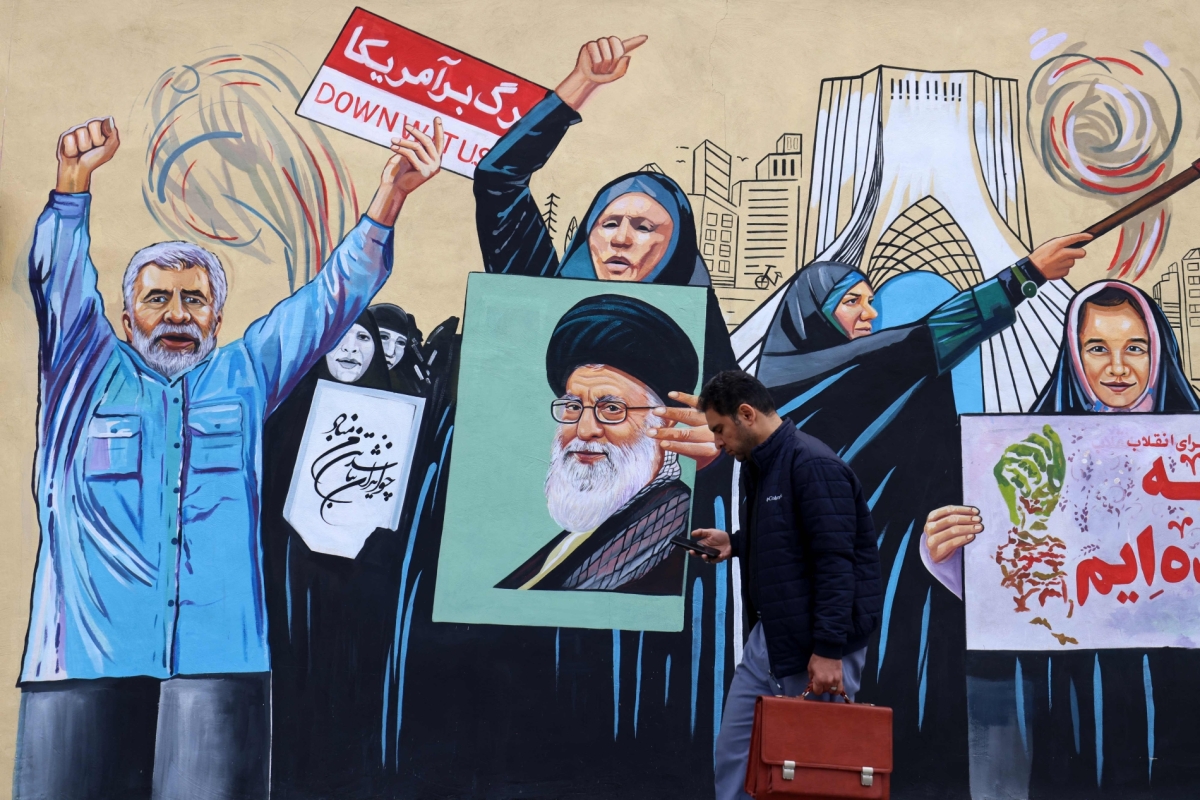
There is a bitter irony at the centre of the present war. If the United States and Israel intended the killing of long-reigning Supreme Leader Ali Khamenei to decapitate the Islamic Republic, they may instead have empowered the IRGC-centred military dictatorship. So long as Khamenei was alive, however weakened, the system could still claim to be ordered around clerical supremacy, not a military power ruling through a thinning clerical façade.
In that sense, the killing of Khamenei revealed the regime's true structure. It stripped away one of the last residual symbols of juristic authority standing above the Guards and made it easier for the IRGC to dominate the state in more direct form, whether through manipulated succession, dynastic symbolism, or open military preponderance.
Read more: The US-Iran war could empower the IRGC