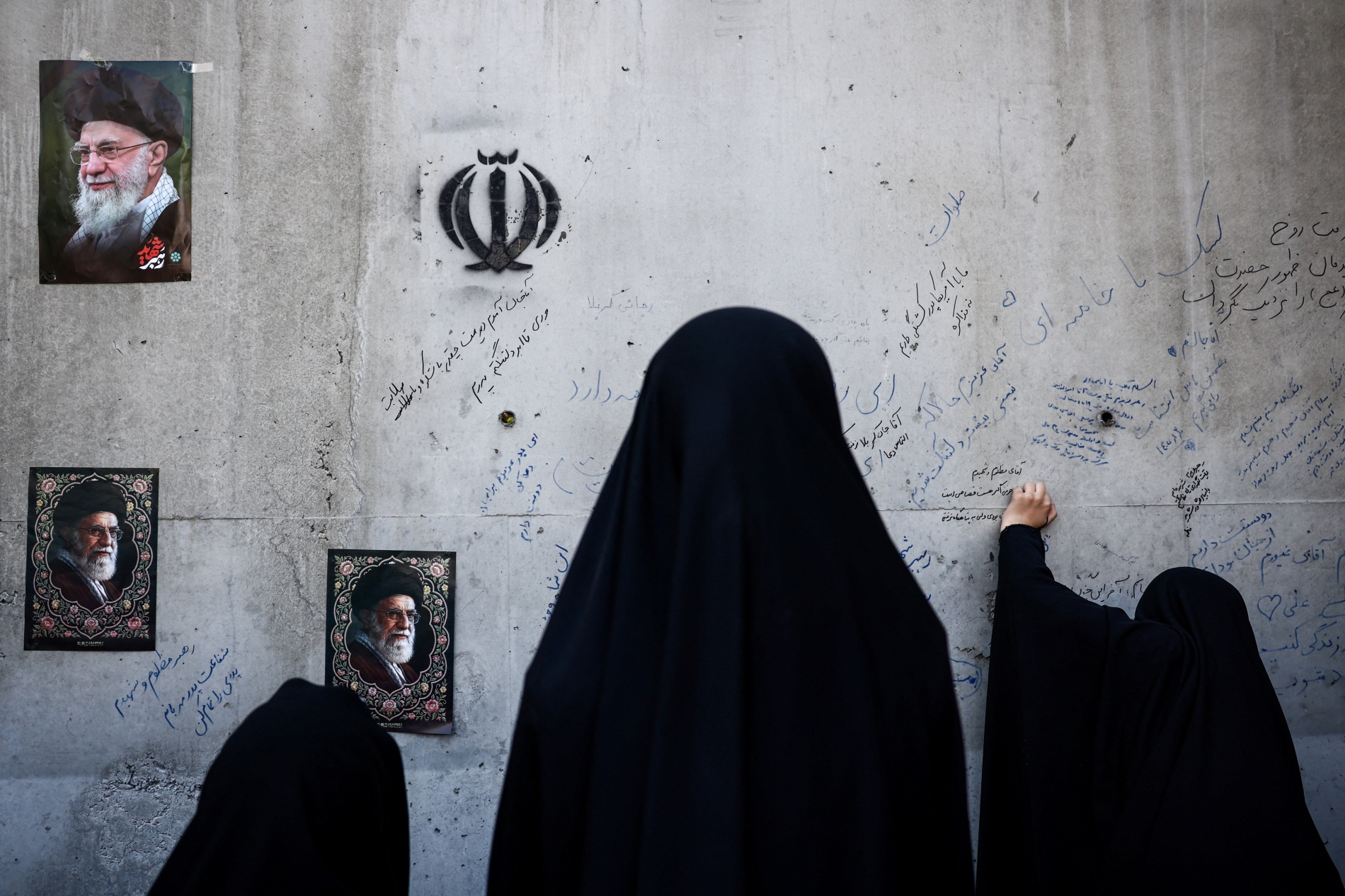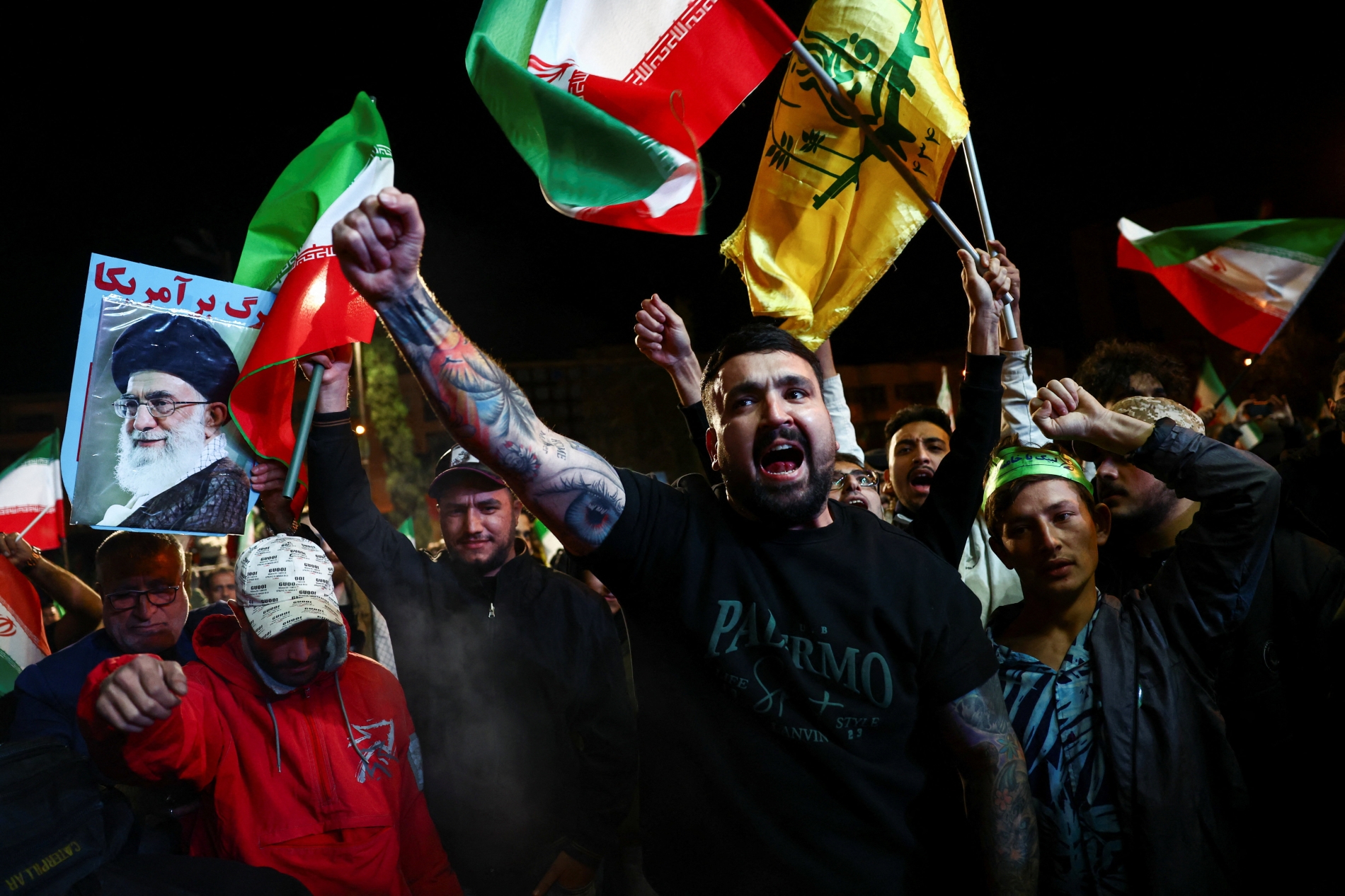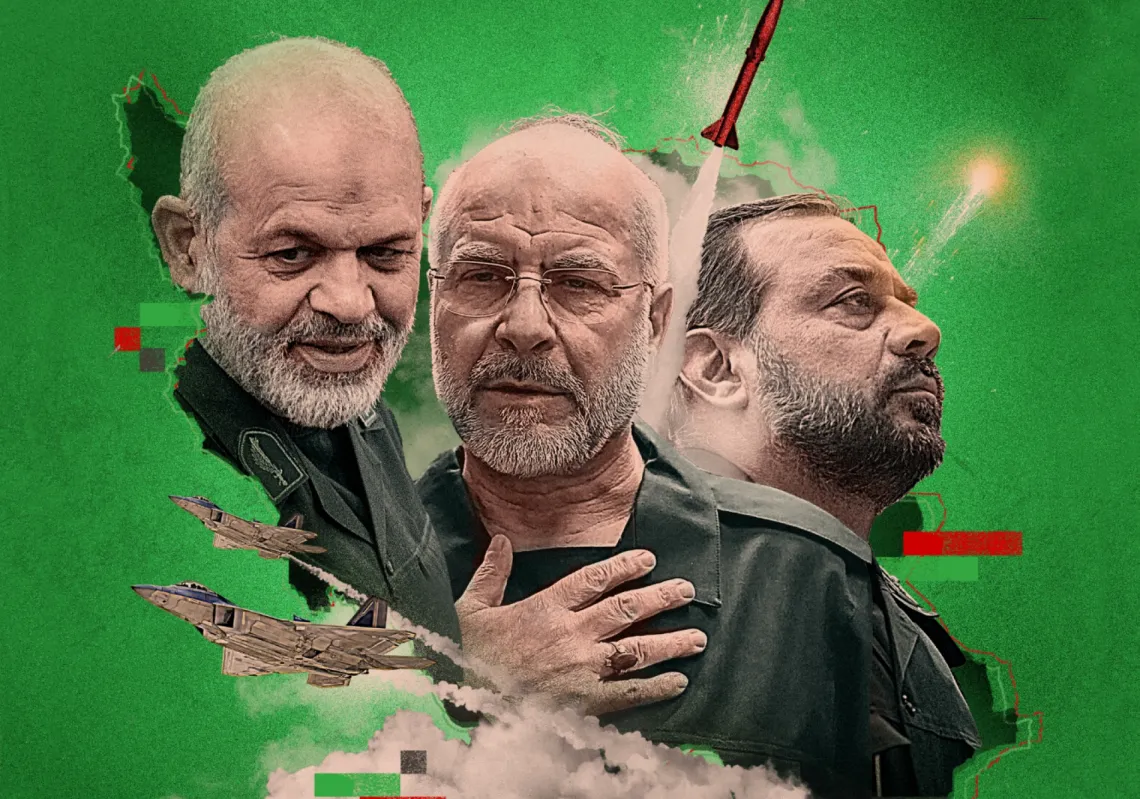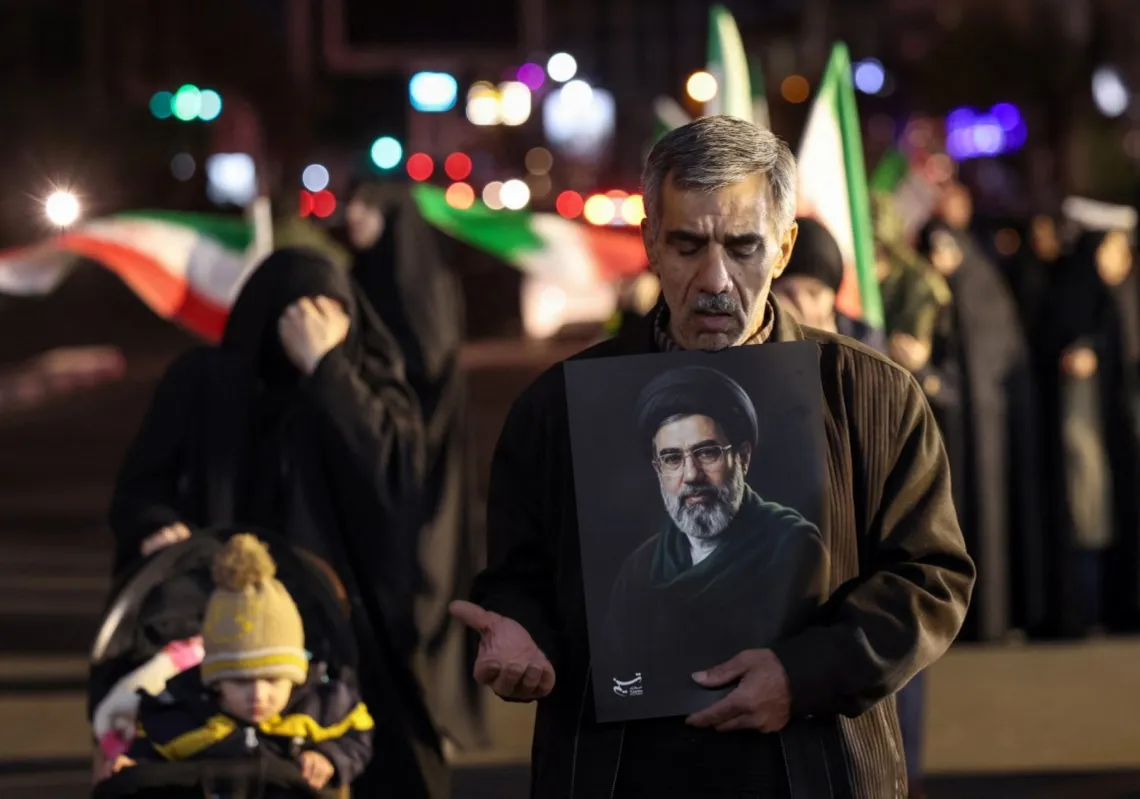

Forty days into a hugely costly war that neither side had fully intended to fight, but both had in some way or another long prepared for, the guns have, for now, mostly fallen silent. The two-week truce announced on 7 April between Iran and the United States is being presented by some as a diplomatic breakthrough. It is not. It is only deferred escalation.
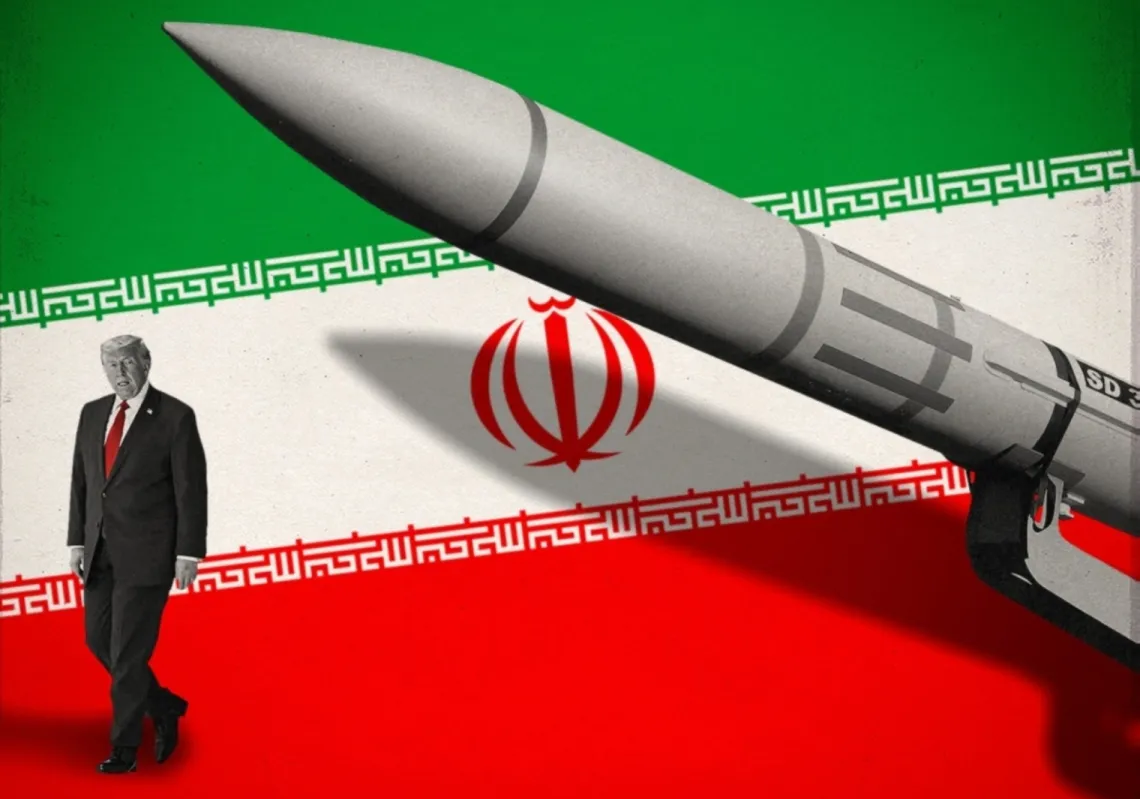
The circumstances of the pause matter as much as its terms. In the final hours before a looming US deadline, President Donald Trump agreed to suspend planned strikes on Iranian infrastructure—reportedly including bridges and power plants—conditional on the reopening of the Strait of Hormuz. The sequence is telling. This was not a ceasefire born of diplomatic convergence, but one narrowly negotiated under pressure, in which immediate risk management took precedence over long-term settlement.
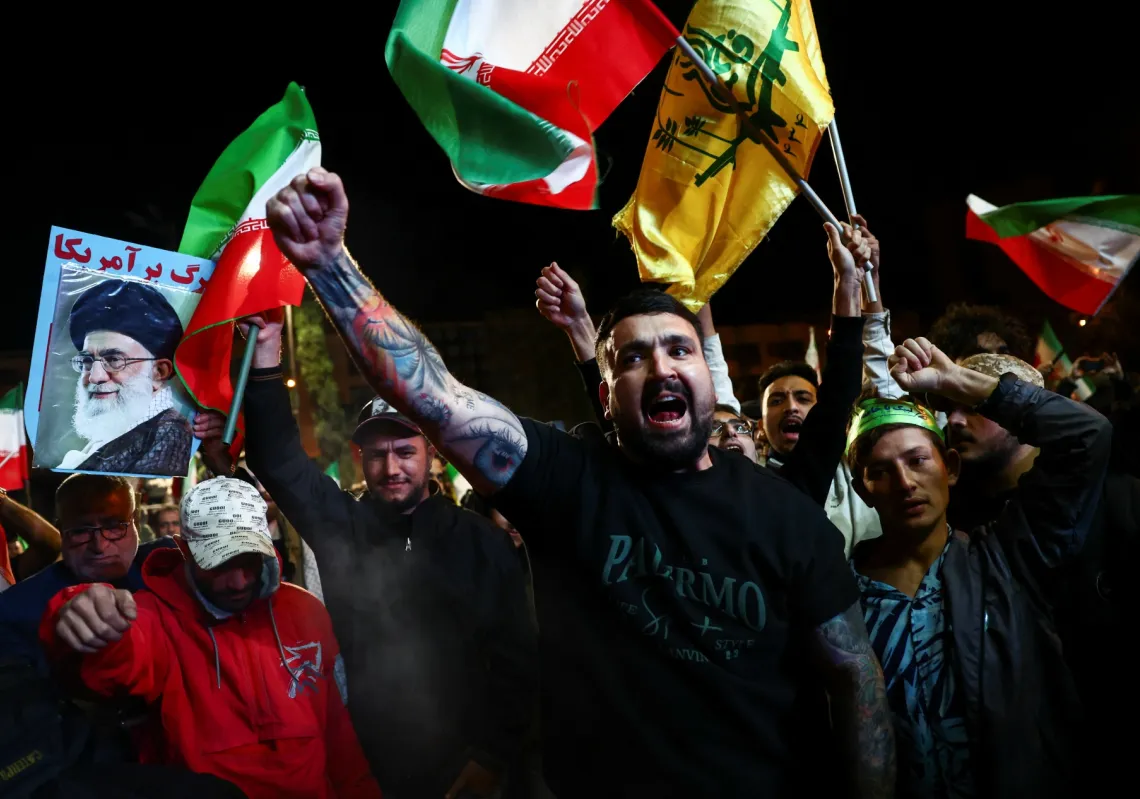
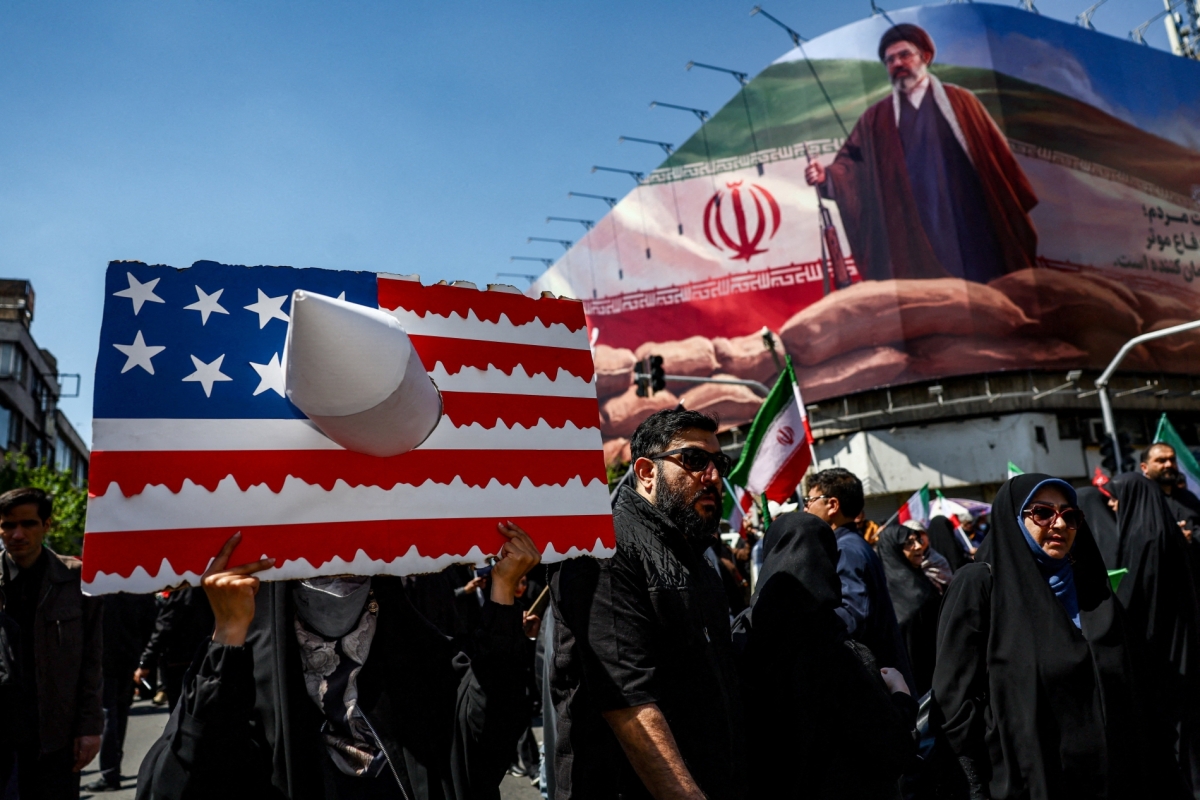
Tehran, for its part, has moved quickly to shape the meaning of the moment. The Islamic Republic has declared a “historic victory,” framing the ceasefire not as a compromise but as a resounding US retreat. In this telling, Washington—having failed to achieve its objectives—has been forced to accept the contours of a 10-point Iranian proposal that sets the basis for ending the war. And while the language is inflated—as such language often is in wartime—the underlying intent is serious. Iran is not merely describing events, but it is attempting to define them.
Against this backdrop, Tehran isn't negotiating a pause; it is negotiating an endgame. The distinction matters. While the US appears to view the ceasefire as a temporary mechanism to halt escalation and reopen a critical maritime corridor, Iran is using the same window to press for structural outcomes: full sanctions relief, recognition of its right to enrich uranium, compensation for wartime damage, and constraints on future American military activity in the region. In effect, Tehran is attempting to convert battlefield endurance into political normalisation.
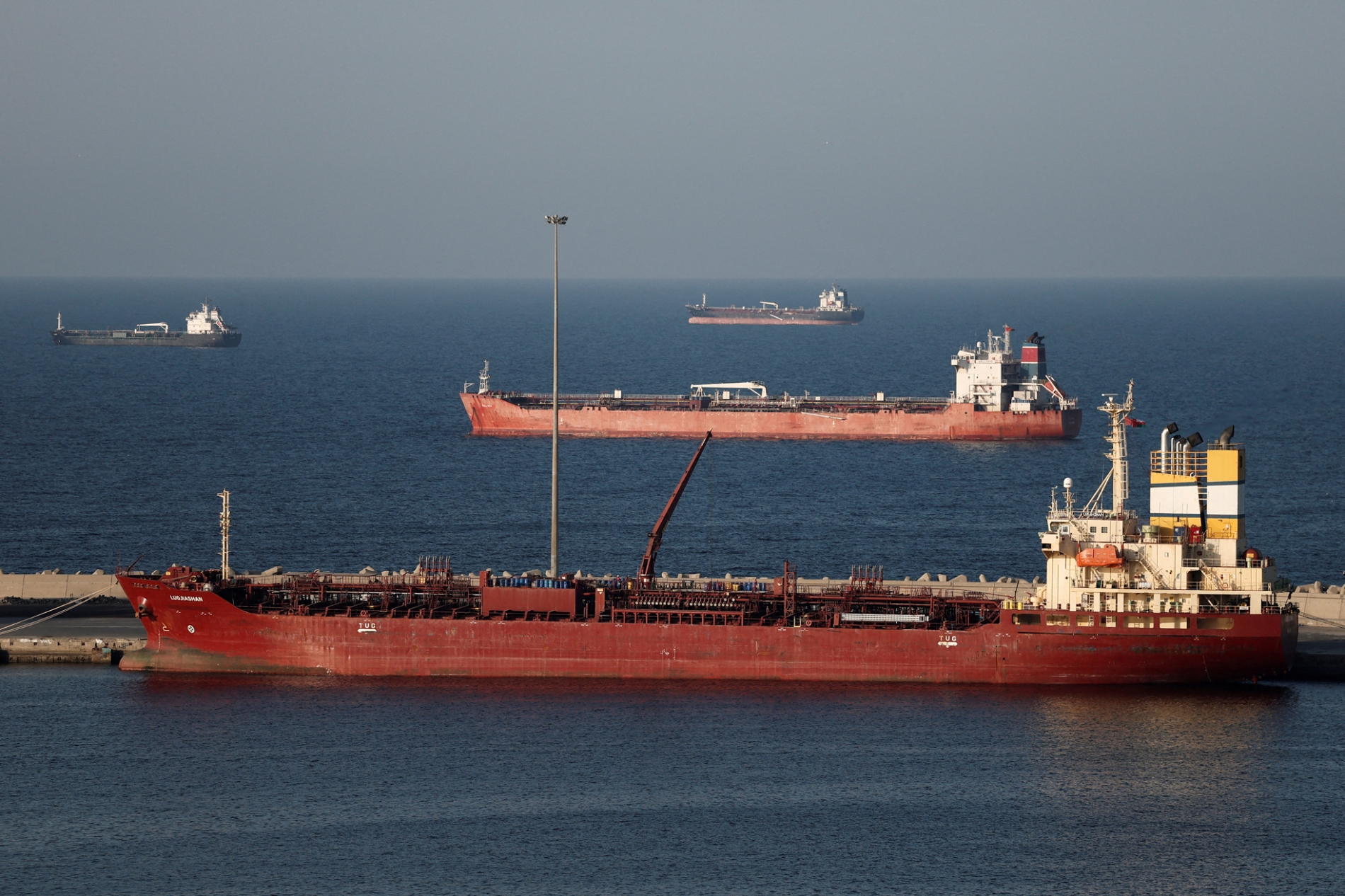
Nowhere is this more visible than in the debate over the Strait of Hormuz. The waterway, through which roughly a fifth of the world’s oil flows, has—thanks to this war—become integral to Iran’s deterrence strategy. In previous crises, the threat of closure was used as leverage.
Leveraging gains
In this crisis, Iran has taken it a step further. It has demonstrated not only the ability to disrupt access, but also to condition its reopening. The current arrangement—limited transit under a defined protocol—suggests an ambition that extends beyond temporary control. Tehran is testing the idea that access to Hormuz can be regulated, negotiated, and, in some form, institutionalised. This could be a case of Iranian overreach, but this is its current stance.
For Washington, this presents a dilemma that is both strategic and psychological. The United States retains overwhelming military capabilities. But, as in previous wars in the region, translating that capability into political outcomes has proven more difficult. Escalation remains possible. Yet escalation without a clearly defined endgame risks entrenching the very dynamics it seeks to undo.