
When the US-Israeli war with Iran broke out on 28 February 2026, it caught most regional observers by surprise, as there had been an active negotiation process ongoing at the time, mediated by Oman, with sufficient progress made on 26 February to warrant more discussions.
The subsequent killing of Iranian leaders and command structure triggered a sweeping response that has set the Gulf ablaze, targeting facilities in Qatar, Saudi Arabia, Jordan, Bahrain, the United Arab Emirates and Kuwait. Regional security and stability are now being rapidly reviewed, with implications throughout the Middle East and North Africa, including Sudan, which has been in a civil war since April 2023.
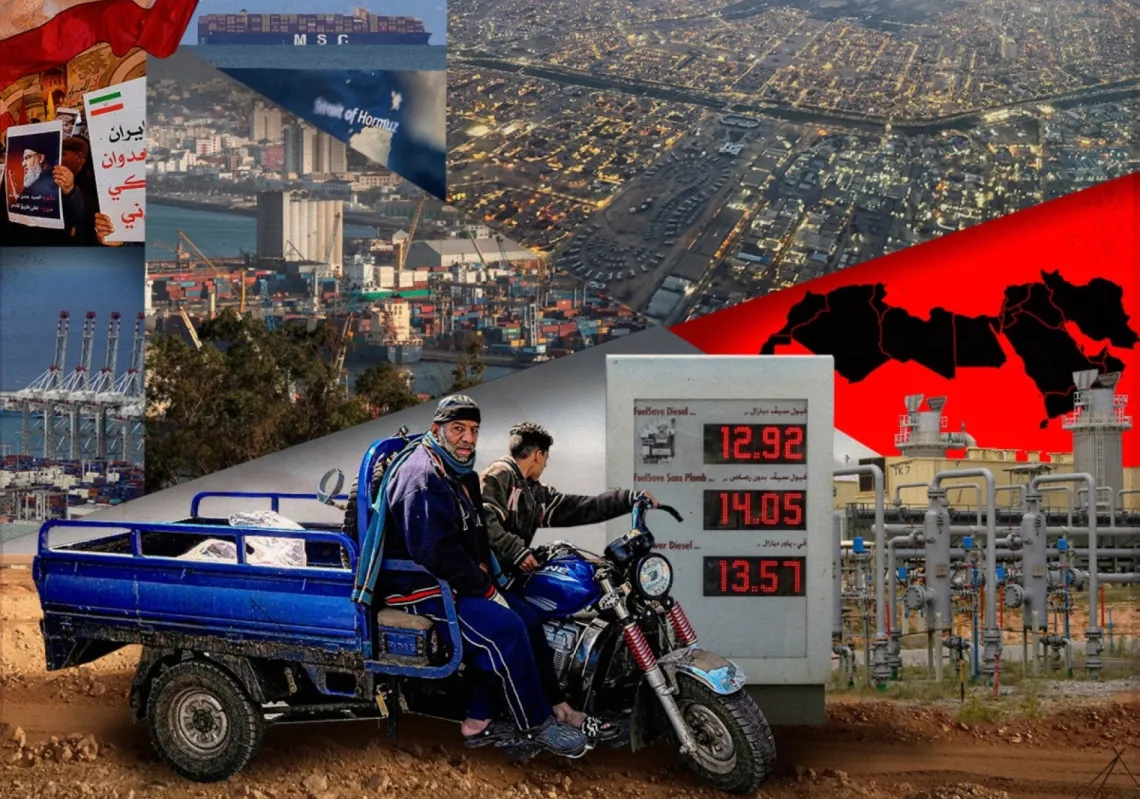
For Sudan, the effects of the war aren't only related to geography or its place within the Arab security sphere, but also timing. Sudan is in the middle of its own war—which broke out in 2023—which has crippled its economy. Sudan also forms part of an Arab security continuum stretching from the Gulf to the Red Sea, and is affected by two crucial maritime chokepoints: the Strait of Hormuz and the Bab al-Mandab Strait.
The Rapid Support Forces (RSF), a militia opposed to Gen. Abdel Fattah al-Burhan, who chairs Sudan’s Sovereignty Council and leads the Sudanese Armed Forces, tried to paint him as pro-Iran, perhaps to invite Israeli and US attacks on SAF positions. But he condemned Iran's attacks in the strongest terms and spoke to Gulf and Arab leaders, expressing his solidarity.
The RSF militia appears to harbour hopes that a political alternative in Sudan can be fashioned through reliance on weaponry and money provided from abroad. For that reason, the most dangerous effect of the US-Iran war in Sudan may not be military but political, if those seeking to align Khartoum with Tehran in the international imagination succeed.
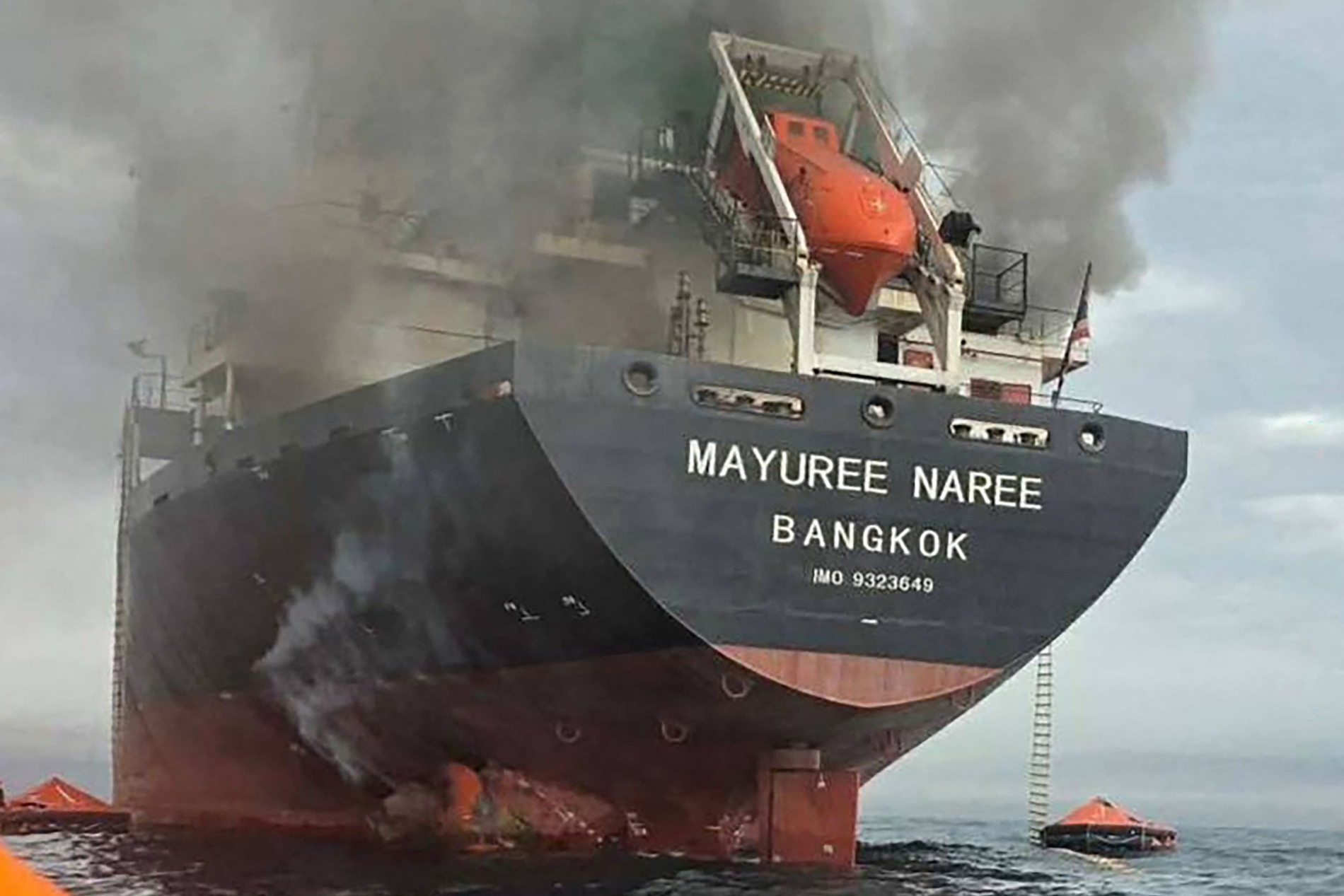
Meanwhile, rising oil prices, up nearly 59% in recent weeks, have hurt Sudan economically. The market is estimated to have effectively lost 12 million barrels per day of crude and refined products due to the closure of the Strait of Hormuz, where Iran has warned that ships will be targeted if they attempt to sail through.
Hitting agriculture
Sudan feels the price and supply shock before it even imports the commodities it needs, through transport, insurance, fuel, electricity and operating costs. It therefore creates a new wave of inflation in a country already exhausted by war. But of all the sectors hit, agriculture has perhaps taken the most painful blows.
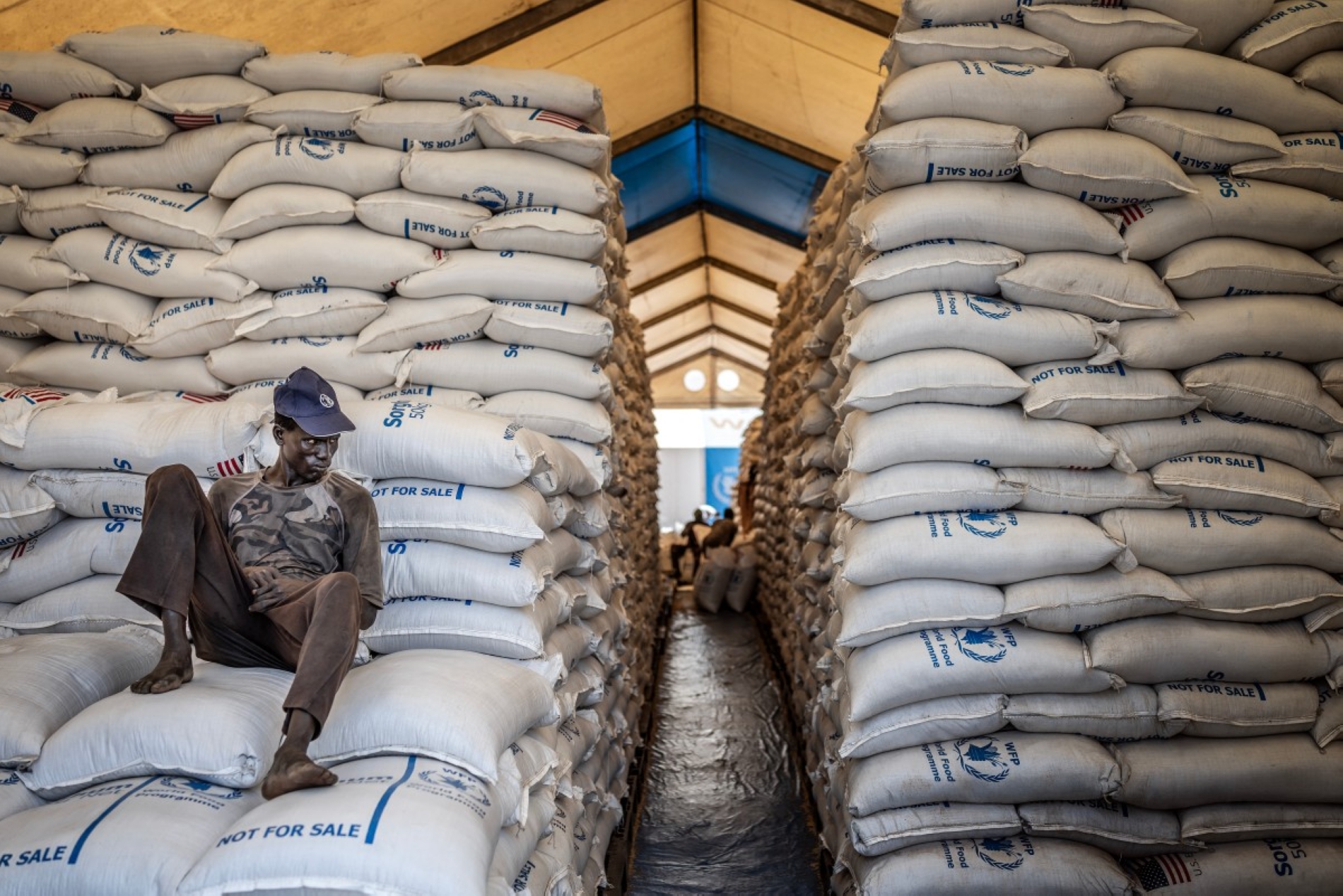
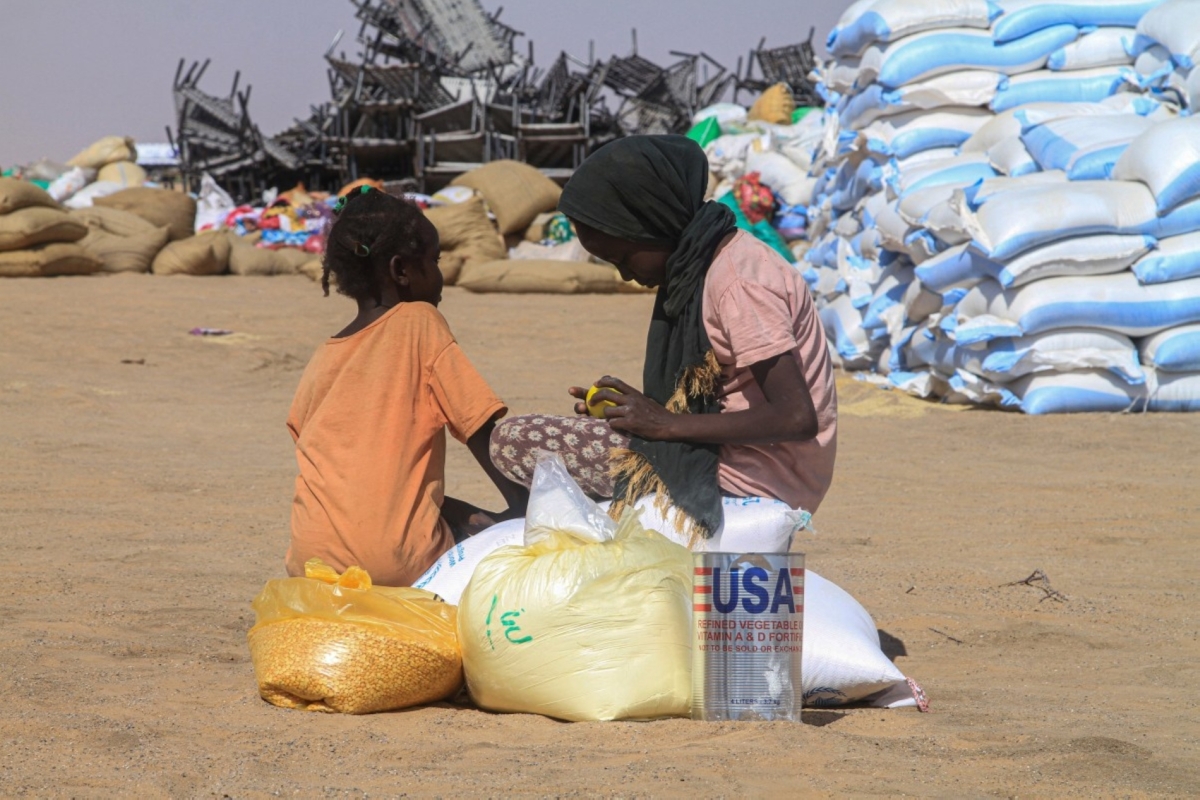
Now Sudan’s most important economic activity, the World Bank estimates that agriculture now accounts for roughly 35% of its GDP (gross domestic product) and employs more than 40% of Sudanese. Those proportions have only risen since the war. In a country where industry and services have receded under the weight of conflict, agriculture is the last large productive base capable of keeping society on its feet. Any shock affecting fuel, fertiliser, or transport could therefore be disastrous.