Javier Cercas on why novels thrive on ambiguity

The Spanish novelist and professor shares his musings on memory, moral courage, deception and faith

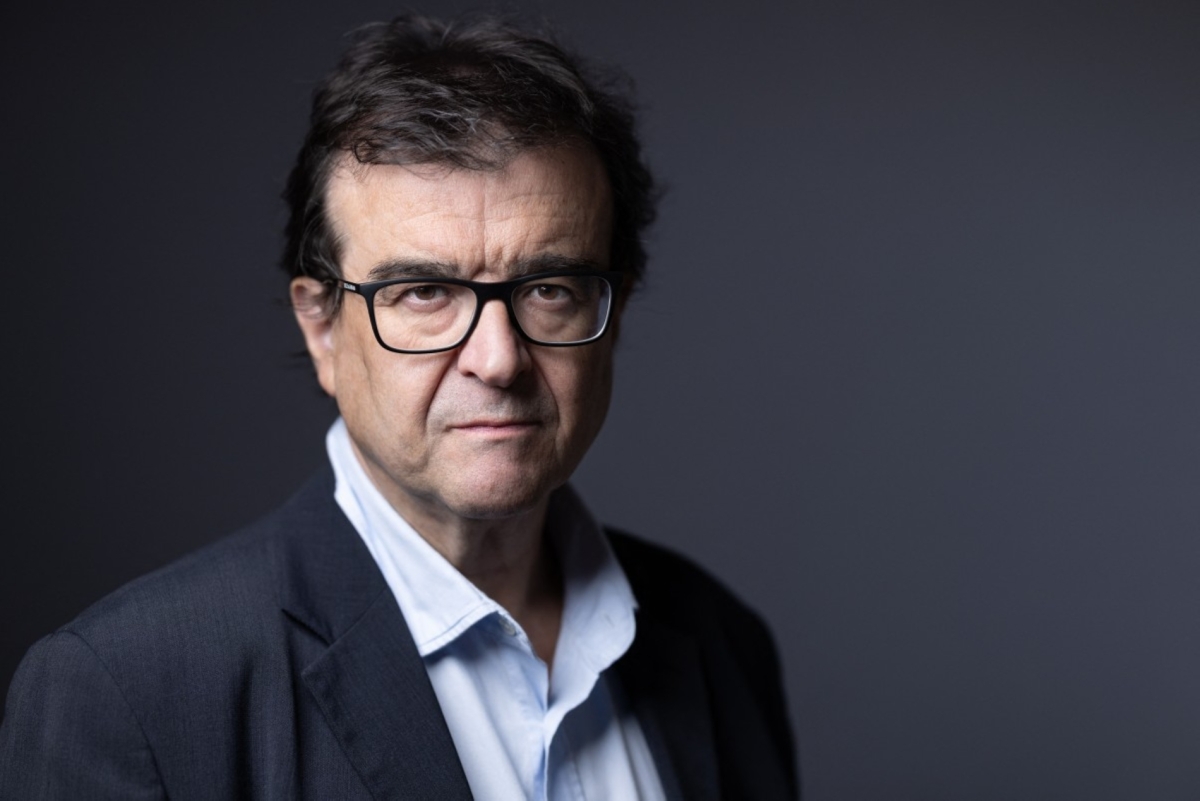
Spanish writer Javier Cercas poses for a photo session during the 27th "Les Correspondances" literature festival in Manosque, southeastern France, on 27 September 2025.
JOEL SAGET / AFP
Spanish writer Javier Cercas poses for a photo session during the 27th "Les Correspondances" literature festival in Manosque, southeastern France, on 27 September 2025.

Javier Cercas on why novels thrive on ambiguity

The Spanish novelist and essayist Javier Cercas is one of the most influential voices in contemporary European literature. Known for blurring the boundaries between fiction, history, and reportage, he first gained international recognition in 2001 with Soldiers of Salamis, a genre-defying narrative that reconstructs an episode from the Spanish Civil War while interrogating memory, truth, and the ethics of storytelling.

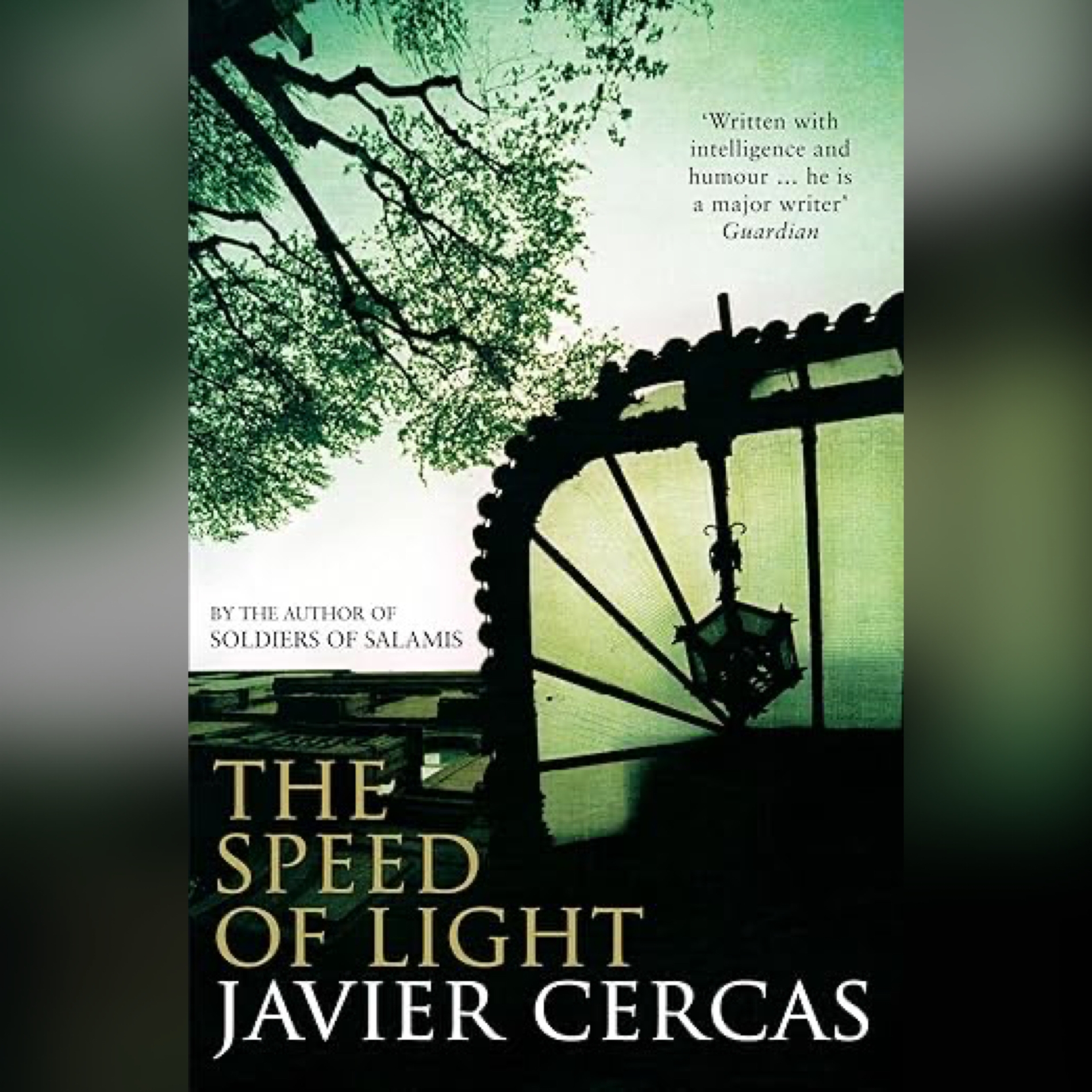
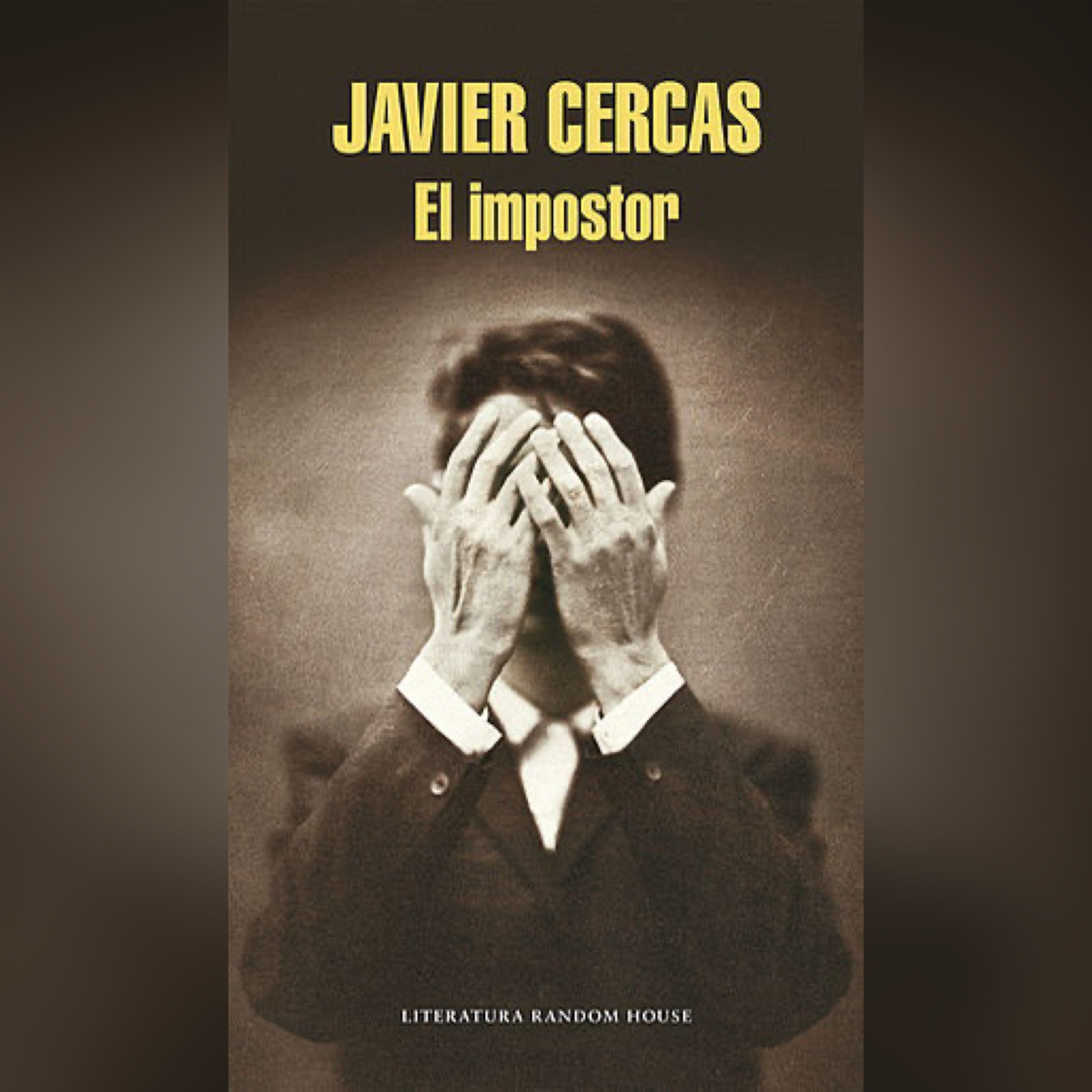
Since then, his work has consistently explored the fragile line between fact and invention, often inserting a version of himself into the narrative to expose the writer’s complicity in shaping collective memory. Born in Extremadura in 1962 and raised in Catalonia, his subsequent works, including The Speed of Light, The Impostor, and God’s Madman at the End of the World, deepened this project, moving between war, moral courage, historical deception and faith.

Al Majalla caught up with him, discussing everything from the ethics of memory and historical truth to heroism, deception, and faith.


Your work stands at the intersection of history, memory, and moral responsibility. When you begin a book, are you searching for a story or a question that concerns you?

I write because something obsesses me to the point that I can’t stop thinking about it. At the beginning of my books, there is always a question. My books don’t exactly try to answer it, but rather to formulate it in the most complex way possible. Novels don’t give answers; they pose questions. At least, they don’t give clear, unequivocal, and definitive answers. Their answers are always ambiguous, contradictory, multifaceted, and, in essence, ironic. Ultimately, the answer lies in the search itself—in the question, in the book. The novel is the realm of ambiguity, of irony, and that’s why fanatics have always detested it. Because they detest irony and ambiguity. That is to say, they detest complexity.
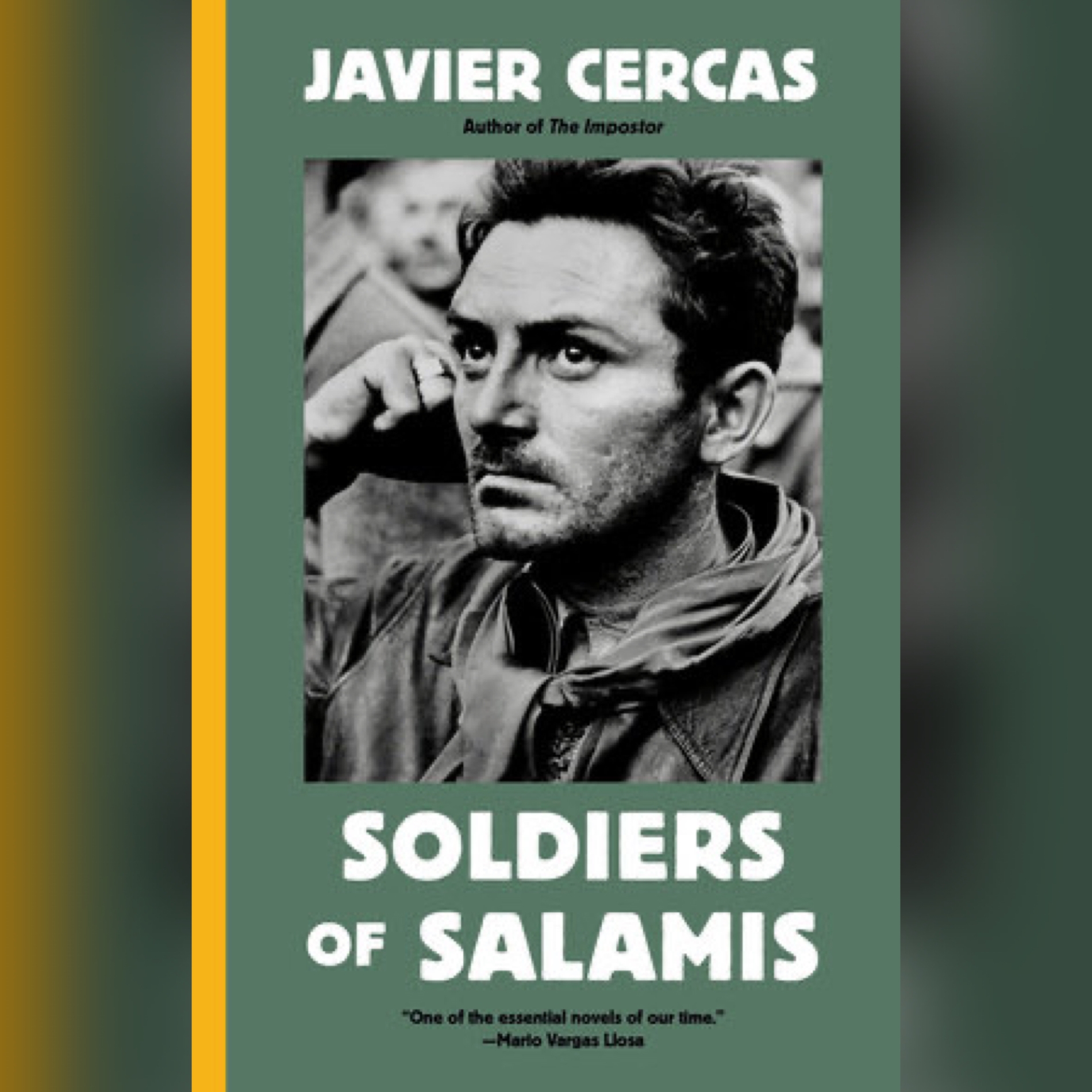
Why did you name the narrator Javier Cercas in Soldiers of Salamis? Was it a way of assuming responsibility for narrating history, or of exposing the writer’s complicity in shaping collective memory?

It was a narrative necessity. At a certain point in writing the book, I realised that all the characters had real names and that the novel was a fictional chronicle—a true story, as the narrator calls it. Then I understood that, to be consistent with the narrative, the narrator couldn’t be an exception and had to bear my name. It goes without saying that the Javier Cercas in the novel isn’t me; it’s a mask I’ve put on to say what I want to say. In Latin, ‘persona’ means ‘mask’, and the mask is what hides us but, above all, what reveals us. So it’s possible that the Javier Cercas in the book is more me than I am myself.

Moreover, the writer’s authentic self isn’t the social self, but the one that exists in their books. It also goes without saying that the fact that the narrator of Soldiers of Salamis says the book is a ‘true story’ doesn’t mean it is. The narrator of Don Quixote also says that Don Quixote is not his own invention but that of an Arab named Cide Hamete Benengeli, and we know that this is false. This falsehood is merely a tool, a game, a joke that Cervantes uses to say what he has to say. Something similar occurs in Soldiers of Salamis.
A writer who doesn't take risks isn't a writer: they're a scribe

Javier Cercas, Spanish novelist

The novel shifts from ideological survival to moral courage. Can literature redefine heroism, away from power and toward ethical action?

Of course. Literature has all the power; it's just a matter of the writer knowing how to use it. In the West, for a little over a century, the idea has taken hold that literature is useless, a more or less sophisticated intellectual game without any real significance. That's nonsense. What is literature? A way of living more fully, in a richer, more intense, and more complex way. Is there anything more useful than that?

What is literature but a way of creating free citizens, capable of rebelling against power and confronting it? Is there anything more useful than that? In short, what's useless is the bourgeois concept of utility, stupidly pragmatic, restricted to that which brings in money and little else.

In The Speed of Light, you write that "no one comes back from Vietnam." If return is impossible, what can literature truly offer in the face of irreversible experience?

I think that phrase comes from a Vietnam War veteran, a traumatised man who has tried to recover from the terrible experience of war and hasn't succeeded. But literature—great literature—can offer a way to do so through pleasure and knowledge. It's difficult, but not impossible. In fact, since the beginning of time—since Homer, in the Western tradition—literature has tried to understand war. Understanding doesn't mean justifying; it means the opposite: giving ourselves the tools to avoid repeating the same mistakes.

Despite this, we human beings continue to repeat them, as if we wanted to prove Hegel right, who wrote: "The only thing we learn from history is that we learn nothing from history." True literature doesn't resign itself to the stupidity of human beings, and that's why it keeps trying to understand war.

When working through historical deception in The Imposter, how did you navigate the ethical boundaries of your subject, Enric Marco?

The Impostor tells a tremendous story: the story of the greatest impostor in history, as Mario Vargas Llosa called him. A man who, for years, deceived everyone by passing himself off as a survivor of Nazi concentration camps—he even presided over the association of Spanish camp survivors—and a hero of the Spanish Civil War. This man was a walking lie; his entire life was a grand invention, and telling it posed countless risks, both personal and intellectual.

For one, my very close relationship with the character, or the need to distinguish between truth and falsehood in his life. But literature is a risky profession. Anyone who doesn't want to take risks shouldn't dedicate themselves to writing. A writer who doesn't take risks isn't a writer: they're a scribe. As a person, I don't consider myself particularly brave, but as a writer, I must be. A cowardly writer is like a cowardly bullfighter: he has chosen the wrong profession.

In God's Madman at the End of the World, you move from history to memory to faith. Has this journey changed your understanding of what sustains human dignity and meaning?

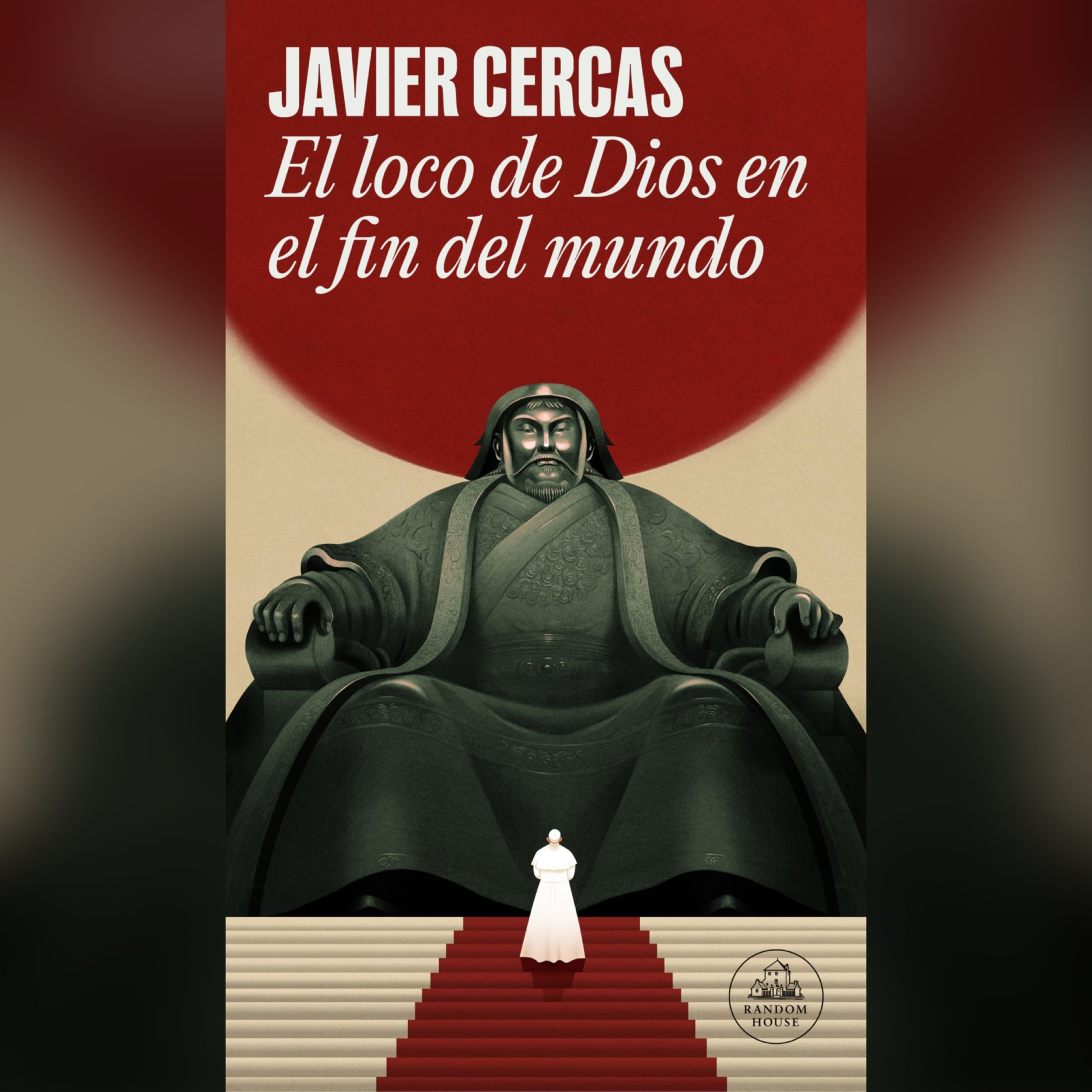
Absolutely. All my books change my worldview and change me, and this one has been no exception. In fact, perhaps this book has changed me more than any of my previous works. It's about religion, and in particular the Catholic faith. The Vatican, the universal centre of Catholicism, opened its doors wide for me to accompany Pope Francis on a trip to Mongolia, to speak with whomever I wanted, to ask whatever I wanted, and to write whatever I wanted.

In more than 2,000 years, the Church had never given such an opportunity to a writer—much less to an atheist like myself—and of course, I took advantage of it. The result is a non-fiction novel. Everything recounted there is true, but it is recounted with the tools of fiction. And yes: it has completely changed my way of seeing the Church, of seeing Christianity, of seeing religion, of seeing the world, and of seeing myself. It's normal: writing a novel is like living an adventure, and an adventure that doesn't completely change you isn't an adventure.


My tradition is much broader than the Spanish one, and it includes Latin American writers, some of whom I consider my masters, like Jorge Luis Borges

Javier Cercas, Spanish novelist

As a scholar of modern Spanish literature, how do you assess the current moment in Spanish fiction, and which voices are redefining its aesthetic?

That's a difficult question to answer. It's true that for years I taught contemporary Spanish literature, but classical Spanish literature and North American, English, French, German, Russian, and Italian literature have been more important to my development as a writer. Latin American literature, too. In fact, I don't consider myself a Spanish writer; I consider myself a writer in Spanish.

That means my tradition is much broader than the Spanish one, and it includes Latin American writers, some of whom I consider my masters: Jorge Luis Borges, first and foremost, but also Vargas Llosa, García Márquez, Bioy Casares, Cabrera Infante, and so on. It's what one of those writers, Carlos Fuentes, called "the territory of La Mancha"—much richer and more extensive than the mere territory of Spain.

What questions remain?

Many. If I stopped asking questions, I would stop writing. I don't write about what I know; I write about what I don't know. I write to know. If I knew everything, I wouldn't write: what would be the point? Fortunately, I know nothing, or almost nothing, so I hope I can still write many books. Besides, what intrigues me as a writer is what has always intrigued me: the infinite complexity of human beings. It seems to me that, ultimately, that is the subject of literature.

Politics is far too serious a matter to be left solely in the hands of politicians.

Javier Cercas, Spanish novelist

What has writing cost you, personally?

Literature has brought me almost exclusively joy: pleasure and knowledge. What has caused me problems hasn't been so much novels as writing for newspapers, which for me is another form of literature. That is to say, my political opinions have caused me problems, or rather, the fact that I expressed them in writing. I would be lying if I said I regretted doing so. Besides being a writer, I am a citizen; a citizen like any other, with the same rights and duties as anyone else.

The romantic idea of ​​the semi-divine writer seems ridiculous to me; ridiculous and false. Shakespeare and Cervantes were ordinary people, with their personal problems, their virtues and their flaws; what was exceptional was their work, not them.

I am fortunate to live in an open, democratic society where freedom of expression exists, but that doesn't mean that those who live in such a society don't pay a price for expressing themselves freely (although the price is much lower than what is usually paid in a society where freedom of expression doesn't exist, or where it is very restricted). I believe one must be willing to pay it.

In Spanish, the word 'politics' comes from the Greek 'polis', meaning city, and the city belongs to everyone. Politics is far too serious a matter to be left solely in the hands of politicians.

font change

Related Articles