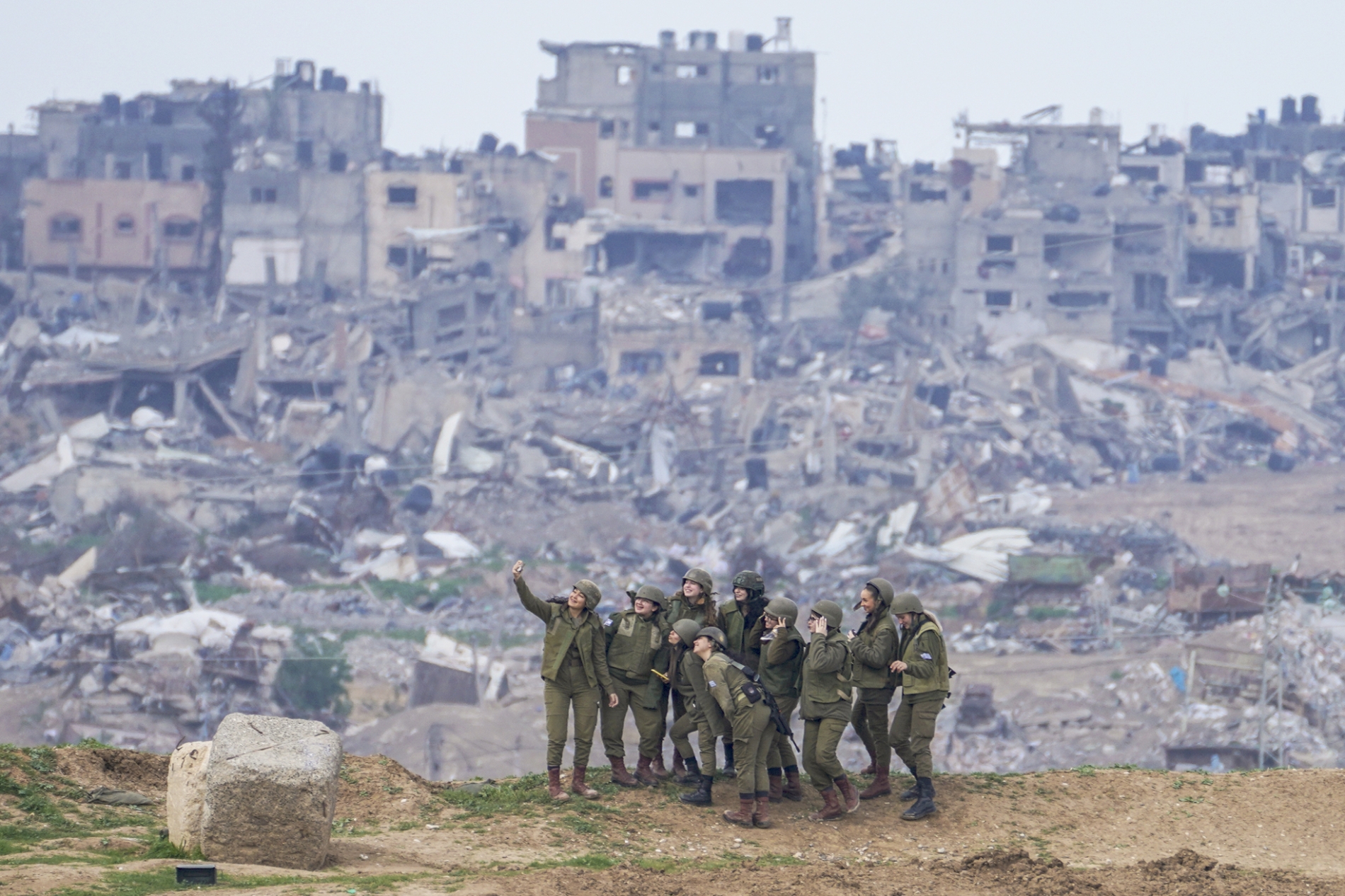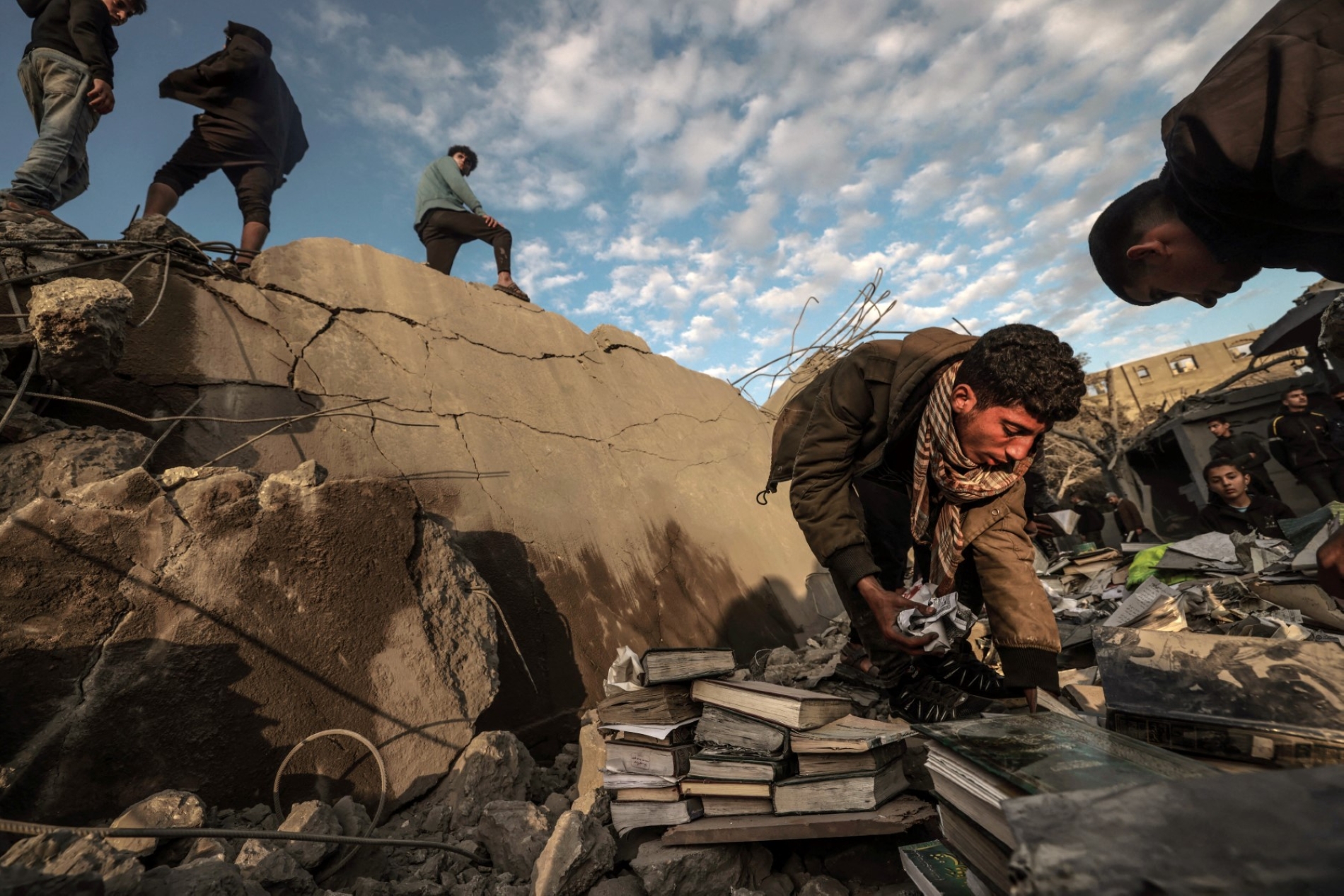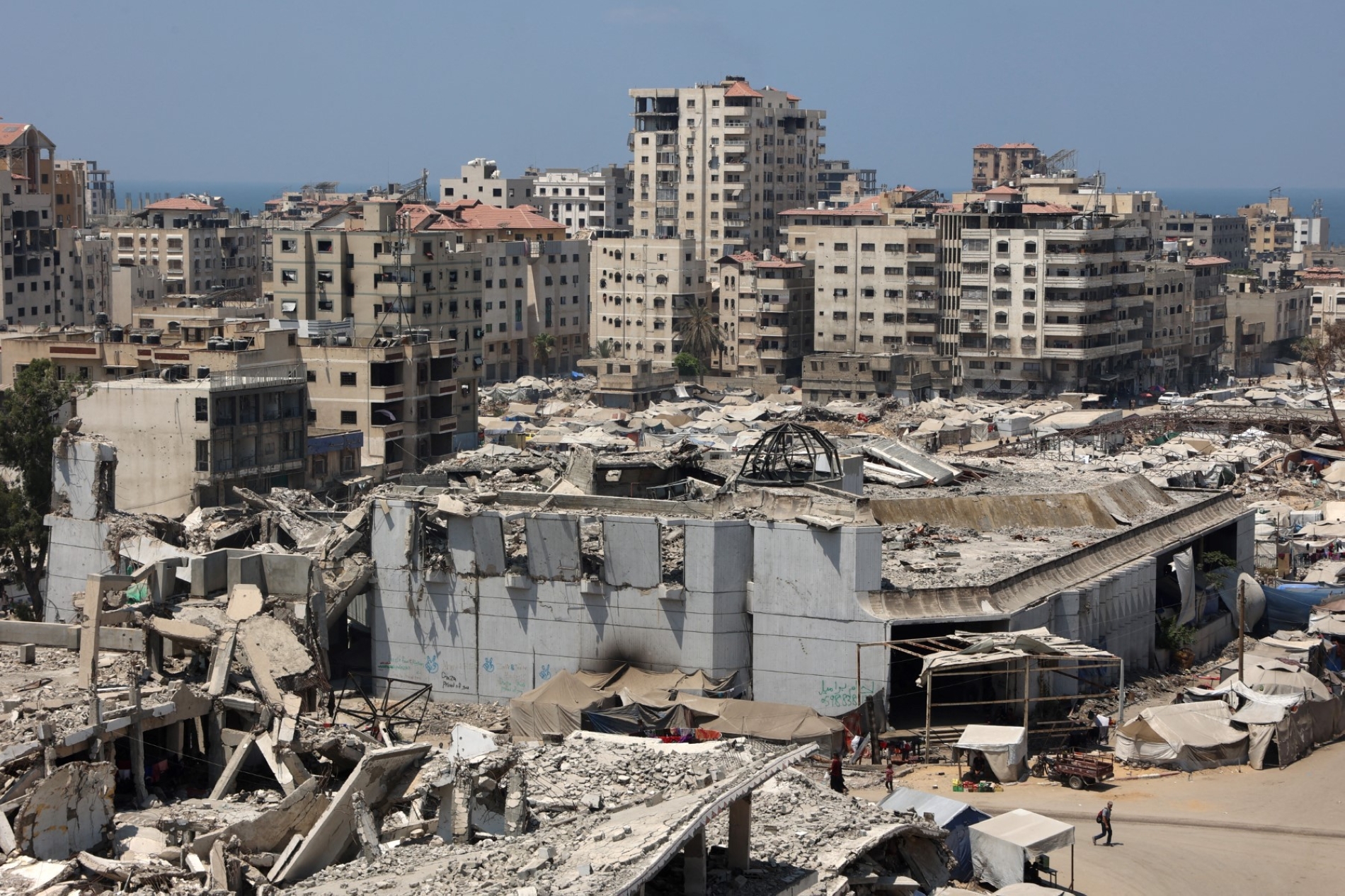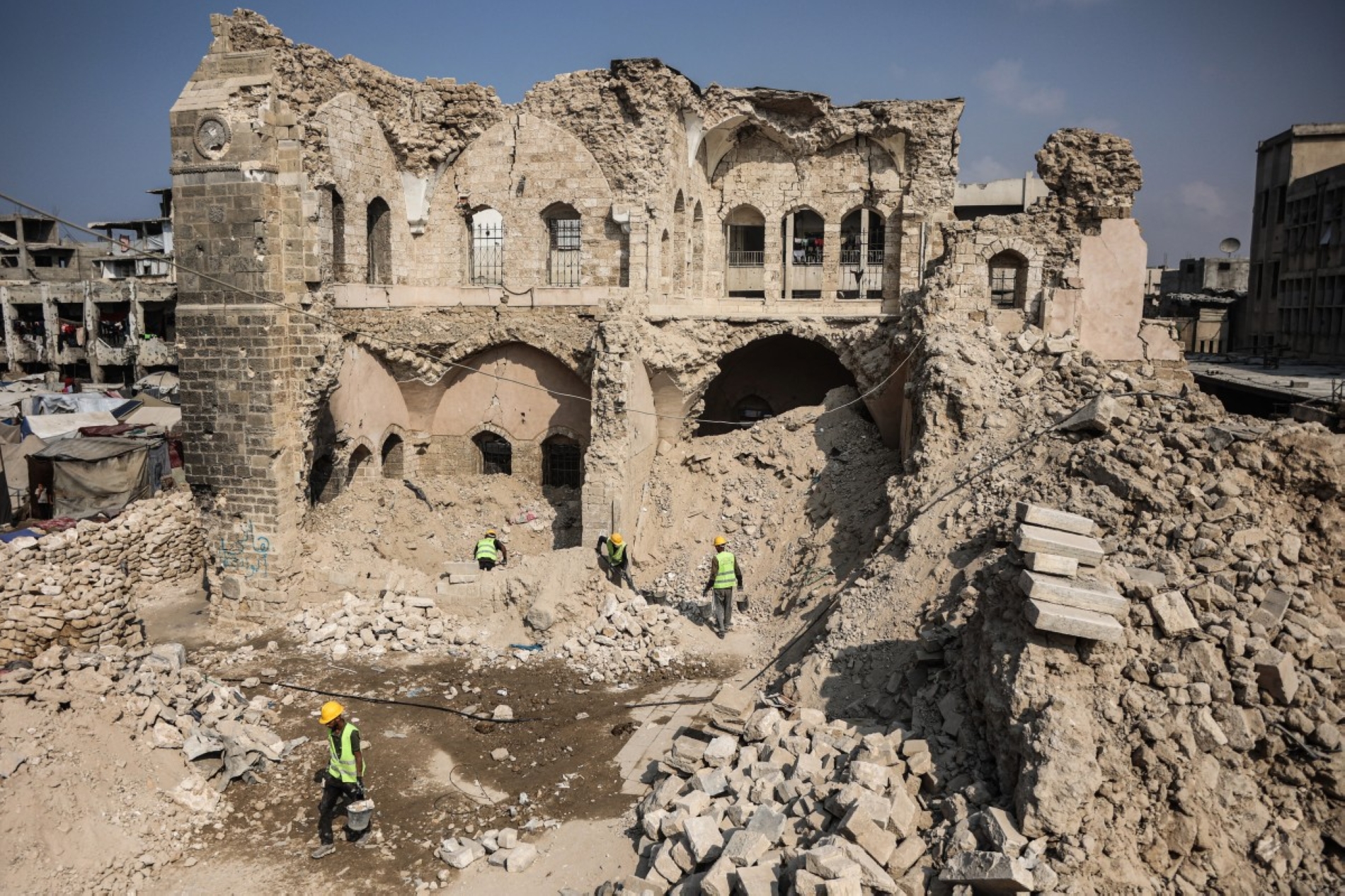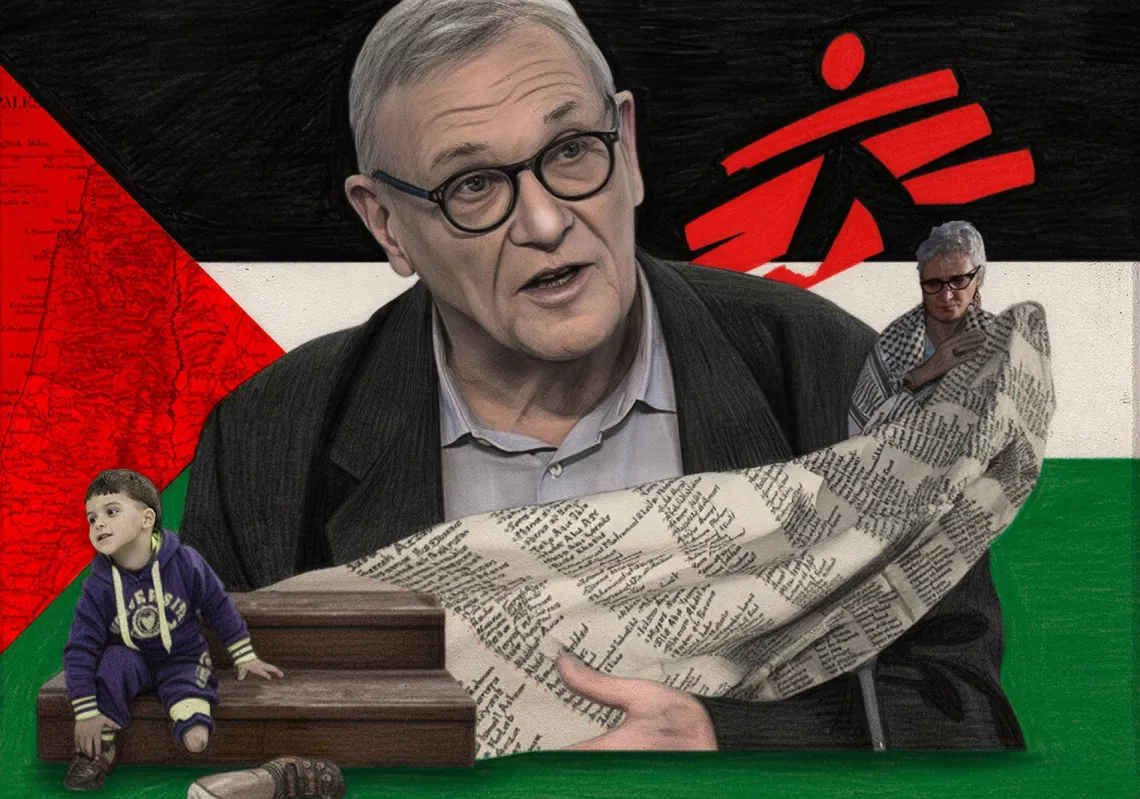

Throughout its continuing war on Gaza, Israeli forces have waged a parallel and distinct campaign of annihilation against Palestinian culture, targeting both tangible and intangible heritage, along with the historical and cultural landmarks through which that heritage is expressed.
In the past 29 months, international legal discourse has come to describe what has unfolded in Gaza as genocide. Yet the acts of erasure, dispossession, and deliberate destruction directed at Palestinian culture, in its material and immaterial forms alike, and at cultural institutions and historic buildings, form part of a continuum of cultural crimes that has persisted without interruption since the Nakba.
The theft of the country in 1948, the expulsion of its people, the destruction of depopulated villages, and the refashioning of the great historic cities all unfolded alongside another mode of extermination, cultural in kind and enduring in purpose. It took shape in the plunder of Palestine’s historical wealth, the demolition of cultural landmarks and ancient traces, and the destruction of archaeological discoveries whose testimony could neither be falsified nor forced to serve the occupier’s narrative. Alongside this came the seizure of every pillar of modern cultural life: theatres, cinemas, printing presses, newspapers, music halls, studios, museums, and much else besides.
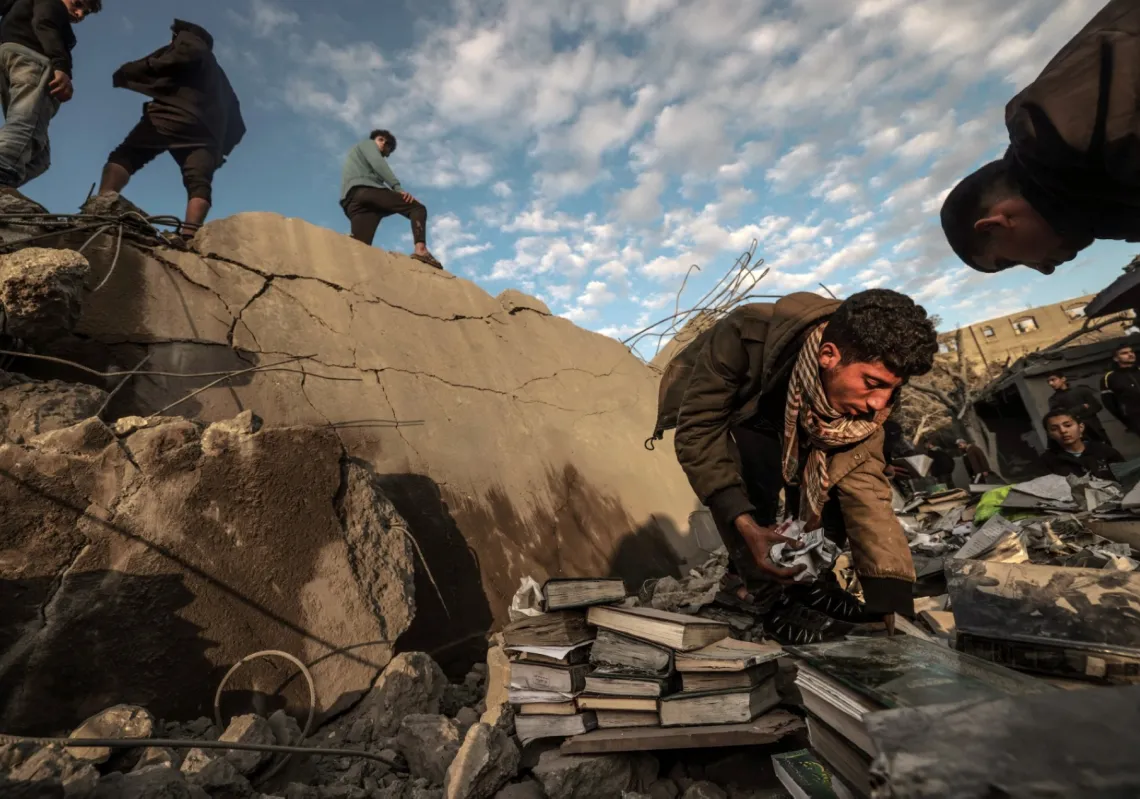
From the first day of the latest war on Gaza, this cultural extermination announced itself with chilling clarity. Its purpose was the obliteration of the visible features of Palestinian culture through the systematic destruction of archaeological sites, old buildings, and places of historical and religious significance, including mosques and churches, as well as the destruction of all 12 museums in Gaza. This was compounded by the looting of antiquities and historical finds, including ancient columns, jars, statues, and everyday objects.
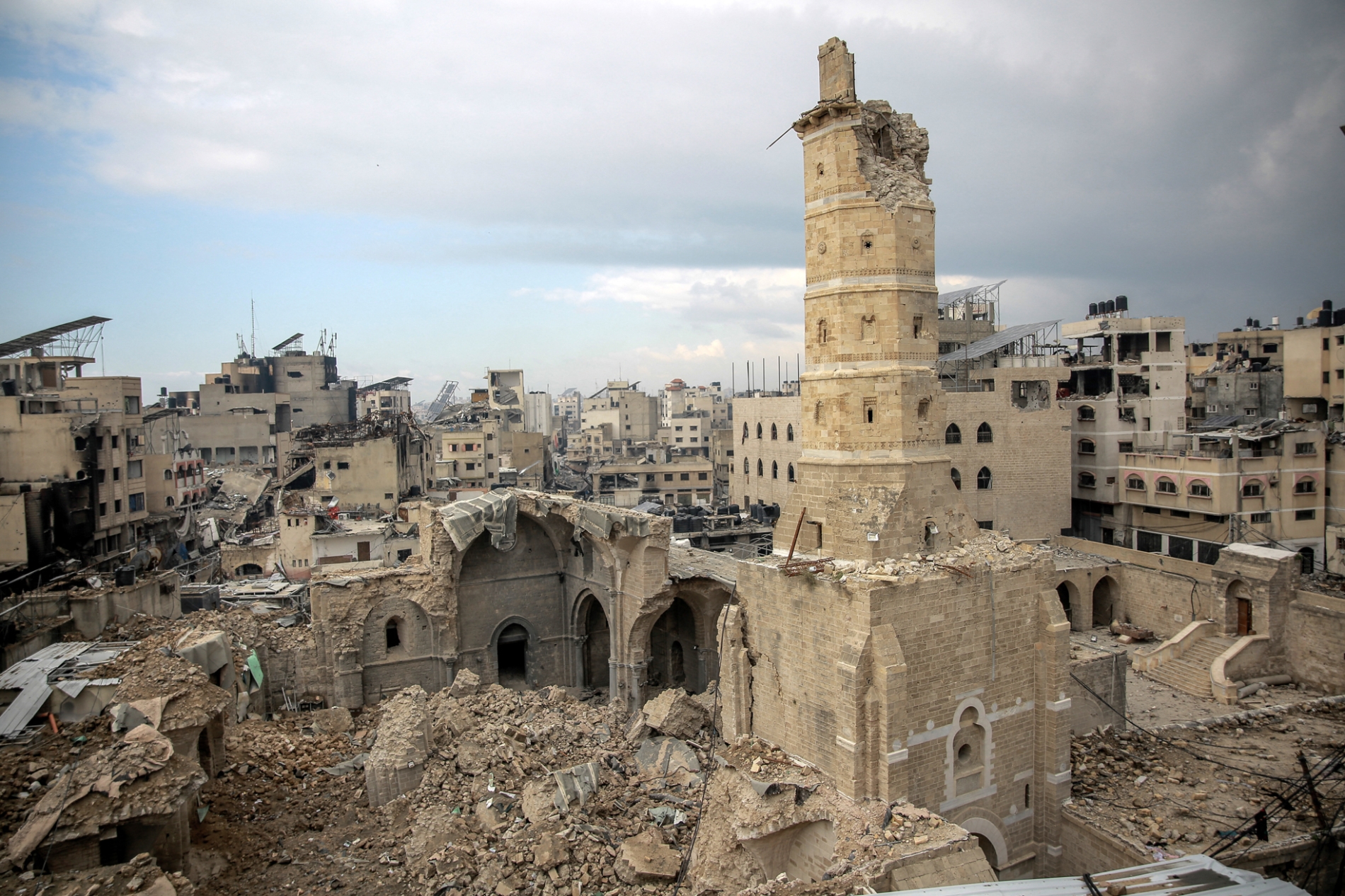
While news bulletins and televised reports exposed the crimes of killing, the destruction of homes over the heads of their inhabitants, and the massacres carried out in full view of the world’s cameras, cultural extermination advanced in silence, seldom noticed and rarely brought into focus. There were many reasons for this, foremost among them the self-evident truth that human life is, in every circumstance, dearer than anything else.
Against the weight of that comparison, fair in one sense and profoundly unfair in another, Israel swept away Gaza’s cultural landmarks and destroyed a vast part of the memory of the region, and indeed of the world, in that southern Palestinian coastal strip where ancient continents and civilisations once converged.
A war on lives, memory, and place
As mellifluous talk of peace, ceasefire, and the arrangements of the day after returns to the fore, scarcely any serious thought is being given to recovering what has been lost or salvaging what may yet be saved. The irony is severe. The committee formed by the Board of Peace under the leadership of US President Donald Trump, and including a number of distinguished Palestinian figures, made no reference whatsoever to the cultural or heritage sectors. Its mandate and list of assigned tasks included nothing concerning the recovery, restoration, or rehabilitation of either field, even as it left room, for instance, for tribal matters and for religious and doctrinal concerns.
The Israeli war on Gaza has been comprehensive and many-layered. It has been a war against human beings, against trees, and against stone. The rhetoric of killing that sustained the war called for the greatest possible number of deaths, a toll that has now exceeded 72,000, in addition to the thousands missing who must also be counted among the dead. Yet the same rhetoric carried within it an equally fierce impulse to destroy as much of the place itself as possible.
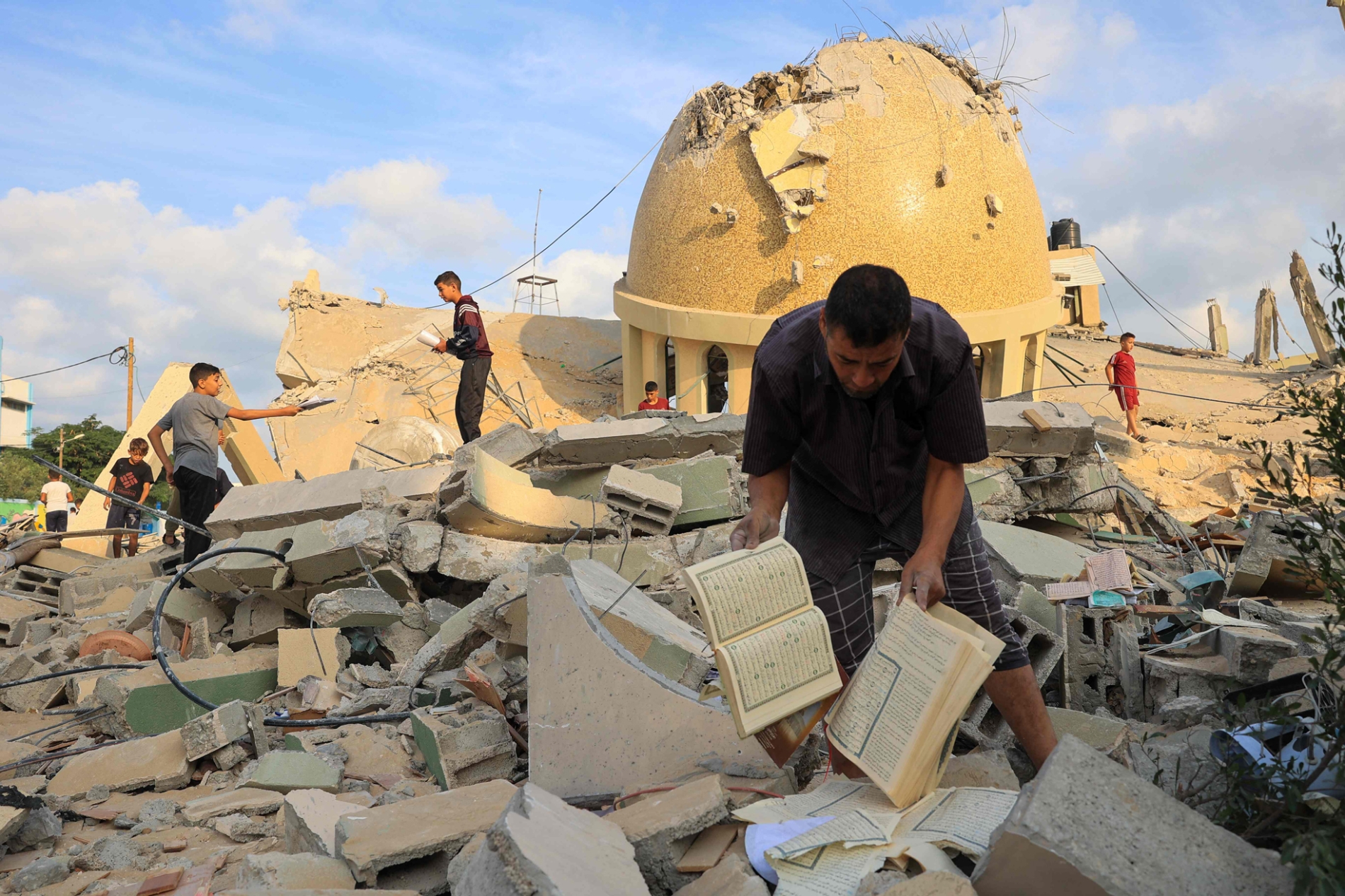
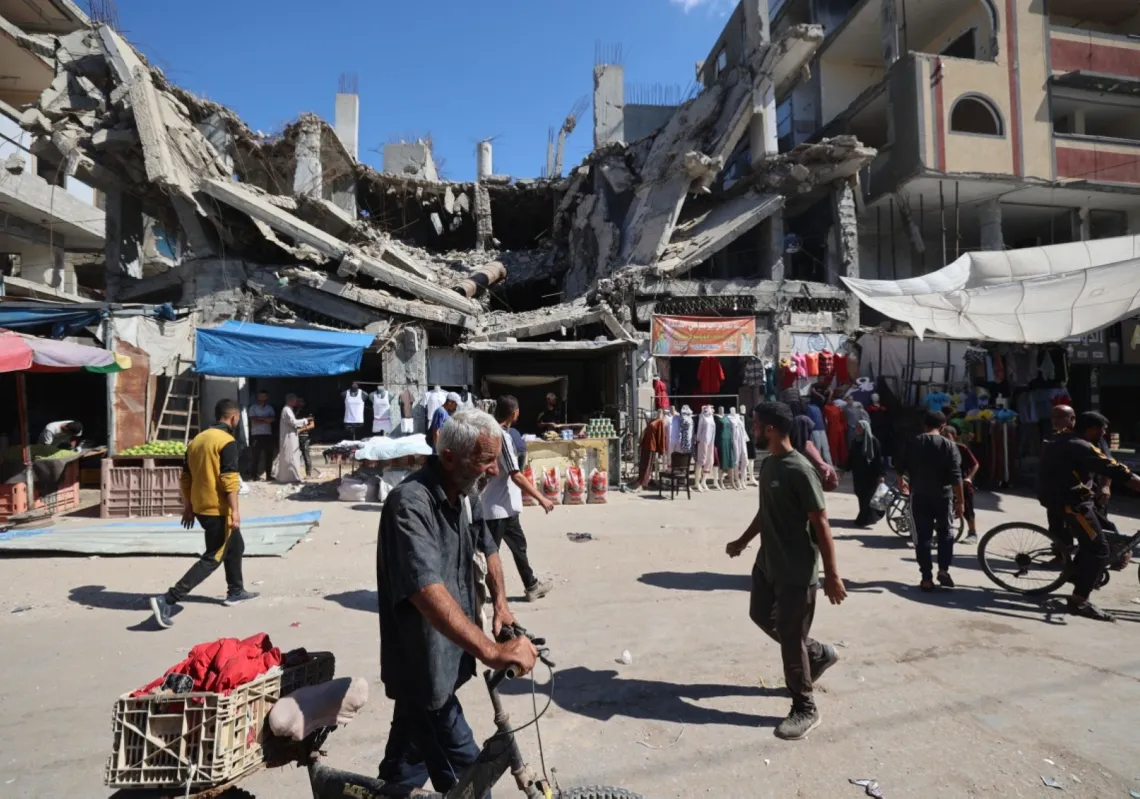
Reports differ on the proportion of buildings destroyed, but they converge on one grim reality: the overwhelming majority of buildings and structures are no longer fit for habitation. Thus, the bleak logic was completed. Alongside the killing of people came the destruction of place, and with it the erasure of every marker and every bond that shaped their relationship to that place, namely, memory itself.
The bond between the individual and place is fashioned through inherited collective memory, and through the stories history tells about that place. It is deepened by the individual’s sense of being the rightful heir to those stories, whose heroes were their forebears and whose past was animated by their lives. From this perspective, the crime of cultural extermination rests, in intellectual terms and across the precedents history provides, on the effacement of every trace of the victim until the land appears empty, as though awaiting the arrival of new inhabitants.