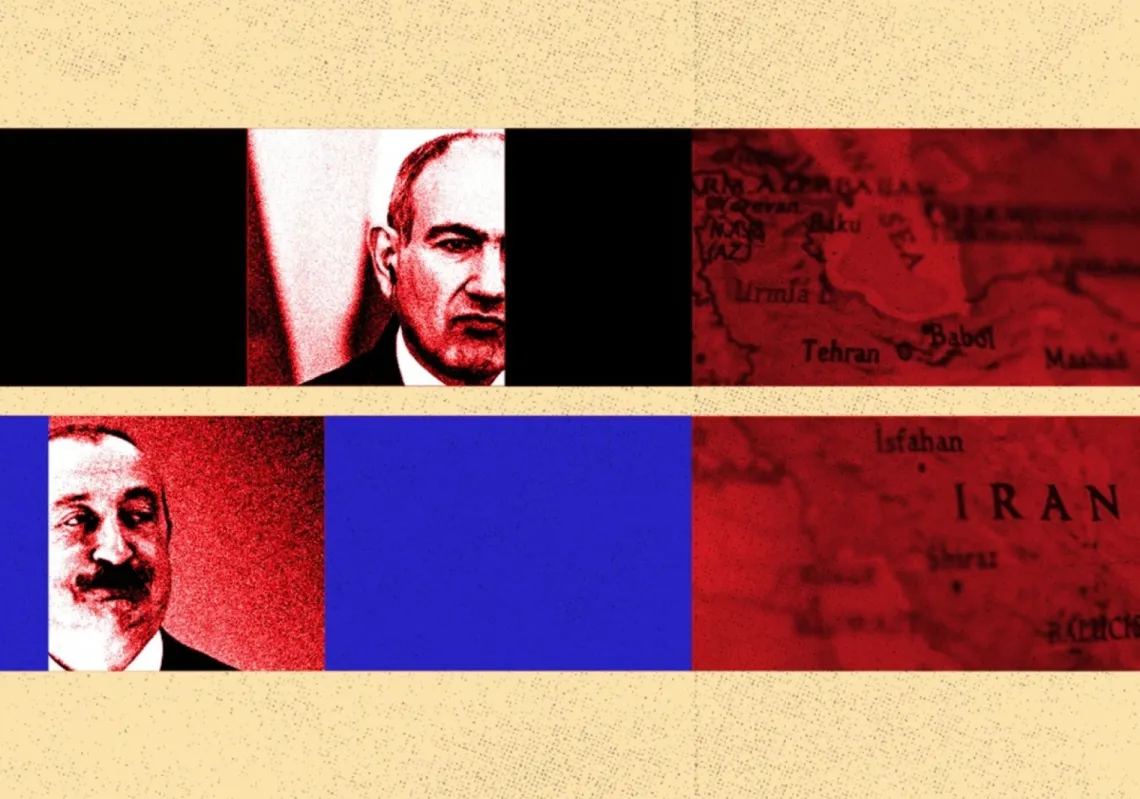
If the Islamic Republic were to fall, there would be different implications for both Caucasus countries. Decision-makers in Baku and Yerevan have much to ponder.
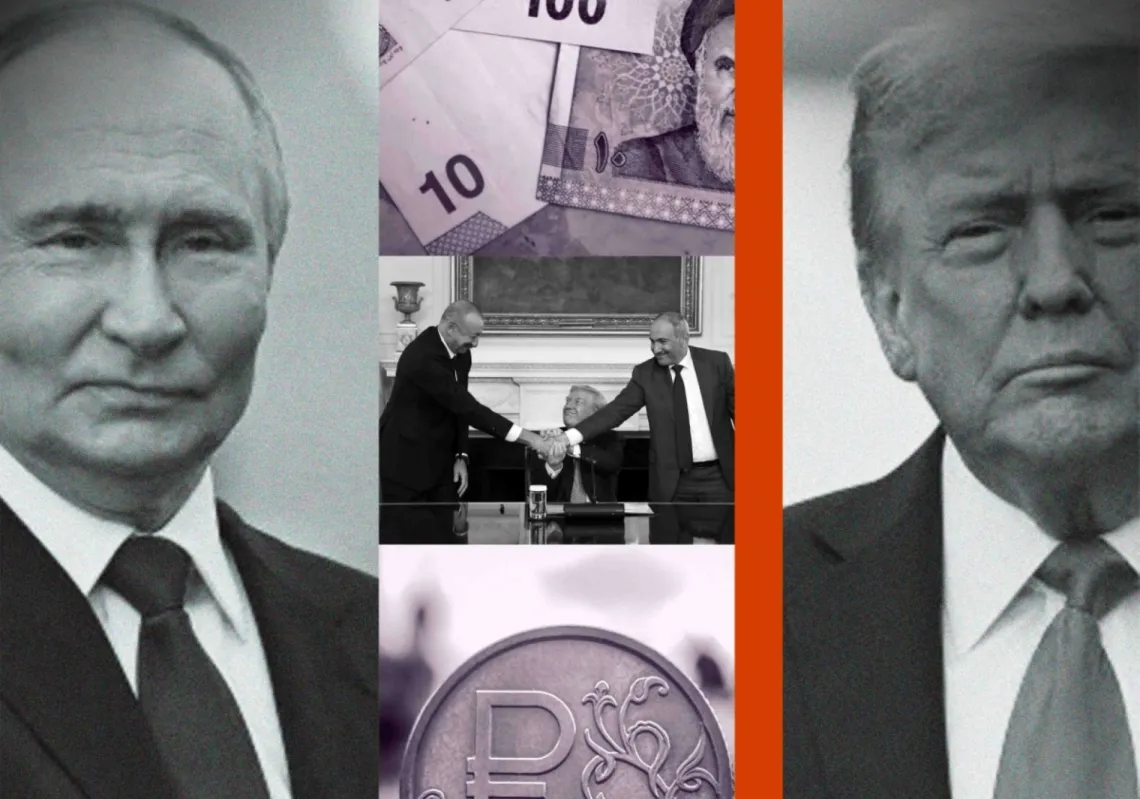
The Kremlin's economic indicators are causing unease, while smaller states in Russia's sphere of influence are eyeing opportunities to reduce their reliance on Moscow. What will the year ahead bring?
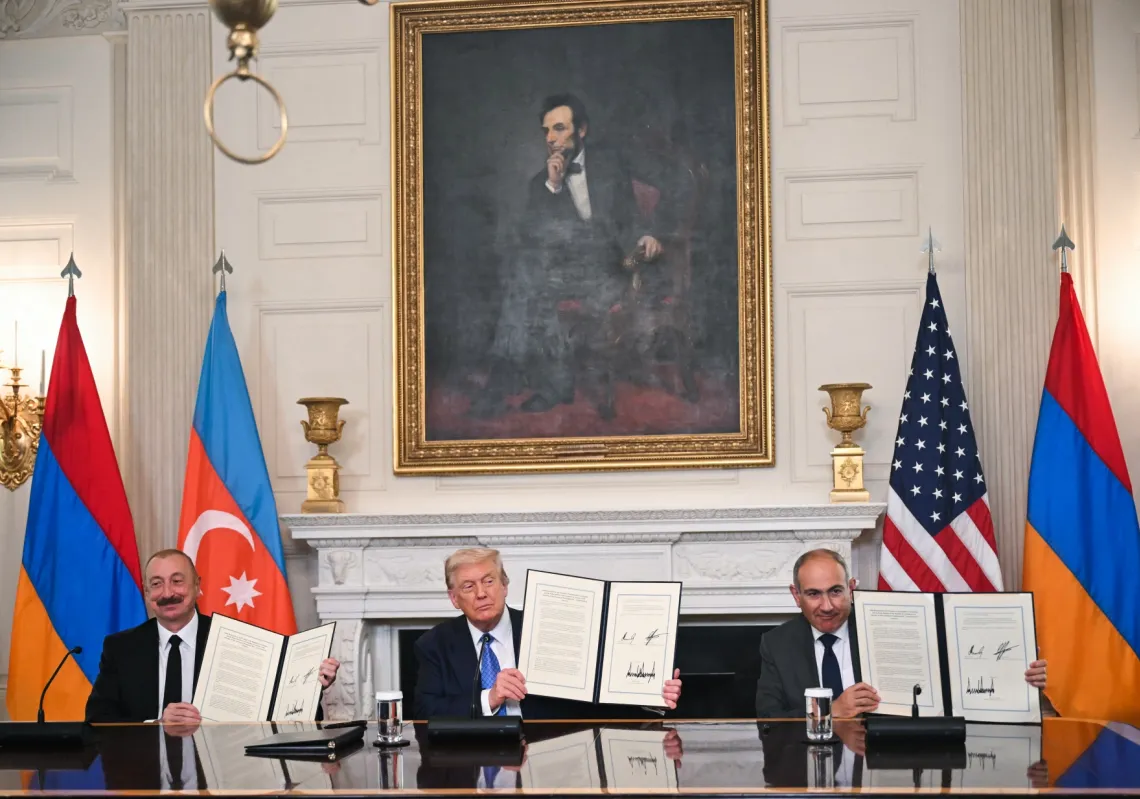
The Zangezur Corridor, a route through Armenia linking Azerbaijan and Türkiye, will be built and managed by Americans and will pass along the Iranian border, creating winners and losers
Moscow's much smaller neighbours have been looking elsewhere for energy, trade, investment, and security. That is not in Russia's plans, but Putin knows the new US president is unlikely to help them.
A proposed trade route connecting Turkey and the Mediterranean with Azerbaijan through Armenia would be controlled by Russia and bypass Iran. No wonder Tehran is furious.
Regional and international factors create conducive conditions for ending the decades-long conflict between Baku and Yerevan. Al Majalla explains why, this time, it's different.
For a century, conflict has flared over the region of Nagorno-Karabakh, a predominantly ethnic Armenian enclave nestled within the borders of Azerbaijan. In the 1990s, Armenians believed they had won…
OnSeptember 27, significant fighting broke out between the militaries ofArmeniaandAzerbaijan, two states that have been locked in an intractable conflict over the disputed region of Nagorno-Karabakh…
The American CIA director's visit looks to be a desperate attempt by the Trump administration to avert a doomsday scenario in which NATO is pulled into a larger war with Russia
Al Majalla looks at the former army general's career, political positions, possible paths to victory, and what a change in leadership could mean for Israel and the region after three years of war
As social media transforms how people seek medical advice, figures such as Barbara O'Neill offer something conventional medicine rarely can: absolute certainty
The Iran war exposed the risks of being too closely tied to US military posture, which is why some Gulf states are repositioning themselves not merely as consumers of security but as architects of it