Can Algerian gas help plug a gap in Qatari supply?

The north African nation wonders if it might step in, as war in the Middle East halts shipments of liquefied natural gas and leaves importing nations looking for alternatives.

Al Majalla

Can Algerian gas help plug a gap in Qatari supply?

The effect of the US-Iran War on the world energy market has brought back memories of Russia’s invasion of Ukraine in 2022, when prices skyrocketed overnight. Back then, gas supplies were the focus, because Russia is the world’s biggest gas producer after the United States and had been meeting about 40% of Europe’s energy needs.

Although the continent has since weaned itself off Russian gas, it still accounted for 13% of European Union imports in 2025, at a value of $17.4bn, according to the Council of the European Union. As Russian President Vladimir Putin noted in recent days, although the US-Israeli war in Iran is driving oil and gas prices up, higher oil prices are also due in part to the restrictions placed on Russian oil exports.

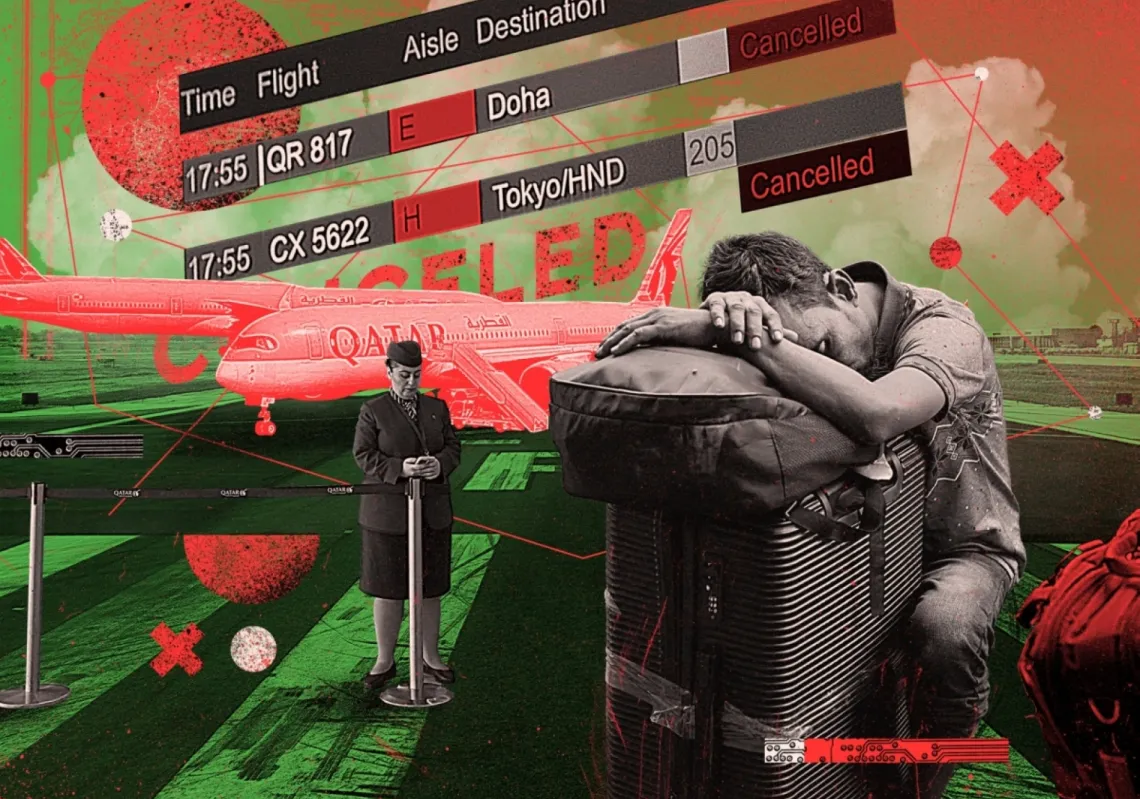
The effective closure of the Strait of Hormuz is putting pressure on Europe and several Arab states, including Egypt, Kuwait, Jordan, and Bahrain, so the search for alternatives has become urgent. Roughly 20% of global crude supplies pass through the Strait of Hormuz, but at the time of writing, that oil cannot currently get through, because Iran has threatened to attack any ship making the journey.

Creating openings

Iran always threatened regional consequences if it were attacked by the US and Israel, so when their bombing raids began, one of Tehran’s targets was Qatar’s gas facilities, which have now been shut down. Qatar is the world’s second biggest gas exporter, but QatarEnergy announced a ‘force majeure’ last week, suspending its liquefied natural gas (LNG) production and notifying clients that circumstances beyond its control were preventing it from meeting its contractual gas supply obligations after Iranian military strikes against facilities in Ras Laffan and Mesaieed.

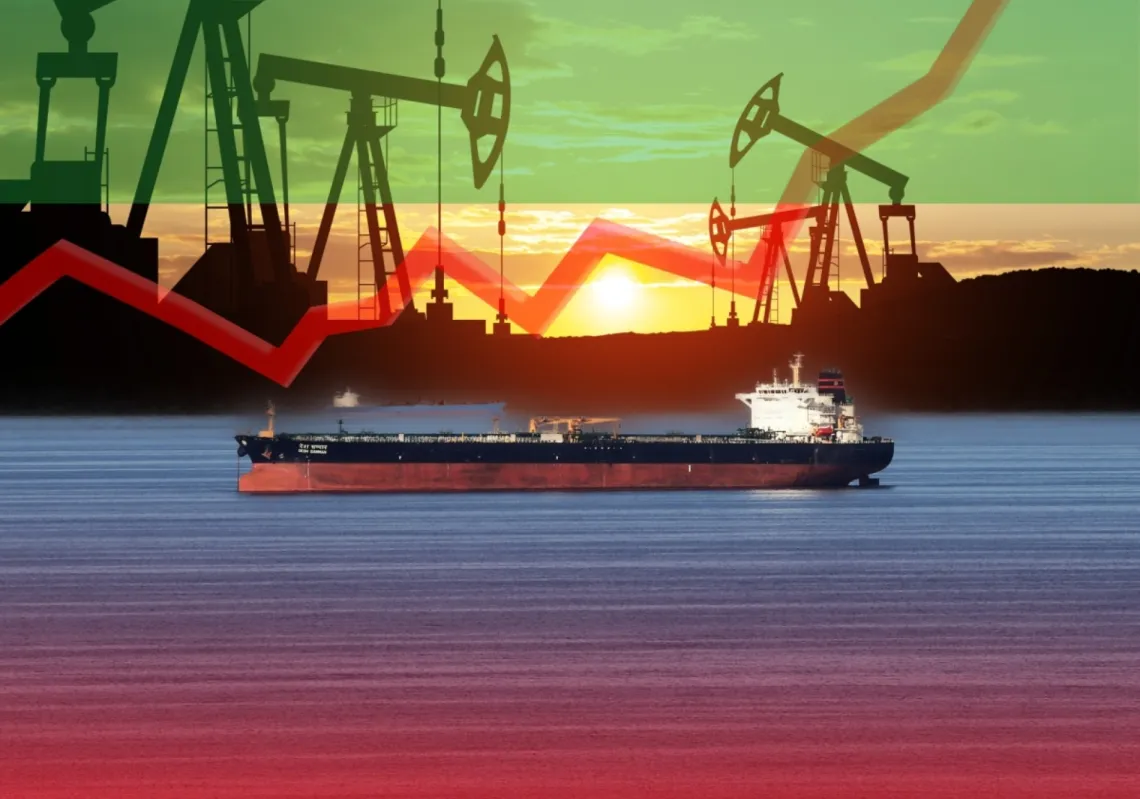
It sent a shudder through the markets. With warehouses full, gas prices in Europe surged by nearly 50% in a day. Qatar’s Energy Minister Saad Sherida al-Kaabi warned that the war could force Gulf states to halt production entirely, sending oil prices over $100 per barrel of crude on Monday, the most expensive it has been since 2022 (the prices dropped slightly on Tuesday). He added that the return of Qatar’s normal supplies could take weeks, even if the war were to end tomorrow.
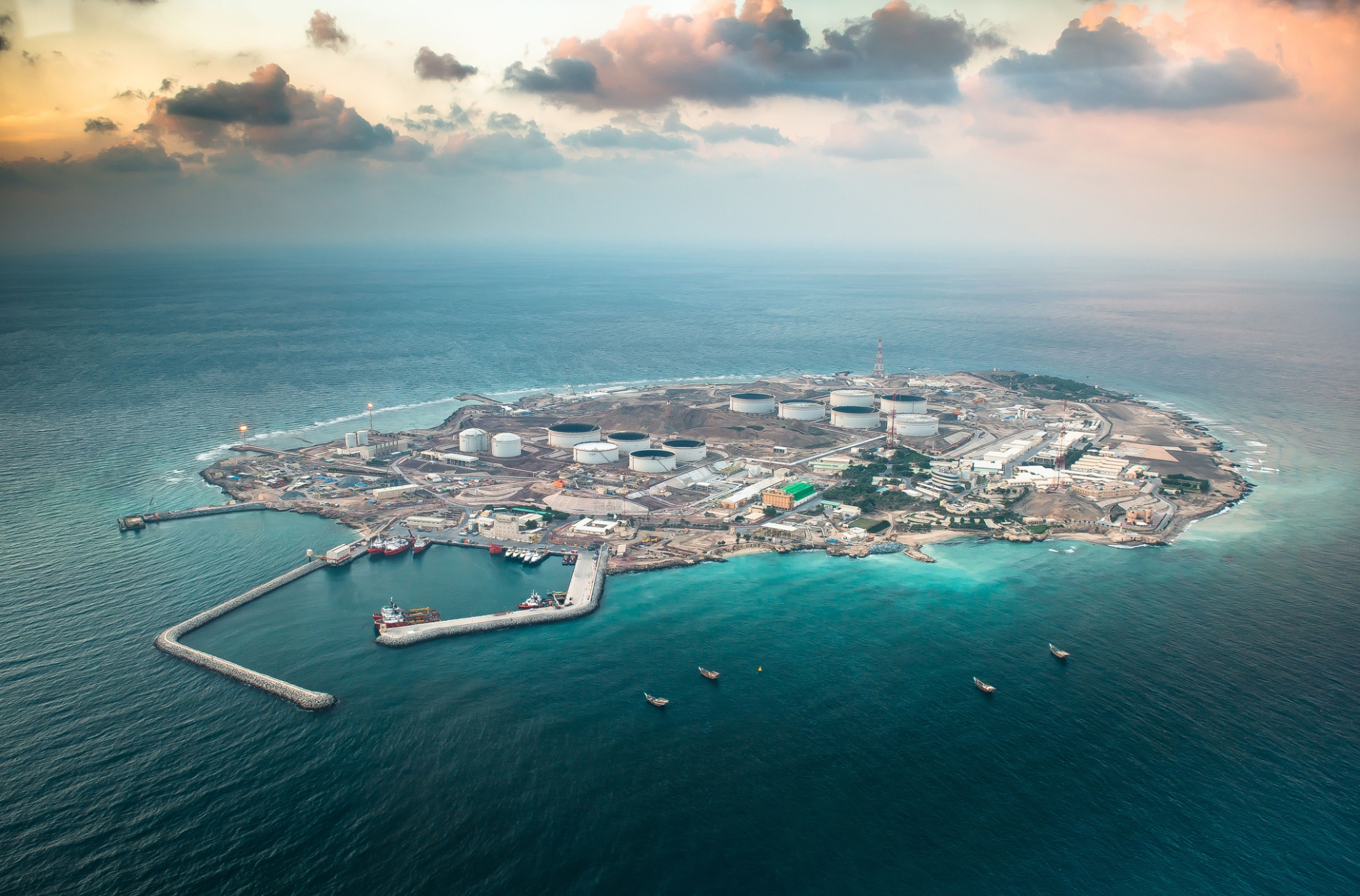
Shutterstock
Aerial view of the gas storage terminal on Halul Island, Qatar, 80 km northeast of Doha, Qatar.

The situation in the Gulf has created openings for other states. LNG exporters in Australia, Russia, Malaysia and Nigeria are now likely to adjust ​delivery schedules and locations given the price rises in Asia and Europe. Algeria could also gain, although it continues to sell most of its natural gas under long‑term, multi-year supply contracts with European consumers, rather than on the spot market.

Infrastructure in place

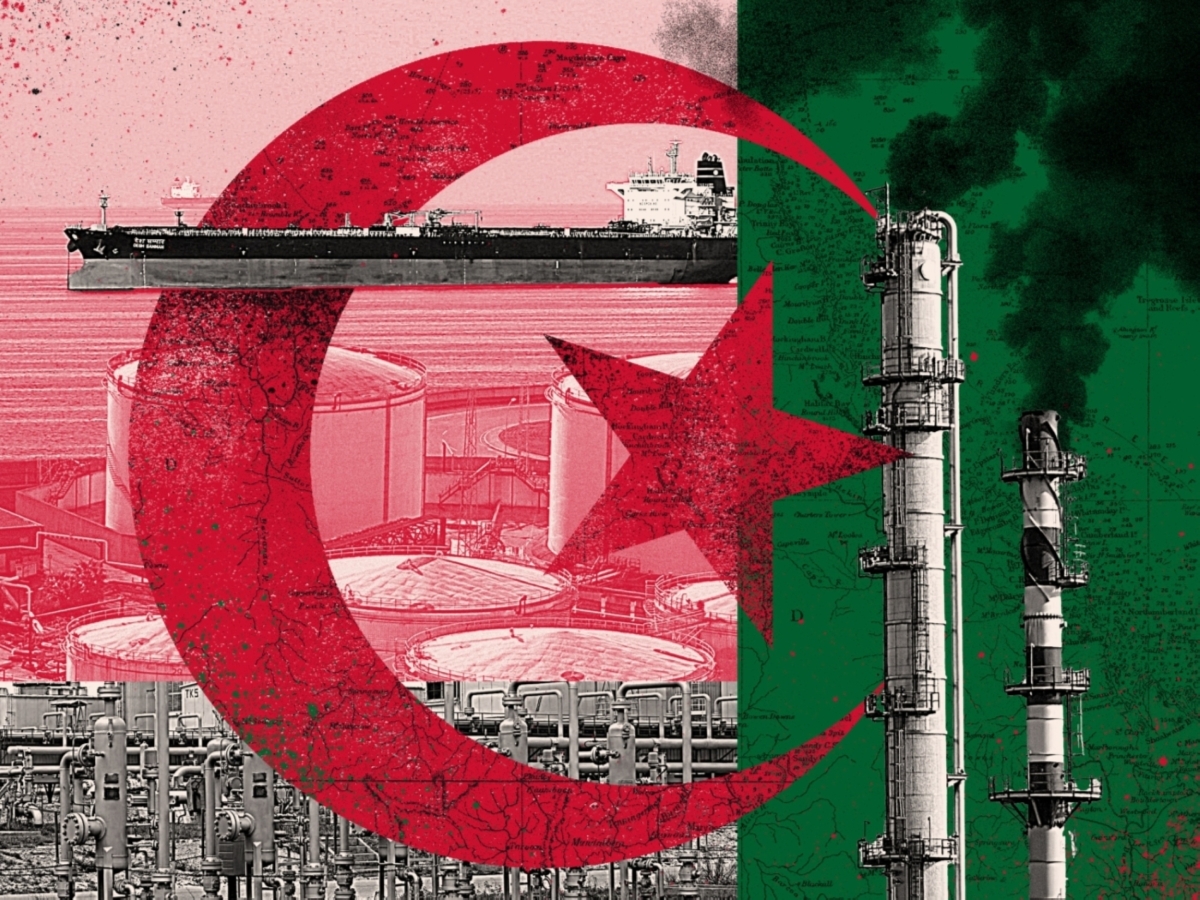
Algeria has become one of the world’s largest gas exporters, and the third-largest supplier to the European market. According to recent data, Algerian gas production was 101.84 billion cubic metres, down from 104.49 billion cubic metres in 2024. It is the biggest gas producer in Africa, with oil reserves of around 12.2 billion barrels and gas reserves reaching 4.5 trillion cubic metres.
This is far more than a passing crisis or a fleeting headline; it is proof that we are facing a radical shift in the balance of global energy markets

Economist Shin Khatir

Its production capacity is spread across four principal facilities. The biggest and most productive are in the north-west, on the Mediterranean coast, with a further production unit in the north-east. A transport network extending more than 11,700km is operated by the state-owned energy firm Sonatrach. Its export capabilities are evidenced most notably through two gas pipelines: TransMed pipeline (to Italy) and Medgaz (to Spain).

Algerian energy expert Belmekki Mohamed El Mekki told Al Majalla that Algeria is likely to move towards supplying Egypt with LNG shipments, as at the outset of Israel's on the Gaza Strip, when the Israeli pipeline carrying gas to Egypt was disrupted. Sonatrach is now expected to increase its LNG volumes, according to its production capacity. There is also talk of supplying Kuwait, Jordan, and Bahrain if needed. Egypt remains heavily dependent on Israeli gas, which accounts for up to 20% of its needs. Israel also supplies gas to Jordan, where it powers electricity generation plants.

Shin Khatir at the Institute of Economic and Commercial Sciences at the University Centre in Illizi, Algeria, said this was a turning point. "This is far more than a passing crisis or a fleeting headline; it is proof that we are facing a radical shift in the balance of global energy markets," said Khatir. "Consumer states are entering a phase in which they will search for new suppliers outside the Gulf. Algeria is emerging as a safe haven in global energy markets that have entered a dark tunnel of uncertainty."

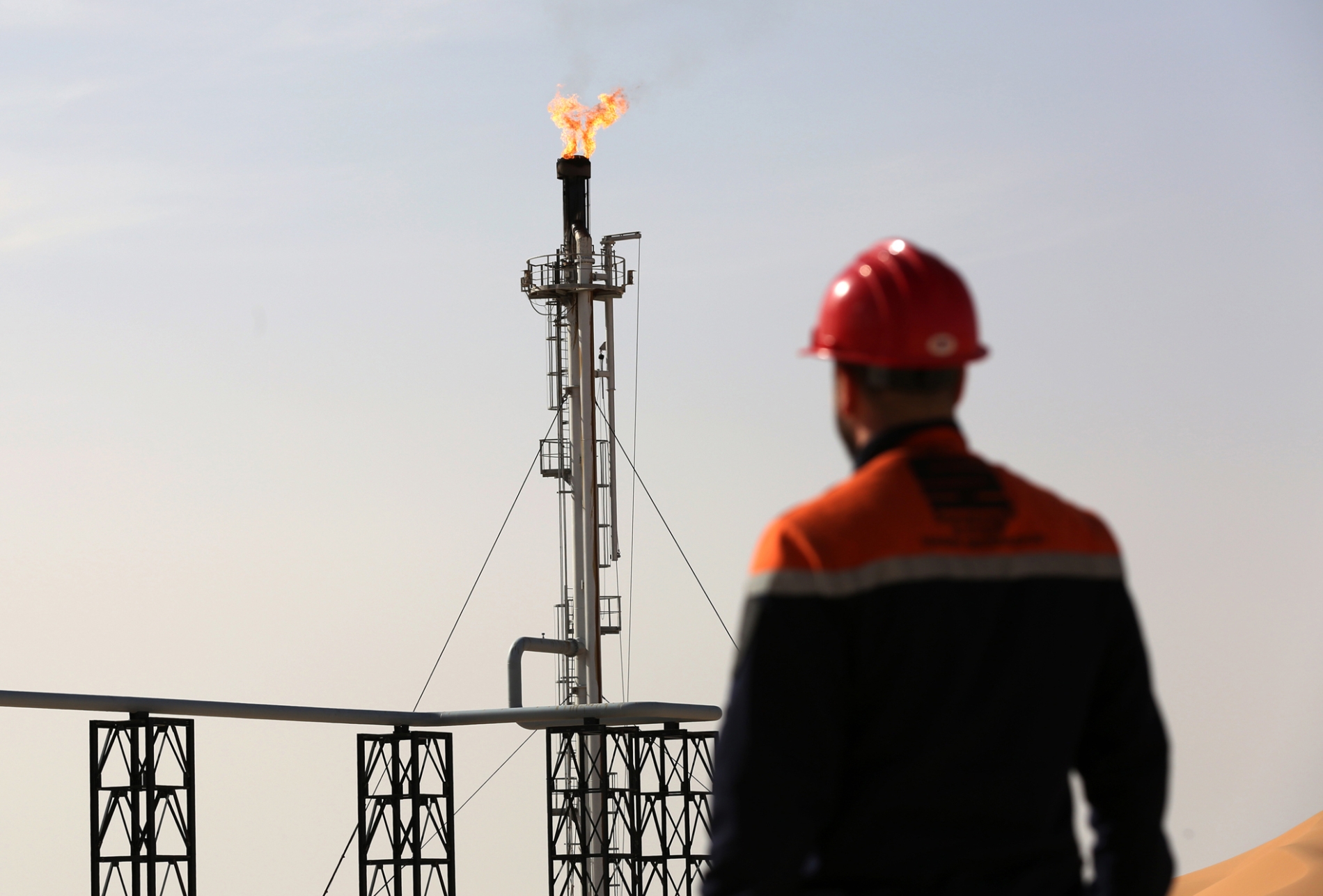
AFP
A Sonatrach facility in Algeria which produces 60,000 barrels of crude oil/day and nearly 2 million m3 of natural gas.

Supply and demand

The key question now is whether sale prices for European partners will be revised if more Algerian gas is required through the pipelines, or whether the prices stipulated in long-term contracts will remain in force. Khatir does not rule out "the possibility that Europeans will enter negotiations with Sonatrach to secure additional quantities of gas beyond those agreed in existing contracts, and on the basis of current international market prices rather than those set out in long-term agreements".

He said: "Clients are willing to buy gas at higher prices for three reasons: the loss of more than a quarter of global LNG supply from production facilities in Doha; the paralysis affecting tanker traffic through the Strait of Hormuz; and Russia's threat to halt gas supplies to Europe, linking that possibility to the European Union's effort to ban purchases of Russian gas, including LNG."

Khatir felt that Algeria would seek to benefit from prices linked to the spot market, while using LNG to meet urgent demand from Arab states searching for reliable suppliers. Suad Rehab, head of the Algerian Federation for Economic Development and Joint Cooperation, likewise identified Algeria as a reliable alternative for offsetting any disruption to LNG supplies from the Gulf region.

Such a development may entrench Algeria's position, given Europe's need for energy security. According to Rehab, Algeria will be among the countries directly affected by these developments, both positively and negatively. Between the gains generated by higher energy prices, and the risks of imported inflation and disruption to international trade, Algeria is weighing its options delicately.

font change