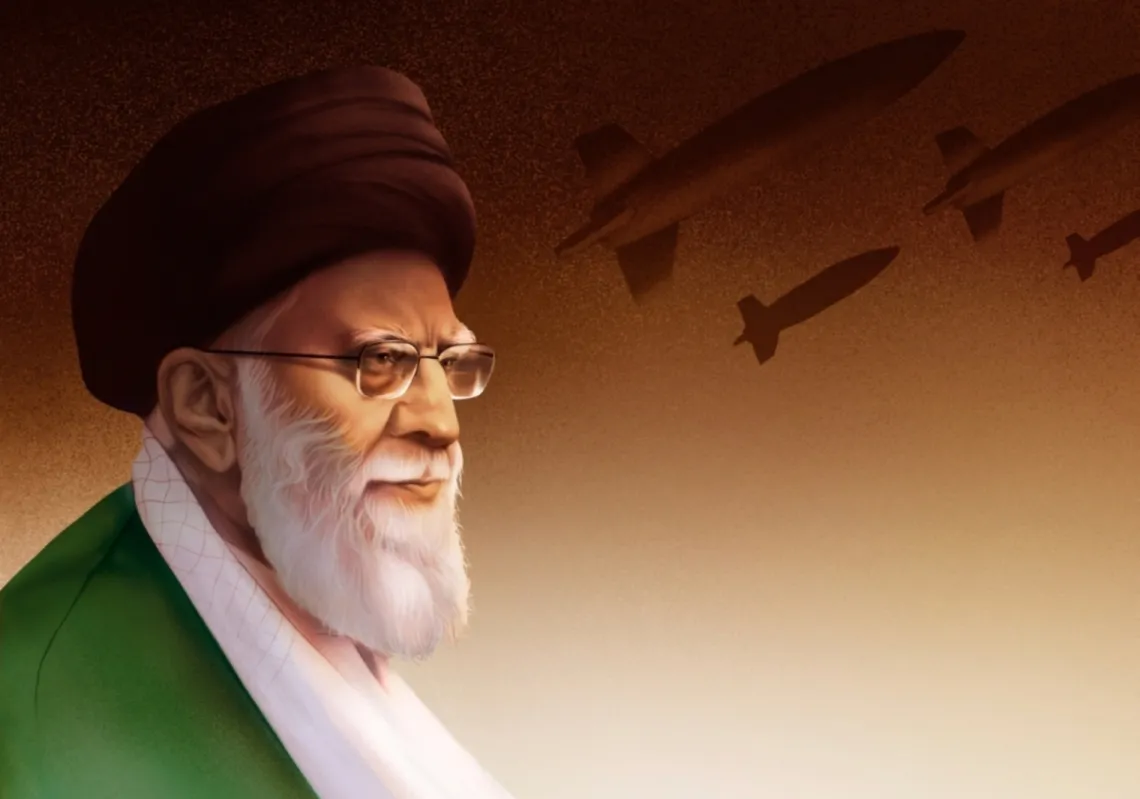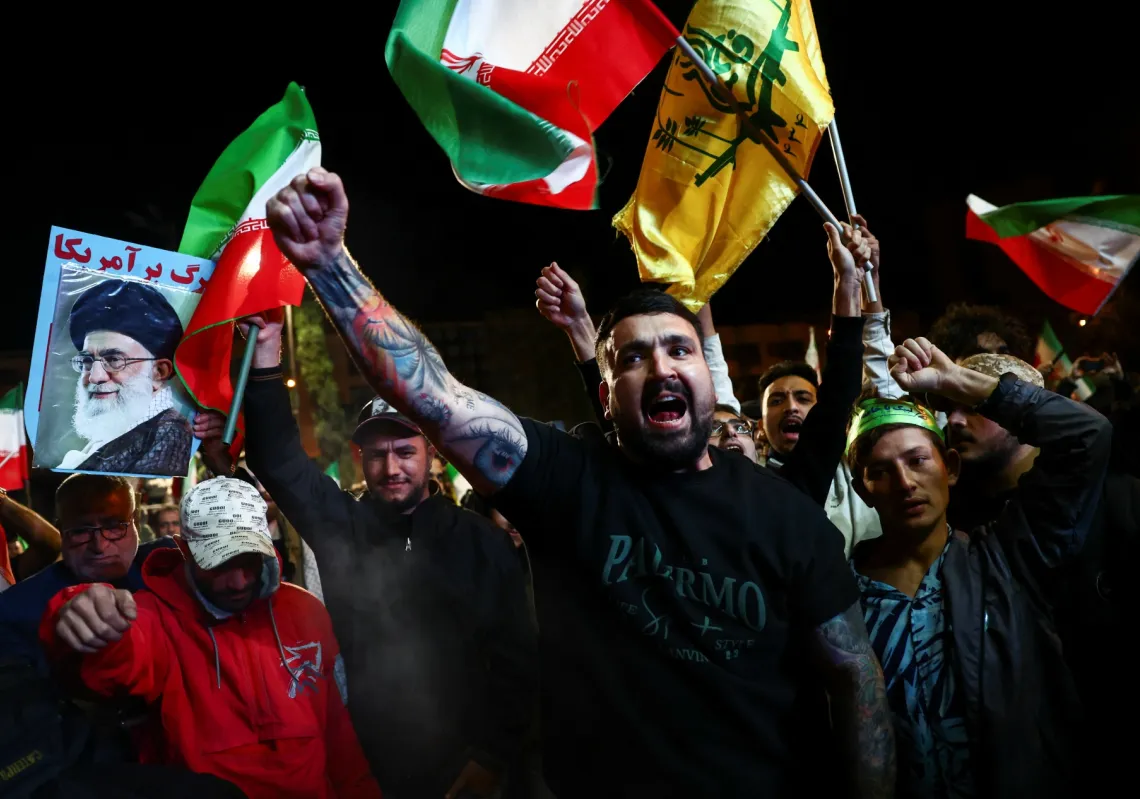

The assassination of Iran’s Supreme Leader Ayatollah Ali Khamenei sent political shockwaves across South Asia, with reaction in Pakistan particularly pronounced. Within hours of the news, protests erupted from Lahore and the port city of Karachi to the mountainous region of Skardu, among other places. The scale and intensity of the protests showed how events in Iran reverberate far beyond the Middle East.
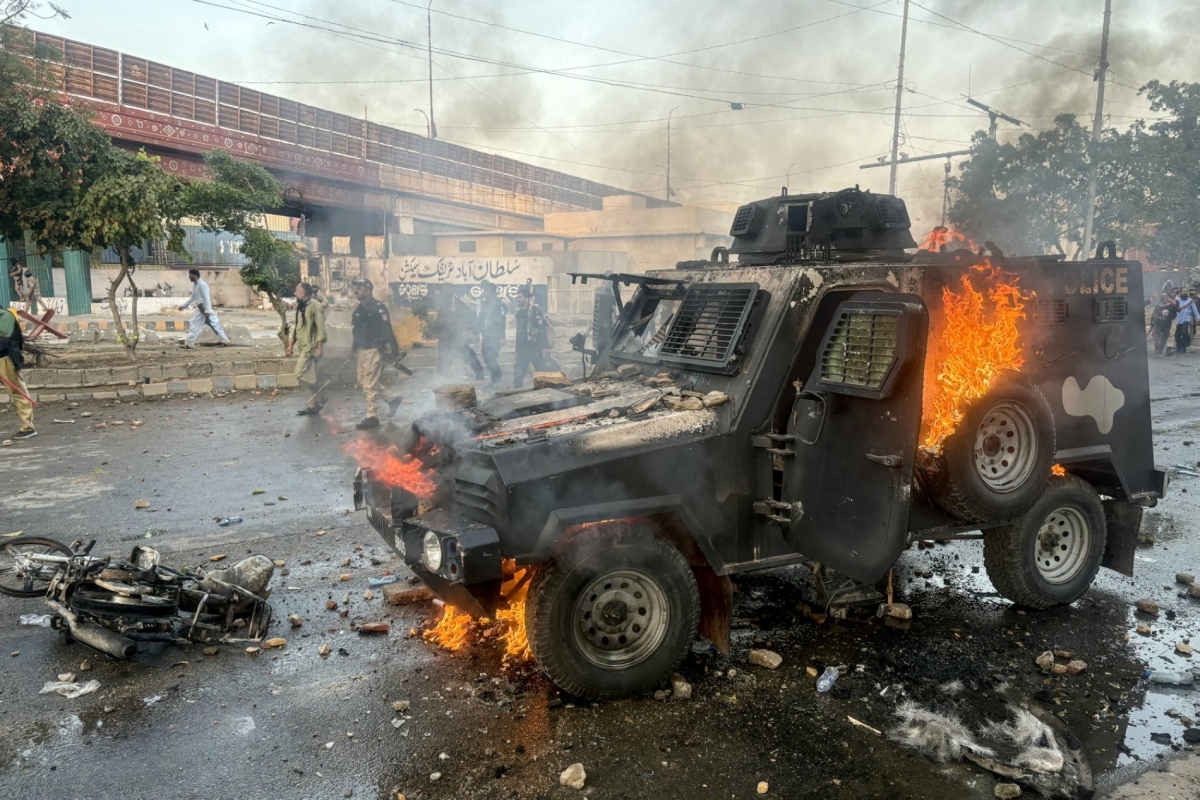
Karachi—Pakistan’s financial capital and home to key foreign missions—became the focal point of unrest. Protesters converged near the US Consulate, chanting anti-Western slogans and pushing toward restricted diplomatic zones. This escalated into violent clashes with police. Nine protesters were killed, and several were injured.
In Skardu, tens of thousands of demonstrators filled streets, blocked roads, and set fire to a United Nations office. It led federal authorities to impose a curfew across Skardu and parts of the Gilgit-Baltistan region to restore order, one of the strongest administrative responses of recent years. Officials said this was necessary to prevent unrest from spreading into sensitive mountainous districts where local law enforcement could more easily be overwhelmed.
The protests in Gilgit-Baltistan carried both religious symbolism and political messaging, illustrating how transnational narratives linked to Iran resonate deeply within communities geographically distant from Pakistan’s political centres. For Islamabad, unrest in peripheral regions presents a complex security challenge, one of logistical constraints, sectarian sensitivities, and proximity to strategic borders, all of which elevate the risks far beyond that of local disturbances.
In the capital itself, Shiite religious leaders called for demonstrations outside the US Embassy in the heavily fortified Red Zone. Security was significantly tightened, with checkpoints reinforced and rapid-response units on standby. The US State Department said it was closely monitoring the situation and advised American nationals in Pakistan to “monitor local news and observe good personal security practices, including being aware of your surroundings, avoiding large crowds, and ensuring your registration is up-to-date”.
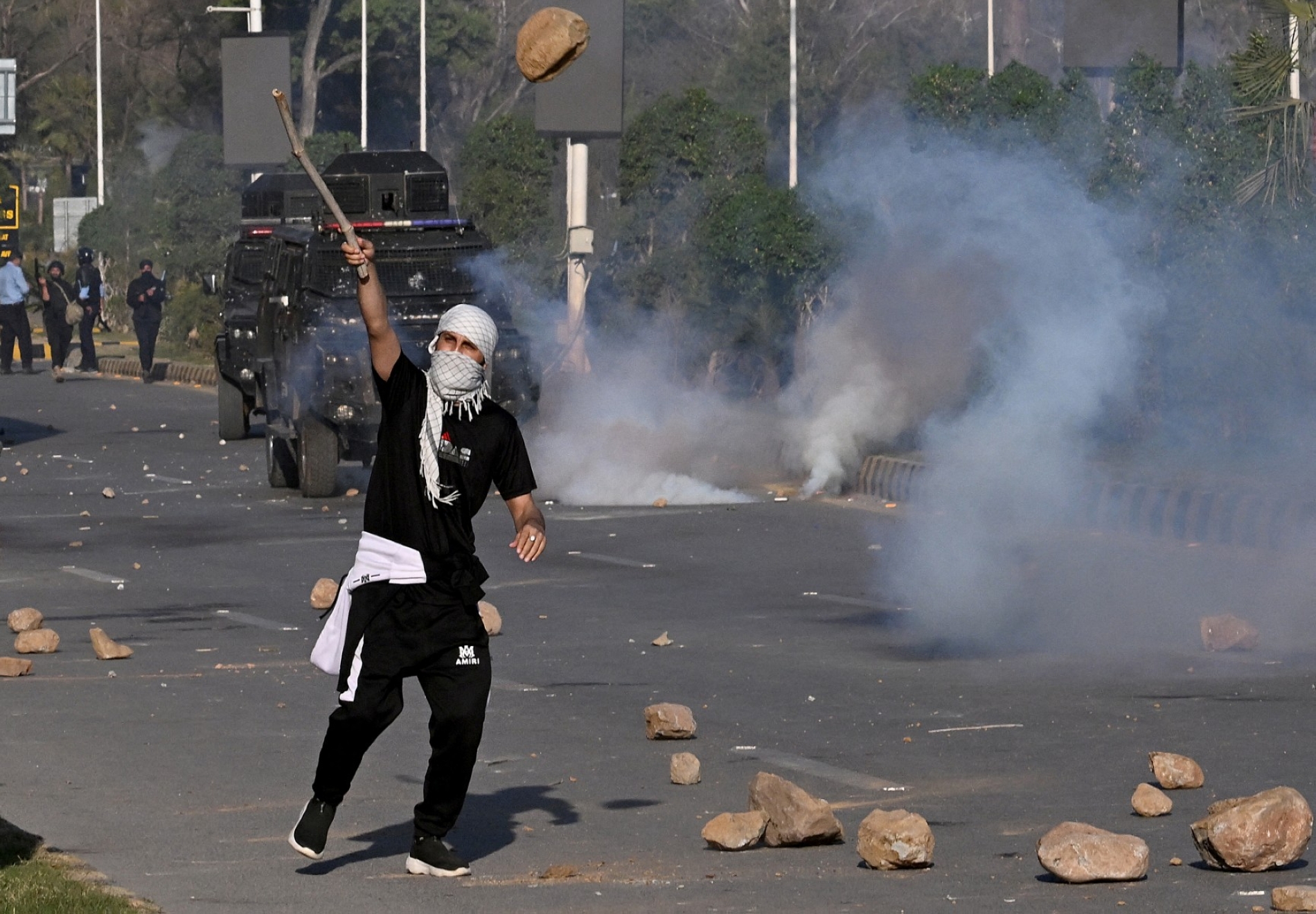
Pakistan’s security establishment is already stretched. Along the country’s border with Afghanistan, its forces are operating under wartime conditions, with militant violence and cross-border tensions diverting attention and resources. This overlapping crisis has complicated the government’s response. Authorities have warned that violent protests targeting diplomatic missions risk aiding anti-state actors seeking to exploit instability, framing the unrest as a national security threat.
A key barometer
Public sentiment in Pakistan often mirrors wider reactions across the Muslim world, but its size, strategic location, and nuclear status amplify global consequences. For policymakers, the situation shows how Pakistan increasingly functions as a barometer of how Middle Eastern crises resonate beyond their immediate geography.