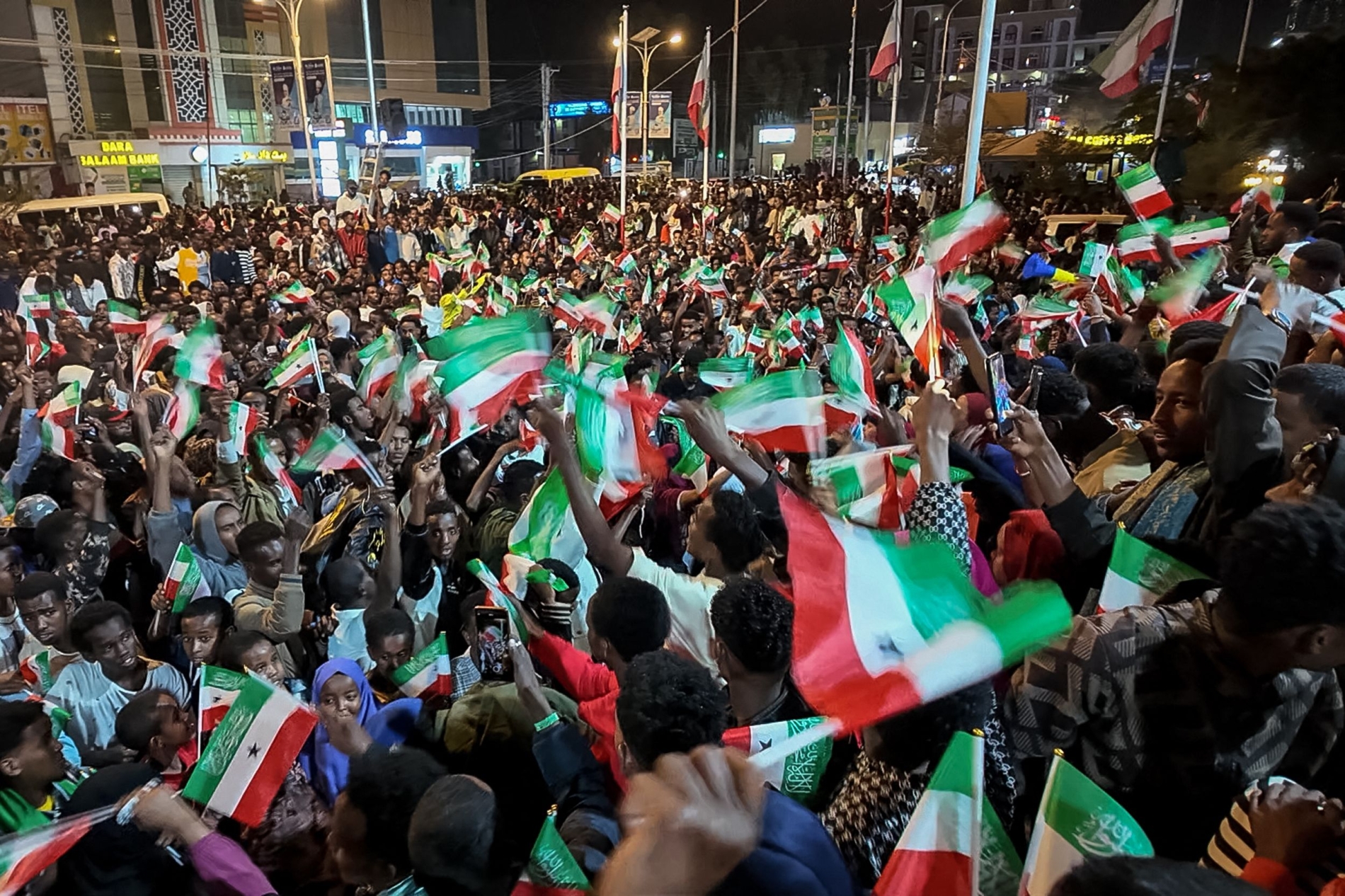

Ethiopia’s push for Red Sea access will have consequences that reach far beyond the Horn of Africa, not least because littoral states are staunchly opposed to Addis Ababa gaining a sovereign foothold on this crucial trade artery.
With 132 million people, landlocked Ethiopia is Africa’s second-most populous nation. It shares a border with Sudan in the west, Somalia and Djibouti in the east, Eritrea in the north, and Kenya in the south. The country, which has long sought access to the high seas, covers 1,112,000 square kilometres, which is five times the size of the UK, so it is no minnow.
Ethiopian Prime Minister Abiy Ahmed has been escalating his rhetoric on Red Sea access for several months, most recently at the 39th African Union Summit in Addis Ababa on 14 February, where he linked this maritime access to stability in the Horn of Africa. Three days later, he reiterated Ethiopia’s desire for a Red Sea presence while meeting Turkish President Recep Tayyip Erdoğan.
Ethiopians say their country’s landlocked geography robs it of economic opportunities and hampers its development. Yet it can already access Red Sea ports. What Ahmed wants is sovereign access. This would mean redrawing the regional map and violating the territorial integrity of neighbours.
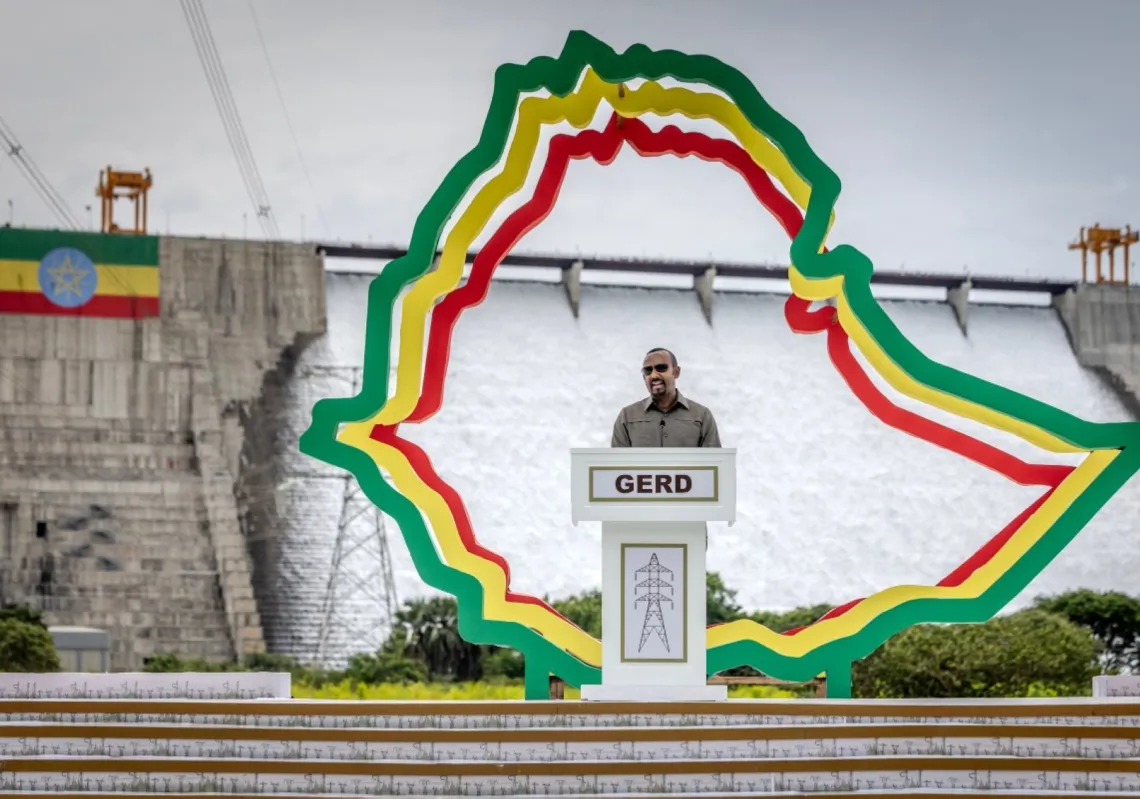
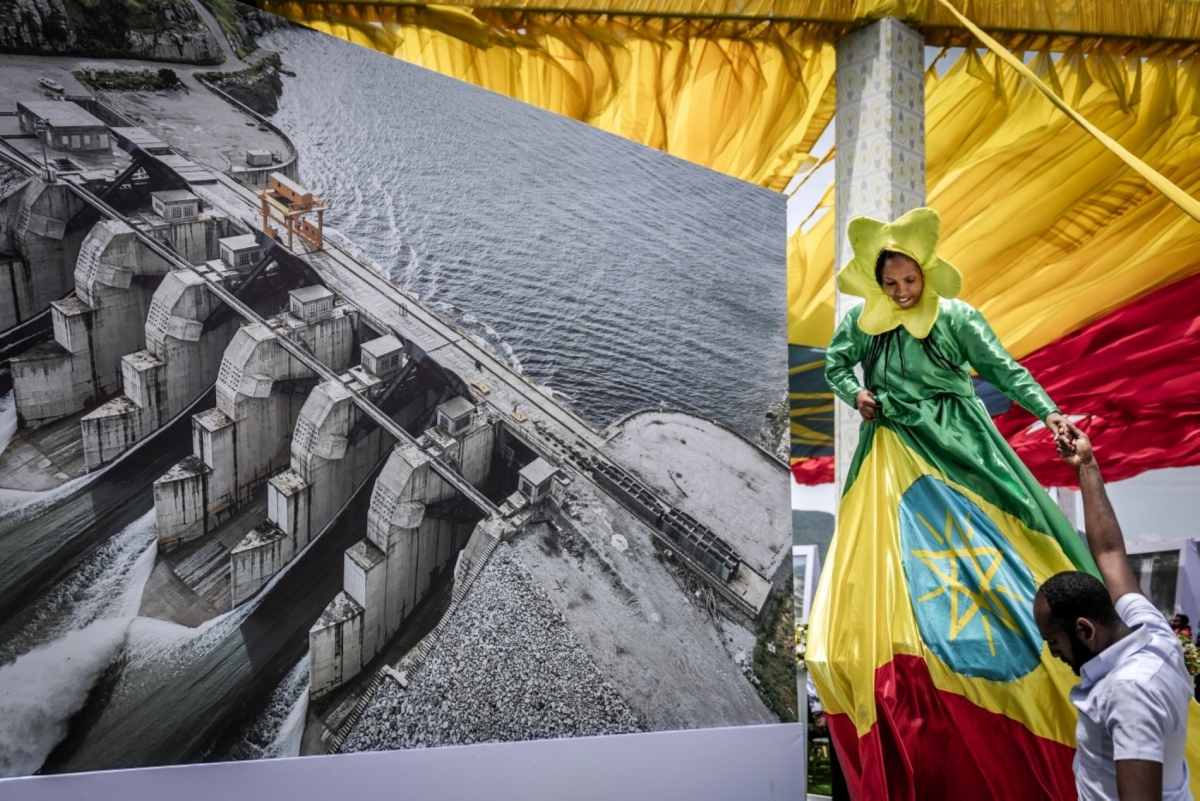
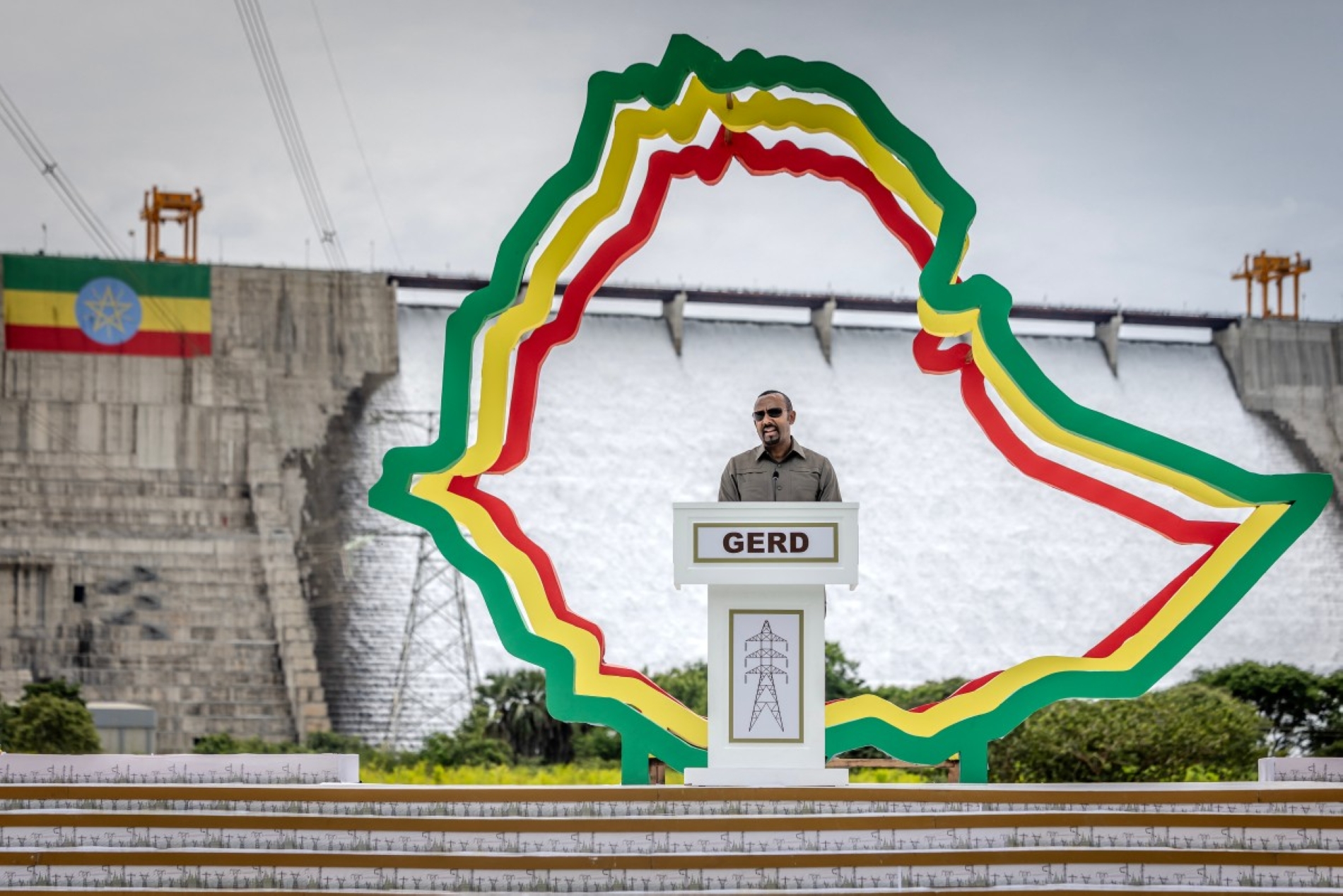
Egypt’s leaders think this is a recipe for conflict in an area already simmering with historical grievances. Yet this is just one of several differences between Cairo and Addis Ababa. Freshwater is another sore point. Addis Ababa has just built the Grand Ethiopian Renaissance Dam (GERD) on the Blue Nile, the main tributary of the Nile River. Egypt relies on freshwater from the Nile, almost 85% of which originates in Ethiopia.
Ethiopia believes that the river’s waters are a non-negotiable sovereign resource that can double its electricity supply, but were it ever to turn off the taps, such as in drought conditions, it could quickly turn Egypt into a barren desert. Cairo spent years negotiating a contract to secure its annual Nile River water share, but the talks came to nothing. Now, 110 million Egyptians are at Ethiopia’s mercy.
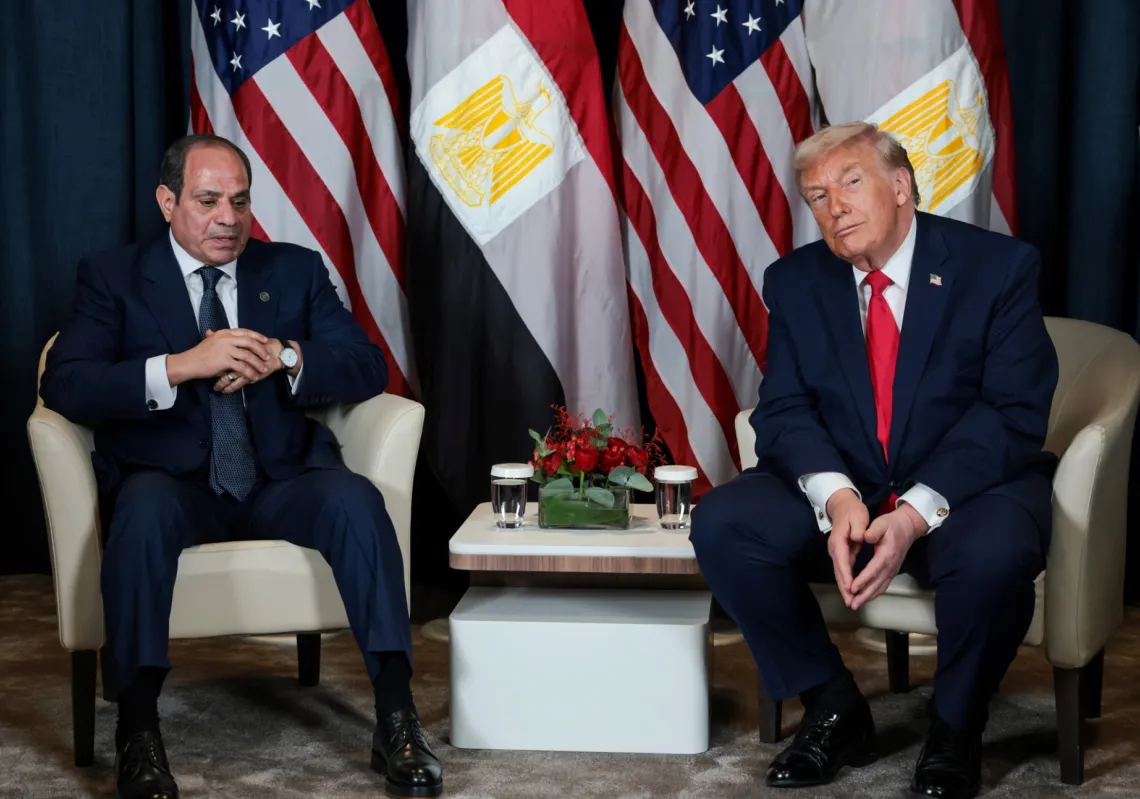
The African Union, the European Union, the World Bank, and the United Nations all sought to mediate between Egypt and Ethiopia, to no avail. Sudan (which, like Egypt, is also threatened by the dam) was also involved. In January 2026, US President Donald Trump also offered to help “resolve the question of Nile water sharing once and for all”.
Read more: Trump's Nile mediation offer raises eyebrows in Egypt
Whether he succeeds or not, Egypt will not forget Ethiopia’s desire to halt the flow of the waters, its wellspring of life. Cairo believes Addis Ababa’s push towards the sea, in an area that is crucial to the Egyptian economy, has sinister intentions.