From Truman's bomb to Trump's hammer

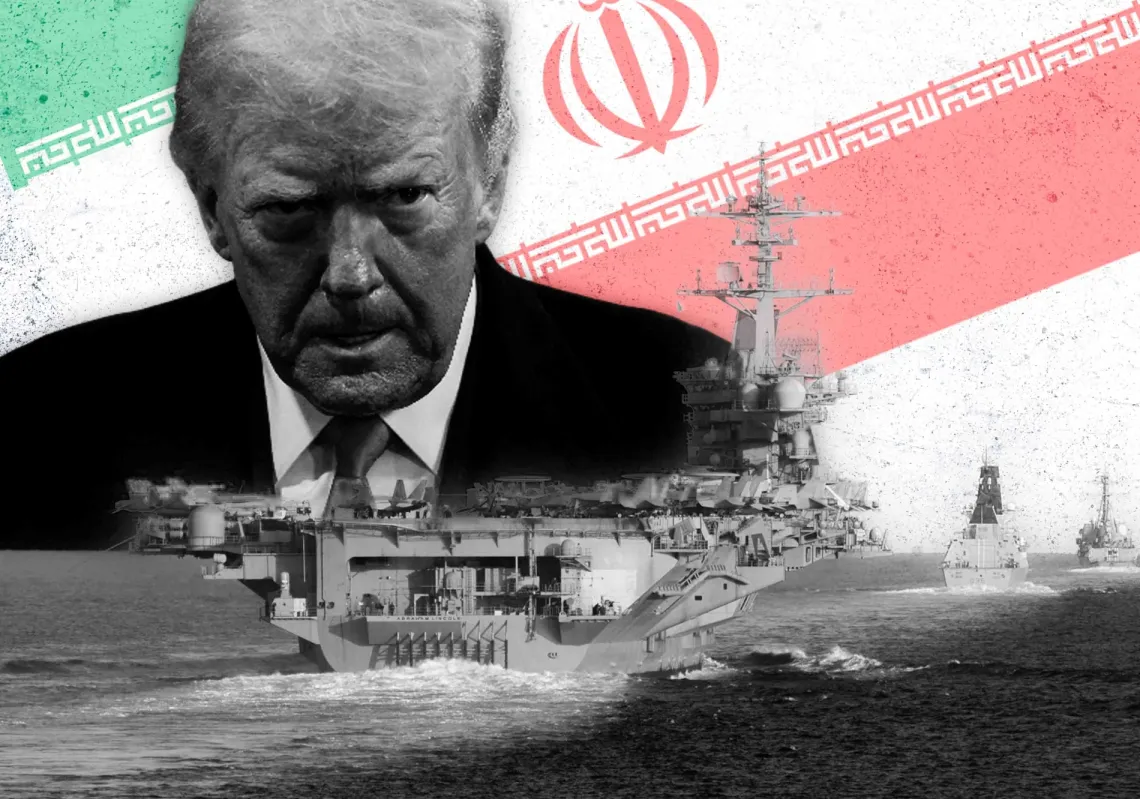
Trump seems to be ending America's longstanding role as crisis manager, preferring to use decisive force to change realities on the ground before negotiating

AFP / Reuters / Al Majalla

From Truman's bomb to Trump's hammer

The American presidency can often be a struggle between the state’s bureaucratic institutions and the president’s individual vision, as the role-holder seeks to leave their mark on political history. More than a clash of viewpoints, this is a struggle between legal rational authority, grounded in precise institutional calculations of cost and benefit, and charismatic authority, which tends to break with established patterns and reshape reality by taking risks.

Under the current US President Donald Trump, the balance appears to have tilted decisively towards the latter. Washington’s ingrained strategic caution, which has shaped decades of foreign policy, has given way to Trump’s penchant for pre-emptive, shocking action, quickly redefining the United States’ national interest and its limits.

This change is not solely down to the current White House occupant. Rather, it reflects a structural reversal in how intelligence and operational risks are assessed, and in their tolerance thresholds. Previous administrations were more risk-averse, fearing the consequences of failure on a president’s political future and the standing of the state. Trump’s administration, by contrast, is ready to gamble, using shock as a primary instrument for breaking geopolitical deadlock.

It is important to unpack that doctrinal shift, comparing recent successes to past approaches that typically constrained presidents. It is also crucial to understand how this is reshaping the meaning of national interest and what effects it is having on the global balance of power.

Kennedy and Carter

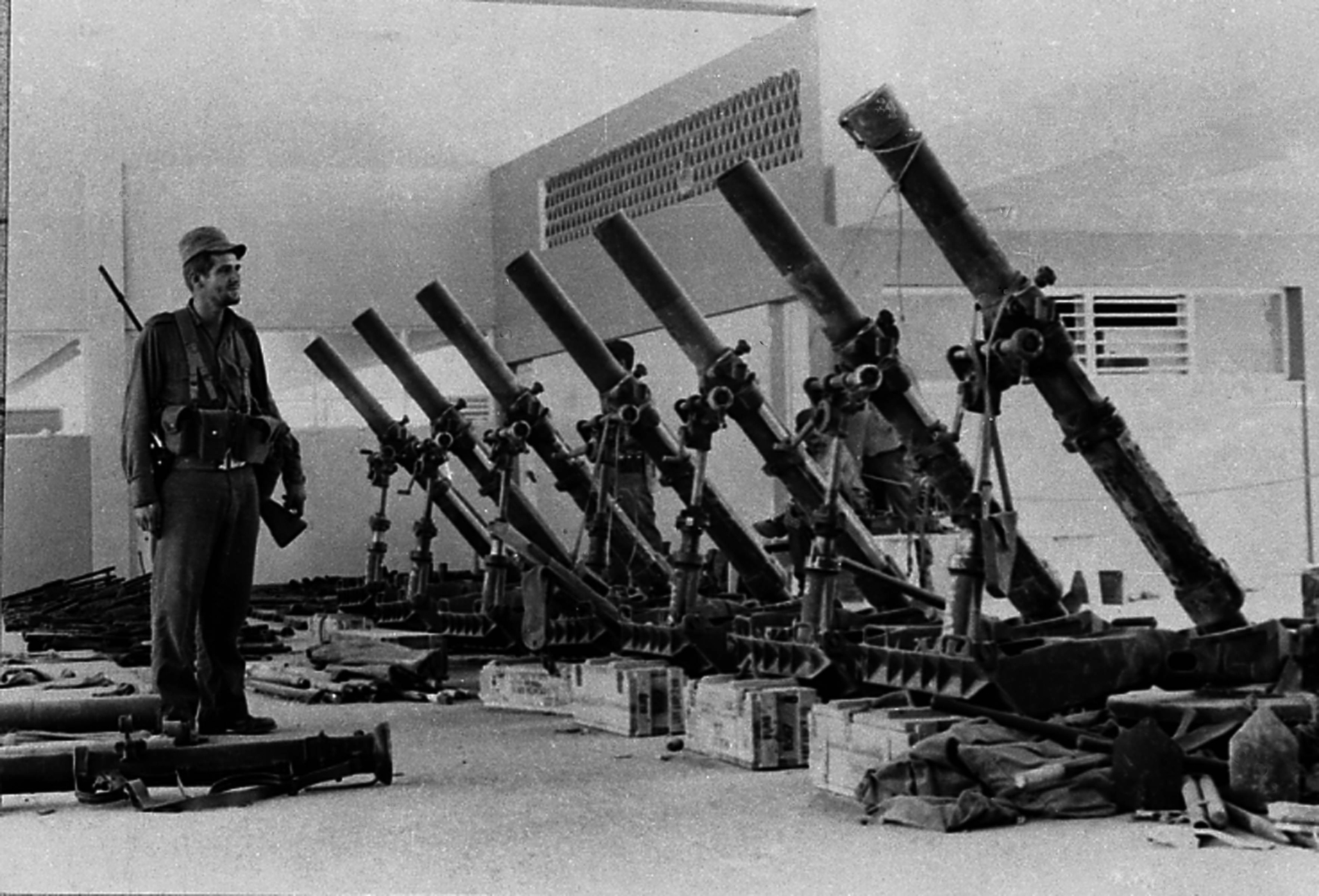
The history of major 20th-century American intelligence operations is of harsh lessons that would shape the thinking in Washington for decades to come, with losses leaving a deep and indelible mark. In 1961, President John F. Kennedy inherited an intelligence plan drafted by his predecessor, Dwight D. Eisenhower, to invade Cuba. Due to land at the Bay of Pigs, the operation was a humiliating failure.

That failure was not merely a battlefield setback. It dealt a direct blow to the prestige of the American presidency at the height of the Cold War. Intelligence miscalculations showed Kennedy as weak. Two years later, it encouraged the Soviets to test Washington’s limits by placing nuclear weapons on the island. The subsequent standoff, which became known as the Cuban Missile Crisis, brought the world to the brink of nuclear war.

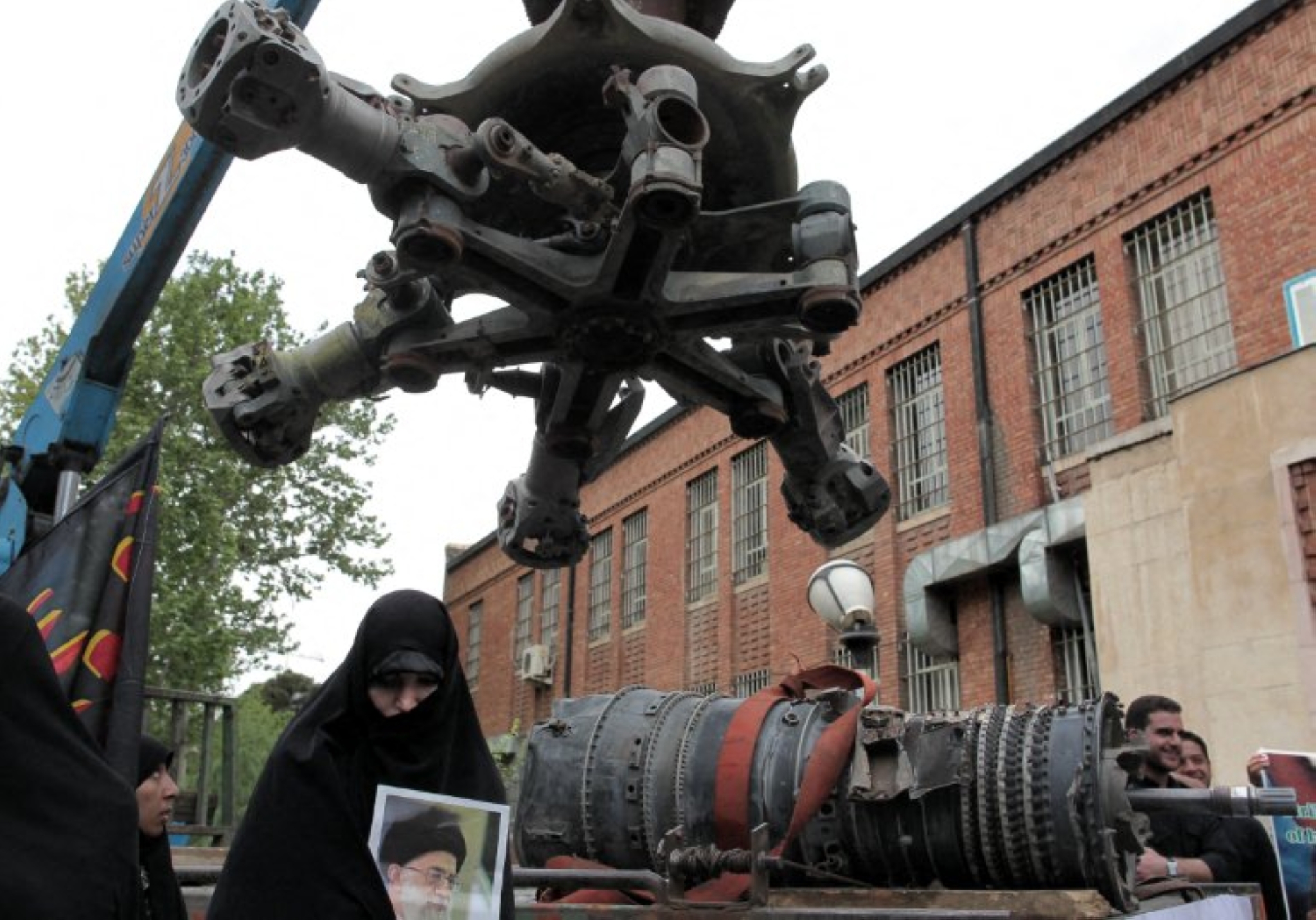
Another dramatic scene played out during Jimmy Carter’s presidency in 1980. Operation Eagle Claw was an attempt to rescue 53 American hostages from the US embassy in Tehran, shortly after the Islamic Revolution in Iran. Eight military helicopters were sent to a desert staging area near Tabas, but only five made it. One had hydraulic problems, one had a cracked rotor blade, and another got caught in a sandstorm, so the mission was aborted, but as the US forces prepared to withdraw, one of the remaining helicopters crashed into a transport aircraft that contained both soldiers and jet fuel, sparking a huge fire. Both aircraft were destroyed, and eight servicemen were killed.
BEHROUZ MEHRI / AFP
An Iranian woman stands under parts of US helicopters that crashed in operation "Eagle Claw" during a gathering outside the former US embassy to mark the 31st anniversary of the failed operation in Tehran on 25 April 2011.

Images of the wreckage strewn across the desert were beamed out worldwide. The operation’s failure was due, in part, to the military and bureaucratic establishment’s inability to adapt to changing conditions on the ground. Images of the twisted fire damage became emblems of a failure in leadership. Carter was new seen as a weak president unable to protect American citizens. It led to a crushing election defeat for Ronald Reagan.

These historical incidents produced what might be called an intelligence failure complex, pushing later presidents to favour convoluted diplomatic solutions over bold field operations. With that in mind, Trump’s decision last month to authorise a daring mission to abduct Venezuelan President Nicolas Maduro from a military compound in Caracas broke the mould.
The loss of American lives could easily have cast a long, dark shadow over Trump's political fate of the kind that haunted Kennedy and Carter

Calculated risks

Failure would have been no less catastrophic for Trump and the United States than the failures at the Bay of Pigs or during Operation Eagle Claw. The loss of American lives could easily have cast a long, dark shadow over Trump's political fate of the kind that haunted Kennedy and Carter. Yet its success vindicated the precision of modern intelligence, resulting in a swift, surgical strike that turned a gamble into a strategic achievement, reshaping the balance of power in Latin America.

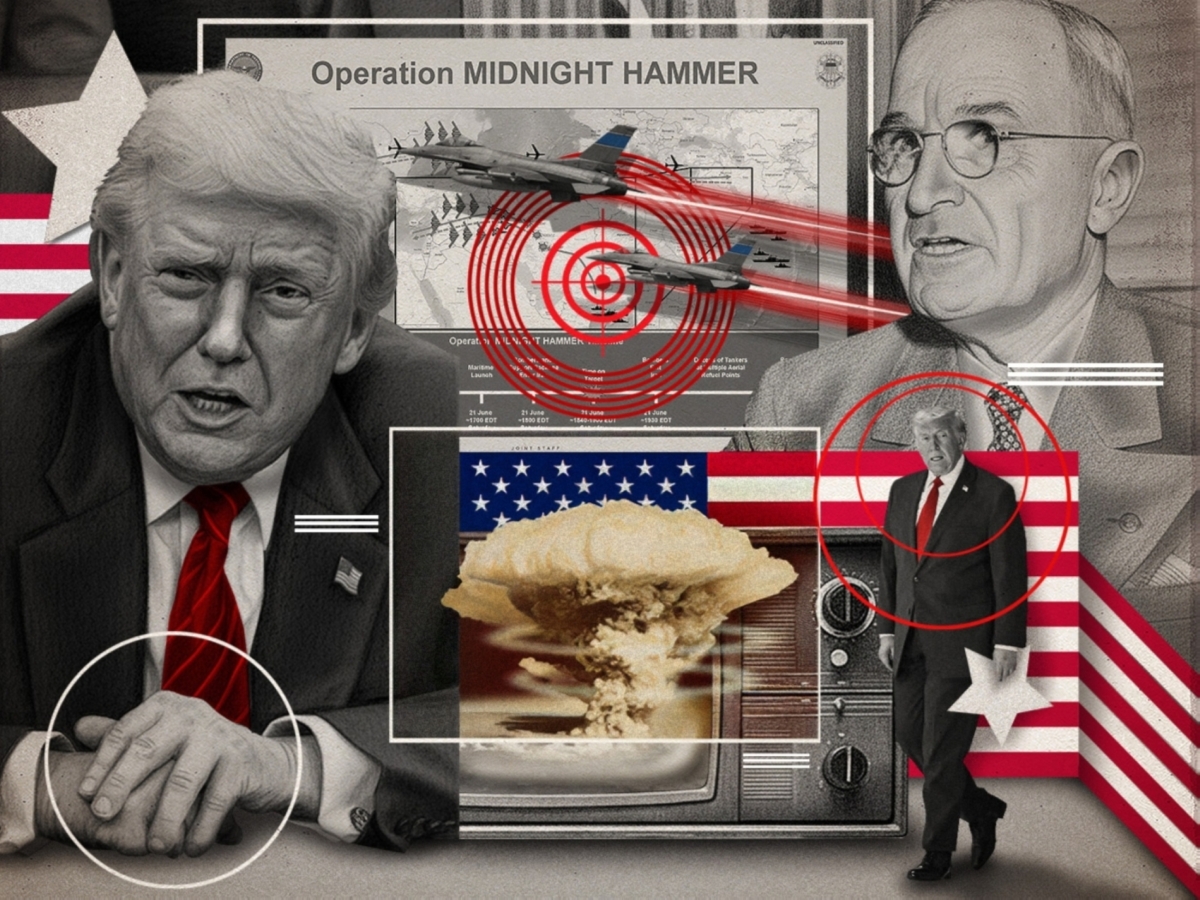
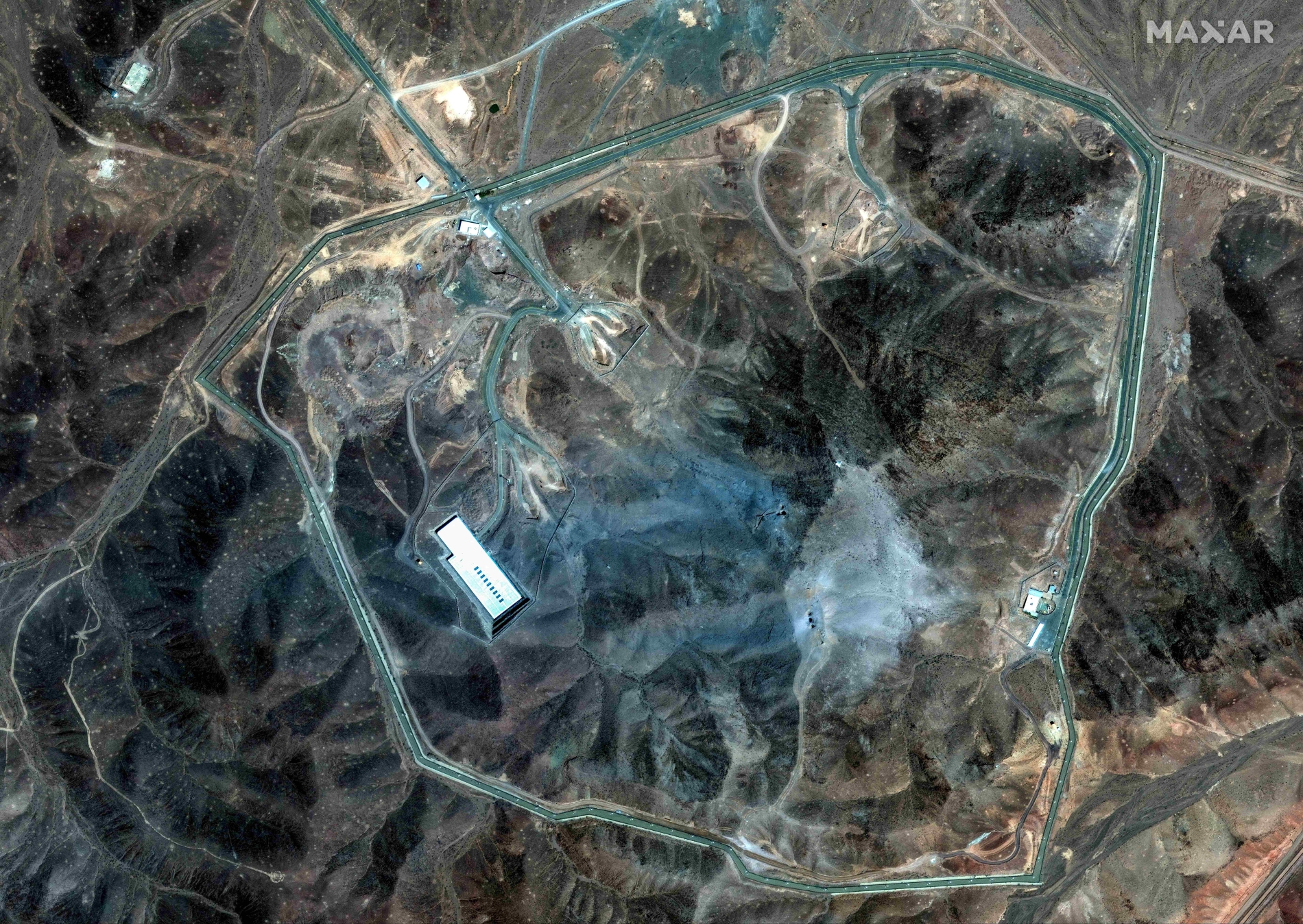
Comparisons between the 1962 Cuban Missile Crisis were made not just after Venezuela in January 2026 but also after American involvement in Operation Midnight Hammer, launched to degrade Iran's nuclear programme in June 2025. After Israeli attacks disabled Iranian air defence systems, a combination of US Tomahawk missiles and American B-2 Spirit stealth bombers unleashed 14 "bunker-busting" bombs on three Iranian nuclear sites: Fordow, Isfahan, and Natanz.

 Maxar Aerial Imagery via Reuters
An aerial photo of the Fordow complex taken after it was bombed by US aircraft.

Under Kennedy, the administration walked a tightrope, managing the standoff with its nuclear rival through a carefully calibrated containment policy designed to prevent a slide into all-out confrontation. The aim was a settlement that allowed both sides to save face while safeguarding national security without resorting to direct conflict. This was reflected in the reciprocal missile withdrawal deal, the Soviets pulling their nuclear weapons out of Cuba while the Americans pulled their atomic warheads out of Europe.

Trump's approach embodies a different political philosophy, rooted in preventive decisiveness rather than crisis management. Under Trump, Washington no longer pursues gradual containment or fragile monitoring arrangements, but rather strikes the threat at its roots by crippling the adversary's high-value capabilities. This is a qualitative leap in military doctrine and recalls former US President Harry Truman's approach when he used nuclear weapons against Japan.

Penchant for risk-taking

Trump's high-risk ventures can be likened to Truman's defensive risk-taking. Both sought to end prolonged and costly wars of attrition through a single, shocking act that imposed a new reality and made reversal difficult. Truman's use of nuclear weapons over Nagasaki and Hiroshima brought a devastating world war to an end, saving hundreds of thousands of American lives by avoiding a ground invasion of Japan.

Trump's bombing of Iran has imposed a new strategic reality, one designed to neutralise Iran's nuclear threat that was built up over decades. In each case, the president pushed past political and institutional restraints in the name of a supreme national interest that he felt could not be further delayed.

The crucial difference lies in context and end state. Whereas Truman acted in a declared, total war that concluded with unconditional surrender, Trump operates in a grey-zone of conflict, seeking to impose strategic paralysis and change the rules of the game without a formal capitulation. In that space, the margin for error is smaller, and the accuracy of intelligence is paramount, as is the ability to contain any escalation.

Joe KLAMAR/AFP
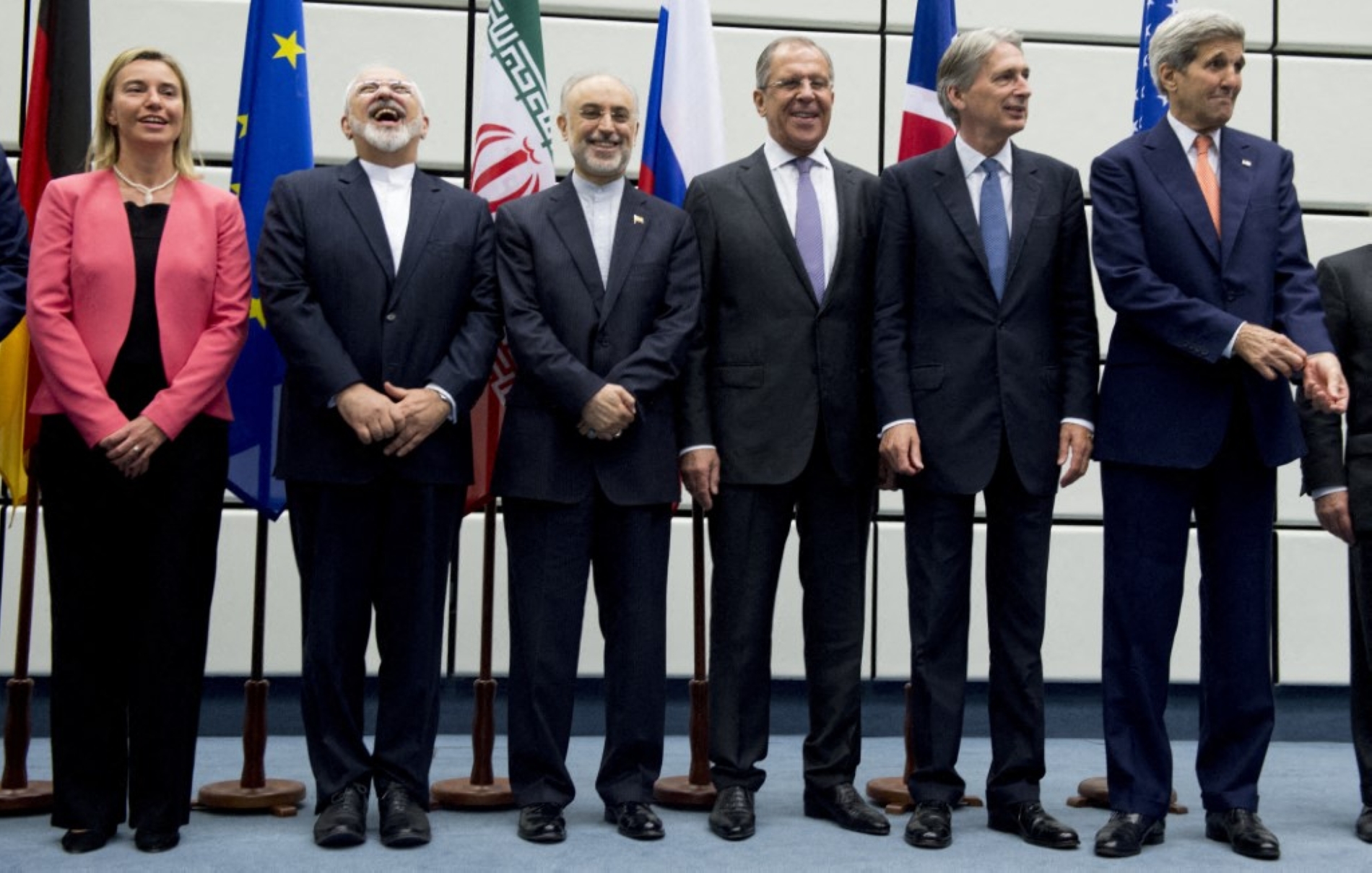
Foreign ministers of Iran, the US, the UK, the EU, and Russia pose for a group picture in Vienna, Austria, on July 14, 2015, after reaching the JCPOA nuclear deal that capped more than a decade of on-and-off negotiations.

Trump's Iran actions, which include his current buildup of naval power in nearby waters, contrast sharply with the approach taken by his predecessor, President Barack Obama, whose willingness to negotiate using economic leverage led to a 2015 nuclear accord, under which Iran agreed to limit its uranium enrichment and open its sites up to inspection in return for sanctions relief. This disparity reveals a gulf in how power is understood in international relations.

On Iran, while Obama felt force was a last resort that should be used to support diplomacy, Trump thinks force can be used earlier, even without any diplomatic track, to impose a new reality that neutralises the threat at its source. 

Superiority over management

Trump's methodology returns the United States to Truman's legacy, where decisiveness ends intractable crises, and calculated risk is the price of dominance. It ditches the role of America as a crisis manager, seeking to coordinate shared interests, replacing it with that of a nationalist leader, determined to impose its will by force and to change realities on the ground before negotiating. Temporary stability produced by concessions is no longer the US objective. Rather, the goal is guarantees of lasting superiority.

Today's intelligence calculations extend to estimations of adversaries' behaviour, such as understanding how surgical strikes will affect power structures in hostile capitals. These calculations help the White House calculate the risks of confrontation and its costs, weighed against the cost of inaction and the subsequent loss of control over national security portfolios, not least when it comes to Iran's pursuit of nuclear weapons in the Middle East.

In this way, Trump revives the model of a leader who challenges the state's intelligence and military bureaucracy when he sees them as obstacles to overarching goals. With Kennedy and Carter, the bureaucracy successfully managed the president, setting the limits for his ambition. Both subsequently presided over operational failures.

Reuters
A Cuban armed forces soldier stands next to American-made weapons captured after some 1,500 anti-Castro Cuban allies landed on Playa Girón beach during the Bay of Pigs invasion on Cuba's southern coast in April 1961.

Under Trump, by contrast, decision-making owes much to his risk-inclined personality, compelling US intelligence agencies to provide him with the most precise calculations to support his administration's direction. This style is fundamentally at odds with the previous long-term institutional consensus model. Instead, leadership becomes a strategic vision imposed by the president, who bears full responsibility for it.

Successful...for now

Trump's success in abducting Maduro and crippling Iran's nuclear capabilities with no American losses strengthens the legitimacy of this model in the eyes of the public, which wants to see tangible outcomes. But is it sustainable? Trump's operations remain gambles with risks, however accurate the intelligence may be. Military losses can quickly turn a charismatic hero into a hapless president lacking credibility.

Intelligence and operational success in Venezuela and Iran have sketched the outline of a new era of dominance, built on shocking action and rapid results. This approach, which relies on pre-emptive gambles, is a major challenge for the future of the international system, one in which the safety valves designed to prevent major confrontations can now be all but circumvented.

As Washington redefines American sovereignty and power, the world is watching. The rules of the game have changed, perhaps permanently. Trump's second stint is quickly being characterised—in foreign policy terms at least—by surgical strikes that change the course of history in a matter of hours.

This is the doctrine of decisiveness. Crisis management has given way to crisis resolution, caution is fast becoming synonymous with weakness, while adventure is framed as political brilliance that delivers results. Until now, an operation Trump has ordered has not gone badly wrong. If one does, there could yet be another change of heart.

font change

Related Articles