
On 22 November last year, the confusion among top members of the United States government about Washington’s peace plan to end the war in Ukraine represented the most chaotic implementation of American foreign policy in my 50 years of observing it.
Two days earlier, on 20 November, US President Donald Trump had pressured Ukrainian President Volodymyr Zelensky to accept a 28-point peace plan to end the war that began in 2022, when Russia invaded. Members of Congress—both Democratic and Republican—examined the 28 points and strongly rejected the plan, because it read like a Russian list of demands.
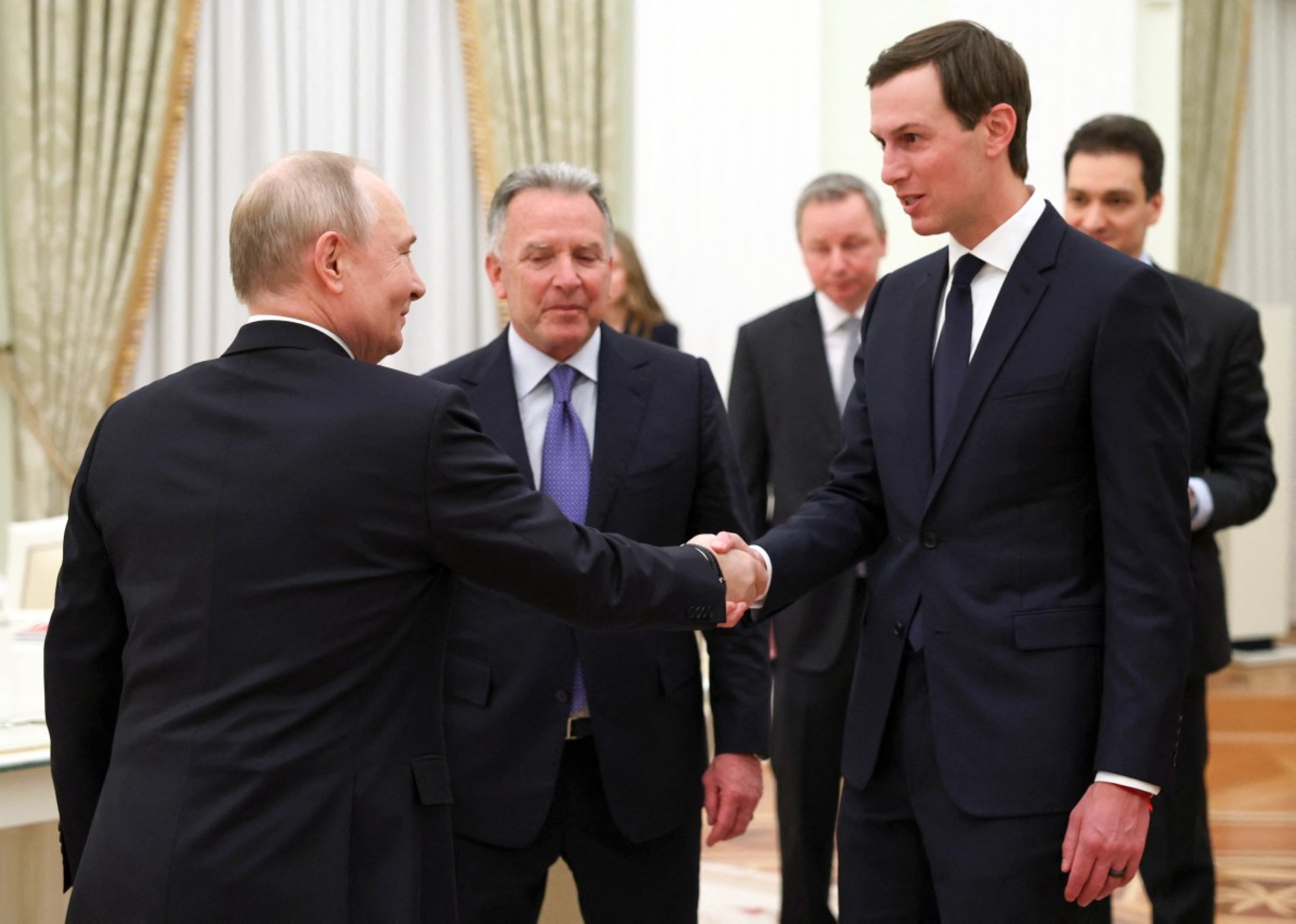
The media discovered that the plan came from meetings between Trump’s Special Envoy Steve Witkoff, Trump’s son-in-law and advisor Jared Kushner, and a special Russian envoy sent by Russian President Vladimir Putin. On 22 November, US Secretary of State Rubio made a call to calm a group of senators, many of whom he knew from his time in the Senate.
Immediately after their discussion, the senators told the media that Rubio had assured them that it was a Russian plan, not an American plan, and that the Americans were only sharing it with the Ukrainians. A spokesperson at the Department of State quickly insisted that the senators had misunderstood Rubio, that the 28 points were in fact American points, and that the Ukrainians should accept it.
Criticism quickly grew, both in Washington and Europe. By the evening of 22 November, Trump had told reporters that he was open to changing the plan. Before long, Witkoff and Kushner were working with Ukrainian officials, with whom they eventually developed a new 20-point plan that served as the basis for talks with Moscow and Kyiv in December and January.
A circle of aides
None of this is normal. To understand how the Trump administration makes foreign policy decisions, it is important to recognise that some successes—such as reducing the scope and intensity of the war in Gaza—come with the kind of confusion that accompanied the initial 28-point plan. Trump has a small circle of aides who manage policy for the Middle East and Ukraine. They include Rubio, Witkoff, Kushner, Vice President JD Vance, and White House Chief of Staff Susie Wiles. Both Kushner and Witkoff built their careers and fortunes in real estate, as did Trump.
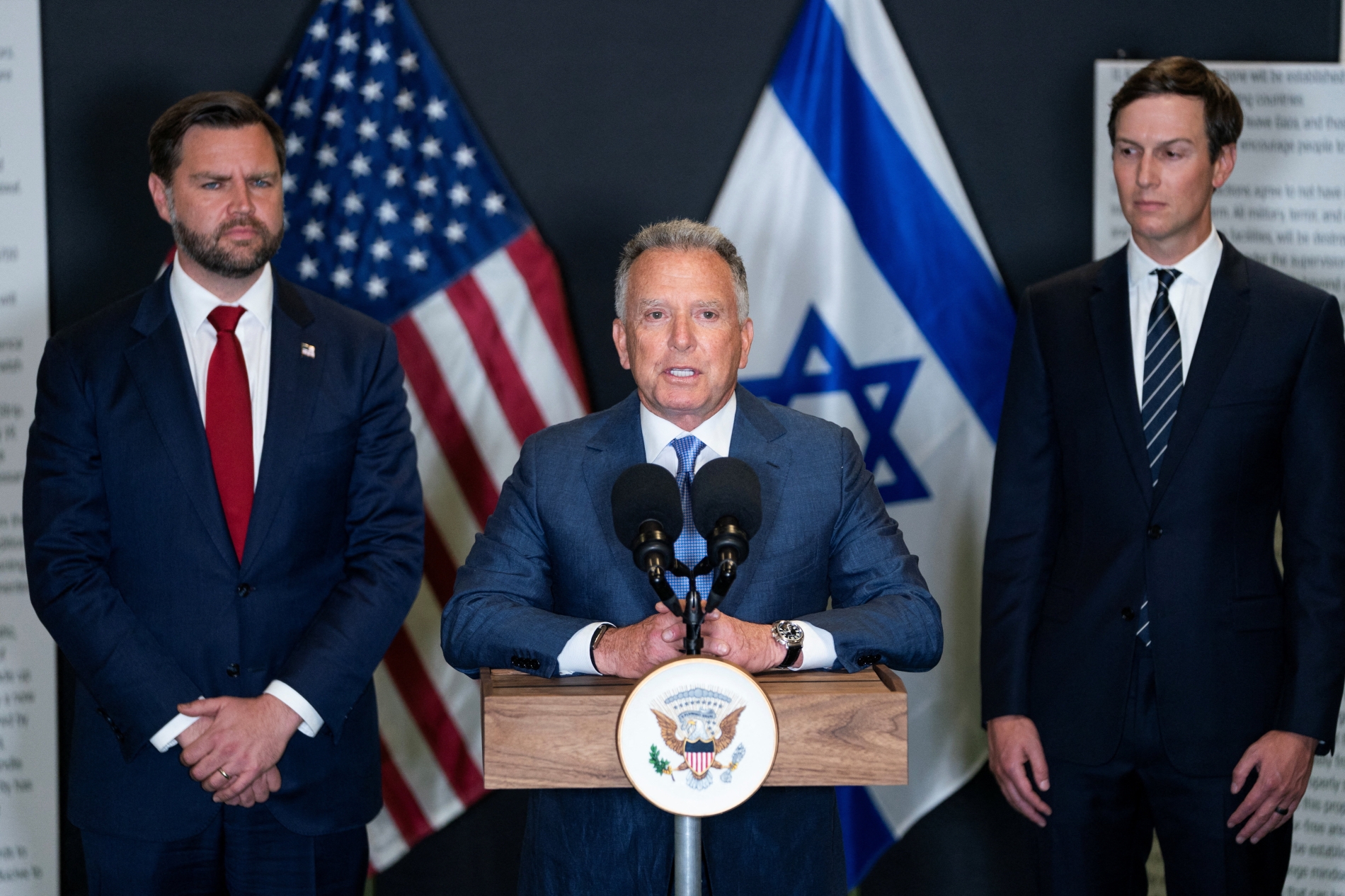
This small group that makes decisions is close to Trump, has access to world leaders, acts very quickly, and has had some success. Last October, Witkoff and Kushner used Trump’s influence to press a reluctant Israeli Prime Minister Benjamin Netanyahu into finally accepting a ceasefire and a US plan to end the war in Gaza. By the end of 2025, they had also tripled the amount of humanitarian aid getting in.
These were big achievements, but getting a ceasefire is easier than making peace, and the ceasefire they got in Gaza has not been respected by the Israelis, who have killed more than 520 Palestinians in the Strip since it came into effect. In Ukraine, a ceasefire has eluded them entirely.
It is normal for American presidents to rely on a small circle to manage foreign policy. What makes this administration different is that more than half of the National Security Council employees in post when Trump began his second term have been fired, and this slimmed-down council is now isolated from top-level decisions. It does not follow up on the details of top-level decisions, nor does it warn about problems.
Bypassing diplomats
A normal foreign policy process in Washington would typically have warned Witkoff, Kushner, and Trump of the angry reaction the 28-point plan for Ukraine would provoke in Europe, Ukraine, and Congress, but aides to Witkoff and Kushner work outside the normal process. Josh Gruenbaum, for instance, is a New York financial manager who helps Kushner and Witkoff with negotiations over Ukraine.
Another aide, Aryeh Lightstone, is planning Gaza’s reconstruction. He took a lead role in the Abraham Accords, signed at the end of Trump’s first term. Last year, he replaced an experienced international aid system with the newly-created Gaza Humanitarian Fund that exposed desperate Gazans to great risk when they tried to get limited food supplies, resulting in hundreds of deaths in famine conditions.

Given their collective lack of experience with the Department of State, the Defence Department, and the intelligence community, it is not surprising that Trump’s small foreign policy team has experienced difficulties, such as Witkoff’s repeated confusion over Russian territorial demands (he thought the Russians were conceding territory that, in fact, the Ukrainians controlled).