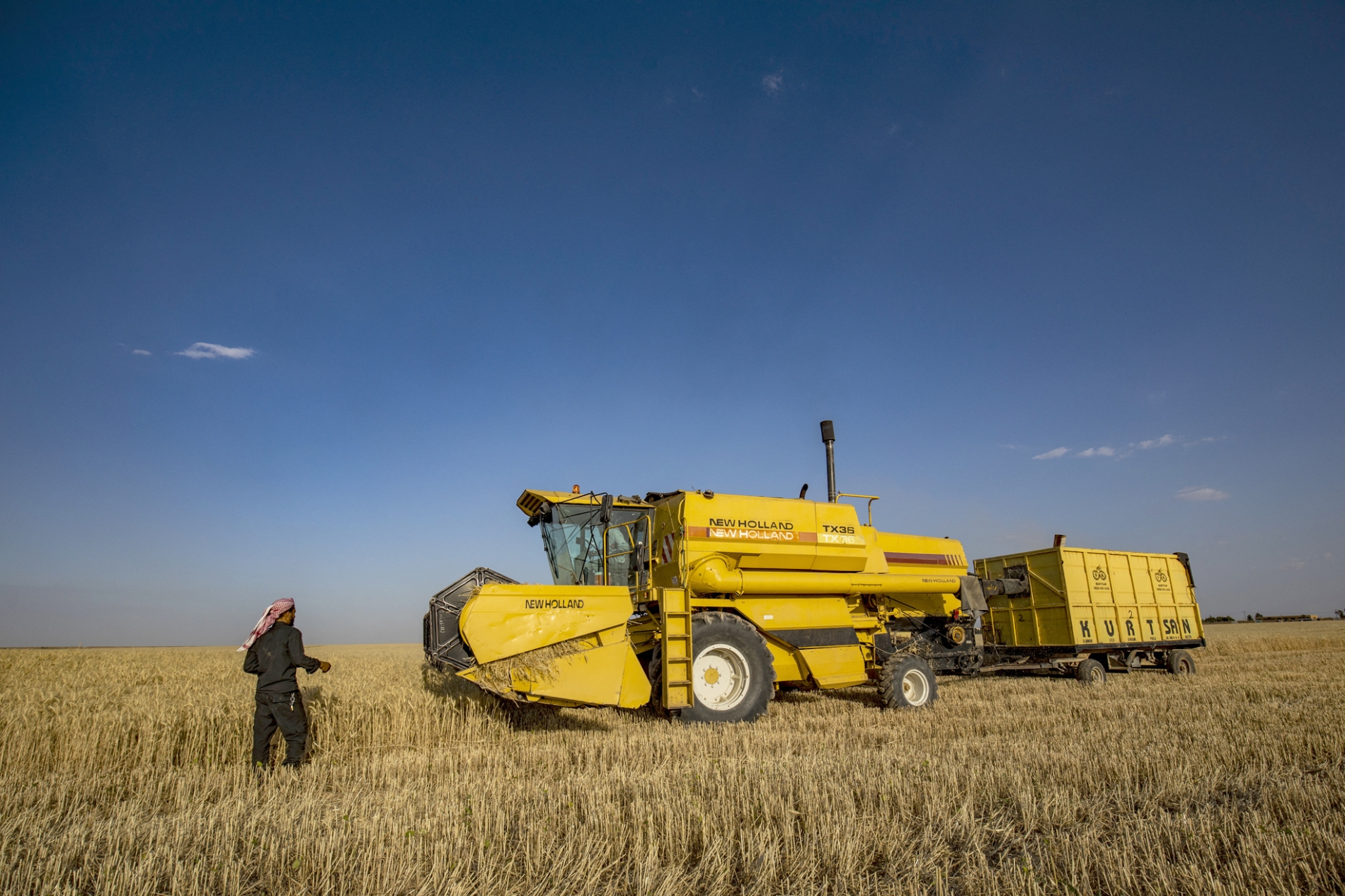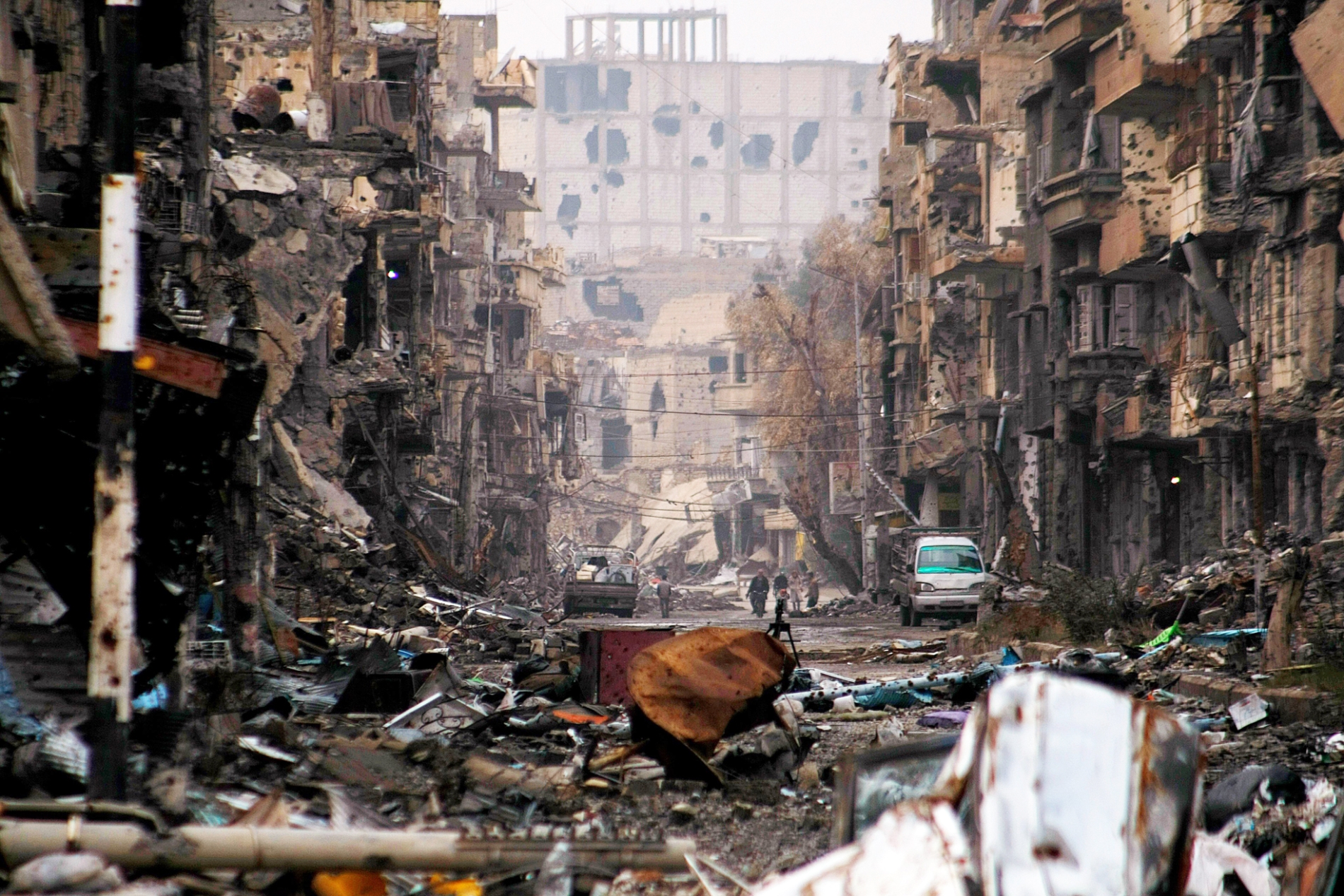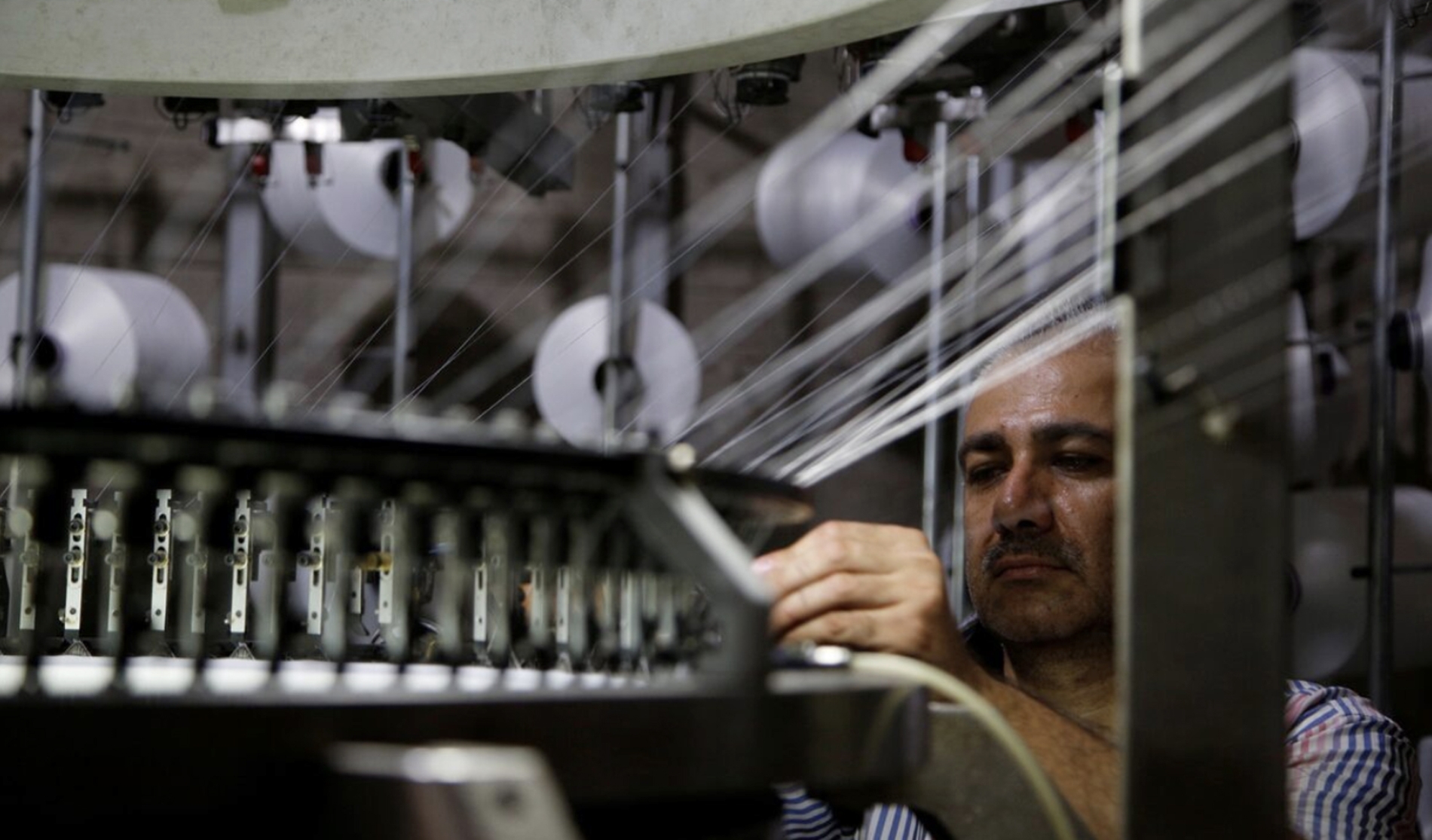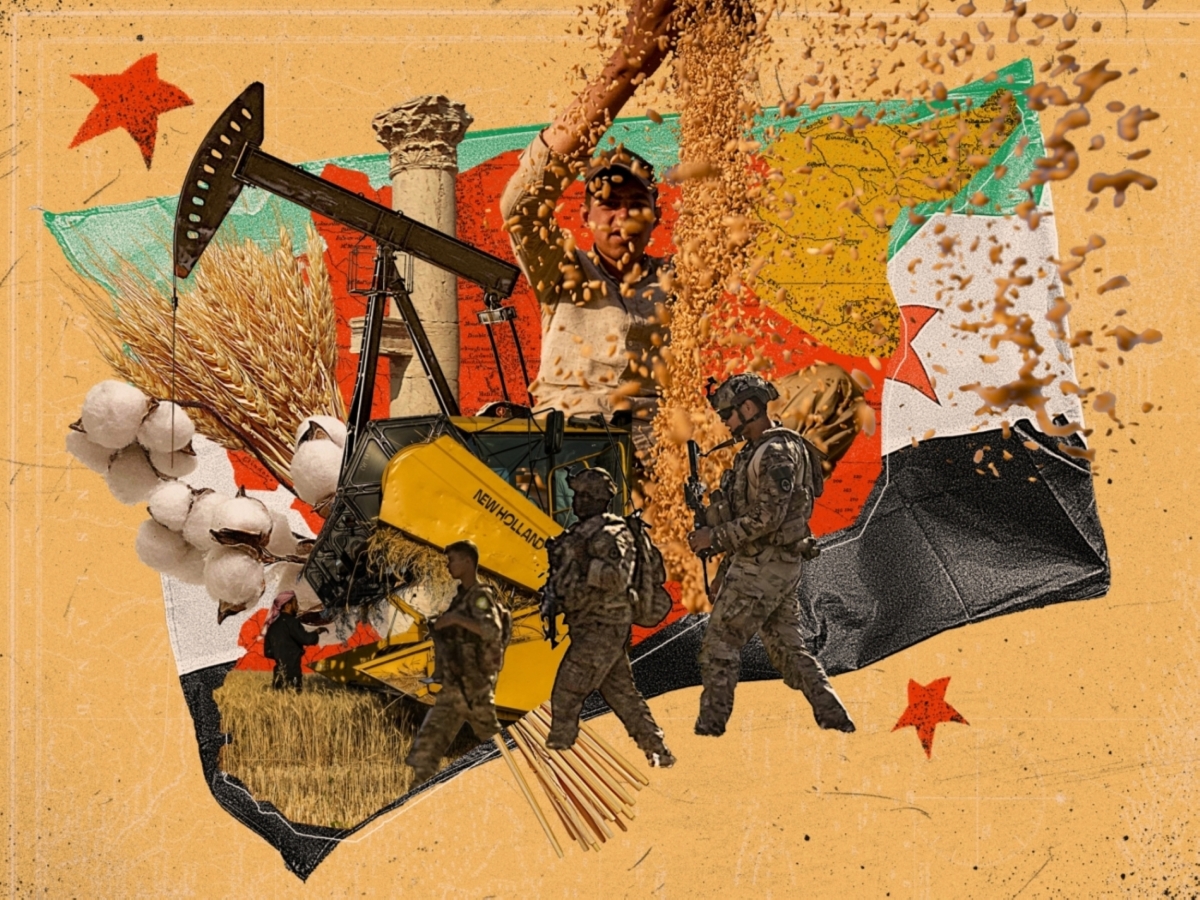

When people speak of Al-Jazira’s return to the national fold, they refer to the provinces of Raqqa, Deir ez-Zor, and Al-Hasakah—a region of profound strategic and economic significance. This vast expanse is home to Syria’s principal oil and gas fields, yields rich harvests of wheat, barley, and cotton, and sustains expansive herds of sheep, cattle, and goats. Most importantly, it shelters a reservoir of human potential—skilled, industrious, and historically pivotal in advancing the nation’s productive capacity.
Together, these three provinces comprise nearly 30% of the Syrian Arab Republic’s total territory. The restoration of Al-Jazira to state authority opens the door to judicious and far-reaching utilisation of its resources, enabling every corner of the country to benefit from a region vital to economic recovery, social cohesion, and human advancement.
With sound governance, these resources have the potential to generate billions of dollars a year for the public treasury, bolstering the national budget and enriching education, healthcare, and public services. Ensuring measures are taken to safeguard these assets against misappropriation is essential. In a country tasked with reconstruction, development, and job creation, steady stewardship remains key.
Al-Jazira is home to approximately 14 oil and gas fields, the most prominent of which are in Al-Hasakah, including the Suwaydiyah, Syria’s richest oil field in terms of output.
Poised for revival
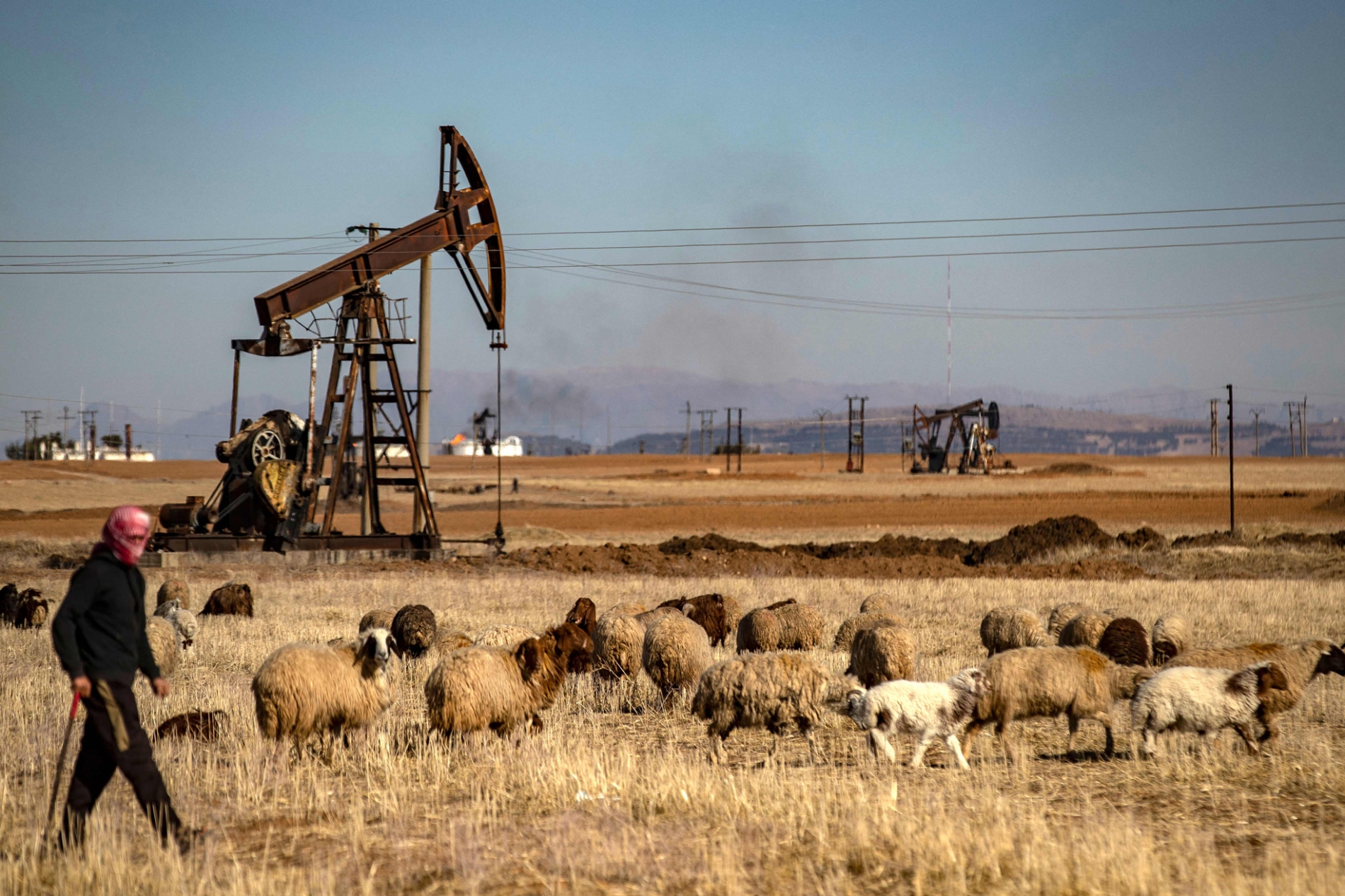
The oil fields of Al-Hasakah include Rumaylan, known for both its oil and gas production, and Karachok. These fields have been producing crude since the 1960s and possess confirmed reserves estimated at 2.5 billion barrels. The crude from this region has a 7% sulphur content and an API gravity of 24°. It is heavy, asphaltic oil.
To render it suitable for domestic refining, it must be blended with lighter crude—specifically the 36° API oil from the Deir ez-Zor fields. The Homs refinery addressed this requirement by installing a thermal cracking unit to maximise output from the heavy blend. Much of this oil has historically—prior to 2011—been exported to Europe, including Italy, Greece, the UK, and several Eastern European nations.
The current production capacity of Al-Hasakah stands at approximately 100,000 barrels per day (bpd). With redevelopment, this figure could rise to 200,000bpd. The cost of rejuvenation is expected to remain modest. The fields were neither heavily damaged nor entirely shut down, and they continued to operate, with a portion of their output smuggled into neighbouring territories.
In previous years, the Syrian government purchased some of this oil through intermediaries affiliated with the Syrian Democratic Forces (SDF), who had seized control of the fields and sold parts of their production to Türkiye and the Kurdistan Region of Iraq. The past decade witnessed an extensive smuggling network that deprived the Syrian state of vital revenues due to the SDF’s hold over the region.
Now that these fields have returned to the Ministry of Energy’s jurisdiction, following recent advances by the Syrian army, investment can proceed on a more secure footing. Syrian expertise—long embedded and highly experienced in production drilling, extraction, and reservoir management—can once more be fully engaged. Pipelines may be rehabilitated, restoring crude oil flow to the port of Tartus for export.
The potential of light crude
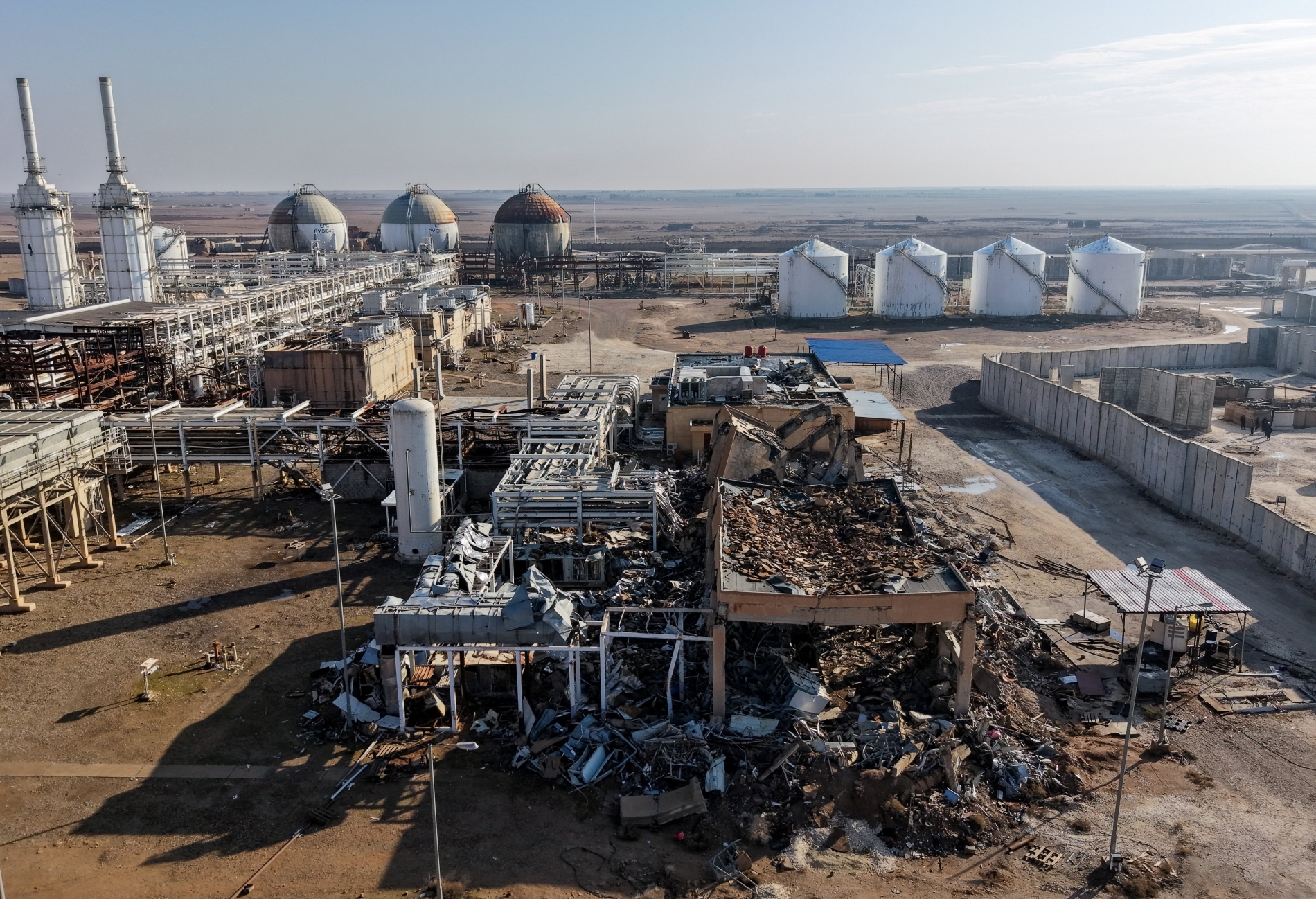
Al-Jazira is also rich in light crude fields yielding 36° to 37° API, placing it in close comparison with Brent Crude. Among these fields, the most prominent is Omar, the largest in this category. It could produce 80,000bpd if the damaged infrastructure is repaired and the production systems are modernised.
Shell’s longstanding expertise in exploration, drilling, and production significantly shaped the early foundations of the oil sector in Deir ez-Zor. American firms, including Bechtel, also played a role in the region’s development. At an earlier stage, the French company Total was commissioned to advance both the Omar and Taym fields, the latter located to the east of Deir ez-Zor.
With appropriate investment and enhancement, the combined output of these two fields could reach 150,000bpd. Further output may be drawn from the Tanak and Markada fields and a constellation of smaller sites, pushing overall production even higher.
Between 2011 and 2013, total output from the Al-Hasakah and Deir ez-Zor fields reached approximately 400,000bpd. By contrast, in the late 1980s and early 1990s, Syria’s oil production had surged to between 600,000 and 700,000bpd. Revenues at the time hovered around $1.8bn annually. However, these substantial sums never made their way to the state treasury.
This misappropriation left the Syrian state burdened by persistent deficits, culminating in a chronic balance-of-payments shortfall. The country’s most vital economic asset—its oil revenue—was diverted and administered from a discreet office in the Malki district of Damascus, overseen by Mohammed Makhlouf, father of Rami Makhlouf and brother-in-law of Hafez al-Assad, assisted by two engineers. This trio exercised control over the companies granted exploration rights and the firms authorised to purchase crude, which, in turn, paid commissions to the same office. Their influence extended to a network of operations in Cyprus and London.
In this climate, Syria endured its most severe economic crisis. Employment prospects diminished, investment faltered, and the state struggled to finance even its most essential imports. The prime minister could access no more than $300mn to secure wheat and medical supplies and respond to a narrow range of pressing needs.
Syria’s natural gas fields
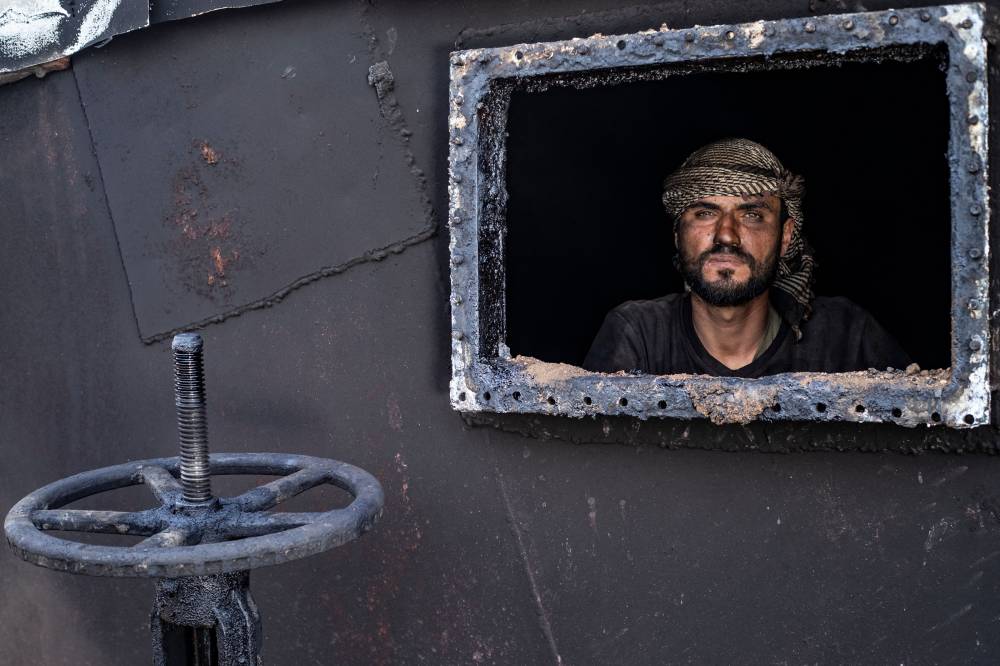
At the forefront of Syria’s natural gas resources stands the Conoco field. Current production is around 450 million cubic feet per day, equivalent to approximately 13 million cubic metres per day. The Tabiyah plant, located atop the Tabiyah field, takes its name from the Conoco company, which established a processing station there in 2000.
Additional reserves have been identified along the corridor stretching from Al-Nabk and Deir Atiyah to the town of Qarah in the Damascus countryside. The Qarah fields produce a notable share of Syria’s natural gas, with output estimated at roughly one million cubic metres per day. Production began from individual wells in 2018 and is reported to be capable of reaching 150,000 cubic metres per day, or about 5.3 million cubic feet.
Extraction takes place from wells numbered Qarah-1 and Qarah-3, as well as Qarah-4. The nearby Al-Bureij well yields around 200,000 cubic metres daily, while the Qarah-8 well is now in operation. Investment in the rehabilitation of these fields and upgrading their infrastructure is expected to further raise output.