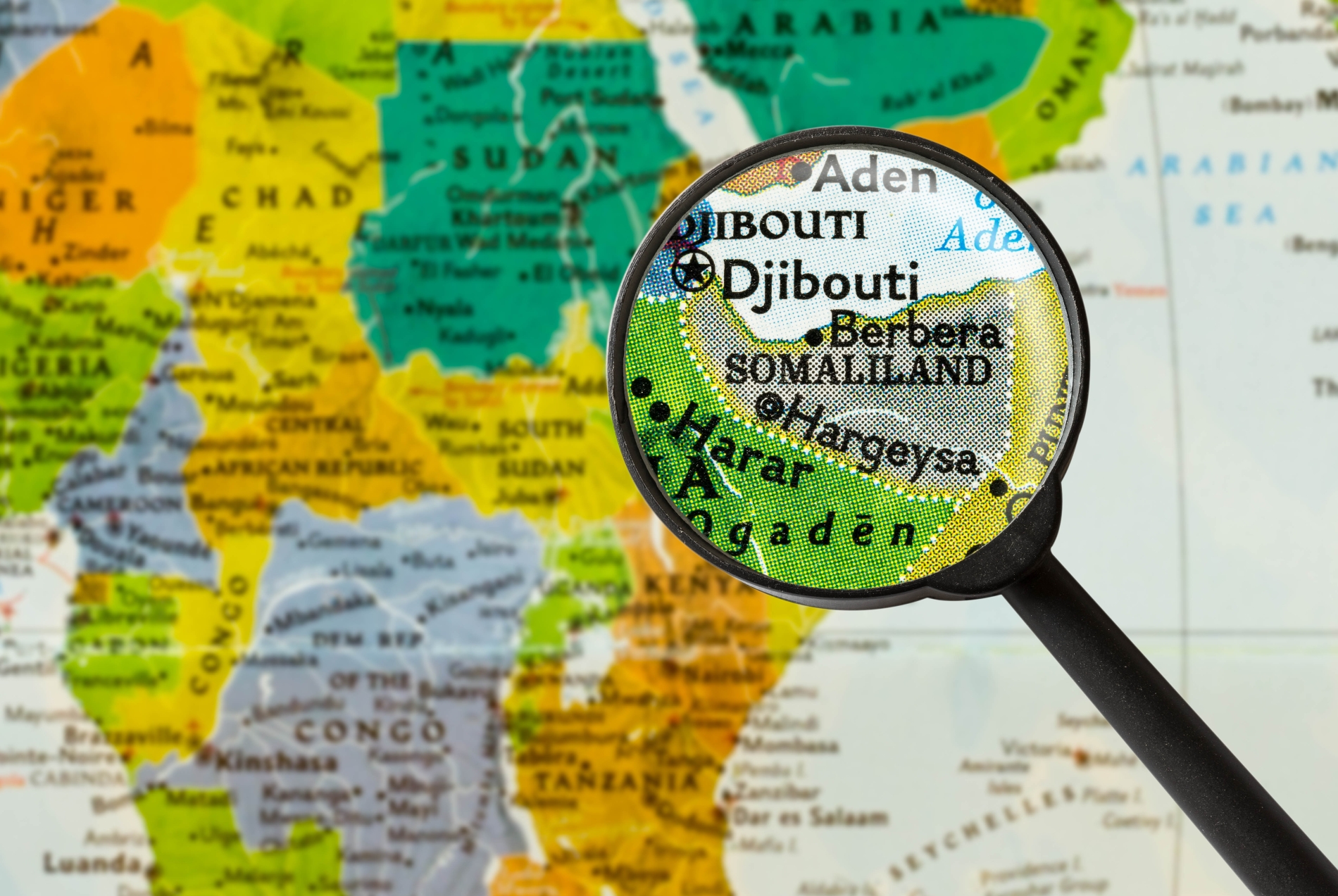

The Red Sea has long been a strategic maritime artery sustaining global commerce, but today it is far more than that. It has evolved into an arena shaping the contours of an emerging regional order. Across this vital corridor, stability-seeking sovereigns vie with non-state forces that flourish amid institutional disarray and the unravelling of national identity.
A volatile arc stretching from Bab al-Mandab to the rugged coastline of the Horn of Africa, this expanse has become a theatre of intensifying geopolitical rivalry, where global interests are entangled in regional ambitions, generating a fluid and unpredictable security landscape. Such turbulence imperils maritime navigation and fractures the social fabric of communities along the littoral.
Saudi Arabia is among those that favour state-centric solutions to crises in places like Yemen, Sudan, and Somalia, yet the region’s turmoil stems not merely from a political impasse, but from a structural malaise rooted in the state’s diminished capacity to wield legitimate authority and exercise genuine sovereignty.
State vs non-state
Riyadh knows that the integrity of its own national security is now bound to the revival of state authority in the region. However, for the state to once again reign supreme, militia networks must be dismantled and national institutions re-established as the sole guarantors of order, recalling Max Weber’s definition of the state as a human community with a monopoly on the legitimate use of force within a given territory.
In states like Yemen, Sudan, and Somalia, this monopoly has either been severely compromised or entirely extinguished, leaving a power vacuum that has allowed the ascent of parallel entities that usurp political, military, and quasi-sovereign functions, operating beyond any legal or institutional remit. These voids have drawn in global powers with divergent regional responses, complicating matters.
Some states have sought to exploit the lacuna by supporting non-state militias or political surrogates to gain leverage or footholds. Others have sought to safeguard their interests and uphold the conviction that durable stability is rooted in centralised state authority. Fortifying sub-national identities or militias risks splintering the social terrain and reducing local entities to proxies in a bigger transnational contest, thereby obstructing the emergence of coherent and resilient political orders.

Yemen
In Yemen, there is an institutional crisis that transcends the challenge posed by the Houthi insurgency. At the heart of this dilemma lies the imperative to preserve the coherence of state institutions within a framework of national consensus, as embodied by the recognised channels of legitimacy.
The resurgence of separatist sentiments in the south, therefore, poses a structural threat to the project of state restoration, which Saudi Arabia has championed as its principal strategic objective.
At the core of Saudi policy in Yemen is a commitment to empowering the Presidential Leadership Council, the legitimate umbrella under which the country’s diverse political forces are gathered. The goal is to forge a unified national front capable, both legally and politically, of asserting sovereignty and reactivating the machinery of the state.
Unilateral separatist endeavours beyond this framework serve only to offer anti-state actors an opportunity to exploit any instability. Seeking stability, Saudi Arabia encourages all Yemeni actors to pursue dialogue through lawful and institutional channels to safeguard against the country becoming a fragmented patchwork of enclaves and fiefdoms.
The long-term stability of Yemen hinges on the capacity of its institutions to operate as a cohesive and resilient whole. Disintegration into atomised entities would threaten the security of the Bab al-Mandab Strait—a chokepoint of global maritime trade. Championing the primacy of the state in Yemen, therefore, has a direct effect on the security of international commerce.
Sudan
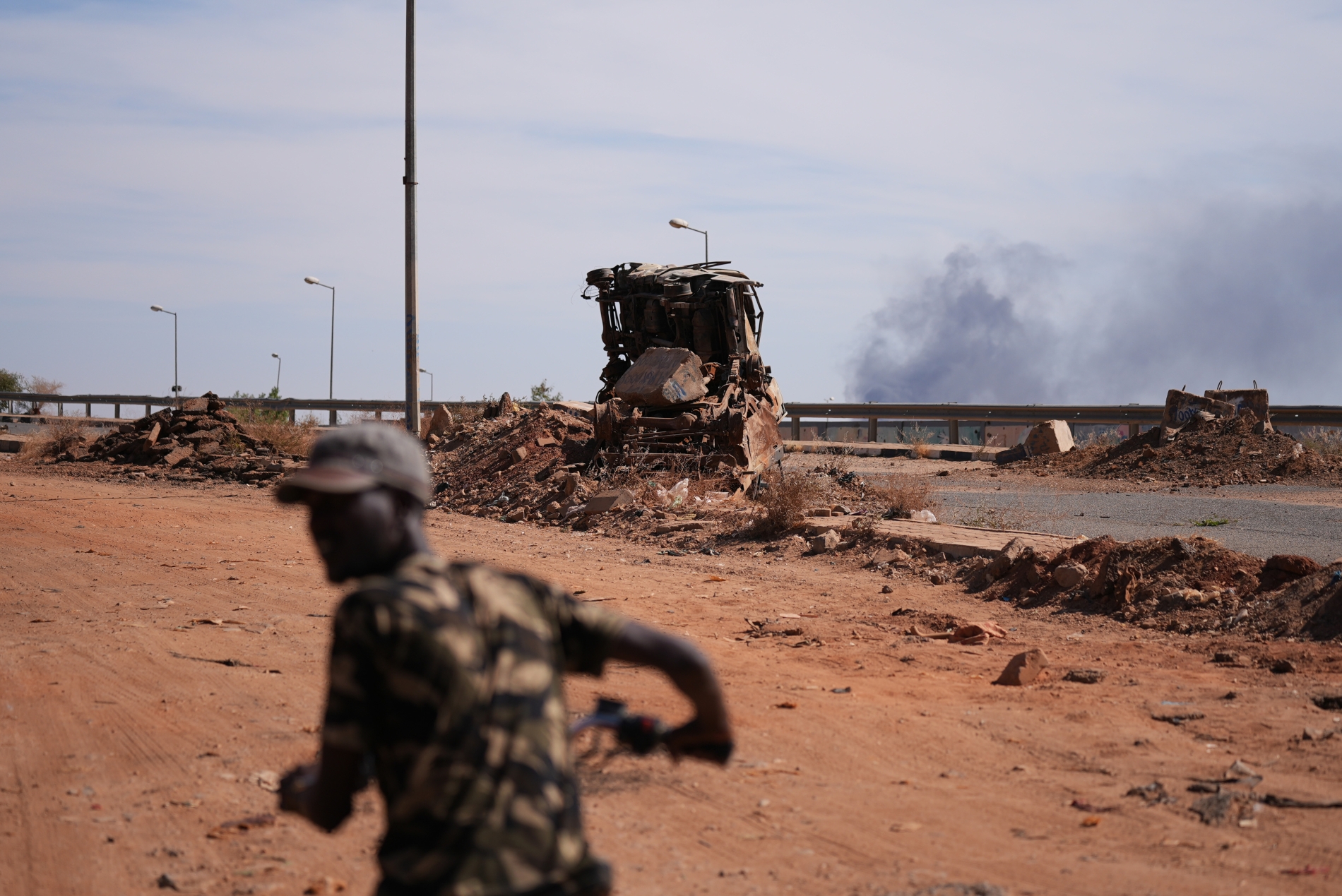
The civil war raging in Sudan since April 2023 now has an existential dimension. What began as a power struggle became a structural threat to the cohesion of the military establishment and, by extension, to the Sudanese state. The Sudanese Armed Forces (SAF) and the Rapid Support Forces (RSF), a paramilitary group with external funding, are each out to destroy the other, and the well-armed, well-financed RSF currently controls all of Darfur, Sudan’s huge mineral-rich western region.
Sudan today starkly embodies the crisis of dual authority—a collision between the institutional logic of the state and the insurgent logic of a parallel force sustained by factional allegiances and independent resources. Operating beyond institutional oversight, the RSF represents a profound threat to Sudanese sovereignty. The risk is that Sudan descends into ethnic disintegration in a battlefield dominated by warlords.
War in Sudan reveals a deep rupture in the national fabric, most horrifically expressed through ethnic massacres and campaigns of ethnic cleansing, particularly in Darfur. The transition from political violence to identity-based targeting signals a terminal phase of institutional collapse, as the unifying notion of citizenship gives way to sub-national identities vying to fill the void. These atrocities illustrate societal fragmentation.
The challenge of rebuilding the Sudanese state in the aftermath of war will be formidable, given that the notion of citizenship must be re-established under a resilient institutional order. Yet this prospect still appears distant. This is worrying regional observers, given that Sudan’s stability constitutes the cornerstone of security along the Red Sea’s western flank.
The absence of a central Sudanese authority capable of asserting effective control over territory renews focus on the country’s 800km coastline along a vulnerable maritime corridor open to exploitation by rival powers and transnational actors. This creates a volatile mix of ethnic violence fuelling waves of displacement, with refugees gravitating towards the coast.
For states such as Saudi Arabia, this creates security and humanitarian issues that could impact national priorities, including those outlined in Riyadh’s Vision 2030 blueprint and its major economic initiatives along its eastern shoreline. Safeguarding the western Red Sea coast, therefore, becomes indispensable to the viability of flagship projects such as NEOM (a futuristic city) and the 50 new Saudi hotels across 22 Red Sea islands.
Investors may think twice if the region is plagued by institutional decay and maritime insecurity, so for Saudi Arabia, the Red Sea’s security is indivisible. Protecting maritime routes and defending coastal ventures are therefore linked to strong and stable Sudanese state institutions wielding full sovereignty over its ports and territorial waters.
Somalia
The Somali state is striving to reassert its sovereignty, and Saudi Arabia’s support for the federal government in Mogadishu aims to fortify state institutions, so they may extend their authority across the whole country and confront extremist movements that feed on institutional weakness. The principal challenge Somalia faces comes from attempts by certain regional actors to support separatist movements, such as those in Somaliland.
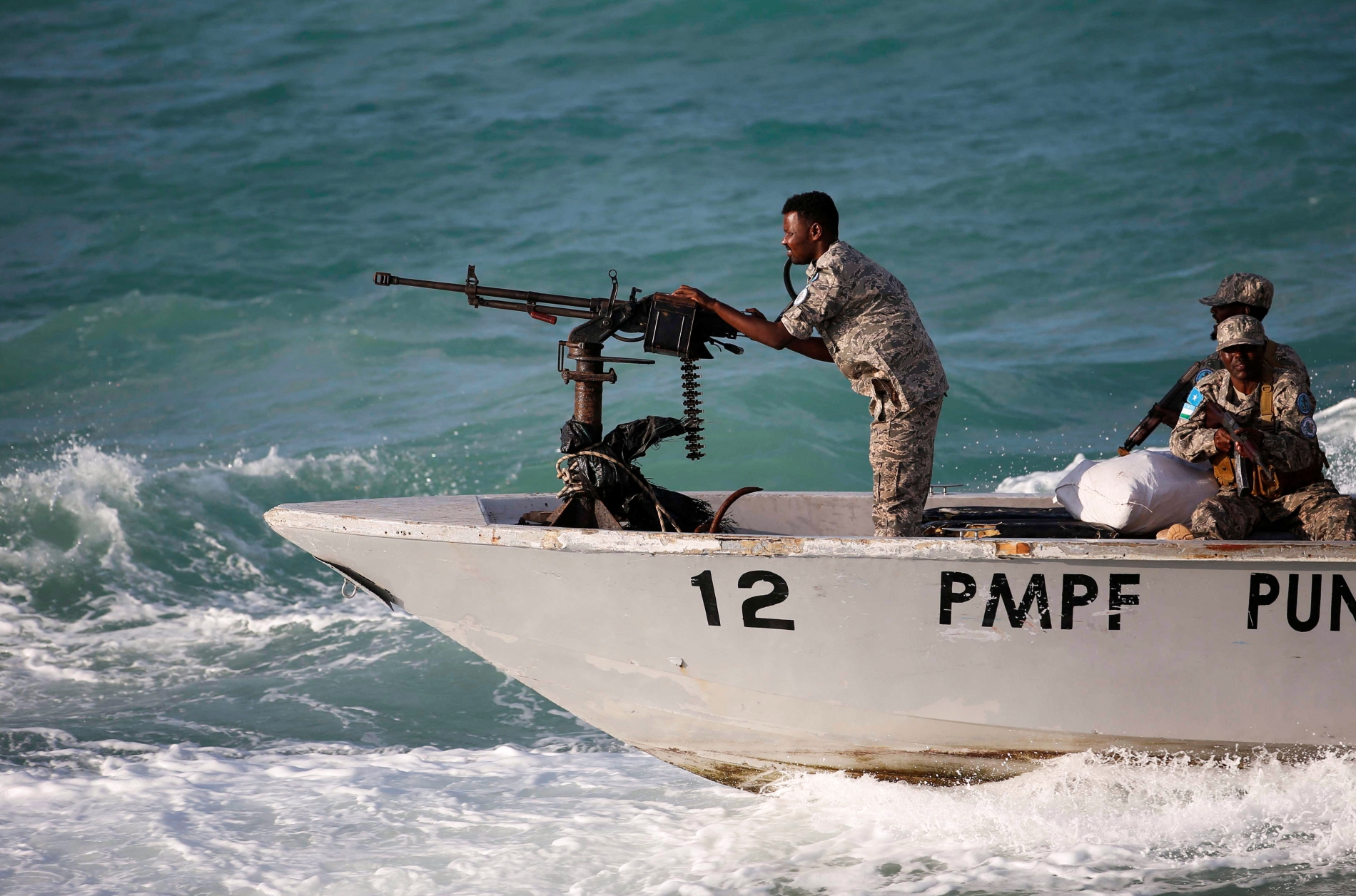
Somalia has a 3,000km coastline along the Gulf of Aden and the Indian Ocean, a strategic maritime region already hit by piracy and weapons smuggling that has helped destabilise both Africa and the Middle East. Earlier this year, Mogadishu cancelled all port management and security cooperation agreements with the United Arab Emirates, accusing it of undermining the country’s sovereignty by supporting secessionists in Somaliland, which has just been recognised as a state by Israel.
Support for separatists invariably undermines the federal government, weakening national cohesion and impeding the delicate process of state consolidation. Pursuing tactical gains and short-term advantage by engaging fragmented entities generates a geopolitical risk that threatens to destabilise the entire Horn of Africa.
Somalia’s stability is inseparable from the safe passage of vessels through these waters, where in recent years armed groups have engaged in piracy against commercial ships, shaking confidence in global trade routes. That threat emerged directly from the breakdown of Somali state institutions, allowing non-state actors to exploit the huge coastline as a base for maritime aggression.