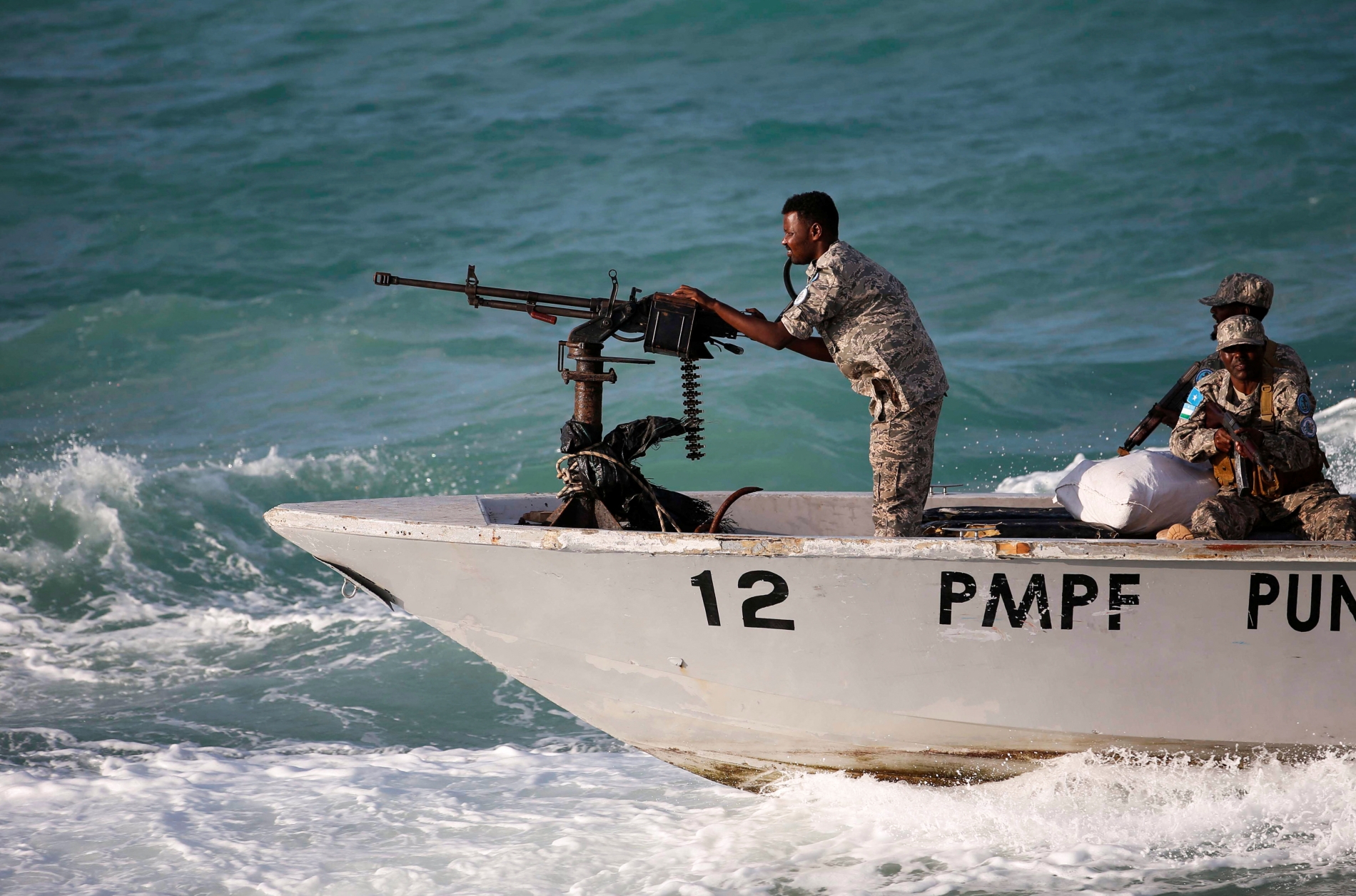

Somalia, a geostrategic nation of approximately 19 million people located on the Horn of Africa, has endured long-standing political and economic turmoil over the decades as global powers vied and continue to vie for influence in the country.
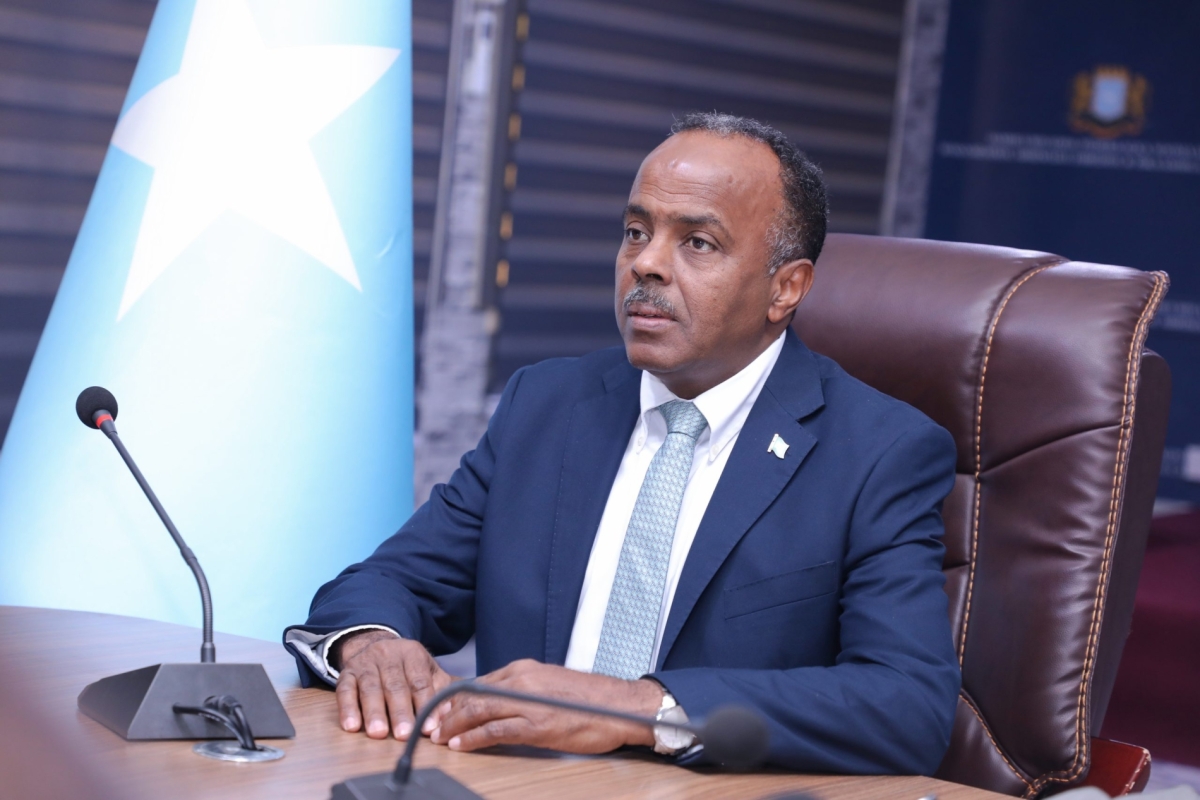
In a wide-ranging interview with Al Majalla, Somalia's Minister of State for Foreign Affairs, Ali Omar, opens up about the myriad challenges his country is up against and how he sees an urgent need to form strategic regional alliances—namely with Riyadh and Cairo—to better confront the heightened and pressing threats Somalia now faces.
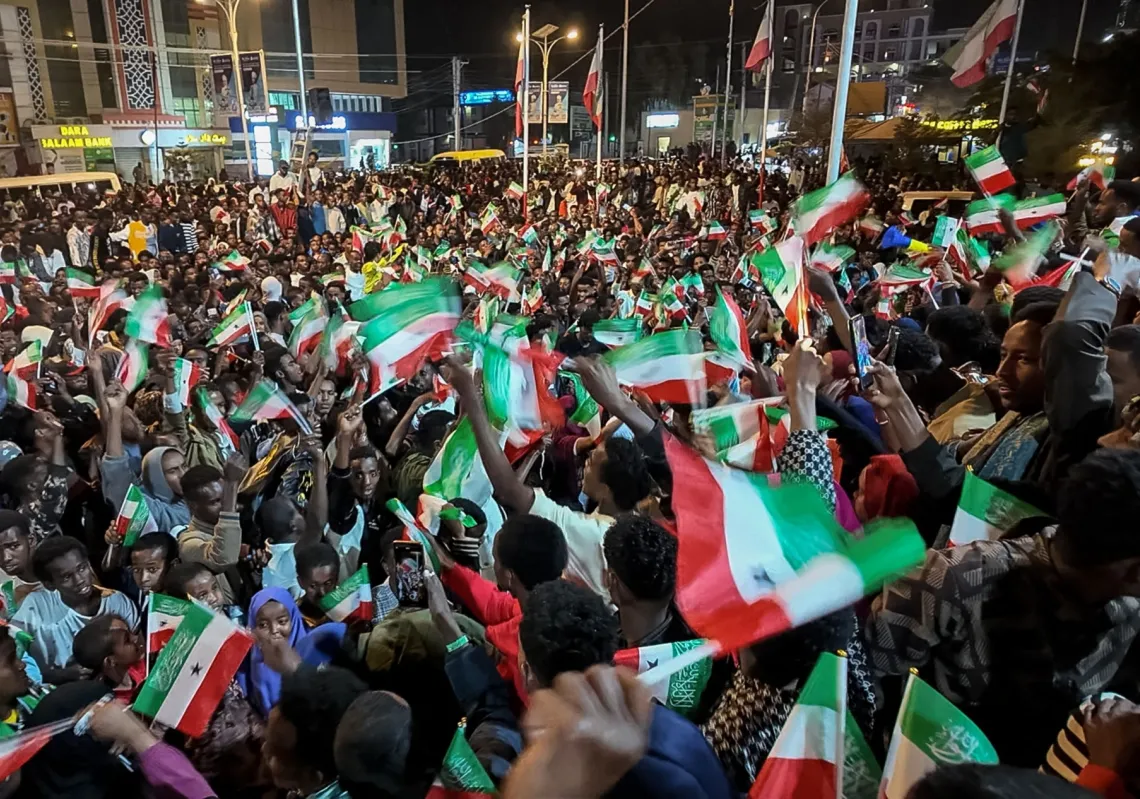
The foreign minister spoke candidly about Somalia’s vulnerabilities, especially amid foreign interference by regional countries, flagging Israel's recent recognition of the breakaway region of Somaliland as an urgent concern.
"Such recognition is not an isolated political gesture. It has strategic implications for the Red Sea and the Gulf of Aden, which run counter to Arab collective interests," he said.
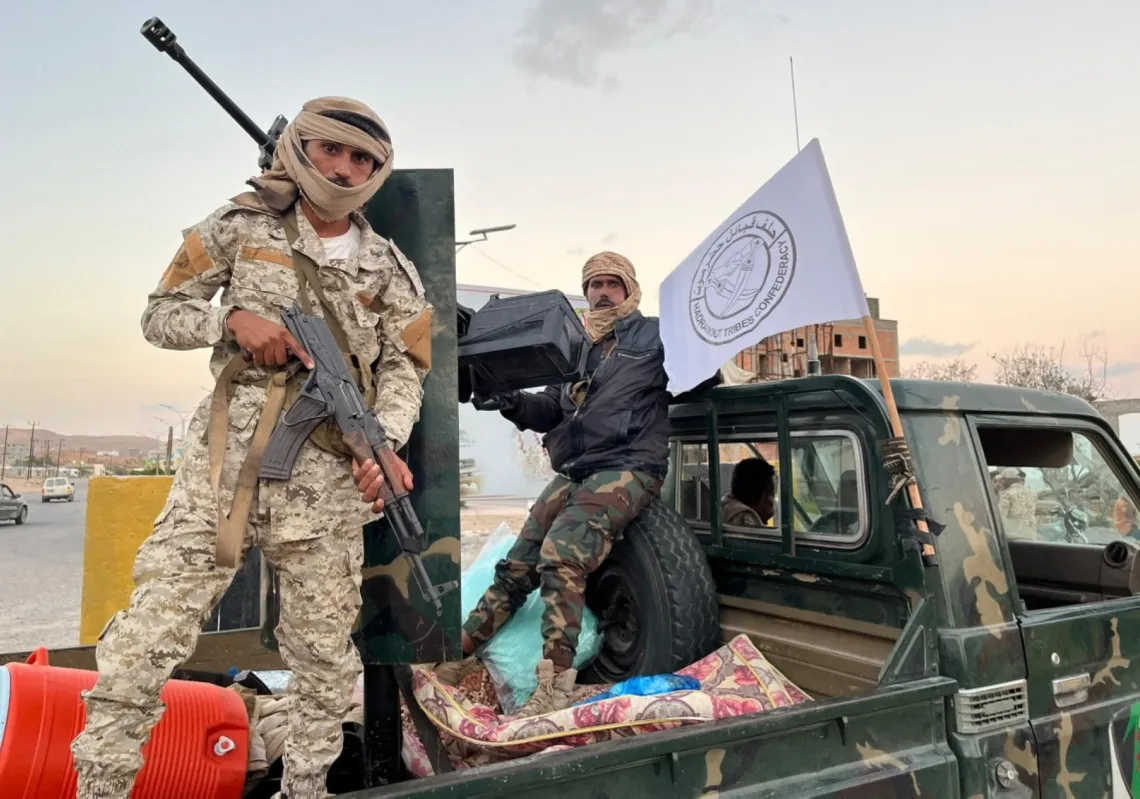
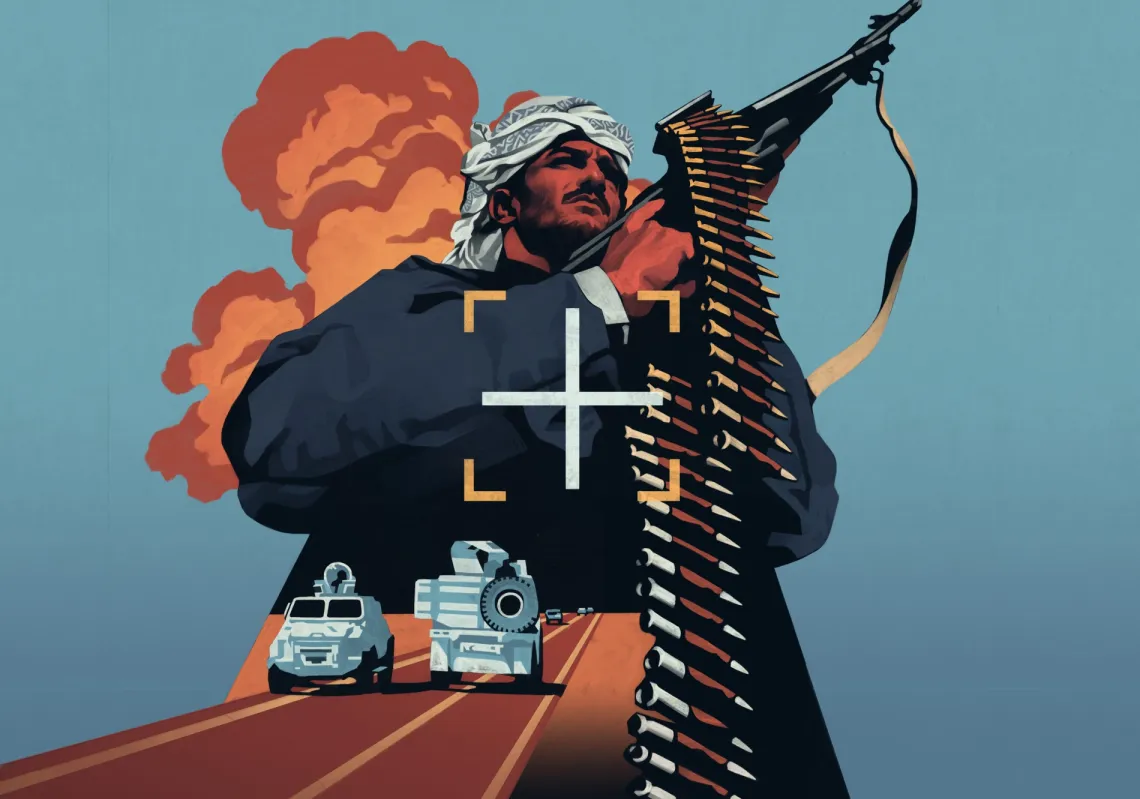
He also highlighted the ongoing threat of the Islamic State (IS) and Al-Shabaab movements in the East and West, respectively.
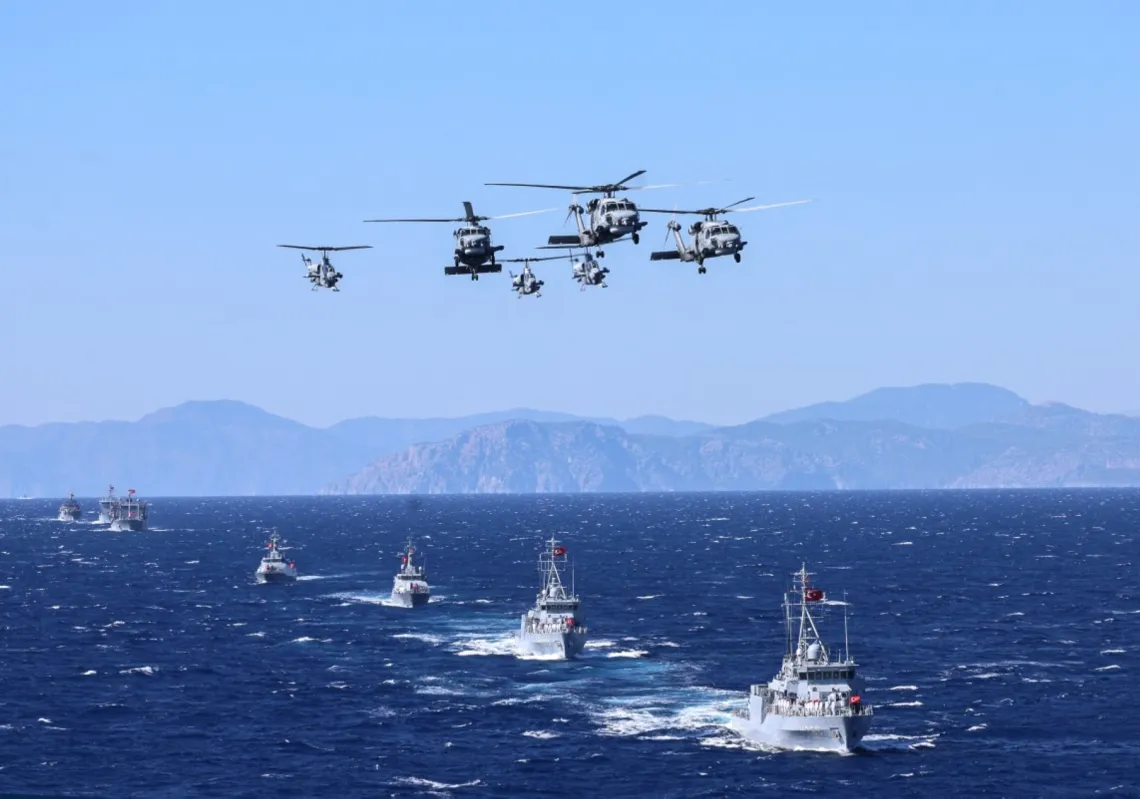
To meet this challenge, he underscored the growing need to form a regional strategic alliance to help Somalia preserve its territorial integrity, confront terrorism effectively and ensure maritime security in the Red Sea, the vital geopolitical corridor.
Below is the interview in full, edited for clarity.
What would a regional military alliance to help maintain Somalia's territorial integrity look like?
I would welcome close coordination with Saudi Arabia, Egypt, and others to support the pillars of Arab stability and security. To this end, discussions are underway to address shared responsibility and safeguard regional security, particularly in the Red Sea, the Gulf of Aden, and the Horn of Africa.
For Somalia, this is not about forming a bloc or escalating tensions, but about structural cooperation based on respect for sovereignty and collective defence against common threats, such as terrorism, maritime security, and external interference.
How does Israel's recognition of Somaliland alter or change the regional dynamics on the Red Sea and the Horn of Africa, and what implications could this move have for Somalia's sovereignty?
Somalia categorically rejects Israel's unilateral recognition of Somaliland, which is an integral part of Somalia. This action violates international law and undermines Somali sovereignty, and sets a dangerous precedent in a region that's already under strain. Such recognition carries strategic implications for the Red Sea and the Gulf of Aden, runs counter to Arab collective interests, and creates fertile ground for insurgency and non-state actors to operate.
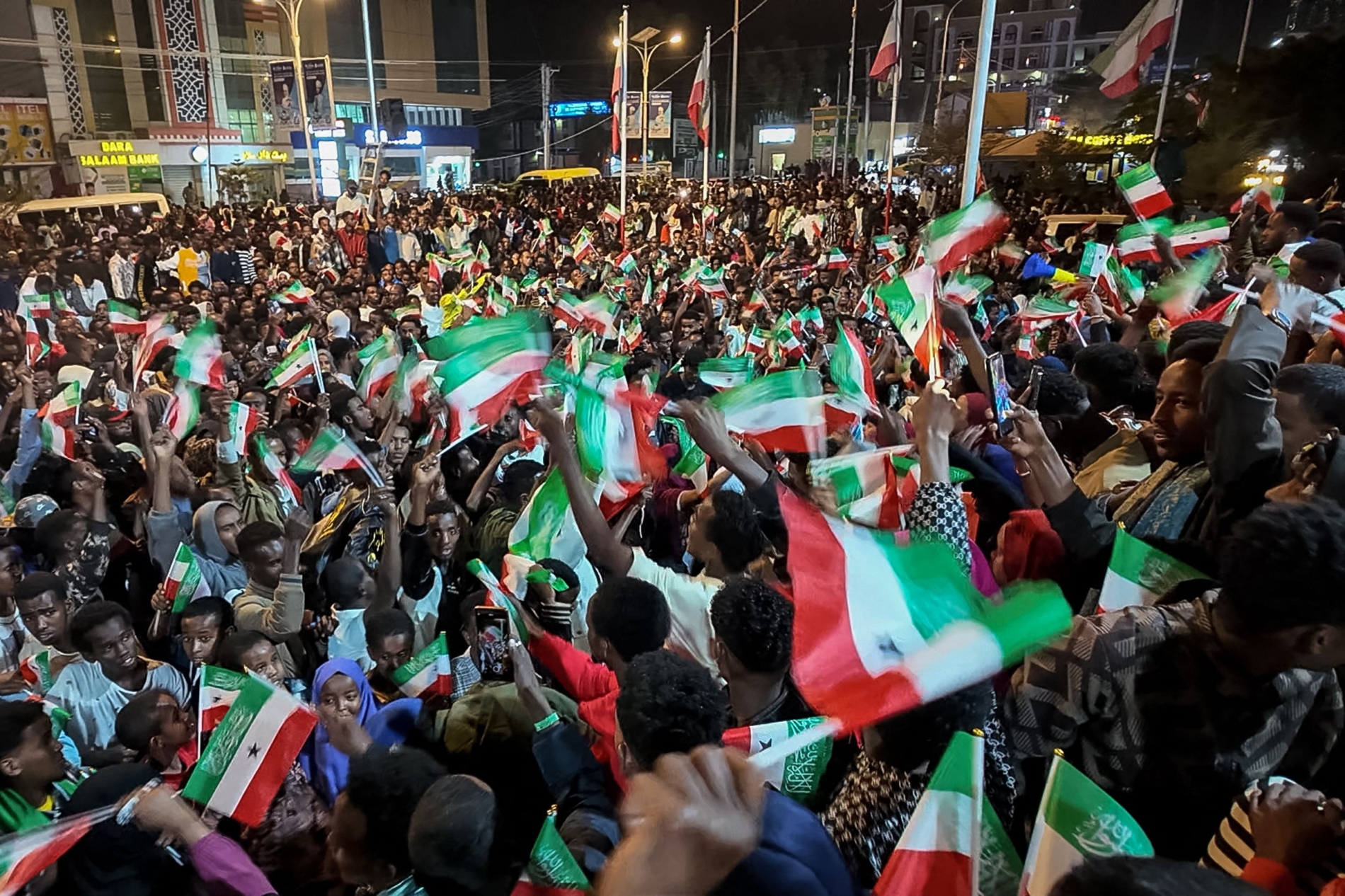
Somalia deeply appreciates the principled position taken by the Arab states, chiefly Saudi Arabia, in rejecting this move and reaffirming Somalia's unity.
Do you think the current federalist system in Somalia is a source of Somalia's problems? Would a different governing system help?
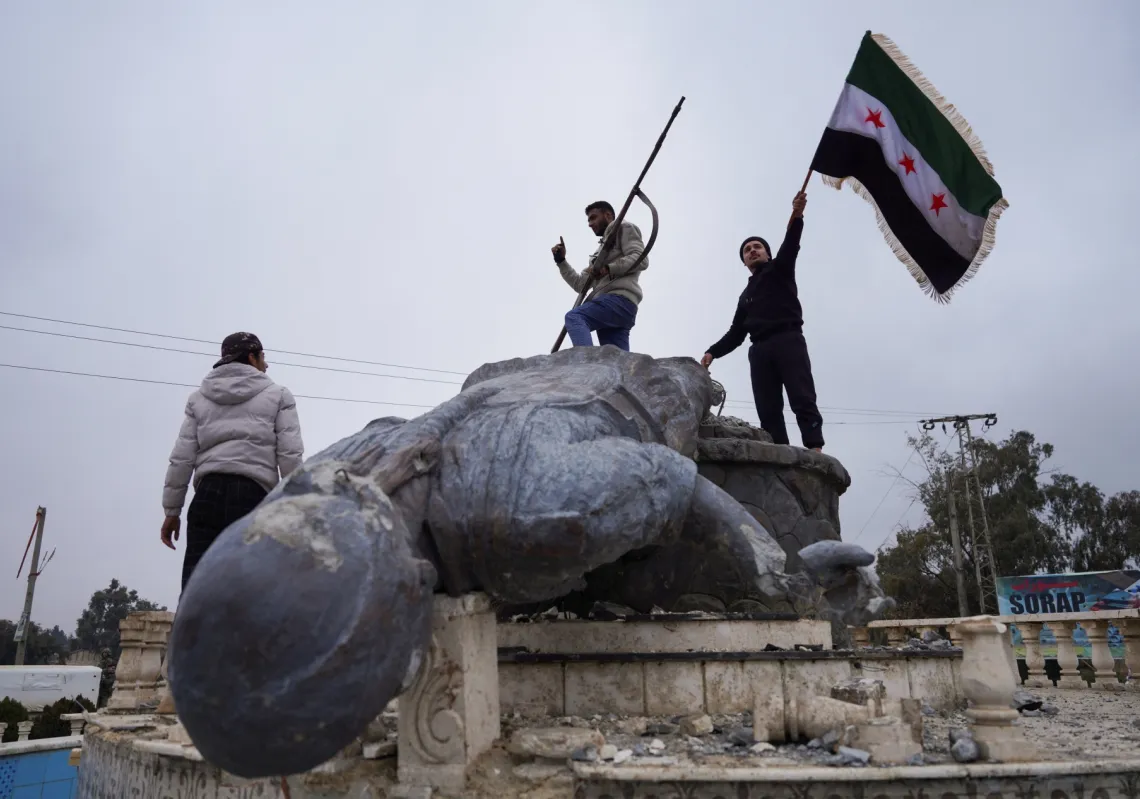
Somalia began with a highly democratic system in the early 1960s, when it became independent. But a military takeover in 1969 wore the state down over the following decades, culminating in its total collapse in 1991. Since then, Somalia has been trying to rebuild its state in a way that unites the country. The federal system was the one we opted for, and it is enshrined in our Constitution. The decision to move beyond that or change it is one that the government and people need to agree on collectively.