Al Majalla's Book Watch

A tour of the latest releases from Arabic publishing houses on topics covering fiction, philosophy, science, history, and politics

Al Majalla

Al Majalla's Book Watch

The Arab world has a vibrant and rich literary scene. Al Majalla picks out some choice titles in our fortnightly round-up of the latest Arabic books to highlight some trends and thinking.

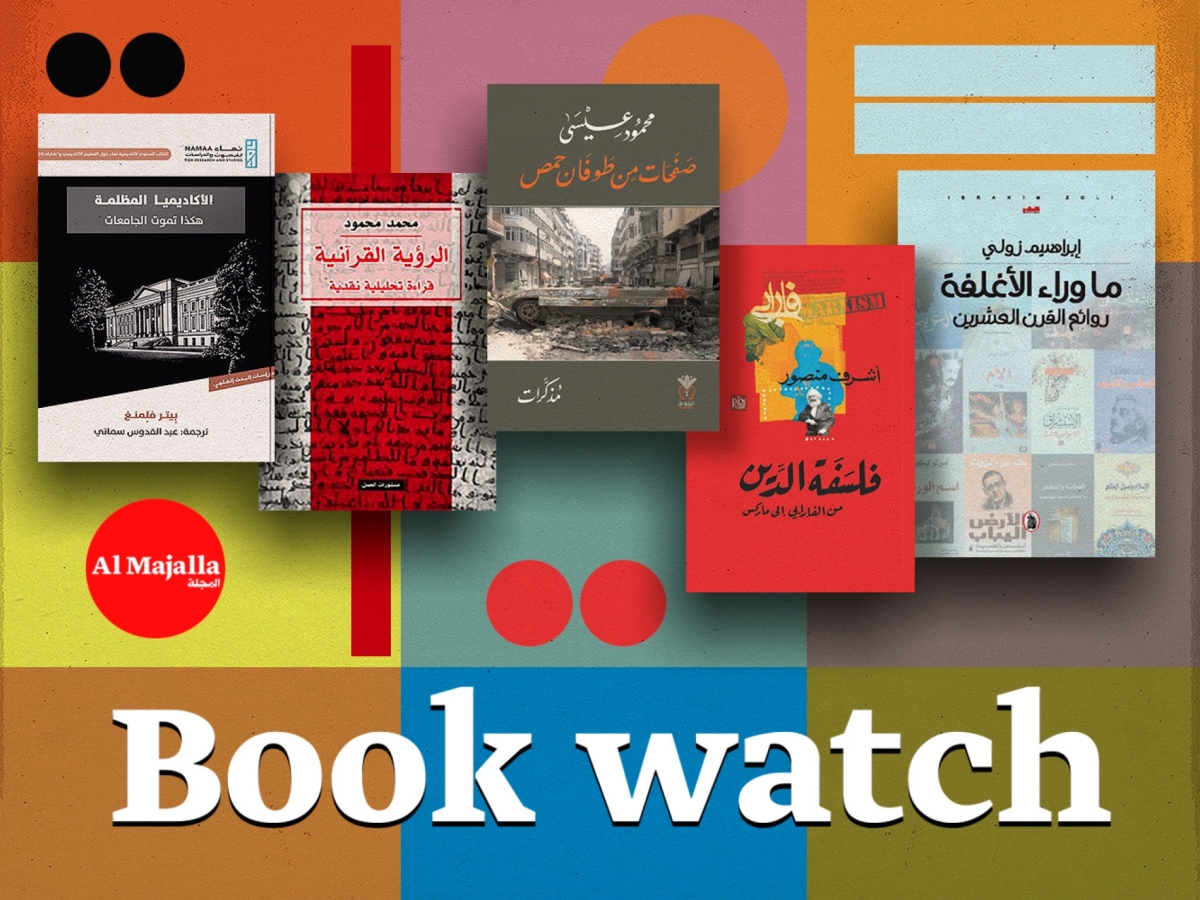
Dark Academia: How Universities Die

Author: Peter Fleming

Translation: Abd al Quddus Smati

Publisher: Namaa Centre, Egypt

Written during the Covid-19 pandemic and published in English in 2021, this is a sharp critique of what the university has become under neoliberalism—from a space devoted to the production of knowledge, to a metric-crunching industry driven by capitalism, competition, and profit.

Fleming, a professor who has authored other books on the effects of capitalism, argues that the pandemic exposed universities’ vulnerability in times of crisis and revealed a deeper malaise that had been building for many years. The modern university, he suggests, has become a commercial venture fixated on performance indicators, increasingly detached from its original mission of expanding minds.

As lockdowns were imposed and academic institutions rushed into a rapid digital transition for fear of a financial hit, it became clear that the dysfunction predated the pandemic, the author argues, and was far more deeply rooted. For him, Covid-19 exposed what was already there, rather than creating it.

Fleming traces the changes to several factors, including universities’ reliance on foreign students as an income stream, to the expansion of administrative bureaucracies and their effect on decision-making. He examines precarious contracts and unstable employment among faculty, the erosion of academic collegiality, and the transformation of the lecturer into a monitored worker prone to mental exhaustion, pushed on output and numbers-based indicators, with little regard for the human or intellectual dimensions of their work.

The author explores the psychological and social consequences of these shifts, both on academics and students, with fear of job loss, competition among peers, constant evaluation, and trivial incentives that sit uneasily with the conditions required for serious intellectual work.

This, he thinks, has contributed to a loss of spirit and purpose, as the commercial impulse reshapes universities’ finances, organisation, and behaviour. As well as being revelatory, this book is a call to rethink the future of higher education before what remains of its spirit ebbs away. As much as warning as it is analysis, this is fundamentally a plea to save what can still be saved.
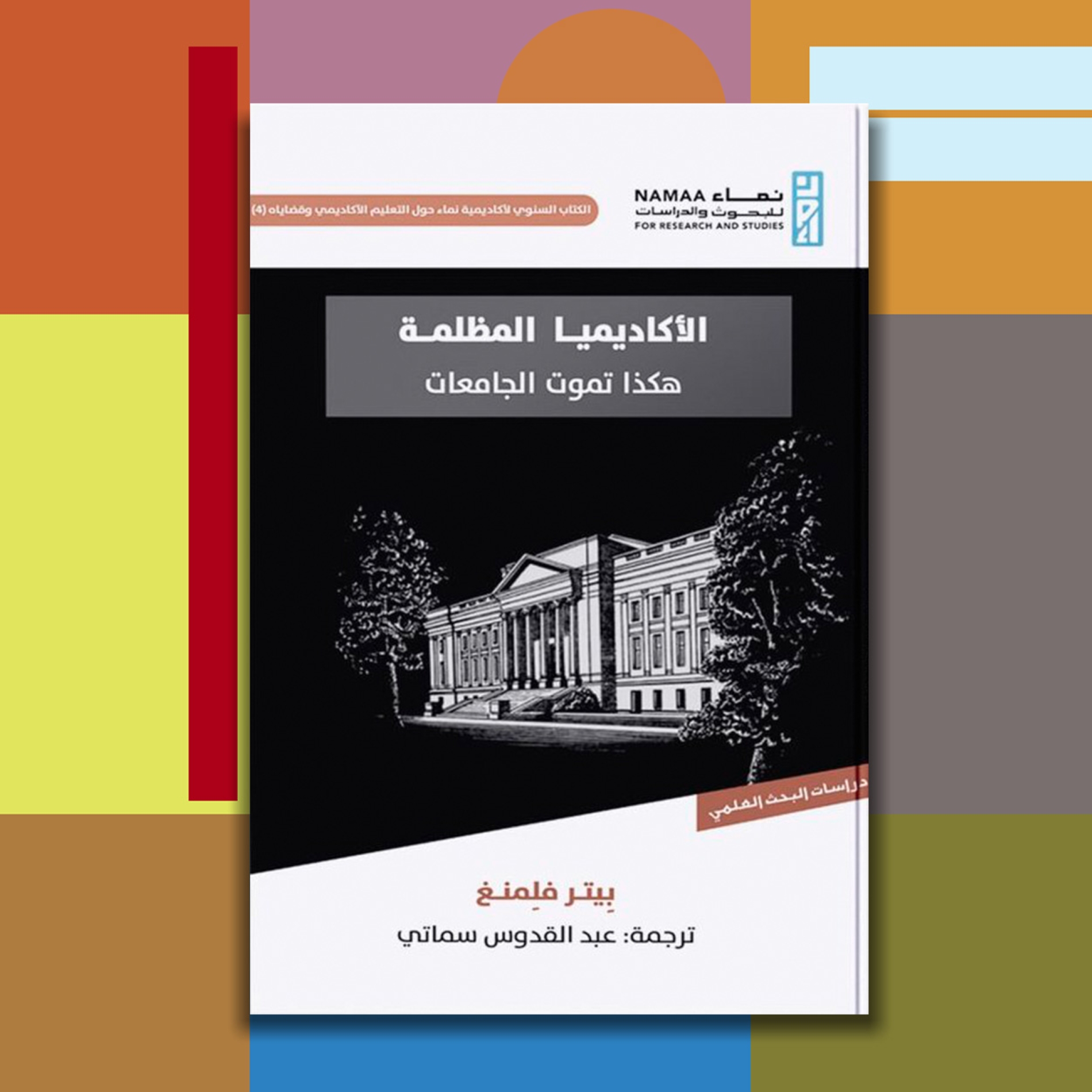
The Quranic Vision: An Analytical and Critical Reading

Author: Mohammed Mahmoud

Publisher: Dar al Jamal Publications, Iraq

Mahmoud’s study of the Holy Quran departs from conventional approaches confined to religious exegesis. He argues that the Quran is not a static text but a document that reflects, both historically and culturally, the transformations of thought and society during the Prophet’s time and after.

Structured around four main sections, it opens with a discussion of the mushaf, the collection of the Quran, and its historical ordering. Mahmoud explains that the text was not fully unified in its earliest stages, and that the compilation undertaken during the caliphate of Uthman ibn Affan represented a turning point in standardisation.

He then turns to what he calls the triad, the relationship between the Quran and the religious heritage that preceded Islam. The author traces intellectual and symbolic overlaps between Quranic passages and earlier ideas, showing how the Quran absorbed and reshaped certain elements within an overarching prophetic vision.

The third section focuses on what he terms ‘the journey,’ the development of Quranic discourse over time and the ways in which understanding of the text is shaped by the historical and social contexts in which it emerged. Mahmoud argues that any reading detached from that context loses much of the meaning and significance.

The fourth section addresses what he calls ‘the destiny,’ highlighting the intellectual and social consequences of divergent Quranic readings and interpretations across history. He examines the extent of their influence on thought and society, including the divisions that arose from competing interpretations.

Overall, the book poses questions about the role of the Quran in shaping human and social consciousness, offering a broad perspective that treats the study of Quranic texts as an epistemic endeavour that moves beyond conventional religiosity to become a field for producing knowledge.

Mahmoud argues that the Quran should be approached as a multilayered text combining historical, linguistic, cultural and intellectual dimensions. This, he thinks, will enable a deeper and more objective reading while maintaining respect for the text as a powerful document in human thought and a cornerstone of Islamic civilisation.
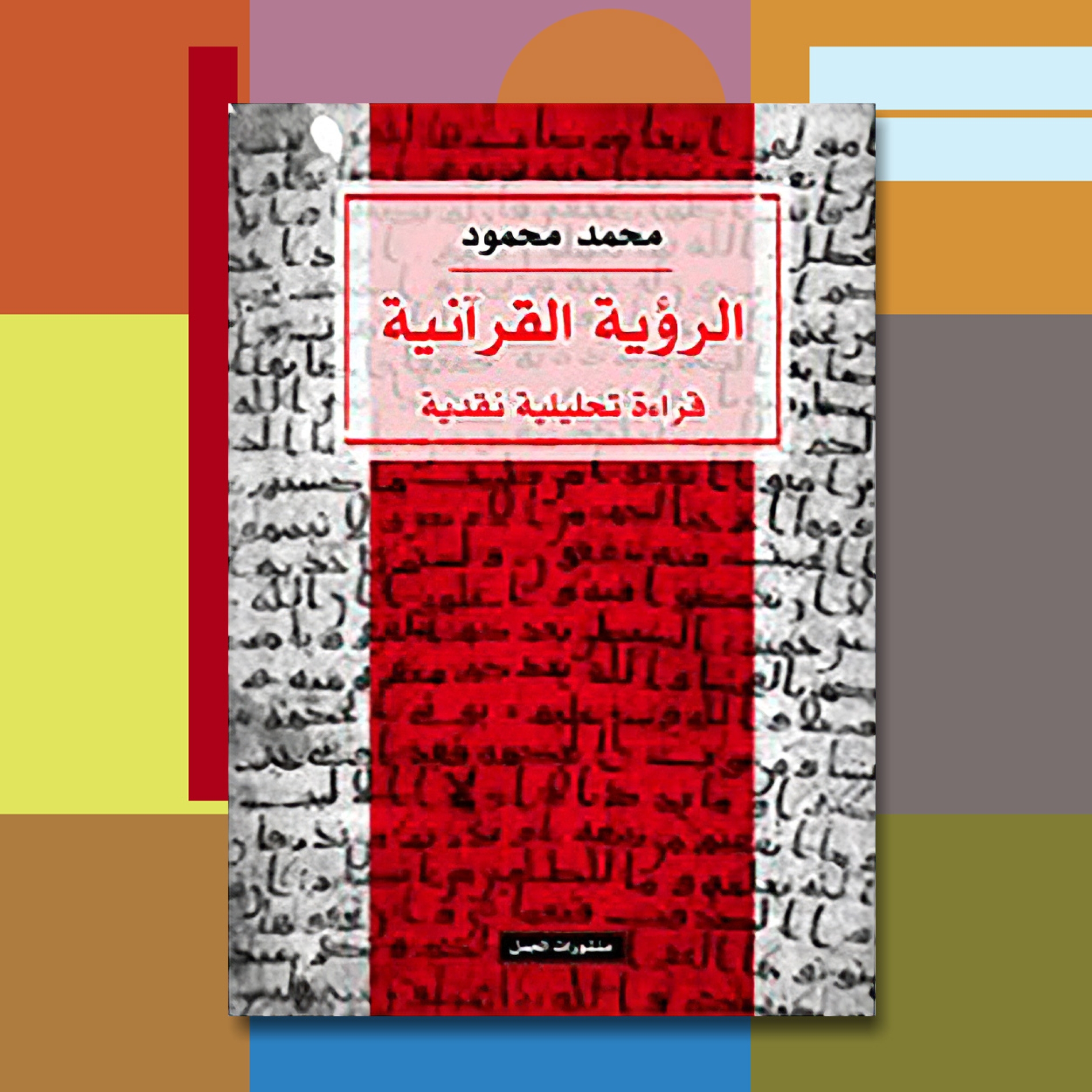
Pages from the Homs Flood

Author: Mahmoud Issa

Publisher: Dar Ninawa, Syria

This is a work of testimony and memoir documenting part of Issa’s experience of repeated arrests, imprisonment, and persecution in Syria as a political opponent, particularly during the Syrian uprising in Homs, which began in March 2011.

The author recounts the harsh realities he endured, offering a stark view of repression under the former Assad regime. It begins with his sudden arrest shortly before midnight. Taken in a jeep from a security branch in Ghouta, he is handcuffed and driven to Adra Prison in Damascus. Longing for his children, he is also uncertain as to his fate. “The car was travelling south, and my heart was travelling north,” he writes. “The further the car went, the greater my sorrow grew. My children’s presence loomed larger, as did the unknown fate awaiting me.”

Issa recalls memories from before his arrest, including his release from Tadmor Prison in 2000 after years of earlier detention, and reveals the psychological impact of a lengthy imprisonment. “How different and contradictory the feelings were then, leaving prison, compared with being arrested now.”
Mansour offers a route to understanding religion through a critical-rational analysis that links thought to reality and history

The book describes Homs during the uprising. Issa says he was among the first to cover sit-ins by the popular protest movement in the Old City, especially in the Bab al Sebaa neighbourhood, and to share information about events on the ground with satellite channels. That, he says, led to his arrest and detention in the central prison in Homs, one of the harshest ordeals he describes.

Issa links his experience to that of other activists including Michel Kilo, Father Francis, Anwar al Bunni and Safwan Tayfour. A portrait emerges of freedom's fragility under a repressive system, and of prison suffering that extends beyond physical confinement to a deep psychological wound that festers long after release.

Direct and unadorned, the writer reopens what he describes as his wounds of absence from family and society. It amounts to an intimate account of the signals and ironies he lived through, between fear and hope, remembering and forgetting.

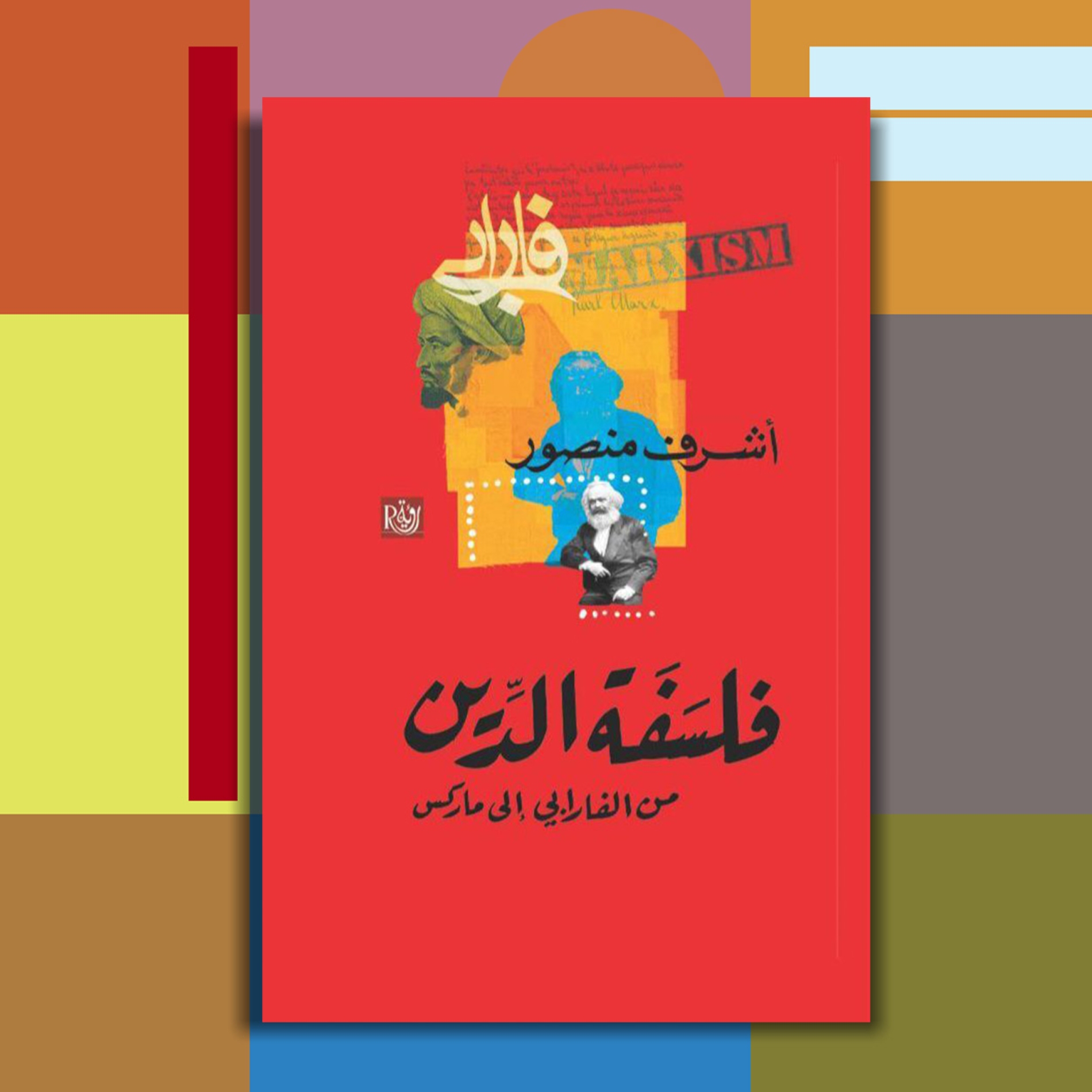
Philosophy of Religion: from al-Farabi to Marx

Author: Ashraf Mansour

Publisher: Dar Roaya, Egypt

This is an intellectual study of how philosophical thinking about religion has developed over time, from classical Islamic philosophy to modern Western thought. In doing so, it traces major shifts in how the religious phenomenon has been understood, including its epistemic, social, and political functions.

Mansour argues that the philosophy of religion is not simply a defence of doctrine or an explanation of sacred texts, but an independent field that seeks to understand religion as a complex human phenomenon in which rational, ethical, historical, and social dimensions intersect.

From this, he maps the field's development through models that marked decisive moments in global reflection on religion. He begins with the 10th-century Muslim philosopher Abu Nasr Muhammad al-Farabi (known simply as al-Farabi), who regarded religion as a symbolic expression of philosophical truth, addressed to the public through imagination and imagery and to the philosopher through reason and demonstration.

He then turns to Ibn Rushd, one of the most prominent defenders of the possibility of reconciling wisdom with religious law, who argued that any apparent conflict between reason and revelation is a conflict of interpretation rather than a conflict of truth.

The book then moves to key figures in modern philosophy, including Baruch Spinoza, who offered a historical and critical reading of religious texts and urged the separation of faith from reason. It also examines Immanuel Kant, who reestablished religion on an ethical foundation, and Georg Wilhelm Friedrich Hegel, who regarded religion as an expression of the development of spirit (or reason) throughout history.

The philosophical discussion culminates in the work of Ludwig Feuerbach and Karl Marx, in which religion is approached less as metaphysics and more as a human and social phenomenon. Feuerbach understood religion as a projection of human desires onto the absolute, while Marx advanced a radical material analysis, treating religion as a reflection of social and economic alienation and, in certain contexts, as a tool bound up with class struggle.

Across these stages, Mansour highlights the key transitions through which religion moved from being framed primarily as a debate about proving God's existence and the nature of revelation, to being understood as a social, cultural, and historical phenomenon connected to the structure of society and its transformations. In this way, the book offers a route to understanding religion beyond traditional doctrinal polemics through a critical-rational analysis that links thought to reality and history.

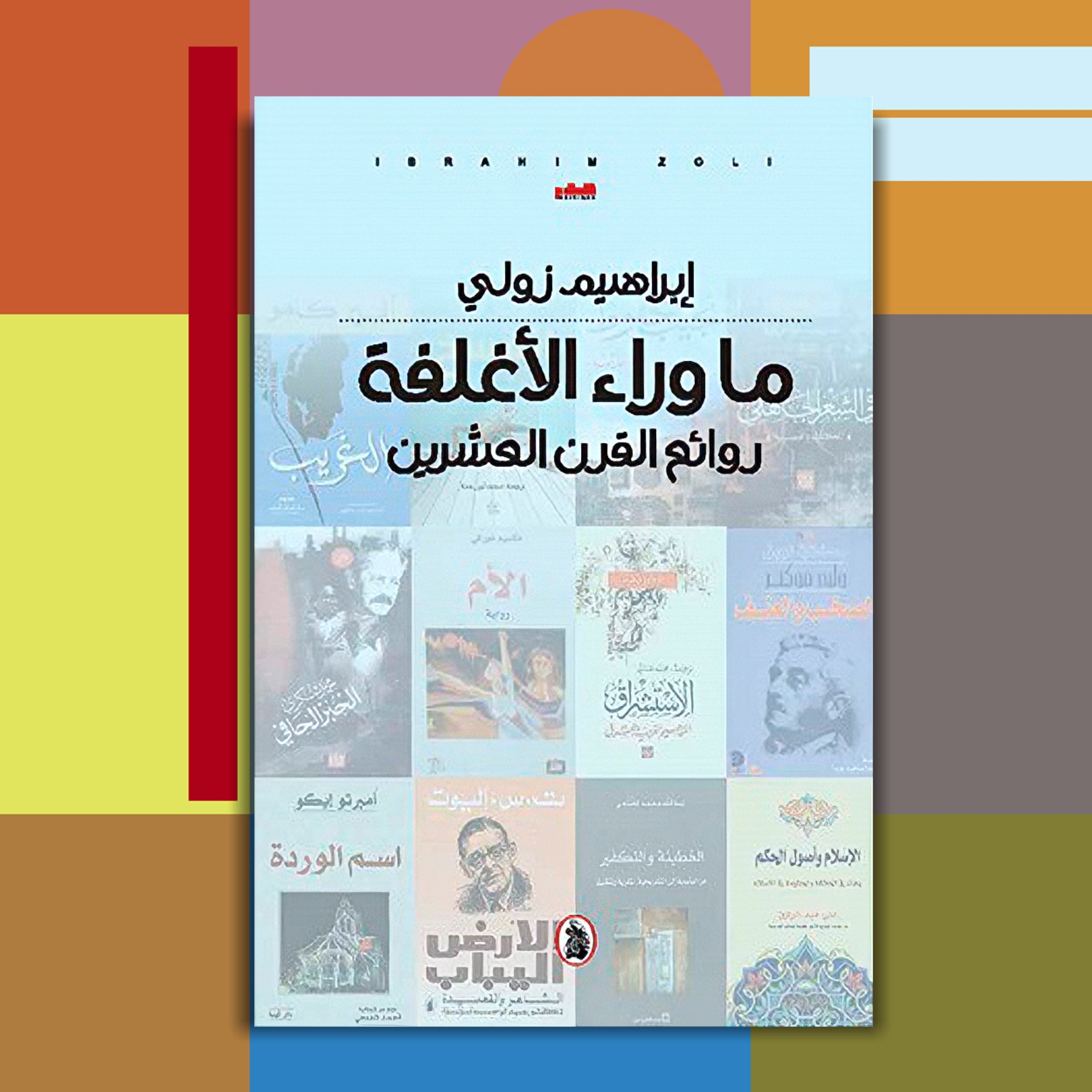
Beyond the Covers: 20th Century Masterpieces

Author: Ibrahim Zouli

Publisher: The Arab Institution, Lebanon

Ibrahim Zouli's critical and investigative work examines 30 influential literary and intellectual titles that he thinks helped shape 20th-century consciousness, a turbulent era of radical transformations in thought, politics, society, and culture.

Zouli starts from the premise that these works are not simply texts bound between covers but open windows onto diverse intellectual, cultural and political worlds—bridges linking East and West, literature and philosophy, the individual and society, dream and reality.

He selects his texts to reflect geographical, cultural, and intellectual diversity, ranging from novels and poetry to philosophy and social and political critique. It comprises 30 works (including Arabic titles and others translated), which Zouli regards as representing major cultural currents of the 20th century.

Among the texts he discusses are: Zaynab by Muhammad Husayn Haykal, often regarded as the first modern Arabic novel; Ulysses by James Joyce, a landmark of modernist fiction; The Stranger by Albert Camus, chosen for its existential reflection; and One Hundred Years of Solitude by Gabriel Garcia Marquez, regarded as a Latin American epic.

The author also considers philosophical works such as Lucien Freud's The Interpretation of Dreams, Jean-Paul Sartre's Being and Nothingness, Edward Said's Orientalism, and modern Arab intellectual texts including Muhammad Abed al Jabri's The Formation of Arab Reason and Ali Abdel Raziq's Islam and the Foundations of Governance, highlighting their influence on contemporary Arab thought.

Zouli provides a full context for each work, outlining its publication history, the intellectual and social circumstances in which it emerged, the substance of the text, and the literary or conceptual techniques its author used or introduced. He then considers the work's significance and impact.

He aims to encourage readers to form a relationship with these texts and to think about the questions they raise, rather than seeking ready-made answers. In this sense, the book is a map of knowledge, showing how 20th century transformations were refracted through literature, ideas, and human consciousness.

Beyond the Covers offers a contemporary and expansive reading of the modern world through the books that, in the author's view, helped shape it. In this way, readers are invited to consider how they became enduring cultural symbols that continue to inspire literary and intellectual debate today.

font change

Related Articles