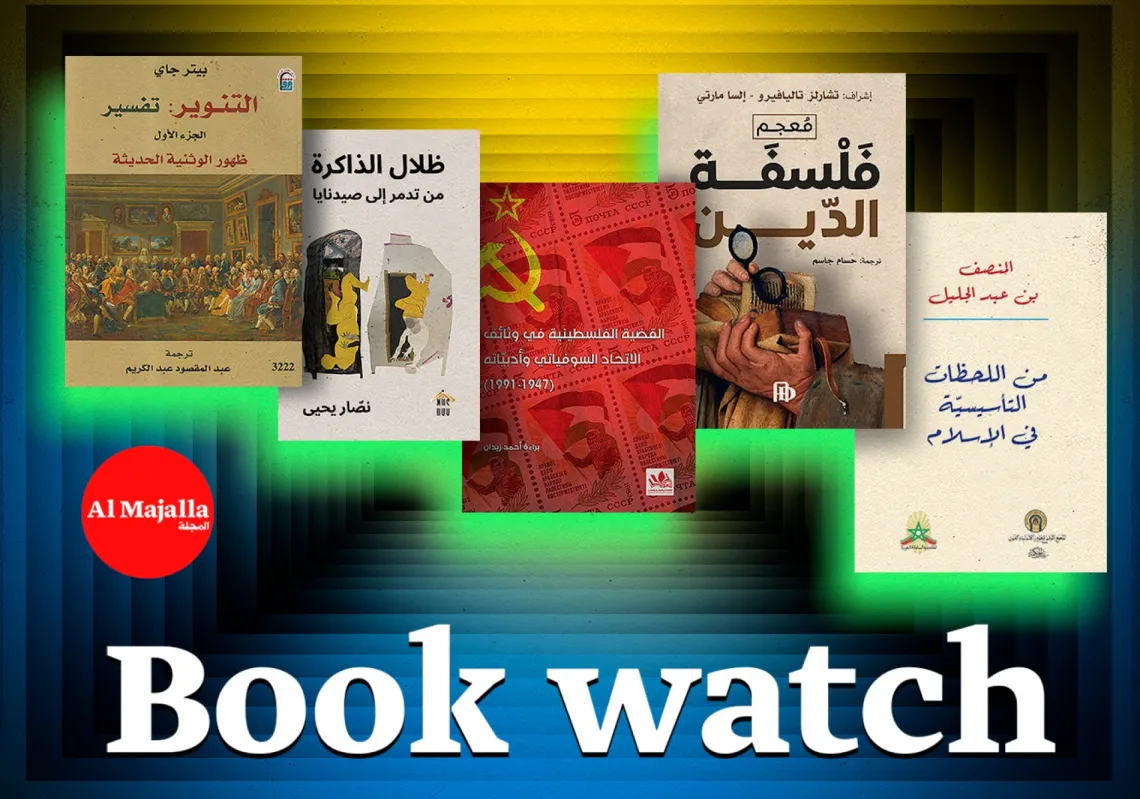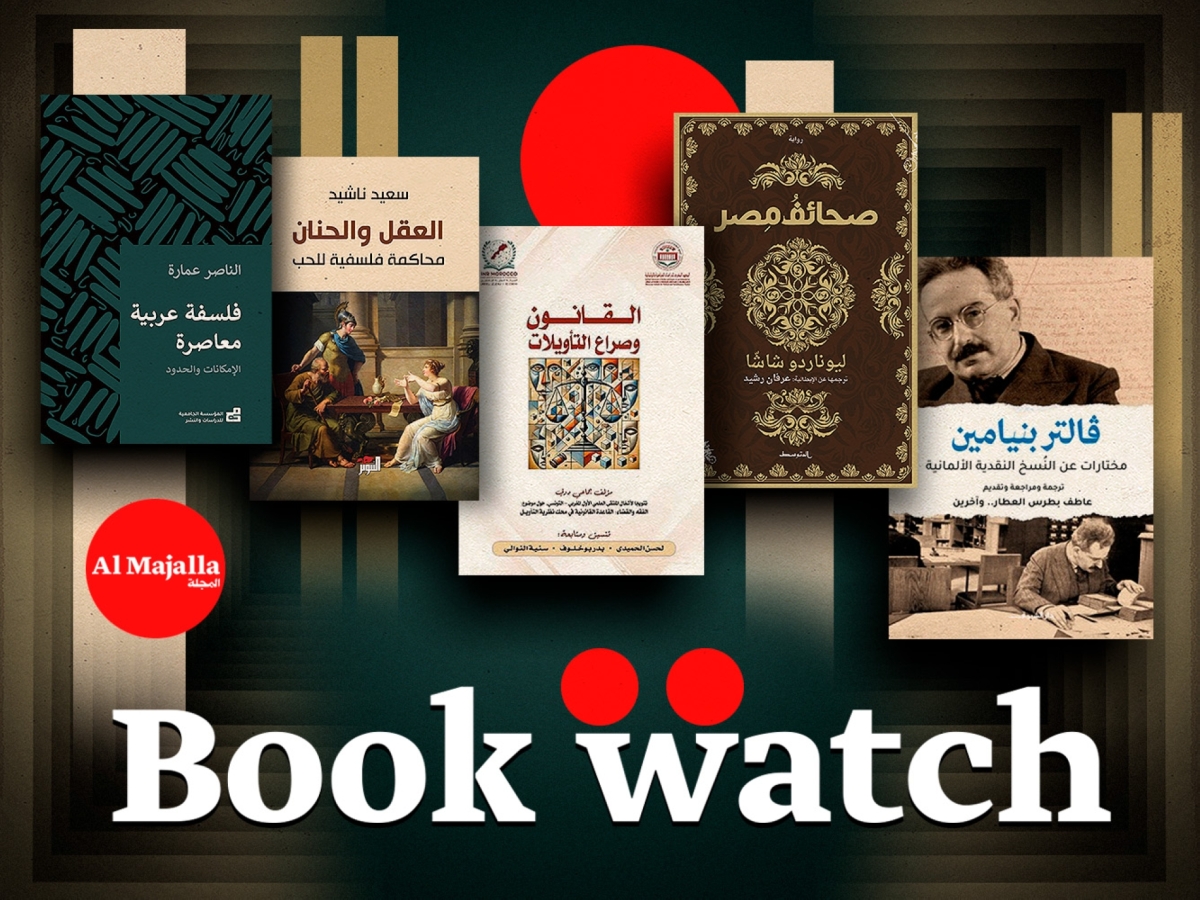

The Arab world has a vibrant and rich literary scene. Al Majalla picks out some choice titles in our fortnightly round-up of the latest Arabic books, which aims to highlight some trends and thinking in the Arab world.
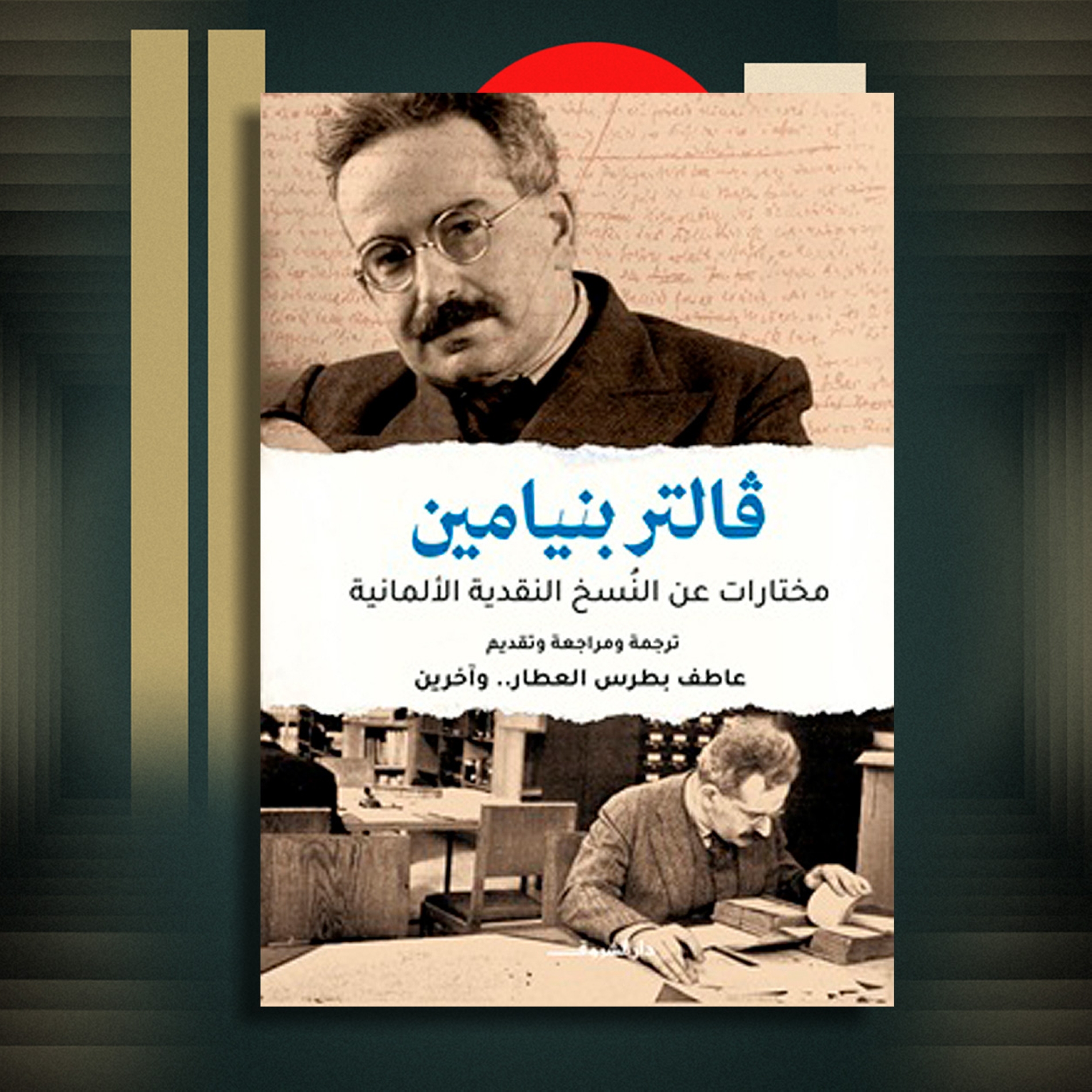
Selections from the German Critical Editions
By: Walter Benjamin
Translation, introduction, and review: Atef Botros al Attar and others
Publisher: Dar Al Shorouk, Egypt
A collaborative project that brings together an elite group of leading translators, Selections from the German Critical Editions aims to close a long-standing gap in Arab readers’ access to Benjamin’s original writings, after earlier translations circulated only in fragments or through intermediary languages.
The volume offers a critical selection focused on Benjamin’s German work in literary and cultural criticism. In doing so, it revisits the relationship between text and history and examines the critic’s place in modern society. The stated aim is to present the German philosopher in precise Arabic, enabling general readers and researchers alike to engage with his critical ideas and the foundational reflections that illuminate his theses on translation, technology, and cultural memory.
The book includes more than 25 new and rigorous translations, rendered directly from German texts established in critical editions, in official cooperation with the Walter Benjamin Archive in Berlin. The selection spans a wide range of key works, from his well-known essays and influential theses on the concept of history to his deep writing on language and literary criticism, as well as texts that explore the complex relationship between theology and politics.
It also situates each text within its historical and intellectual setting through substantial introductions that trace its composition and reception. It stands as an indispensable foundational effort, a call to rediscover Benjamin on firmer ground, and a vital resource for readers and researchers who have long awaited the opportunity to encounter him directly and engage with his distinctive thought.
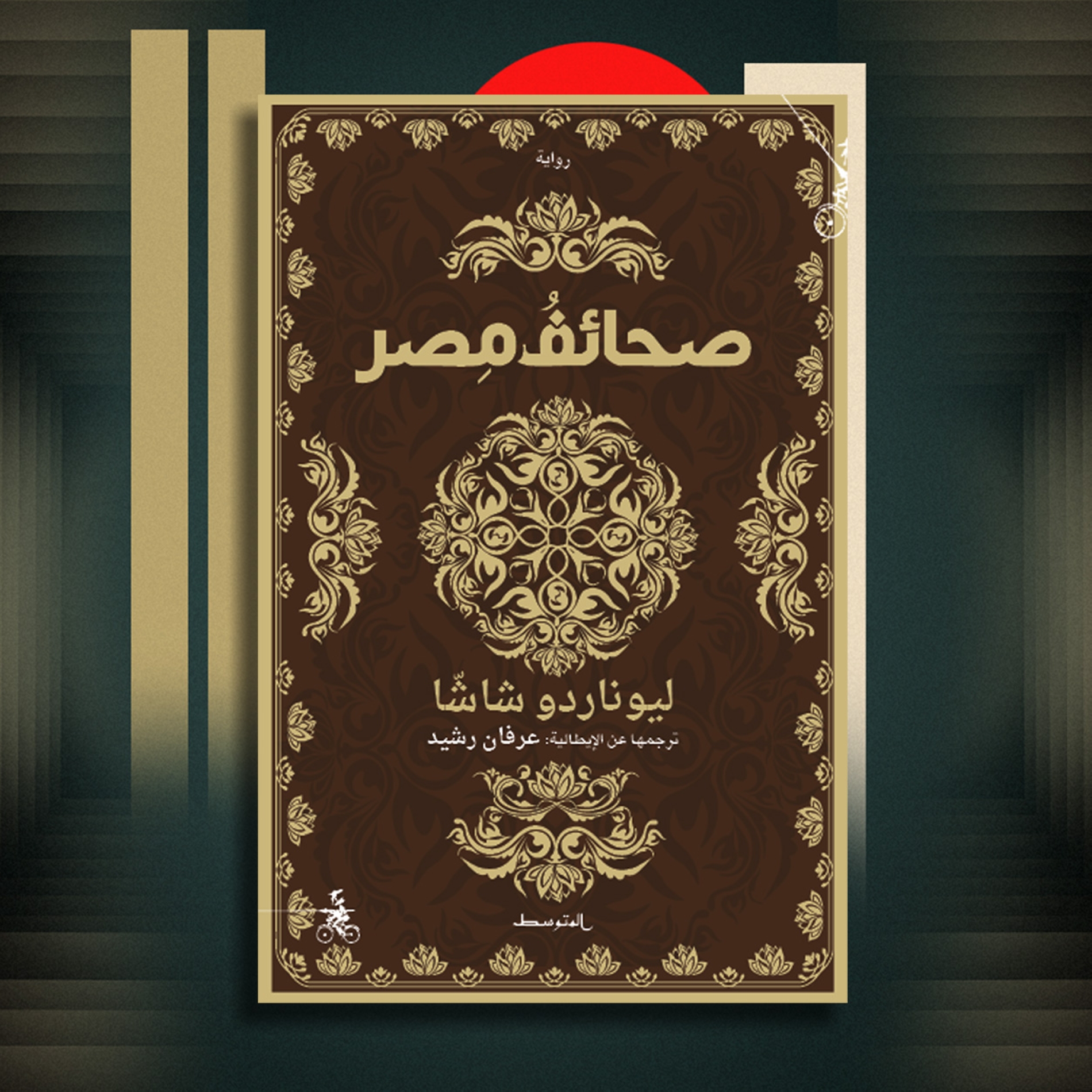
The Papers of Egypt
By: Leonardo Sciascia
Translator: Irfan Rashid
Publisher: Al Mutawassit Publications, Italy
This is a compelling narrative that blends history with political insight within an engaging novelistic frame. Drawing on real events in Sicily in the late 18th century, Sciascia tells the story with a contemporary sensibility, turning it into a frank reckoning through which the reader comes to recognise the nature of power and its manoeuvres in every era.
The novel centres on an incident that seems minor on the surface yet is rich in implication: the discovery of an old Arabic manuscript said to chronicle the history of Egypt and Sicily. Fate places it in the hands of a humble cleric, Father Giuseppe Vella, who, through a chain of deception and forgery, becomes a pivotal figure in a complex political game shaped by the Church, the nobility, and the ruling authority.
Sciascia shows how Vella exploits the ruling class’s ignorance of Arab culture to produce a wholly fabricated manuscript, one tailored to his interests and to the interests of those determined to rewrite history to secure their hold on power.
Opposing him is the Enlightenment-minded lawyer Francesco Paolo Di Blasi, driven by ideals of justice and change informed by the spirit of the French Revolution. Di Blasi collides with the rigidity of the feudal order and the complicity of the powerful, and his struggle ends in tragedy, reminding the reader that great ideas can be crushed by repression when they lack a firm and supportive social environment.