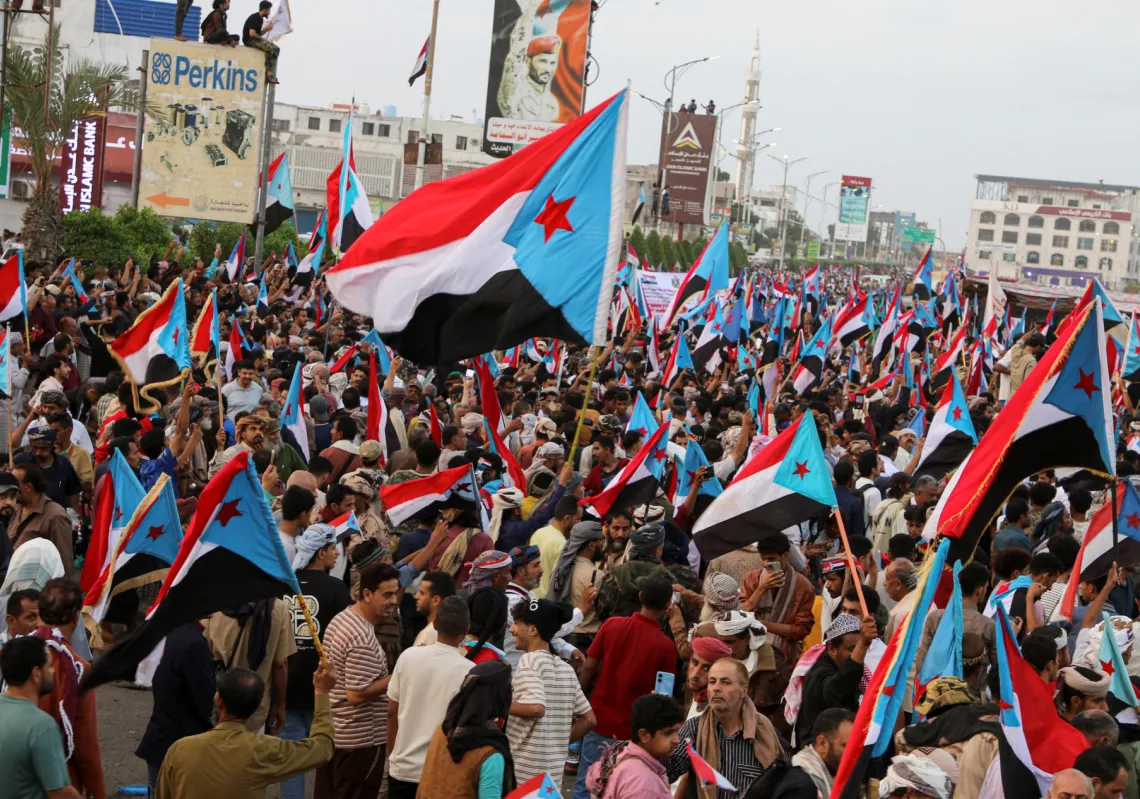

An eventful six weeks in Yemen have been capped off by the dissolution of the secessionist Southern Transitional Council (STC), which began in December by seizing half of Yemen’s territory, before withdrawing and ultimately disbanding.
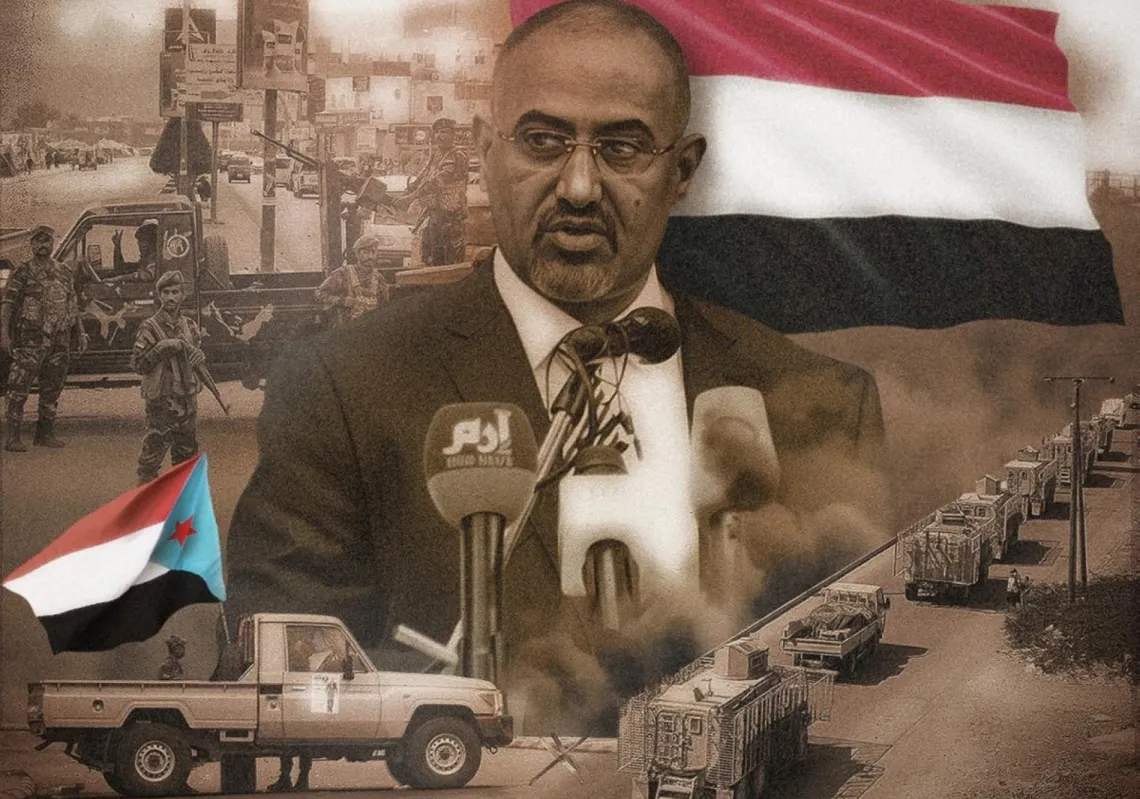
After its forces were pressured into retreating from the two large central and eastern governorates of Hadramout and Al Mahra two weeks ago, the STC’s adventurous leader, Aidarous al-Zubaidi, fled the country, as his colleagues prepared to fly to Saudi Arabia for a dialogue conference. With a weakened hand, the STC’s Secretary-General Abdulrahman Jalal al-Subaihi told delegates that the organisation had chosen to fold, dissolving itself as a political, organisational, and military entity.
In doing so, the council took a decisive step at a critical juncture, marking the beginning of a path toward a comprehensive resolution of the Yemeni crisis, one that has fractured the anti-Houthi coalition, creating an awkward situation for Gulf allies Saudi Arabia and the United Arab Emirates (which had backed the STC). The parties must now agree on how to incorporate the former STC’s military and security formations, along with their weapons and equipment.
Semblance of order
The oil-rich governorates of Hadramout and Al Mahra are now back under the control of forces loyal to the Saudi-backed Presidential Leadership Council (PLC), which is led by Rashad al-Alimi. The PLC has international legitimacy, a point he reiterated on Saturday, when he called himself “president of the country and the high commander of the armed forces” in a statement about the situation.
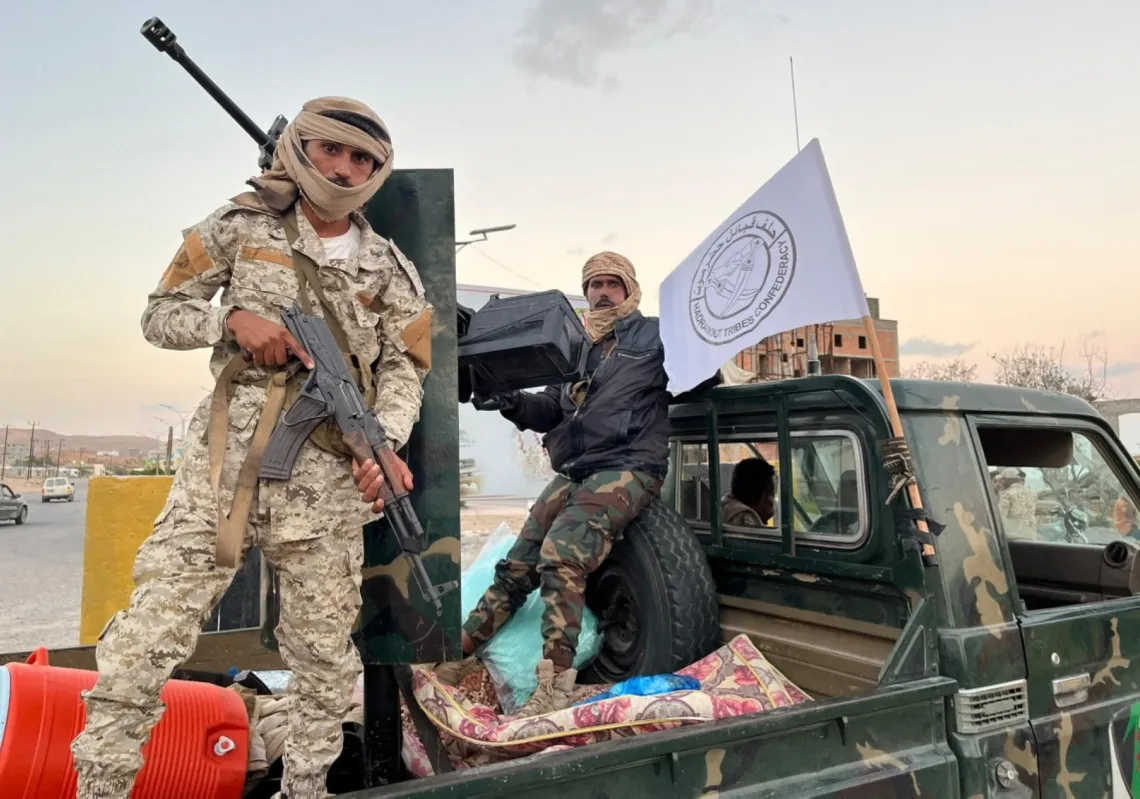
Yet absorbing the former STC’s armed units may be challenging, given that they comprise indoctrinated fighters whose principal loyalty is to their tribes. In a region with a history of grievances and long memories, unifying the anti-Houthi coalition and integrating these tribal units within the Ministry of Defence, Interior Ministry, and other state institutions may not be easy, especially after the past six weeks.
The STC’s dissolution may help. Its other leaders, who travelled to Riyadh, disowned any responsibility for its actions, blaming al-Zubaidi for the decision to attack Hadramout and Al Mahrah in early December, and acknowledging the damage caused by his gamble. Al-Zubaidi is understood to have fled Yemen by boat to Somaliland, before flying to Abu Dhabi.
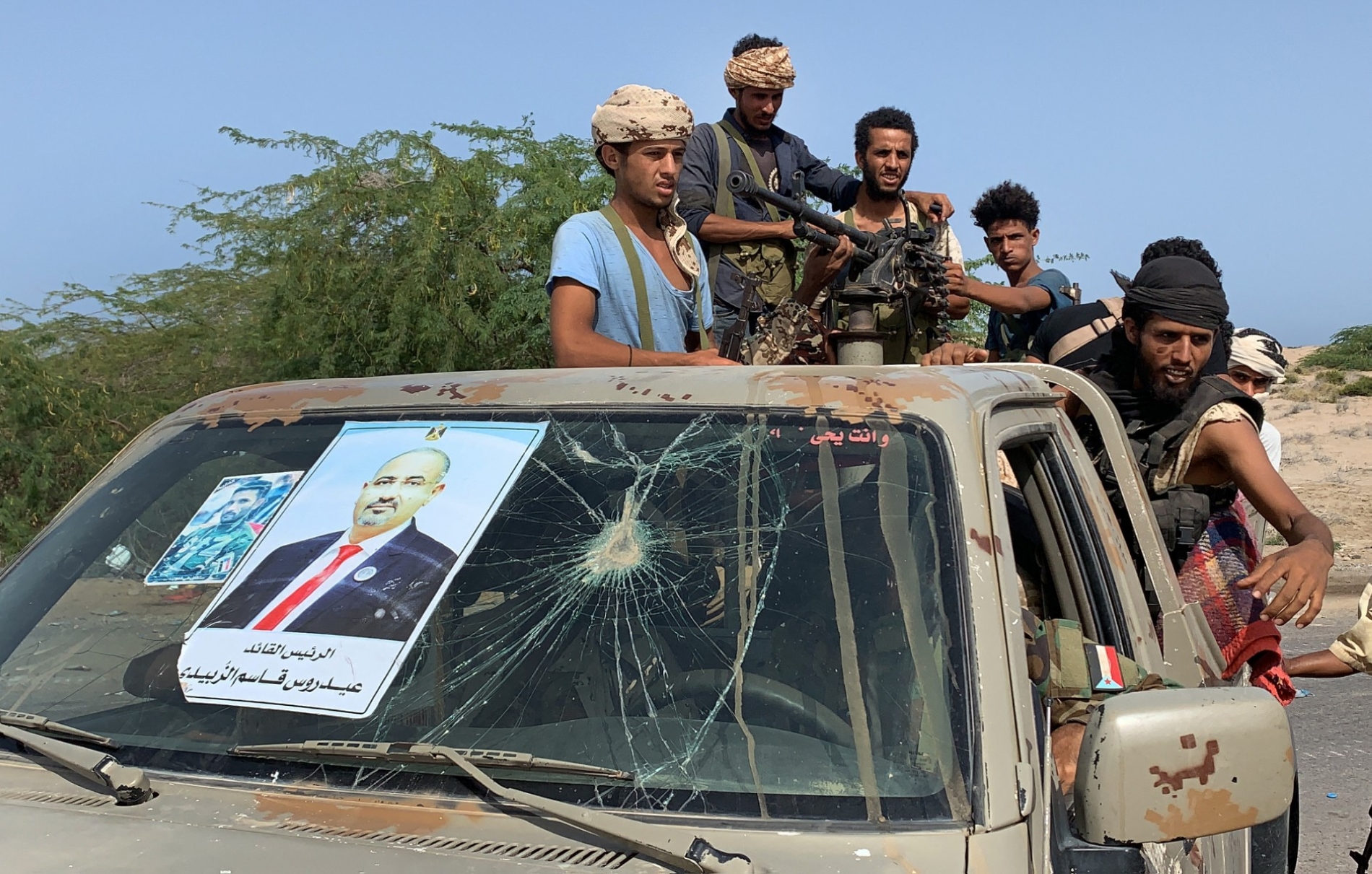
One man’s ambitions
In several statements throughout 2025, al-Zubaidi said he wanted a “two-state solution” in Yemen, calling for a separate, sovereign state in Yemen’s south, which he even named ‘South Arabia’. South Yemen was an independent state comprising eight governorates from 1967-90, before the unification of Yemen was agreed in the immediate aftermath of the Cold War. The PLC, of which al-Zubaida was vice-chair, said his secessionist agenda “does not align with the objectives for which the coalition was formed”.