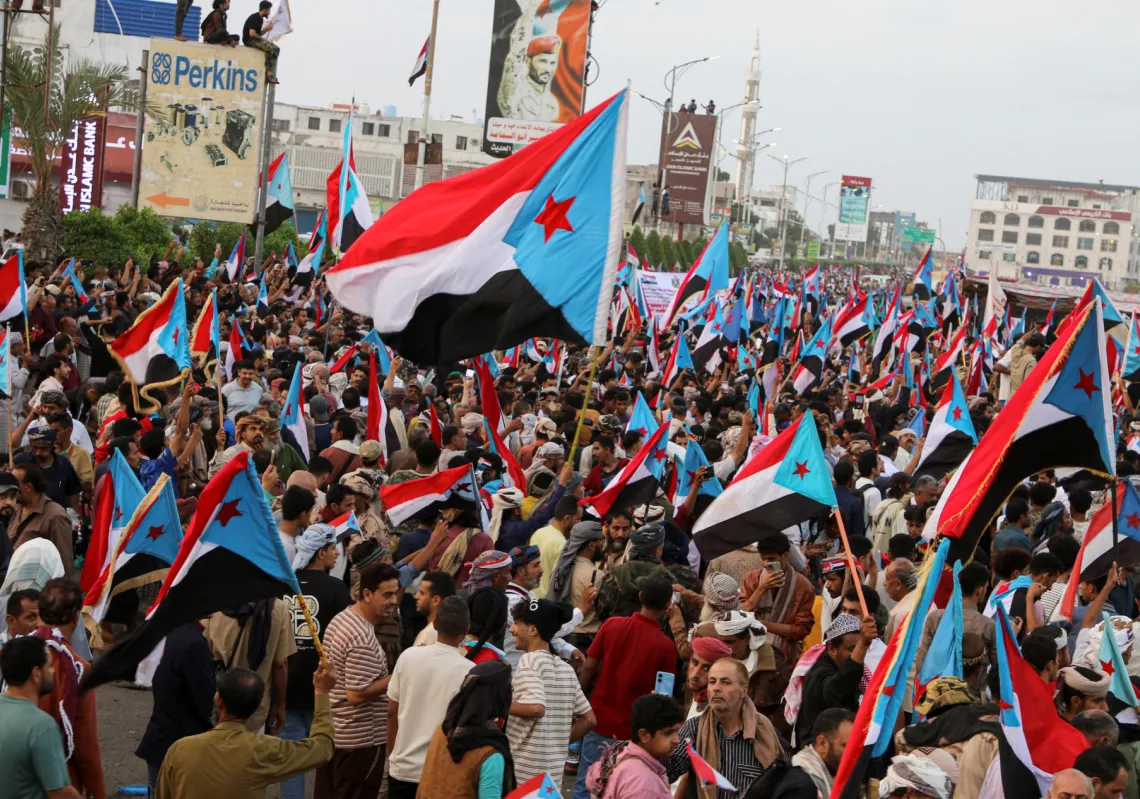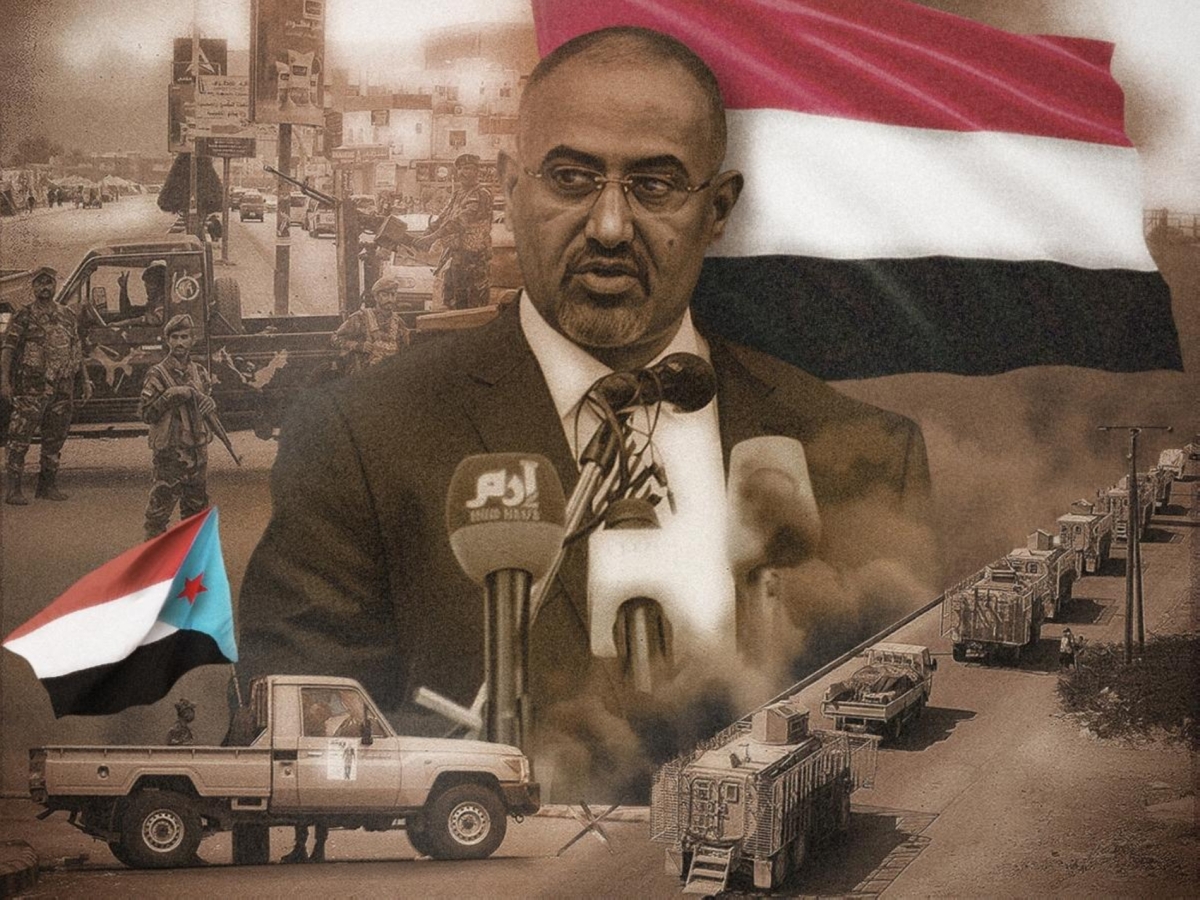

The leader of the secessionist Southern Transitional Council (STC) has fled to the United Arab Emirates via Somaliland after skipping planned peace talks in Riyadh, according to the Saudi-led coalition in Yemen, which accused the UAE of smuggling him out of the country.
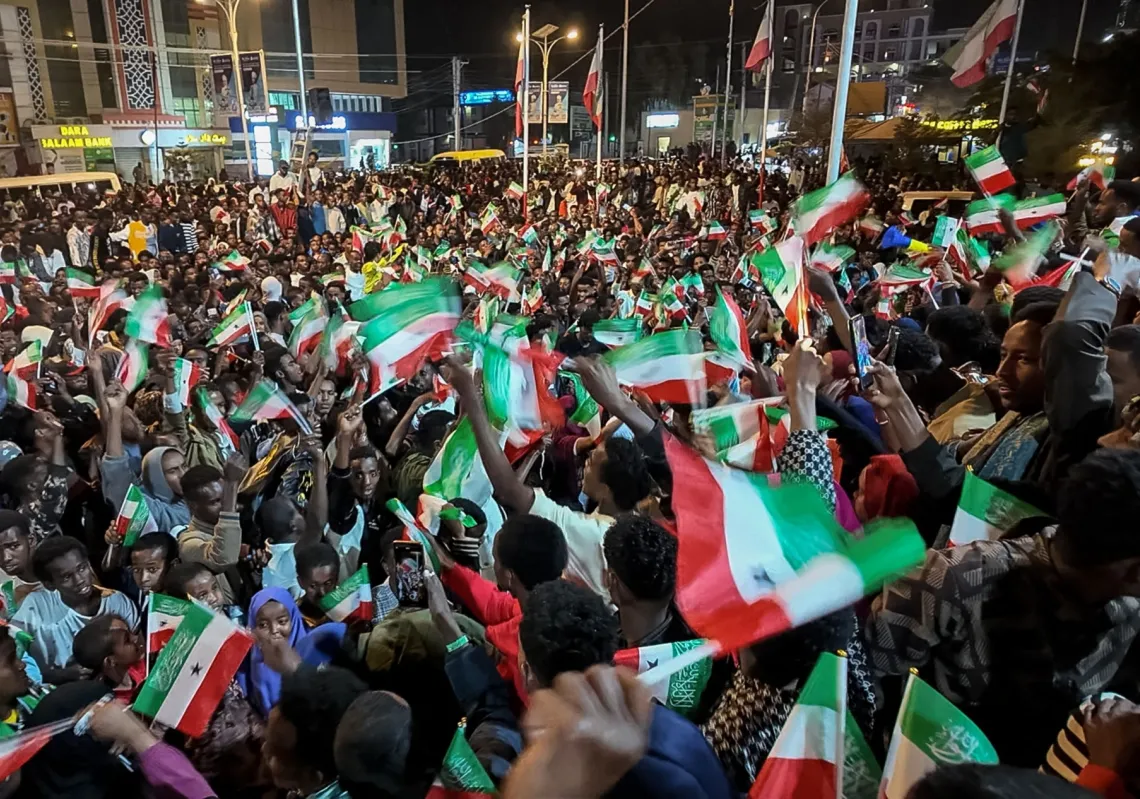
In a statement on Thursday, the coalition said Aidarous al-Zubaidi “escaped in the dead of night” on Wednesday on board a vessel that departed Aden in Yemen for the port of Berbera in Somaliland.
Al-Zubaidi then boarded a plane along with UAE officers and flew to Somalia’s capital, Mogadishu. “The plane turned off its identification systems over the Gulf of Oman, then turned it back on 10 minutes prior to arrival at Al Reef military airport in Abu Dhabi,” the statement said.
There was no immediate comment from the STC or the UAE.
Events in the south of Yemen in recent weeks have led to renewed focus on al-Zubaidi, whose forces led an assault on the governorates of Hadramout and Al Mahra in December.
Prior to December, efforts to placate and contain al-Zubaidi culminated in his appointment as vice-chairman of Yemen’s internationally recognised Presidential Leadership Council (PLC), with two of his allies also appointed to the body. His inclusion was with a view to liberating Yemen from Houthi rule, which is one of the PLC’s primary objectives.
Over the past three years, however, al-Zubaidi has operated as a parallel authority in the south, seeking to impose facts-on-the-ground through force, rather than building consensus within the PLC and the government. Al-Zubaidi appears to want to monopolise power and sideline other southern leaders who had emerged, whether based on their social or tribal standing, or on their political record.
PLC chair Rashad al-Alimi has blamed al-Zubaidi for the collapse of the arrangements that underpinned the 2022 partnership. By having the STC seize the governorates of Hadramout and Al Mahra (which have now been returned to forces under the PLC’s command), al-Zubaidi threatened Yemeni unity and risked creating conflict in the anti-Houthi alliance.
The STC’s seizure of these two areas (roughly half of Yemeni territory) ended a period of relative calm in the south, shattering the fragile arrangement that emerged in 2022. It also opened the door to a Saudi-Emirati proxy confrontation inside Yemen, shifting the conflict away from the Houthis and towards a clash between southern forces and the internationally recognised government. For its part, Houthi media welcomed al-Zubaidi’s separatist calls, which would entrench Houthi dominance and confer comparable legitimacy.
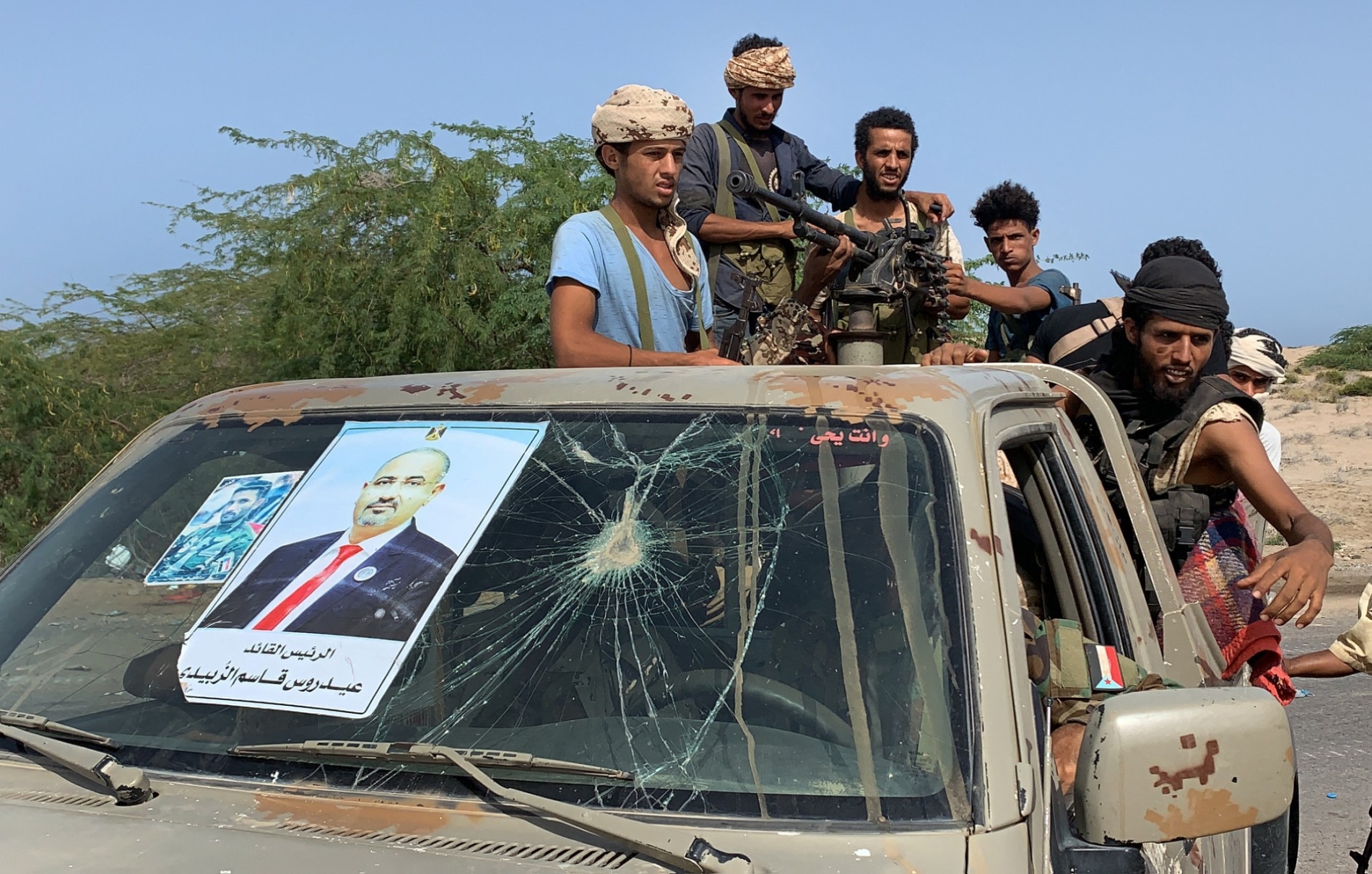
Saudi criticism centred on the management of security and sovereignty in Aden and at the ports. Along Hadramout’s northern border runs a 600km border with Saudi Arabia, so al-Zubaidi’s surprise seizure of the region heightened doubts about his intentions and those of his allies. He also asserted control over Aden’s airport, which he closed to project sovereignty while announcing secession. Blocking the landing of Saudi aircraft was an overtly hostile act that harmed Yemeni interests, signalling that existing understandings were being obstructed.
Rights abuses
In its annual report, Human Rights Watch accused the STC of arbitrary arrests, enforced disappearances and torture or ill treatment, within a broader pattern of violations by multiple parties in the country, adding that the targeting of journalists was an attack on press freedom. For its part, Amnesty International urged the STC to release a human rights lawyer who was arbitrarily detained and kept in solitary confinement.
Yemeni and Arab outlets have published reports of allegations that STC forces committed rights abuses in Hadramout against northern Yemenis working in the south, and against southerners outside the STC’s ranks, linking these abuses to the political confrontation over the push eastward.
Reports by the Associated Press and Reuters suggest that Emirati support for the STC enabled it to assume a larger role than Yemeni parties had anticipated, culminating in its assault on Hadramout and Al Mahrah. Yet after al-Zubaidi’s escalation, disagreements and splits within the STC became apparent. Some inside the group now criticise him for miscalculations, such as fracturing the southern front, uniting the forces of legitimacy against him, and angering Saudi Arabia by threatening its security.
Timeline of a coup
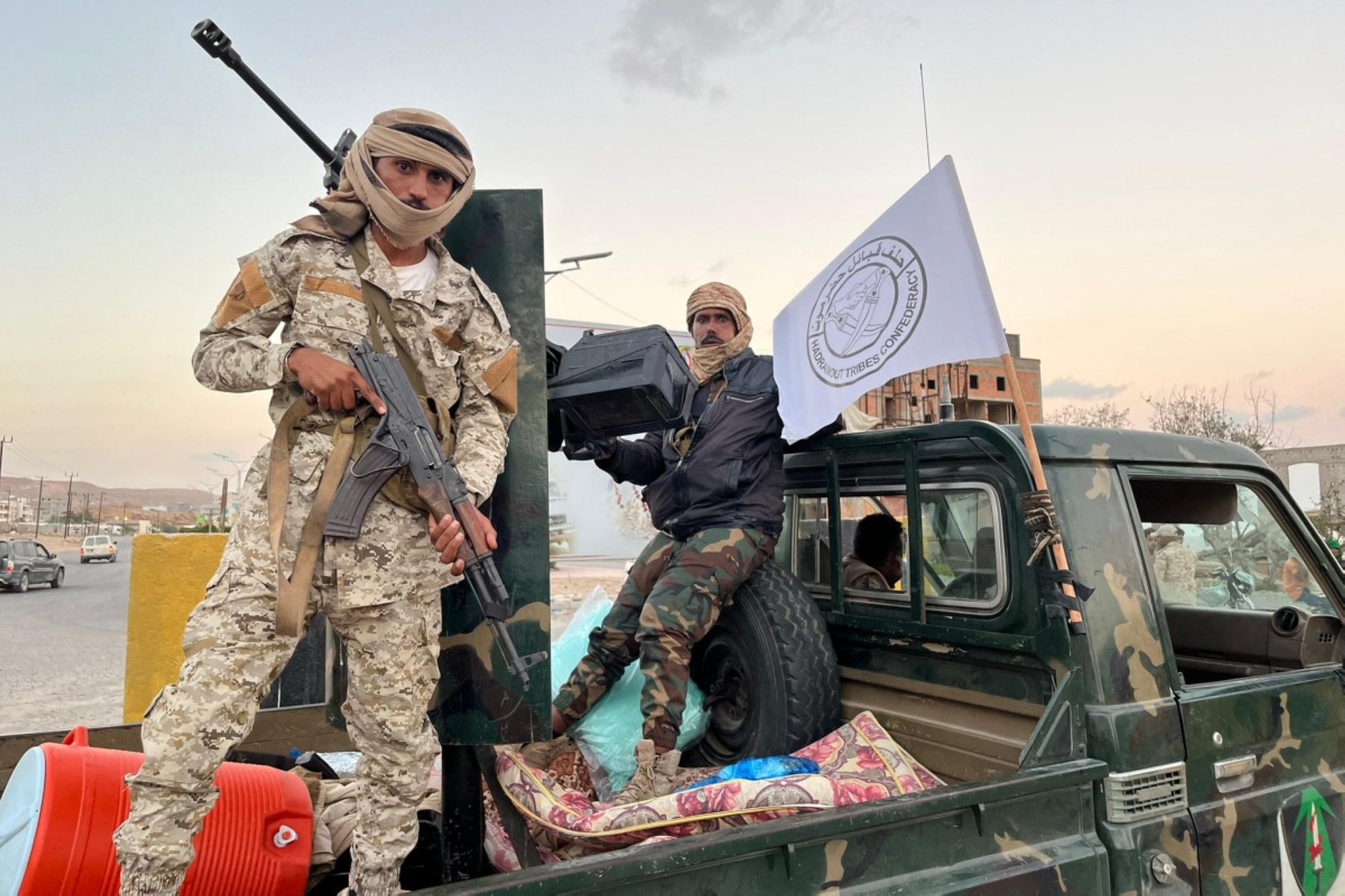
In November 2025, al-Zubaidi’s rhetoric sharpened toward the idea of a military coup to seize governorates that rejected his agenda, under the banner of restoring a state in the south. Field movements widened, and public opinion was primed for a major step, which began on 2 December. In a broad offensive, the STC advanced south and east, shifting the balance of control on the ground and heightening tensions within the anti-Houthi camp. By 8 December, almost the entire south was under al-Zubaidi’s control.
Prominent Western analysts described it as a dangerous turning point that could open the door to a new civil war. By 25 December 2025, Saudi Arabia issued a stern warning demanding al-Zubaidi's withdrawal from the areas seized, stating that the advance had become a security and political problem for Riyadh.
Shortly after, Saudi Defence Minister Prince Khalid bin Salman addressed Yemenis and urged the STC to enter dialogue and withdraw while handing over positions. "At this sensitive stage, it is time for the STC to respond to Saudi-Emirati mediation to end the escalation, for their forces to leave the camps in the two governorates, and to hand them over peacefully to the Nation's Shield forces and the local authority," he said.
At the same time, the Saudi-led coalition signalled its readiness to respond militarily, while the Saudi foreign ministry said the STC's actions in Hadramout and Al Mahrah were unilateral and undertaken without the approval of the PLC or in coordination with the coalition, adding that they had harmed Yemen and the southern cause.