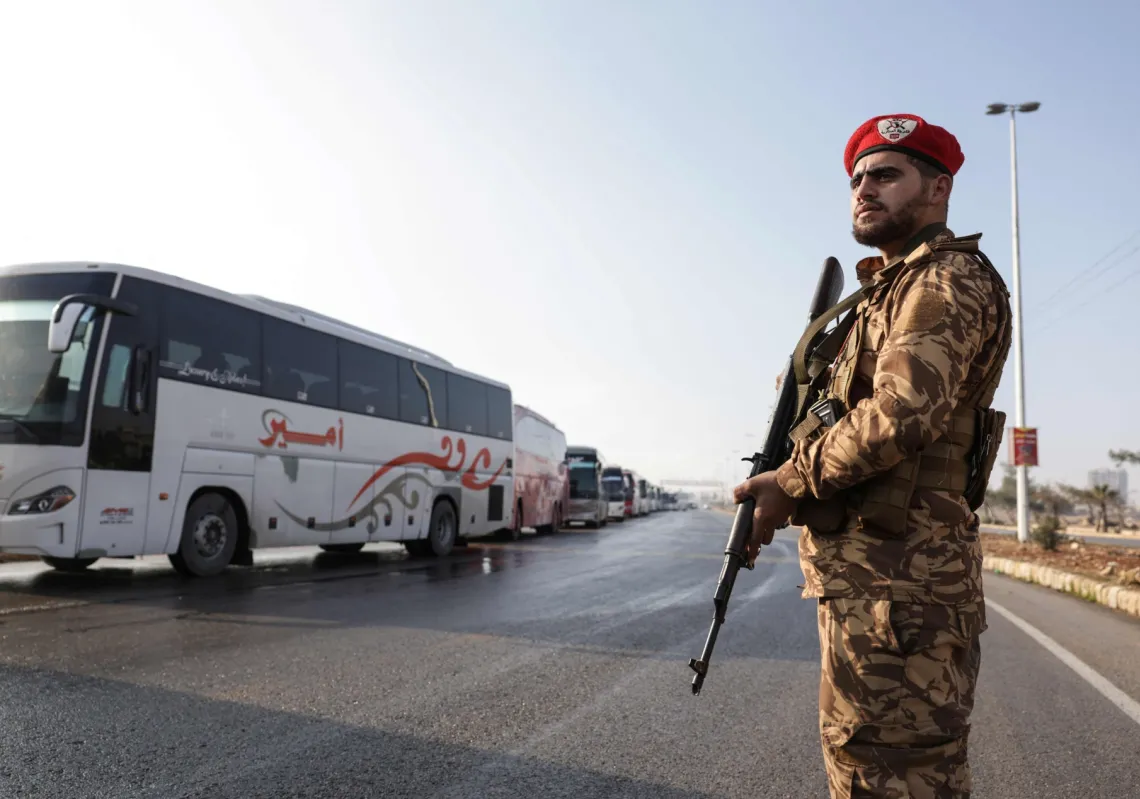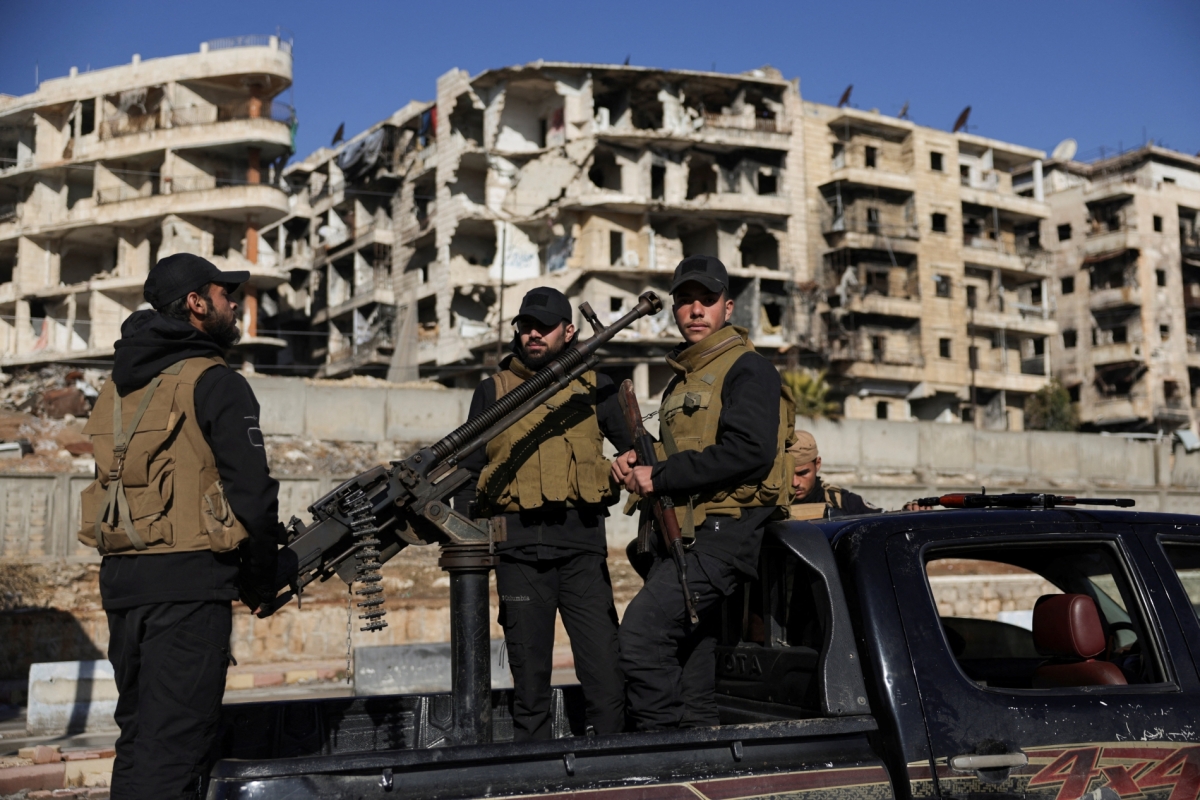

Syrian Democratic Forces have left the city of Aleppo, following a ceasefire deal that allowed evacuations after days of deadly clashes.
SDF commander Mazloum Abdi said the group had reached an understanding through international mediation on a ceasefire and the safe evacuation of civilians and fighters.
“We have reached an understanding that leads to a ceasefire and securing the evacuation of the dead, the wounded, the stranded civilians and the fighters from the Ashrafieh and Sheikh Maqsoud neighbourhoods to northern and eastern Syria,” he said in a post on X.
“We call on the mediators to adhere to their promises to stop the violations and work towards a safe return for the displaced to their homes,” he added.
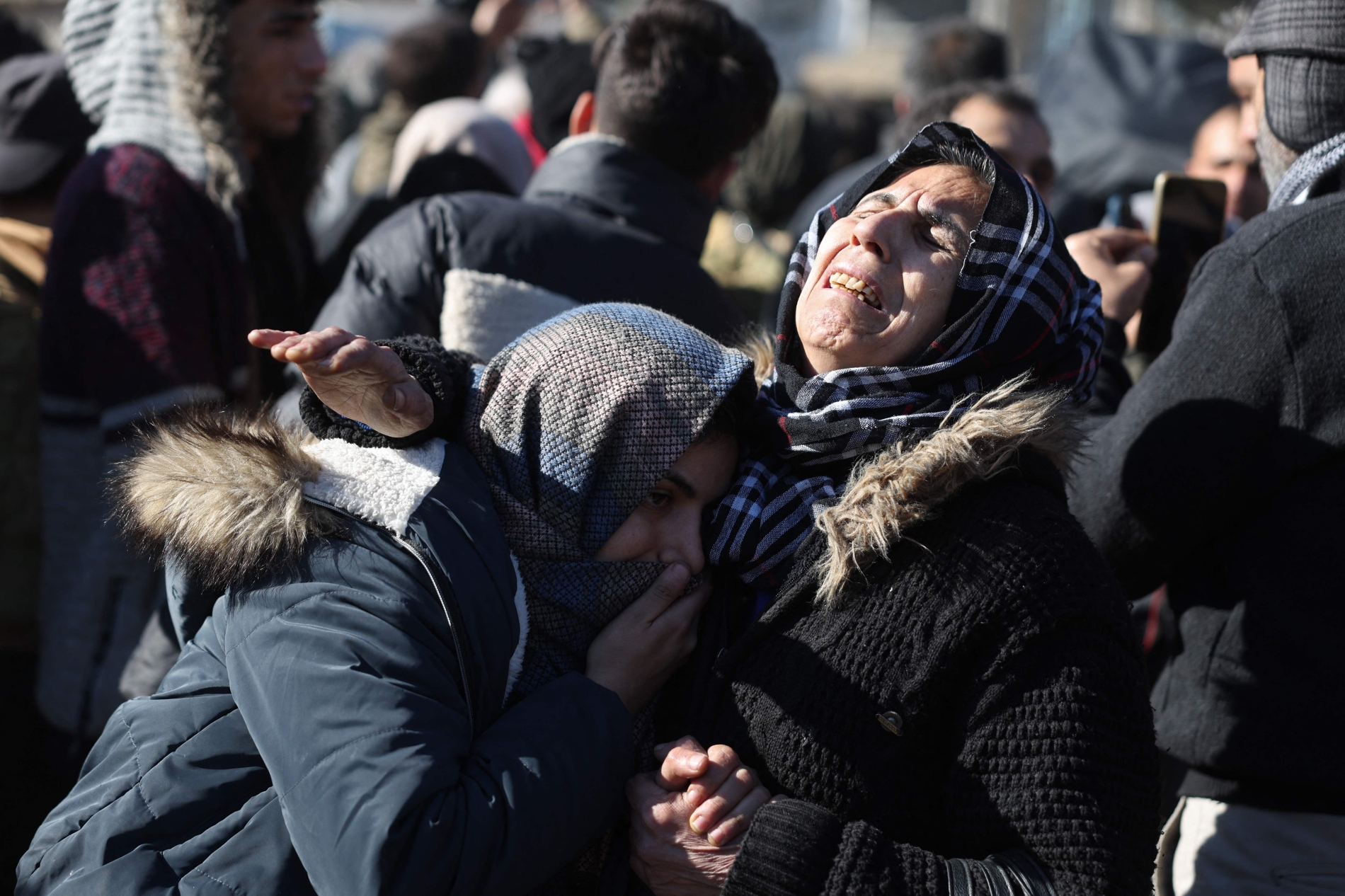
The announcement came after days of clashes between Syrian government forces and Kurdish-led SDF fighters in Aleppo, which killed 30 and displaced more than 150,000. It was the most serious confrontation between the two sides since the fall of the Assad regime.
But why did things get to this point?
After months of tit-for-tat skirmishes, Damascus appeared to have concluded that its dispute with the de facto Kurdish authorities in Aleppo’s predominantly Kurdish neighbourhoods would not be resolved through political engagement.
A military confrontation was always a possibility, and despite the ceasefire, an even larger confrontation cannot be ruled out. Damascus may have gone for low-hanging fruit as the small contingent of Kurdish fighters, confined to two fully encircled districts, stood little chance against government forces with their overwhelming advantages in manpower and firepower. That imbalance was quickly laid bare as government troops seized the contested neighbourhoods within days.
The more consequential question, therefore, is what the Aleppo escalation means for Syria’s broader political trajectory. Will the fighting derail the 10 March integration agreement signed by Syria’s interim president and the leadership of the Syrian Democratic Forces (SDF)? Or was it intended to jolt a stalled process back into motion by force?
From deal to deadlock
The escalation did not emerge in a vacuum. On 1 April 2025, Damascus and the Kurdish authorities in Aleppo reached an agreement to integrate the neighbourhoods of Sheikh Maqsoud and Ashrafieh into the central state. Under its terms, SDF-affiliated fighters were to withdraw; Kurdish internal security forces would remain in place; and existing local councils would continue to administer the areas in coordination with Aleppo’s provincial institutions.
The deal was widely seen as a pragmatic compromise and a potential confidence-building measure. Implementation, however, soon faltered. Deadlines slipped, mutual accusations mounted, and skirmishes grew more frequent. As trust eroded, the agreement lost much of its stabilising effect. The latest round of fighting was triggered by yet another exchange of fire, which both sides blamed on the other, while the absence of independent monitoring mechanisms made impartial verification difficult.
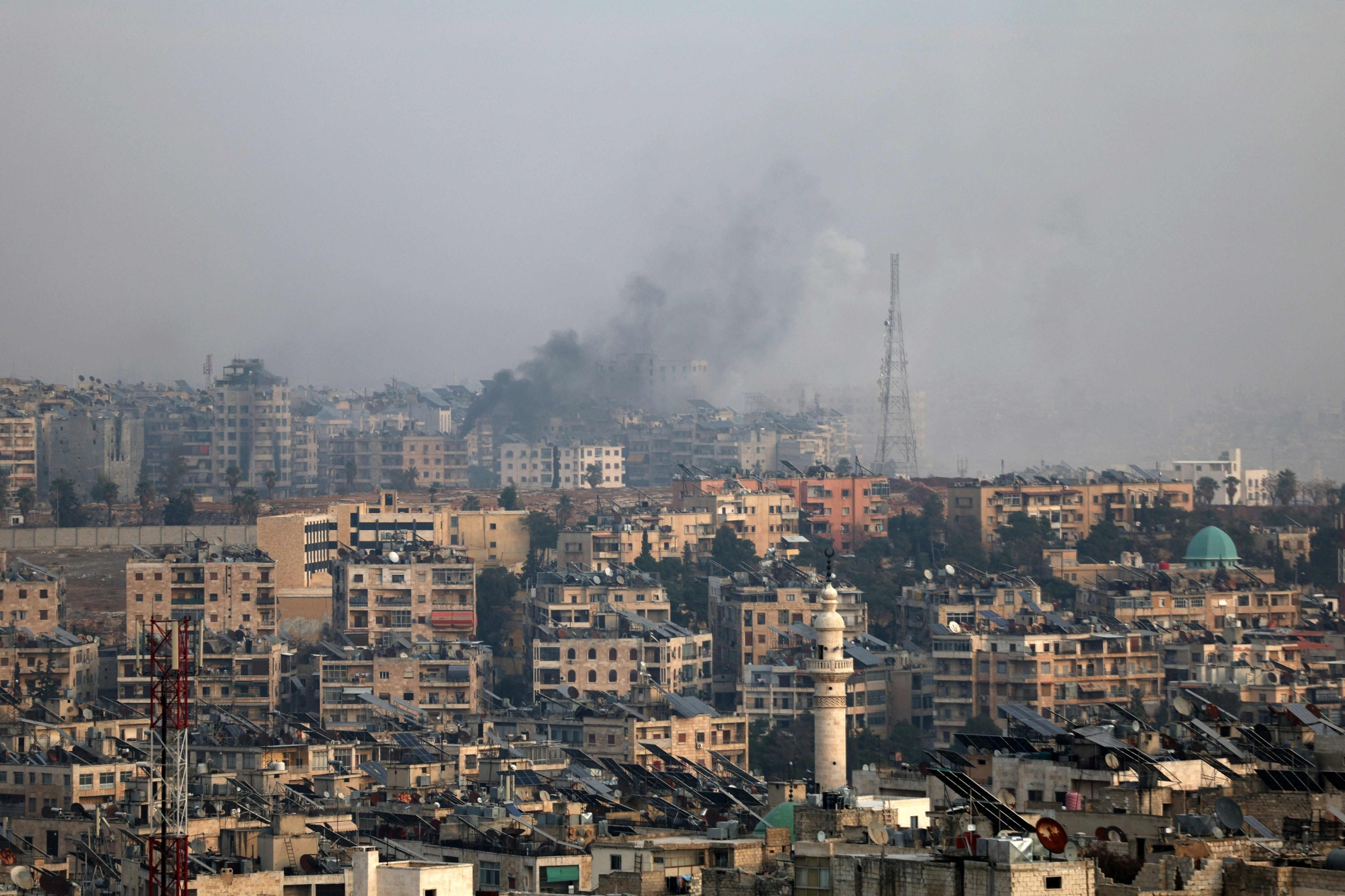
Unlike previous incidents, however, the violence did not end with an immediate ceasefire. This time, Damascus appeared determined to impose a military solution and send a message. Government forces moved swiftly, capturing Ashrafieh and Sheikh Maqsoud within days. The advance unfolded with relatively limited fighting, reportedly facilitated by a deal the government brokered with elements of the Bakkara tribe that had been fighting alongside Kurdish forces.
The operation also reflected a shift in tactics. Rather than relying on indiscriminate or overwhelming firepower, government forces conducted targeted strikes against designated military positions, advancing in stages with announced ceasefires in between. Authorities publicly identified areas to be targeted and urged civilians to evacuate in advance, an apparent effort to limit casualties. Civilian deaths and displacement still occurred, but the approach contrasted with earlier operations that resulted in widespread violations.
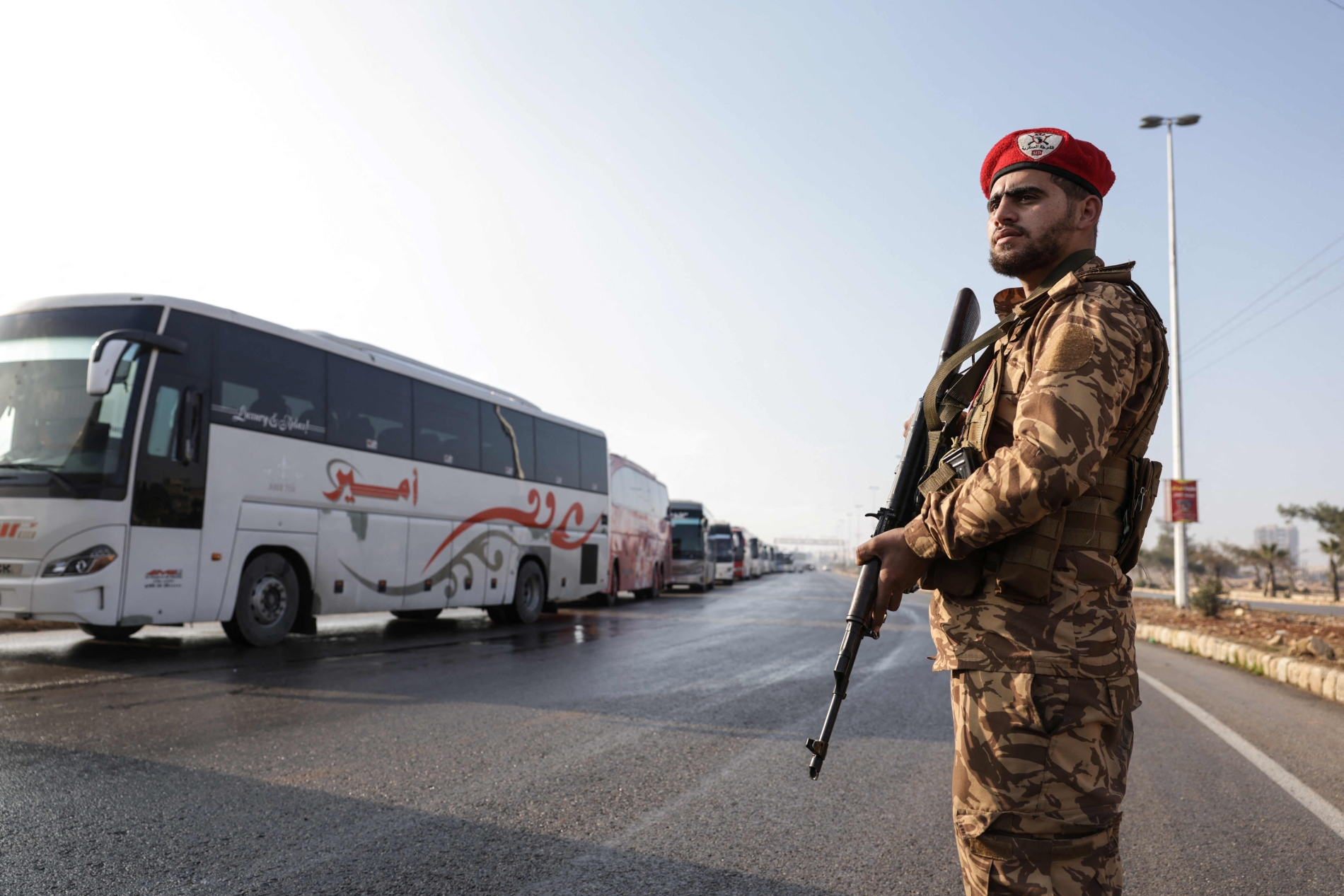
Pressure at gunpoint
For analysts close to the Syrian government, the Aleppo offensive carried a clear political message—it was meant to signal that Damascus’s patience had run out—and that it was prepared to use force when negotiations stall. In this reading, Aleppo was less a strategic pivot than a warning shot, intended to pressure the SDF to implement the 10 March integration agreement.
Some go further, suggesting that efforts to limit civilian harm were also aimed at reassuring Western governments. Many have repeatedly warned against the human cost of military action against SDF-held territory, particularly after serious abuses followed clashes along the coast and in Sweida last year.
By showcasing a more controlled operation in Aleppo, Damascus may be seeking to demonstrate that integration by force would not necessarily entail mass civilian casualties—and to signal that such a move is not off the table. Analysts sympathetic to Damascus argue that the escalation may convince Kurdish leaders that stalling negotiations is no longer viable, and that continued resistance risks triggering a military solution that would forfeit the many advantages offered by the March agreement.