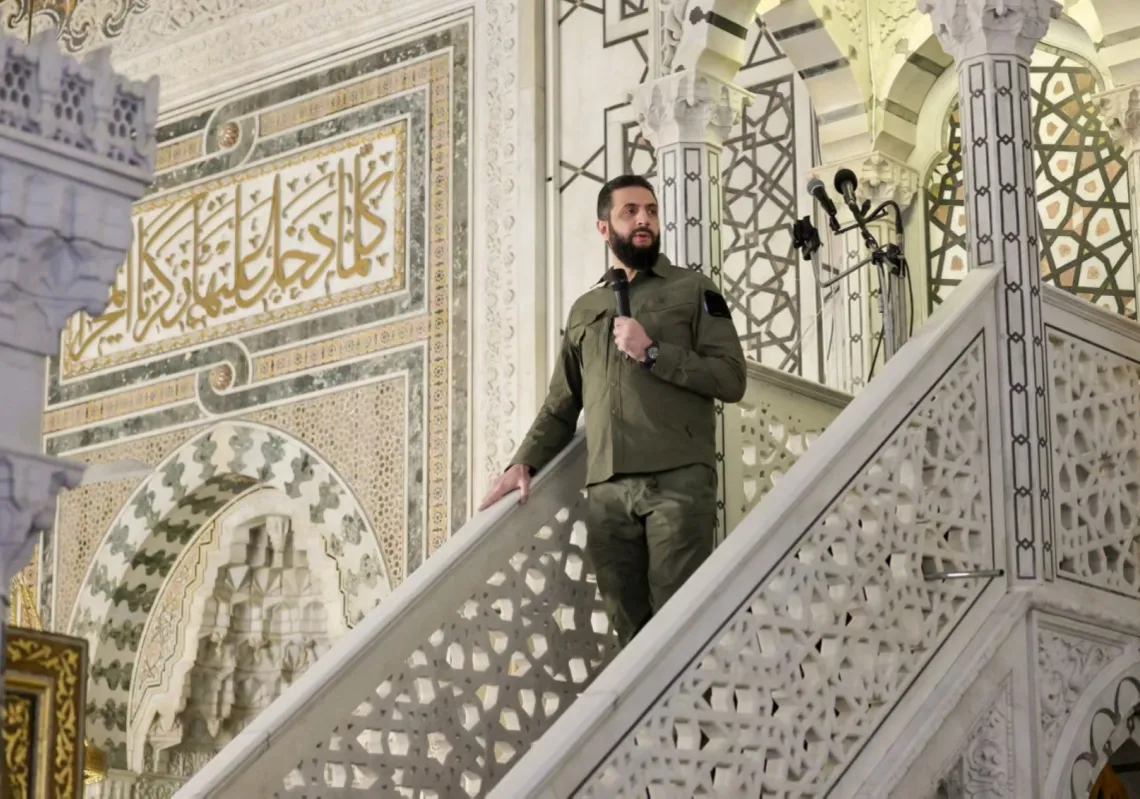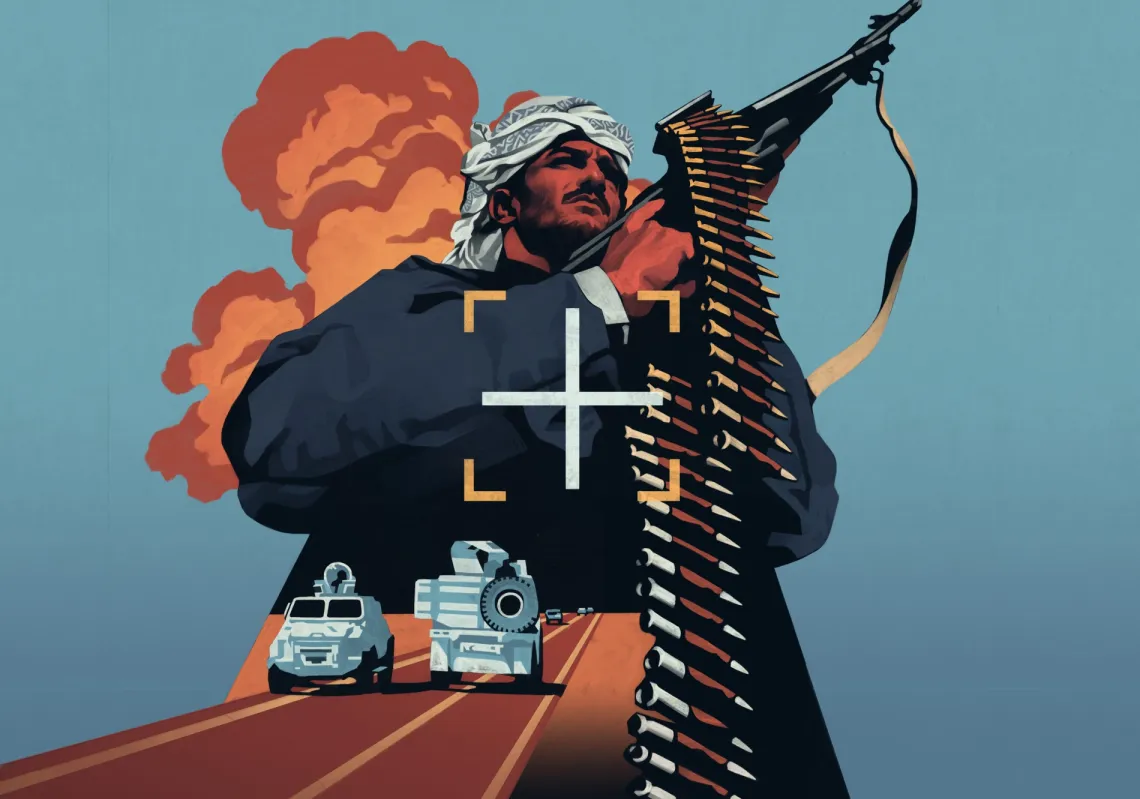

There are few areas in which the United States and Israel genuinely diverge, but one of them—somewhat unexpectedly—is Syria after the fall of former president Bashar al-Assad. Israel has been unsettled by US President Donald Trump’s rapid embrace of Syria’s new interim President Ahmed al-Sharaa, a former commander of Jabhat al-Nusra (an al-Qaeda-linked group) who Israeli Foreign Minister Israel Katz recently dismissed as a “jihadist in a suit,” but interestingly, the White House shows no signs of changing course.
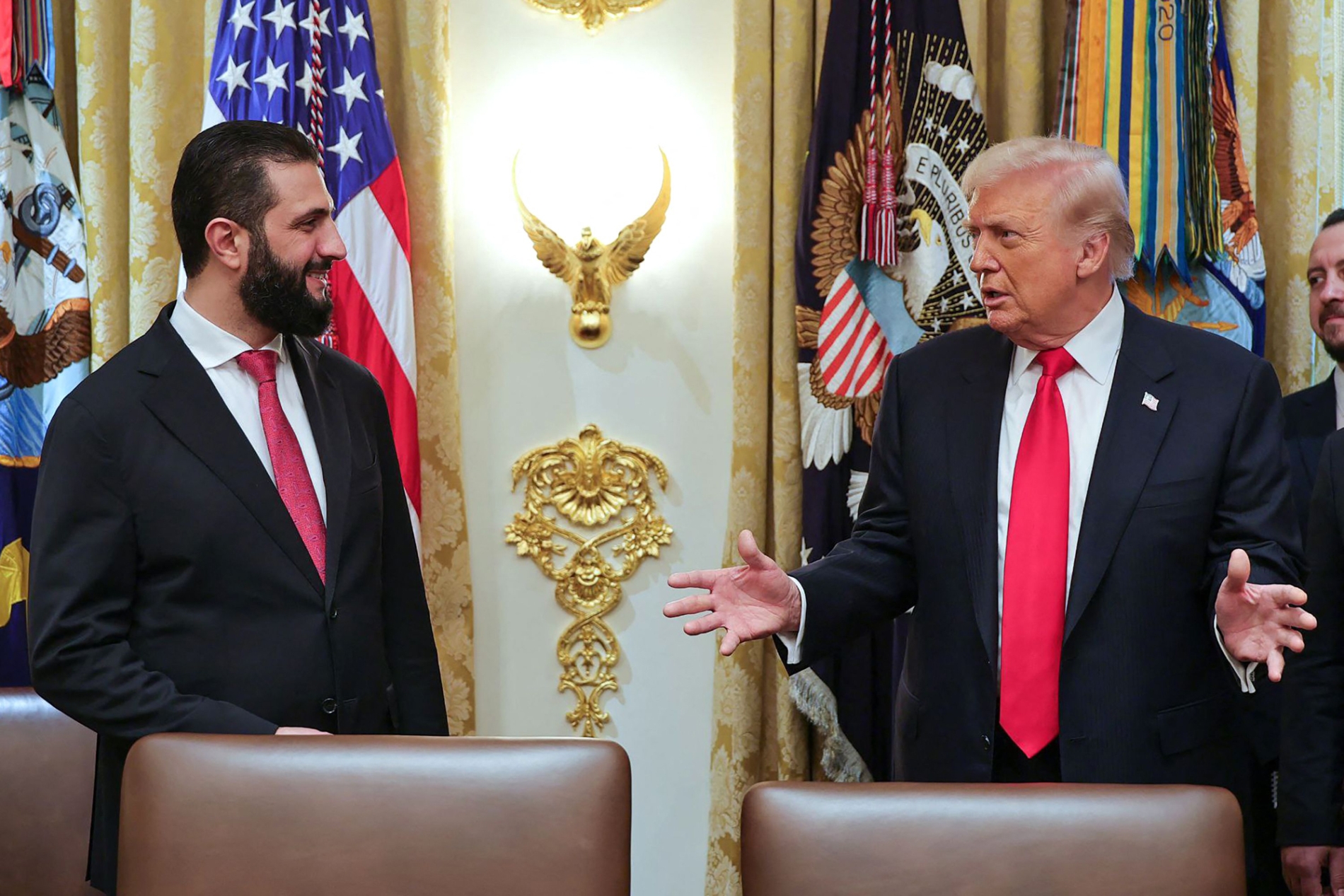
Trump first met al-Sharaa in Saudi Arabia in May. This led to some discomfort within the Israeli government, led by Prime Minister Benjamin Netanyahu. Ever since, that discomfort has only grown, most notably with al-Sharaa’s recent visit to the Oval Office in November and the decision last week by the US House of Representatives to repeal the 2019 Caesar Act, the main US sanctions package on Syria. Behind the scenes, Washington would like Israel to make friends with those now in power in Damascus, but Israel is reticent to say the least.
Turkish President Recep Tayyip Erdoğan has long had a good relationship with Trump, and Türkiye supported al-Sharaa’s fighters ahead of their successful unseating of Bashar al-Assad’s regime last year. Israeli officials, who regularly trade barbs with their Turkish counterparts, are now increasingly worried that Tom Barrack, one of Trump’s top Middle East envoys, has drifted closer to Türkiye’s preferred approach.
Benefit of the doubt
Washington’s unexpectedly swift outreach to the new Syrian leader has been praised by many outside Israel, as has Trump’s early decision to lift sanctions, even when some members of his national security team urged caution. This raises hopes of Syria’s reintegration after years of Assad-era isolation. Rather than treating the new Syrian regime as dangerous until proven otherwise, Trump’s White House has effectively reversed the burden of proof, treating al-Sharaa as innocent until proven guilty.
The distinction is not semantic: even partial sanctions relief signals that Washington will not block investment and diplomatic engagement with the new Syria. Some say it would not be in US interests to do so, since a marginalised Damascus may seek solace in the arms of American adversaries like Iran, just as Assad did. For Netanyahu, the policy shift and the personal rapport between Trump and al-Sharaa reads less like pragmatic statecraft and more like strategic risk.
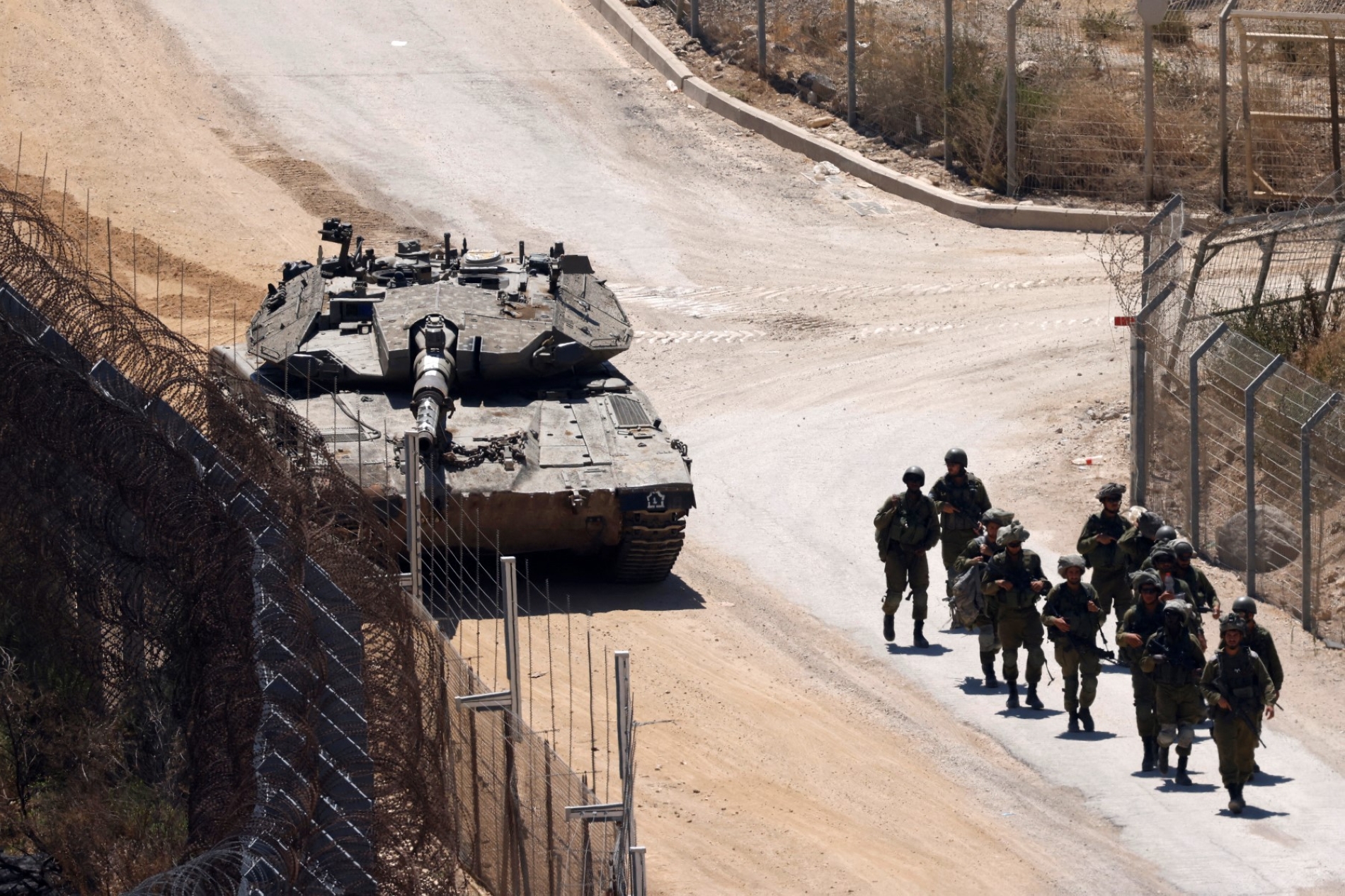
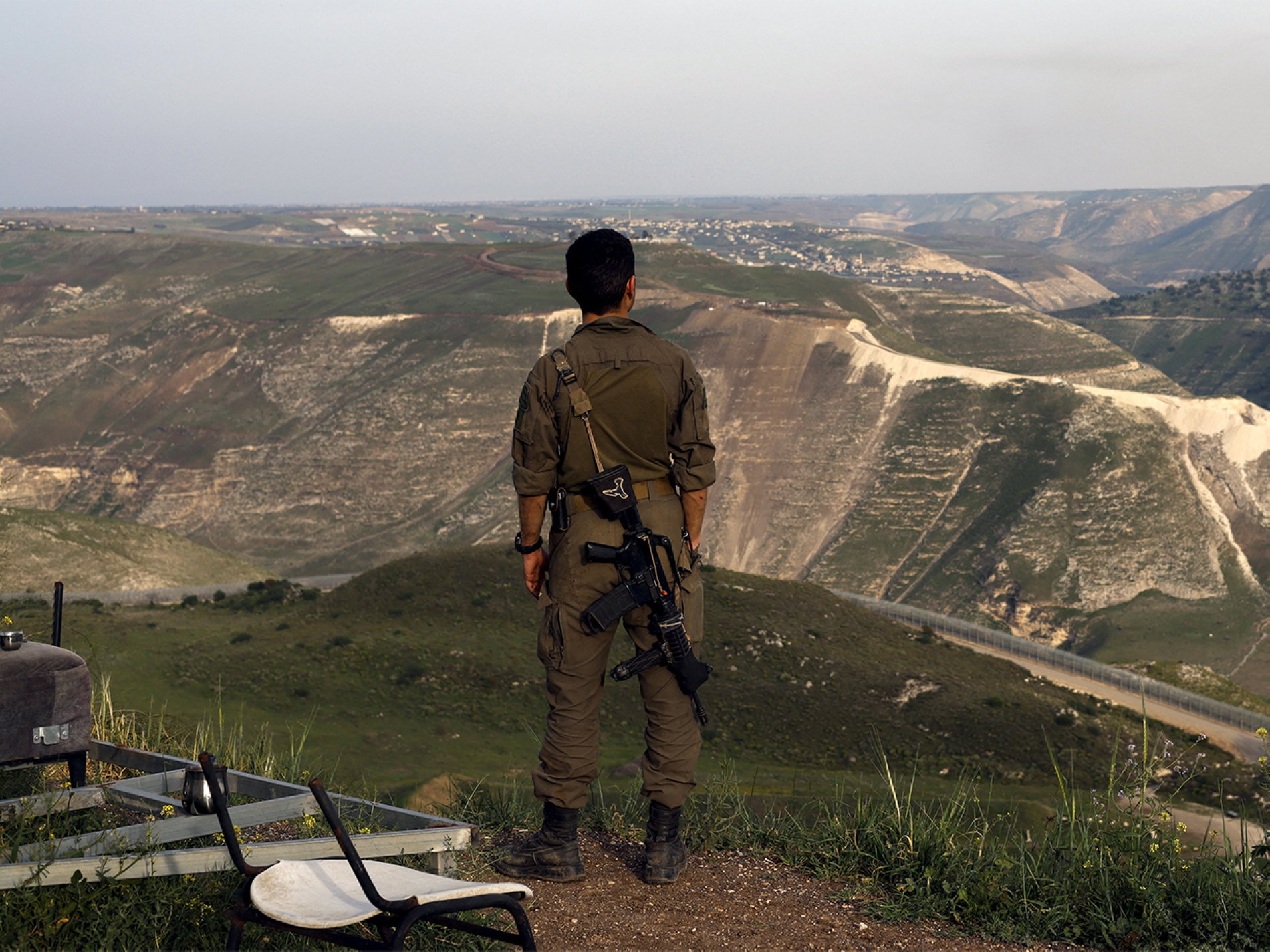
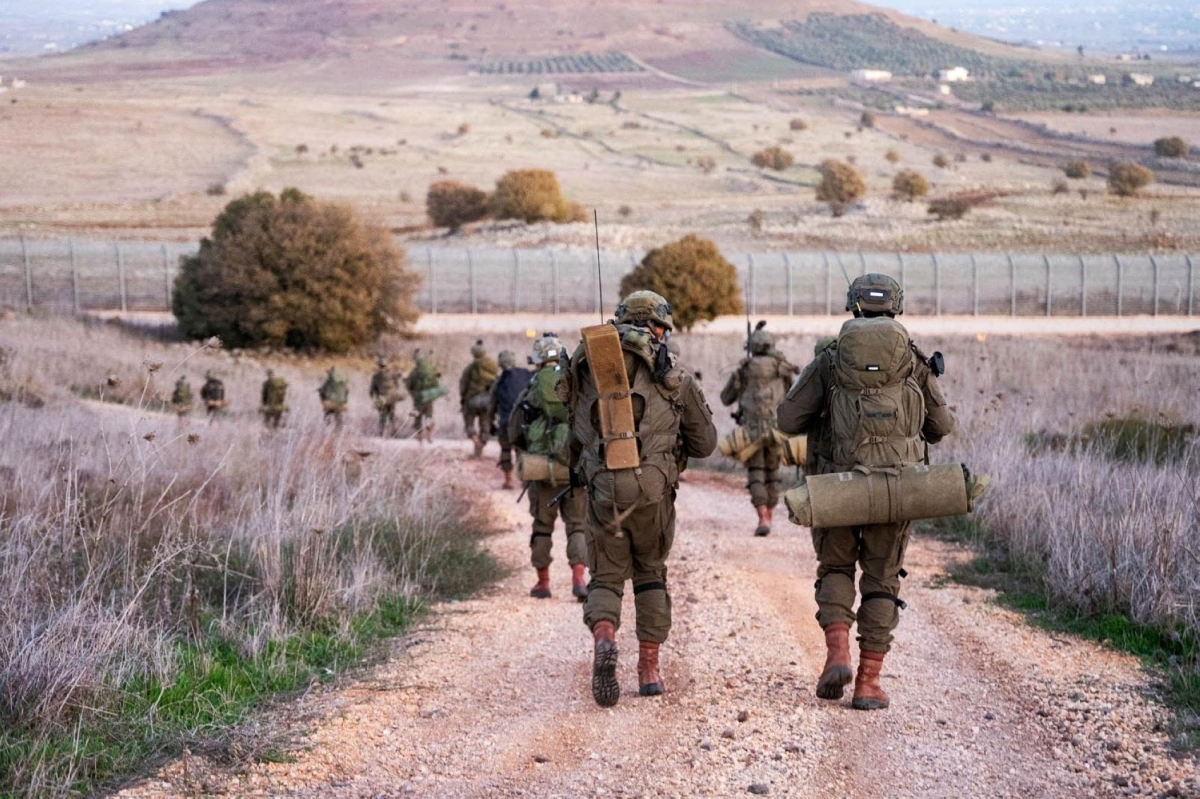
Within hours of Assad’s ouster, Israel launched extensive airstrikes against Syria’s remaining military assets and moved its troops into southern Syria to establish a new buffer zone beyond the existing demilitarised zone. After the Hamas attack on 7 October 2023, Israel’s security establishment has taken no chances on its borders, so the airstrikes and territorial encroachment were in-line with that current thinking.
Suspicions abound
Although many Western and Gulf capitals are working with al-Sharaa on the basis of his pragmatism, there is less surety about him in Israeli circles. For Israel, surety comes from its military power. On its northern border with Syria, that translates to soldiers on the ground. Just days after al-Sharaa’s White House visit, Netanyahu made a point of visiting his troops in southern Syria. The message was clear: Israel holds the cards and will not trade these for goodwill and promises alone.
Israel has reasons to worry about Ahmed al-Sharaa, whose family was originally from the Golan Heights. They were among the thousands of Syrians displaced by Israel’s capture of the region in 1967, moving to Damascus. Though he spent most of his early life in the Syrian capital, al-Sharaa took the nom de guerre Al-Jolani (‘from the Golan’) when he joined al-Qaeda, a move inspired in part by the Second Intifada.